Let me tell you a quiet truth about work emails. One careless sentence can sit in someone’s inbox for years, and they can open it, forward it, and screenshot it whenever they like.
A single message can change how your boss sees you, so it pays to be careful.
The funny part is that most email mistakes do not come from bad people. They come from rushing, from nerves, or from copying the way we text our friends. We type fast, hit send, and then feel our stomach drop a second later.
This guide will save you from that feeling. If you are still getting ready for your job, you can also read 25 Things to Know Before Starting Your First Job to see the bigger picture.
Below are 45 things you should never say in a professional email, plus simple ways to say them better.
Pin this for later: How to Build Healthy Work Habits Early in Your Career

45 Things You Should Never Say in a Professional Email
1. “Hey Guys” or “Yo”
Opening an email with “Yo” or “Hey guys” can sound too casual, especially when you write to a manager or a client. Some readers may feel that you do not take them seriously.
A simple “Hello Mr. Brown” or “Hi team” feels friendlier and still polite. If you are not sure about the tone, copy how the other person greets you. You can relax your style later as you get to know people better.
You’ll want to come back to this: How to Build Confidence in the Workplace
2. “To Whom It May Concern”
This old phrase sounds cold and shows that you did not bother to find the right person. Take a few minutes to check the company website or ask a friend for the name of the person you are writing to.
Use “Dear Ms. Taylor” or “Hello Mr. James” instead. When you truly cannot find a name, “Dear Hiring Team” is a better choice. A personal greeting tells the reader that you made an effort.
Don’t lose this list: How to Handle Workplace Mistakes Professionally
3. “Sorry to Bother You”
In my first week, I wrote to my manager with “Sorry to bother you, I know you are very busy,” and she replied, “You are not bothering me, that is my job.” I felt silly, but I learned something important from it. Starting with an apology makes your request sound unimportant. Try “Hello, I have a quick question about the report” instead. Be polite and direct, and let the reader decide how fast to answer.

4. “I Am New, So I Know Nothing”
Being new is not a crime, but announcing that you know nothing makes people nervous about your work. You can mention that you are still learning without putting yourself down. Try “I am still getting used to the process, could you guide me?” instead. This sounds honest and eager at the same time. If you want to avoid other early slips, take a look at these 35 First-Day-at-Work Mistakes to Avoid. Confidence grows when your words match your goals.

5. “As Per My Last Email”
This phrase is famous for sounding angry in a polite costume. It tells the reader that they were too lazy to read your earlier message. Even if that is true, saying it this way will not help you. Try “To follow up on my earlier note, here is the main point again” in a calm tone. This version gives the reader a gentle reminder and keeps the peace. Good relationships matter much more than winning small arguments with coworkers.
Keep this handy: How to Prepare for Your First Performance Review
6. “Why Have You Not Replied Yet?”
Waiting for an answer is annoying, but blaming the other person rarely speeds things up. They may be busy, away from work, or buried in other messages. A kind reminder works much better, such as “Hello, I wanted to check if you had a chance to look at my request.” Give people at least two working days before you follow up. A friendly tone gets replies, while a sharp tone gets silence.
7. “ASAP” With No Reason
Writing “ASAP” in every message makes everything sound like an emergency, and soon people stop paying attention. It can also feel bossy, especially when you write to someone senior. If something is urgent, give a clear date and time, like “Could you send this by Thursday at 3 p.m.?” A real deadline helps the reader plan. Explain why it matters when you can, because people respond better when they understand the reason.
Save this idea: How to Write Professional Emails at Work
8. “I Need This Right Now”
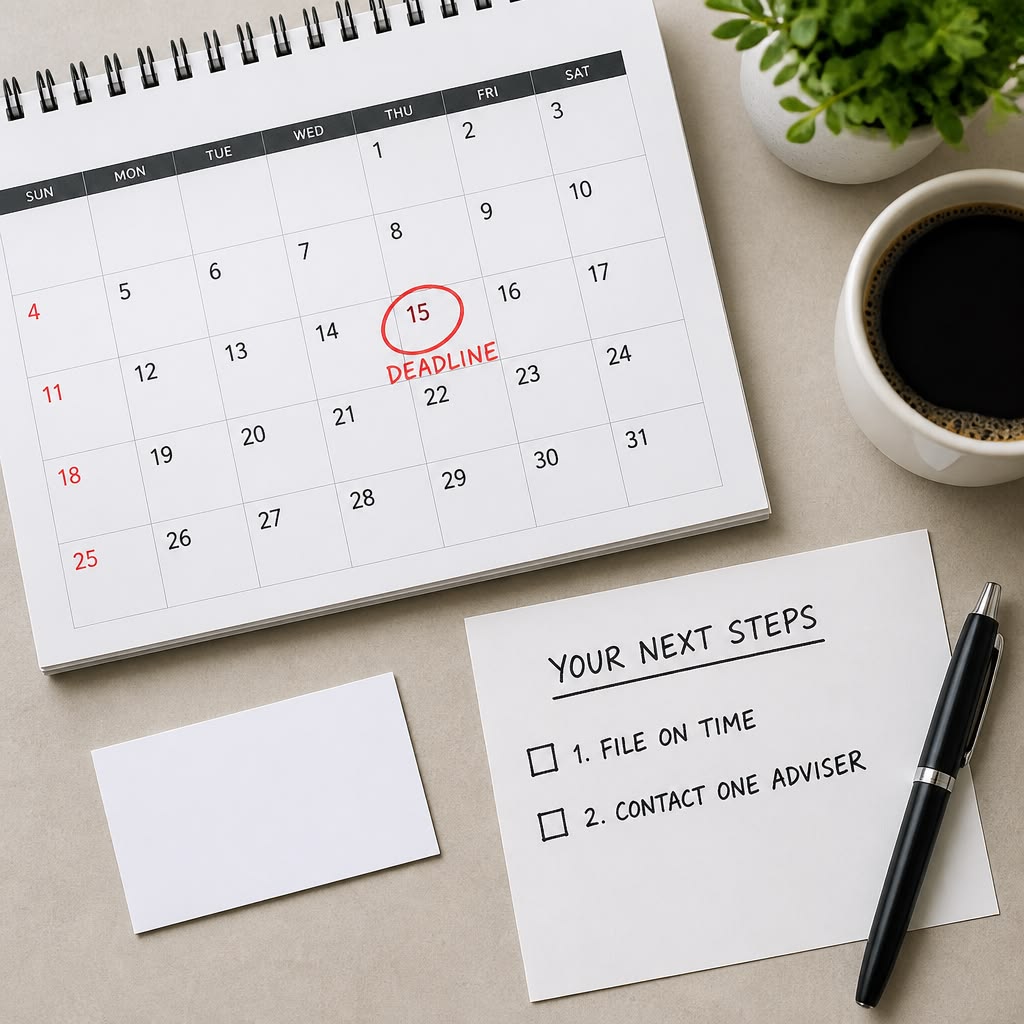
Demanding something immediately can make you sound rude, even when you are in a rush. Other people have their own tasks and deadlines too. Ask with respect and give some context, like “Would it be possible to get this by noon? I have a meeting at one.” This shows that you value their time. When people feel respected, they are happy to help you faster.
Keep this guide nearby: How to Ask for Help at a New Job Without Feeling Embarrassed

9. “Obviously” or “Clearly”
These words may feel harmless, but they can make the reader feel stupid. What is obvious to you may not be obvious to someone else. If you write, “Obviously the file should be saved first,” you are hinting that they should have known. Remove the word and say, “Please remember to save the file first.” The message stays the same, but the tone becomes kinder. Gentle words keep people open to your ideas.
Save this for later: How to Make a Great First Impression During Your First Week at Work

10. “You Should Have Known This”
Blaming someone for not knowing something creates tension and shuts down the conversation. A better move is to share the information calmly and move on. You can say, “A quick note, the deadline is Friday.” Everyone has gaps in their knowledge, including you. Respectful words are part of good office manners, and you can learn many more in the 25 Workplace Etiquette Rules Every Young Professional Should Know. Treat others how you hope to be treated when you slip.

11. “With All Due Respect”
People use this phrase right before saying something disrespectful, and readers know it. It sounds like a polite wrapper for an insult. If you disagree with someone, say it plainly and kindly, such as “I see this a little differently, and here is why.” Share your reason and offer another idea. Disagreeing is fine at work, but attacking is not. A calm and clear tone makes your opinion easier to accept.
You’ll use this again: How to Stay Organized When You Start a New Job

12. “Calm Down”
Telling a person to calm down almost never calms them down. It usually makes them angrier, and a written copy of it lives in the inbox forever. If someone is upset, try “I understand this is frustrating, let us see how we can fix it.” Show that you hear them before you offer solutions. Emails are not the best place for heated talks, so suggest a quick call if things get tense.

13. “Whatever” or “Fine”
One-word replies like these can sound angry, bored, or fed up, even if you did not mean it. Tone is hard to hear in writing, so people often imagine the worst. If you agree, say, “That works for me, thank you.” If you disagree, explain your view politely. A few extra words can save you from a long misunderstanding. Remember that your reader cannot see your face or hear your voice.
This one surprised me: How to Prepare for Your First Job Interview

14. “No Offense, But…”
Anything that follows these words is almost always offensive. Starting this way does not protect you, it just warns the reader that something harsh is coming. Think about what you want to say and remove the harsh part. You can write, “I have a suggestion that might improve this.” Give feedback on the work, not on the person. Kind words do not make your point weaker, they make it easier to hear.

15. “I Think Maybe Possibly…”
Too many soft words make you sound unsure about your own ideas. Phrases like “I think maybe we could possibly try” tell the reader that even you do not trust your plan. Pick one clear statement, like “I suggest we try this approach.” If you really are unsure, say what you know and what you still need to check. Clear writing shows clear thinking. People will trust you more when you sound steady.
Trust me, you’ll want to read this: How to Write a Resume With Little or No Experience

16. “I Am Not Sure, But…”
Starting a sentence with doubt can make the whole idea look weak. If you have done some research, share it with confidence and mention what you checked. For example, “Based on the report, I believe the deadline is Friday, and I will confirm with Sam.” This shows honesty without sounding lost. It is fine to say you will double-check, but avoid opening with a cloud of doubt. Small changes like this build a reputation for being reliable.

17. “I Just Wanted to…”
The word “just” slips into emails all the time, and it quietly makes your message smaller. “I just wanted to ask” sounds like you are apologizing for asking. Remove it and write, “I wanted to ask” or, even better, “Could you tell me when the report will be ready?” Your question deserves its own space. Cut the little shrinking words, and your emails will sound stronger. It feels odd at first, but you will get used to it.
18. “I Have a Stupid Question”
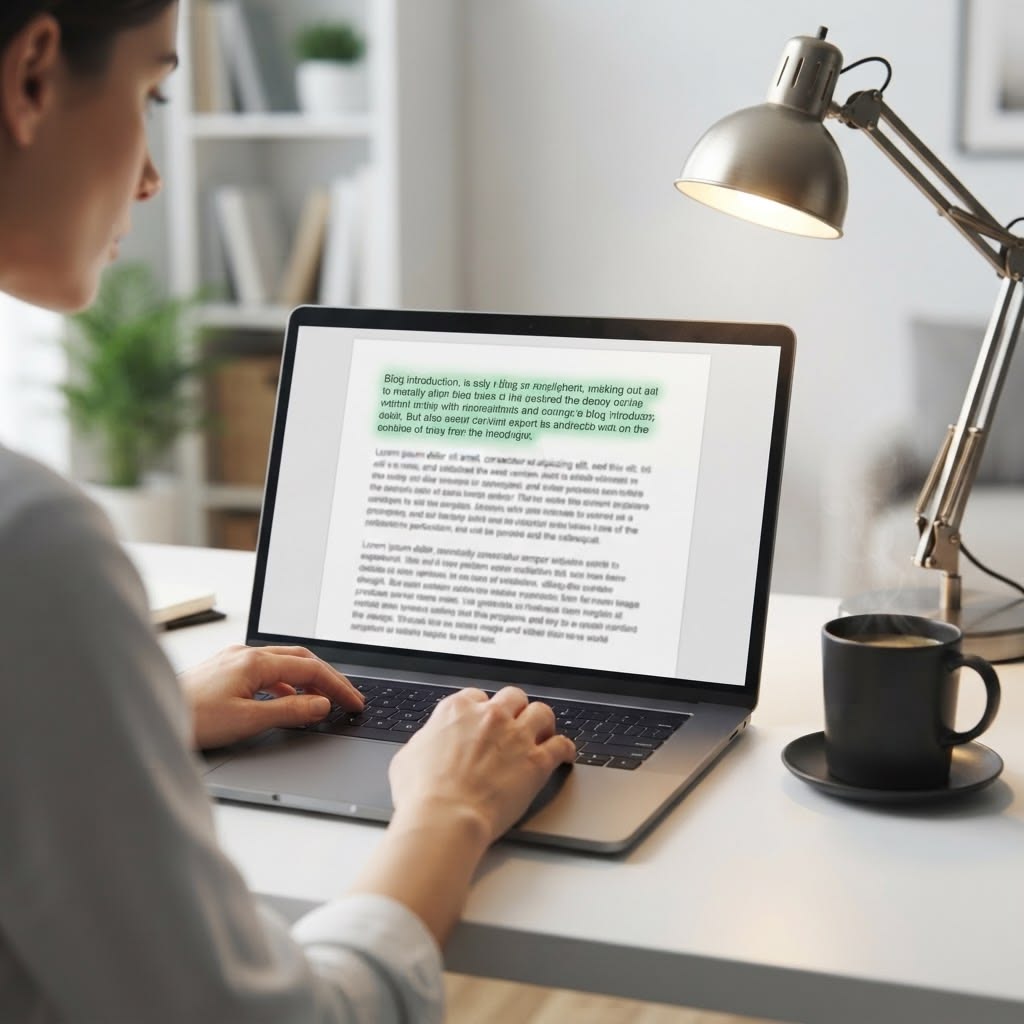
No question is stupid, and calling yours stupid gives the reader permission to think so. Replace it with “I have a quick question about the process.” Then ask it clearly and politely. Asking questions is a sign that you care about doing things right. If you need ideas for what to ask when you start work, these 21 Questions to Ask During Your First Week at a New Job can help. Respect your own curiosity, and others will respect it too.

19. “I Don’t Know” (and Nothing Else)
Saying “I don’t know” and stopping there leaves the reader with nothing to work with. It sounds like you gave up before trying. Add a next step, such as “I am not sure yet, but I will find out by tomorrow and get back to you.” This shows that you take responsibility. Nobody knows everything, and good employees know how to find answers. A little follow-through turns a weak reply into a strong one.
20. “I Am Terrible at This”
Putting yourself down in writing makes other people believe it. Your boss may start to doubt you simply because you said it first. If a task is hard, say so without insulting yourself, like “This is a new area for me, so I would appreciate some guidance.” This tells the truth and shows a willingness to learn. Be kind to yourself, even in your emails. Your words shape how people see you.

21. “I Can’t Do That”
Flatly refusing a request can sound lazy or stubborn. If something is truly not possible, explain why and offer another path. For example, “I am unable to finish this by Monday, but I can have it ready on Wednesday.” This shows that you want to help while being honest about your limits. People accept a firm no more easily when it comes with a solution. Think of it as no, but here is what I can do.

22. “I Will Try My Best”
This sounds sweet, but it does not tell the reader anything useful. It can even sound like a quiet warning that you may fail. If you can do something, say so clearly, like “I will send the draft by Friday.” If you are not sure, state what you can promise and what may change. Clear commitments build trust. Vague promises create doubt, and doubt costs you chances.
23. “It Is Not My Fault”
Defending yourself in a rush usually makes things worse. Even if you are right, a defensive tone sounds like you care more about blame than about fixing the problem. Start with what happened and what you can do next, such as “I see the mistake in the report, and I am correcting it now.” Share the facts first and save your feelings for a better moment. People remember how you handled the issue, not who was at fault.

24. “That Is Not My Job”
This phrase tells your team that you do not care about the bigger picture. Sometimes a task really does belong to someone else, but there are better ways to say so. Try “I think this may fall under Sarah’s area, but I can help you find the right person.” You stay helpful without taking on extra work. Teams remember colleagues who are willing to guide others. Flexibility can open doors that rigid words keep shut.

25. Naming and Blaming a Coworker
Calling out a teammate’s mistake in an email, especially with others copied, can hurt trust fast. It turns a small problem into public drama. If someone makes an error, talk to them privately first. When you must write, keep to facts and avoid pointing fingers, like “The numbers need correction on page three.” Focus on fixing the problem, not shaming a person. Today’s teammate may become tomorrow’s boss, so be careful.

26. “I Hate This Job”
Even if you feel it, an email is never the place to say it. Messages can be forwarded, saved, and used against you in the future. Share your frustration with a close friend or write it in a private journal. If something bothers you at work, request a calm meeting with your manager. A good leader would rather hear a respectful concern than see a complaint in writing. Protect your reputation by keeping your emails clean.

27. “My Boss Is Impossible”
Talking badly about your boss in an email is risky, because you never know who will read it. A message can land in the wrong inbox with one wrong click. Keep your emails professional and talk about problems in a calm way. If your boss makes your life hard, find a trusted mentor or HR contact to speak to in person. Your words in writing stay for a long time, so choose them as if your boss will see them.

28. Gossip About Coworkers
Gossip in emails is a trap, because once it is written, it is permanent. People can screenshot it and share it faster than you can regret it. Even a small joke about someone’s habits can turn into a big problem. Keep your emails about work and leave the stories for the right time and place, which is usually never. Be the person who builds others up. A kind reputation is worth more than a funny story.
Keep this handy: 25 Things to Do When You Feel Lost in Your First Job

29. Reply All on Private Messages
Early in my career, I replied to the whole company with a joke that was meant for one friend. My face burned as I watched the replies appear one after another. Nobody punished me, but I never forgot that feeling. Before you hit “Reply All,” check who is on the list and ask yourself if everyone needs to see your message. Take two seconds to check the recipients, and you can save yourself a lot of shame.
30. “I Am So Tired” or “I Am Hungover”
Sharing how tired or unwell you are from last night’s party tells your boss that you do not take work seriously. Keep your personal habits out of your emails. If you truly need rest, say that you need to rearrange a deadline and give a calm reason.
Do not give extra details. People judge you by what you share, and too much information can leave a bad picture in their minds. Keep your work messages simple and respectful.

31. Too Many Exclamation Marks!!!
A little excitement is fine, but five exclamation marks in a row look childish. They can also make you seem angry or overly emotional.
Use one at most, and only when it fits, like “Thank you so much!” Let your words carry the feeling instead of your punctuation.
Calm and clear writing looks more professional. If you want to stand out, choose better words, not more symbols.
32. ALL CAPS
Writing in capital letters feels like shouting, and nobody likes being shouted at. Even one word in capitals can make a message feel harsh. If you want to stress something, use bold text or write a clear sentence like “This is very important.”
Keep your style calm and simple. People should feel respected when they open your emails. A quiet voice often gets more attention than a loud one.
33. Emojis and Slang
Smiley faces and slang can be fun with friends but are risky in work emails. Some readers may find them unprofessional, especially in your first months. Watch how your coworkers write and match their style.
If the culture is relaxed, one small smile might be fine after a friendly message. When in doubt, stick with words. Keep slang for your phone and your friends.
34. Text Shortcuts Like “Thx” and “Pls”
Short forms save time in text messages, but in emails they can look lazy. Take a few extra seconds to write “thanks” and “please” properly. The same goes for “u” instead of “you” and “gonna” instead of “going to.” Full words show care.
Your reader will not mind the extra letters, but they might mind the sloppy look. Good writing habits start with small choices.
35. “LOL” and “LMAO”
These are fine in group chats but not in professional emails. They can sound careless, and some people may not understand them at all. If something is funny, you can say, “That made me smile,” or “That is a good one.”
Save your laughter for conversations where it fits. In email, simple friendly words are enough. Your reader should feel respected, not confused.

36. Jokes and Sarcasm
Once, I wrote a sarcastic line to a coworker as a joke, and she took it as an insult. We sorted it out later, but the awkwardness lingered for weeks. Humor depends on voice and face, and email has neither.
What feels funny to you can feel mean to others. Save your jokes for face-to-face moments when people can see your smile. If you must add humor, keep it gentle and clear.

37. Personal Problems and Family Drama
Work emails are not the place to unload your heavy feelings. Sharing too much can make your reader uneasy and may affect how they see you.
If something personal affects your work, tell your manager briefly and privately. Say what you need, like time off or a changed deadline, without long stories.
Be human, but keep clear boundaries when you write to colleagues. People will respect your privacy and your professionalism.
38. Salary and Private Pay Details
Talking about money in a casual email can lead to hurt feelings and awkward questions. Salary details are private in many workplaces, and writing them down makes them easy to share.
If you want to discuss pay, ask for a private meeting with your manager. Keep it polite and based on your work. Do not compare yourself to others in writing. A calm, prepared talk will always work better than a heated email.
39. Politics and Religion Opinions
Strong opinions on touchy subjects can start arguments and upset people you work with every day. Your email can end up in places you never planned.
Keep your work messages free from politics and religion, unless the job truly requires it. You can still be friendly without sharing every belief.
Respect for others makes teamwork possible. Save heavy debates for private time with people who want to have them.

40. “Please Find My Resume Attached, Sorry If It Is Bad”
Apologizing for your own resume before the reader even opens it ruins your chance. Show confidence in your work. A simple line like “Please find my resume attached for your review” is enough.
Before you send it, check for errors and make sure the file name looks neat. If you want to make sure your resume is ready, check these 19 Resume Mistakes That Can Hurt Your Job Search.
Believe in what you offer, because the reader will follow your lead.

41. “Why Have You Not Called Me?” After an Interview
Waiting after an interview is hard, but chasing the company with demanding words can cost you the job. Wait a few days, then send a polite follow-up asking about the next step.
Something like “Thank you again for the interview, I wanted to check if there are any updates” works well. To prepare well before you even get to that stage, read these 23 Things to Do Before Your First Job Interview.
Patience and good manners leave a strong last impression.

42. “Sent From My Phone, Please Ignore Typos”
This line is an invitation to be careless. Everyone can see that you wrote in a hurry, and it suggests that your work might be rushed too. Read your message once before sending, even when you are on your phone.
Careful checking is one of the 35 Professional Habits to Build Early in Your Career that pays off every day. If you do have to write quickly, tidy up your reply later. Small details show how much you care.
43. “I Promise” or “100 Percent Sure”
Big promises are risky, because life can change the plan. If you promise something and then fail, people remember your broken word. Use realistic phrases like “I plan to send it by Friday.” Mention any risks that may cause delays.
Promise less, and deliver more. This builds a name as a person who can be trusted. Your reliability will speak louder than big words.

44. “Can You Just Do It for Me?”
Asking someone to do your task without trying first can look lazy. It also puts pressure on them, especially when they are busy.
Show that you tried, then ask for help in a specific way, such as “I tried steps one and two, but I am stuck on step three. Could you show me?” People love to help those who help themselves.
Show your effort first and make your request second, and people will gladly support you.

45. “Thanks in Advance”
This phrase can feel pushy, as if you already expect the person to say yes. It does not leave space for them to decline or explain. A warmer option is “Thank you for your help” or “I would appreciate your help with this.”
Say thanks after the favor is done, too. Genuine gratitude makes people more willing to help you again. Polite endings leave a warm last impression.

Final Thoughts
Good emails do not need fancy words or perfect grammar. They need a kind tone, a clear message, and a little thought before you press send.
When you remember that a real person will read your words, you become more careful about how you communicate. Small things, such as using a polite greeting, checking your spelling, and explaining your point clearly, can make a big difference.
Professional email writing is a skill you develop through practice. You will not get everything right every time, and that is perfectly normal.
What matters is being willing to learn from your mistakes and improve with each message you send. If an email sounds confusing or too direct, take a moment to rewrite it before sending it.
Start by choosing a few of these 45 tips and keeping them near your keyboard for the next few weeks. You do not have to change everything at once.
Focus on writing clearer subject lines, keeping your messages short, checking your tone, and proofreading before sending. As these habits become part of your routine, writing professional emails will feel more natural.
You can also read important emails out loud before sending them. This simple step helps you notice awkward sentences or words that might sound rude. Take a breath, review your message, and send it with confidence.
Remember, every email is an opportunity to communicate well and build trust. With patience and consistent practice, your writing will improve, your messages will become clearer, and people will appreciate the care you put into your words.
Leave a Reply