Your first month living independently can feel like freedom and responsibility arriving together. One day, you are excited about having your own space. The next day, you are wondering why everything suddenly needs your attention.
Nobody prepares you for how many ordinary decisions come with living independently. You decide what to eat, when to clean, when to shop, and how carefully to spend. Even small things can suddenly feel important because there is nobody automatically handling them anymore.
The good news is that you do not need everything figured out immediately. Your first month is mainly about learning how your new life actually works. You will make mistakes, adjust your routines, discover what matters, and slowly become more comfortable.
If you are preparing for this stage, 35 Firsts to Prepare for When You Become an Independent Adult can also help you understand the bigger transition.
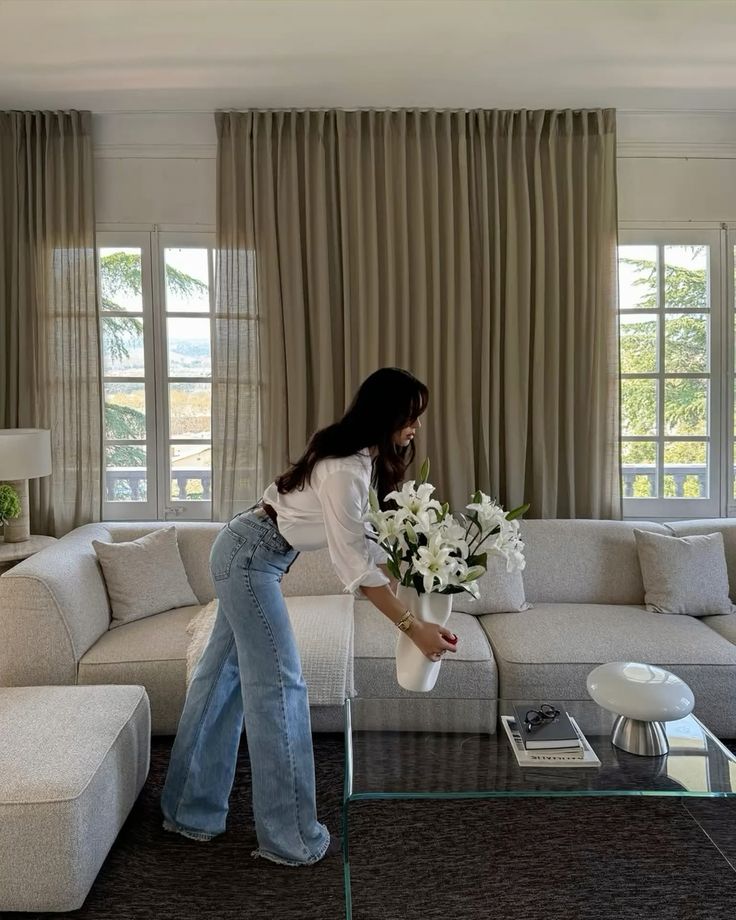
35 Things to Expect During Your First Month of Independent Living
1. Your Freedom May Feel Strange at First
Having your own space can feel amazing because nobody is constantly telling you what to do. You can wake up when you want and arrange your space differently. You can also decide how your evenings, weekends, and daily routines should look.
Still, freedom can feel surprisingly strange during the first few weeks. There may be nobody reminding you about meals, chores, appointments, or important deadlines. Suddenly, every decision becomes yours, even the boring ones.
During my first period of independent living, I enjoyed the freedom until ordinary responsibilities started piling up. That experience taught me that freedom feels better when you create structure around it.
You do not need a strict routine immediately, but some basic structure can help.

2. You Will Think About Money More Often
Living independently can make money feel much more real than before. Rent, food, transportation, electricity, internet, toiletries, and other expenses can appear constantly.
You may find yourself checking your balance more often than you expected. A purchase that once felt small can suddenly make you think about several other upcoming expenses.
That does not mean you should stop enjoying your money completely. Instead, start paying attention to where it goes and how your spending affects future needs.
Your first month can teach you more about budgeting than many financial conversations ever could. Small spending decisions quickly show you why planning matters.
Keep this handy: 25 Things to Know Before Getting Your First Credit Card.
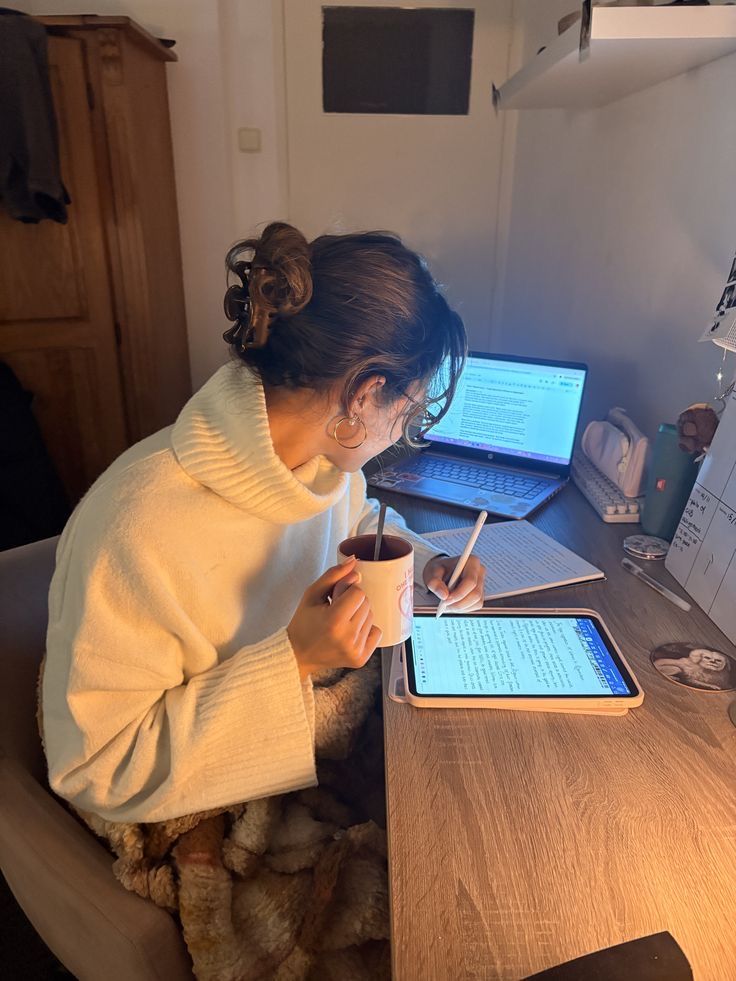
3. Grocery Shopping Becomes Your Responsibility
Grocery shopping can feel completely different when nobody else is keeping the kitchen stocked. You suddenly need to notice what is running low before you need it.
At first, you might buy too much food and watch some of it go unused. Another week, you may forget something important and need another shopping trip sooner than expected.
You will gradually learn what foods you actually eat and how much they cost. That information makes future grocery trips easier and more predictable.
Do not pressure yourself to create perfect shopping lists immediately. Your first month is partly about discovering your own eating patterns and spending habits.

4. You May Underestimate How Much Cleaning You Need
Your home can become messy surprisingly quickly when you live independently. Dishes, laundry, floors, bathrooms, counters, and rubbish do not take care of themselves.
The strange part is that you may not notice the mess immediately. Then one day, you look around and realize several small tasks have become one large job.
A simple cleaning routine can prevent that buildup. You might choose certain days for laundry, bathrooms, floors, and other household tasks.
The goal is not keeping your home perfect every day. You simply want your space clean enough to feel comfortable and manageable.
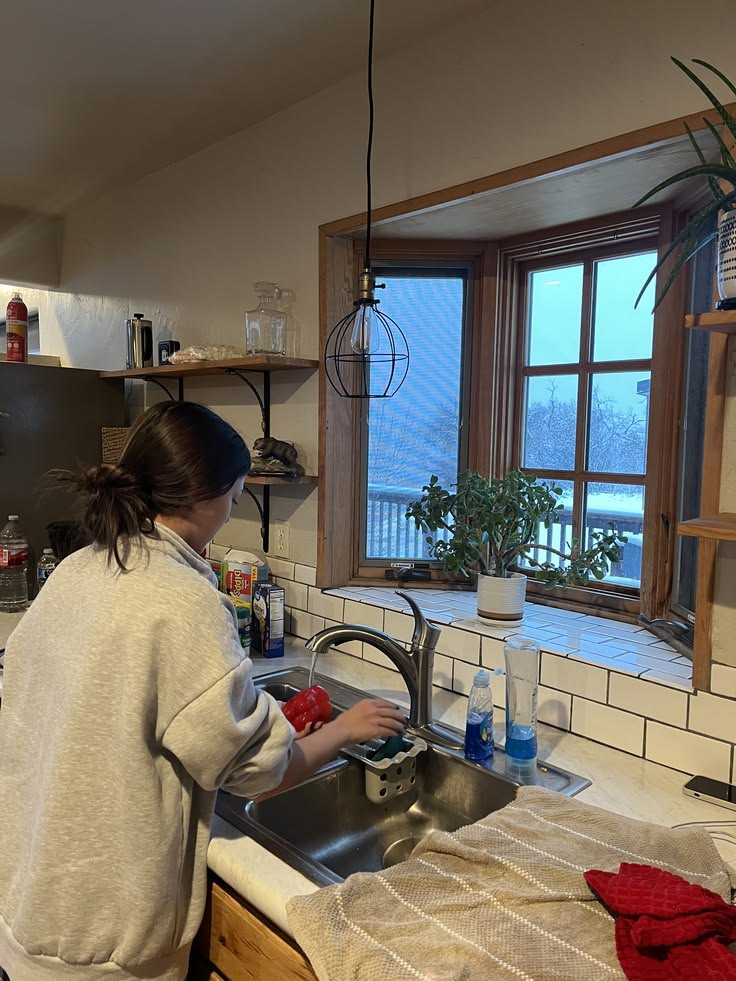
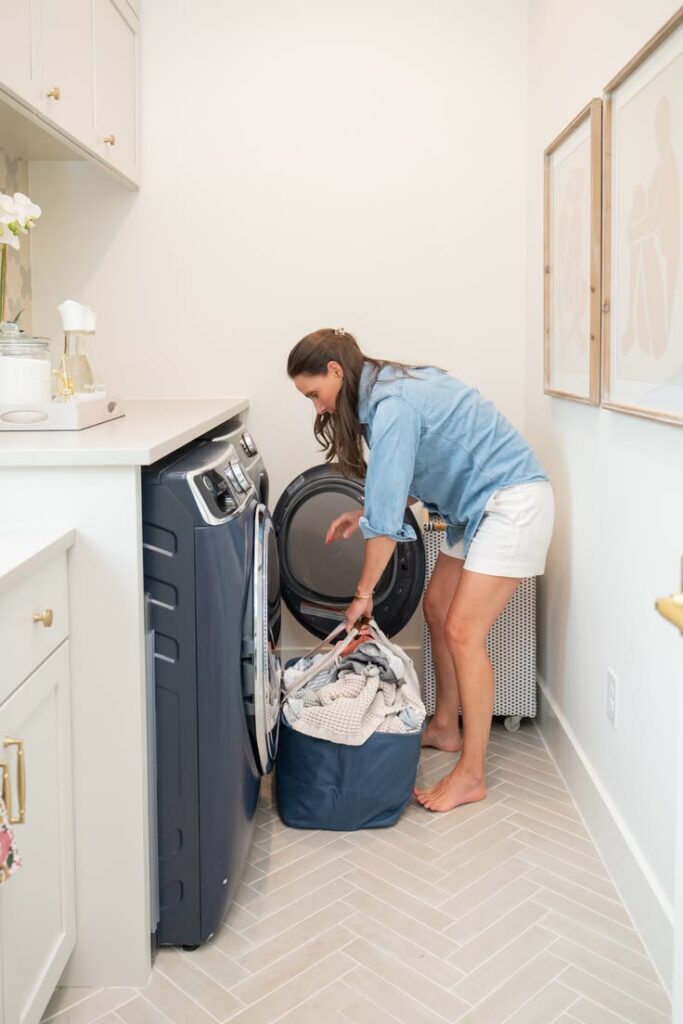
5. Laundry Becomes a Real Routine
Laundry sounds simple until you realize nobody else is automatically noticing when clothes need washing. Suddenly, you need to decide when to wash, dry, fold, and put everything away.
Your first month may include a few forgotten loads or clothes sitting unfolded longer than planned. That is normal when you are creating a new routine.
Pay attention to how much clothing you actually use during an ordinary week. You may discover that doing smaller loads regularly feels easier than waiting for everything to pile up.
Over time, laundry becomes another normal part of managing your home. It stops feeling like a major task once you build a rhythm.
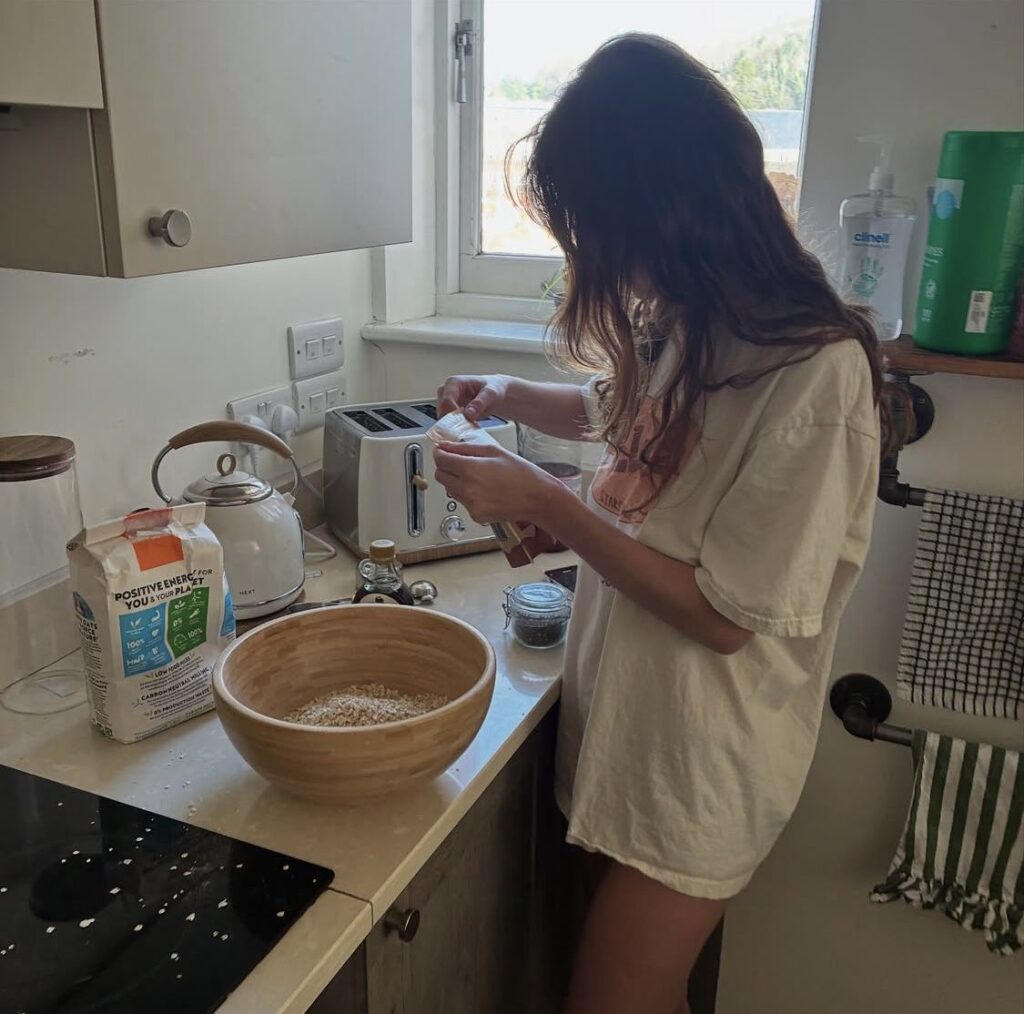
6. Cooking May Take More Energy Than Expected
Cooking for yourself can be enjoyable, but preparing meals after a long day can also feel tiring. You may not always have the energy to make something complicated.
During my first month managing meals alone, I realized that simple food could be more useful than impressive recipes. Having a few easy meals available made busy evenings much easier.
You do not need to cook something elaborate every night. Learn a few simple meals you enjoy and keep basic ingredients available.
You can also plan leftovers carefully so one cooking session can cover another meal. That saves time, money, and energy during busy weeks.
7. Your Home May Not Feel Like Home Immediately
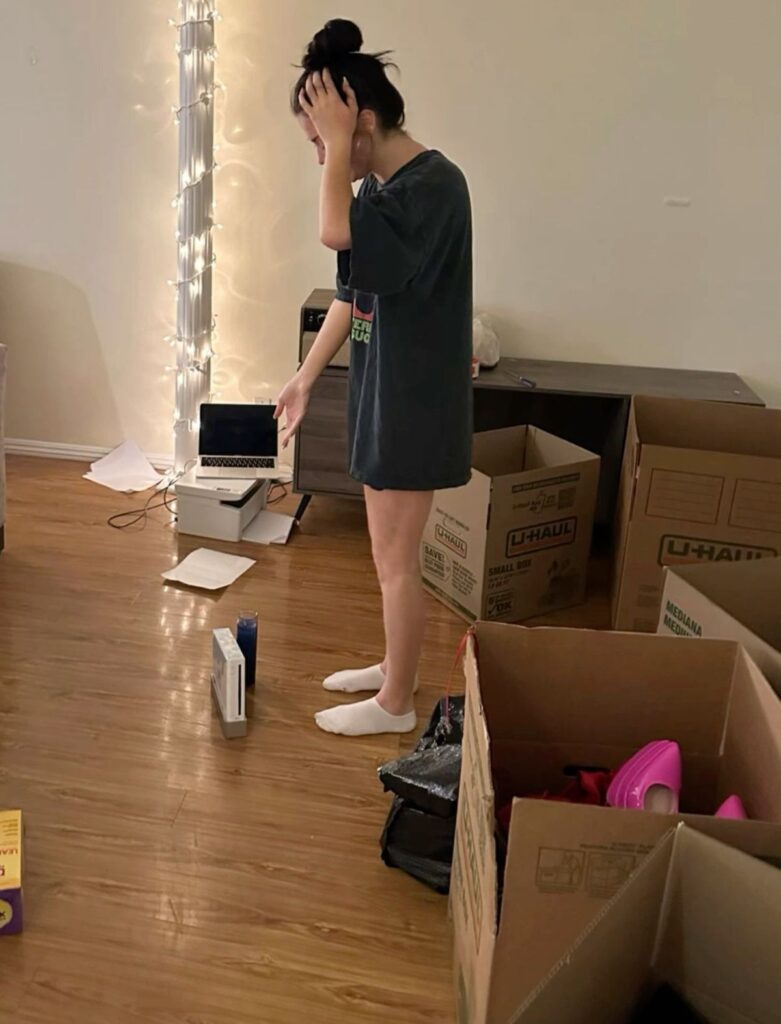
Moving into a new place does not automatically create an emotional sense of home. The rooms may look fine, but everything can still feel unfamiliar.
You might miss your old environment, familiar people, or routines during the first few weeks. Those feelings can appear even when you are genuinely happy about becoming independent.
Give yourself time to settle emotionally and physically. Add familiar items, create comfortable routines, and let the space slowly become yours.
Your home will probably feel more natural after you have lived there through ordinary days. Familiarity often grows quietly through repetition.
Read this next: 35 Things Nobody Tells You About Moving Out for the First Time.
8. You May Spend More on Small Things
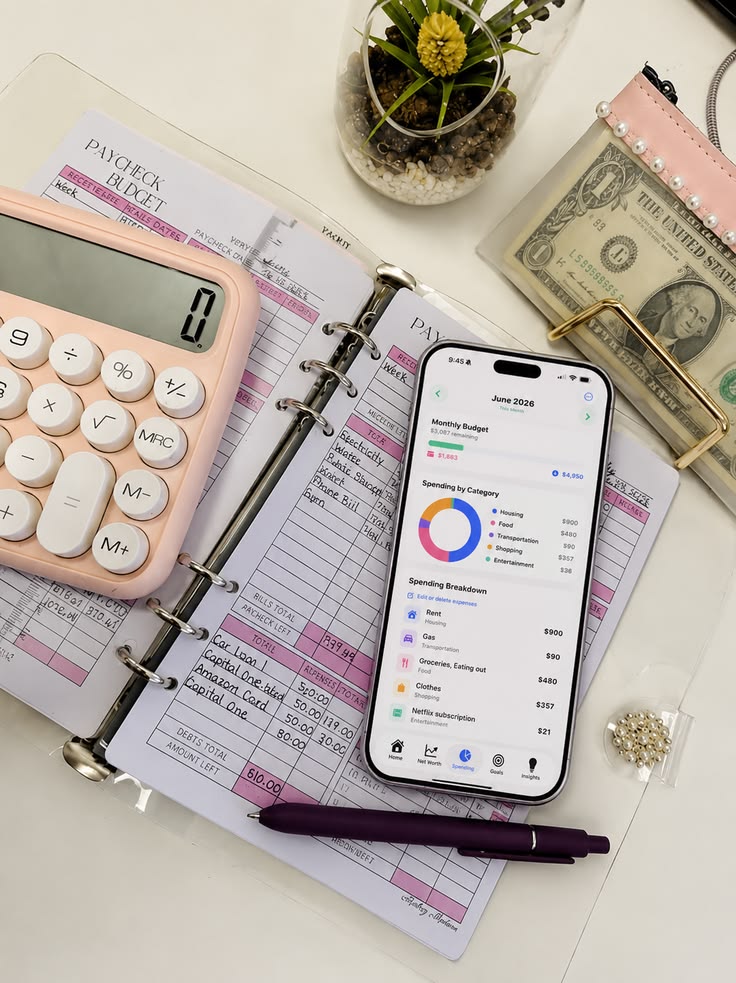
Small purchases can become surprisingly expensive during your first month of independent living. Cleaning supplies, snacks, toiletries, storage items, batteries, and household basics can keep appearing.
Individually, these purchases may not seem serious or worth adding to your budget. Together, however, they can create a noticeable dent in your monthly finances.
You may also discover small things you forgot to buy before moving into your home. A missing kitchen tool or bathroom item can suddenly become another unexpected expense.
Keep track of these smaller expenses for a few weeks after moving. You will quickly see which items you repeatedly buy and where you can plan better.
This can help you create a more realistic household spending category in your budget. You may also find cheaper alternatives or decide which purchases can wait until later.
This is not about feeling guilty every time you spend money. It is about understanding your new spending patterns before they become difficult to manage.
Small expenses are easier to control when you notice them early and plan accordingly. Over time, you will become better at recognizing what your home actually needs.
You will also learn which purchases are useful and which ones can easily wait. That awareness can make managing your money much easier as independent living becomes normal.
You might also love this: What to Expect During Your First Week Living Alone
9. You Will Start Noticing Household Problems
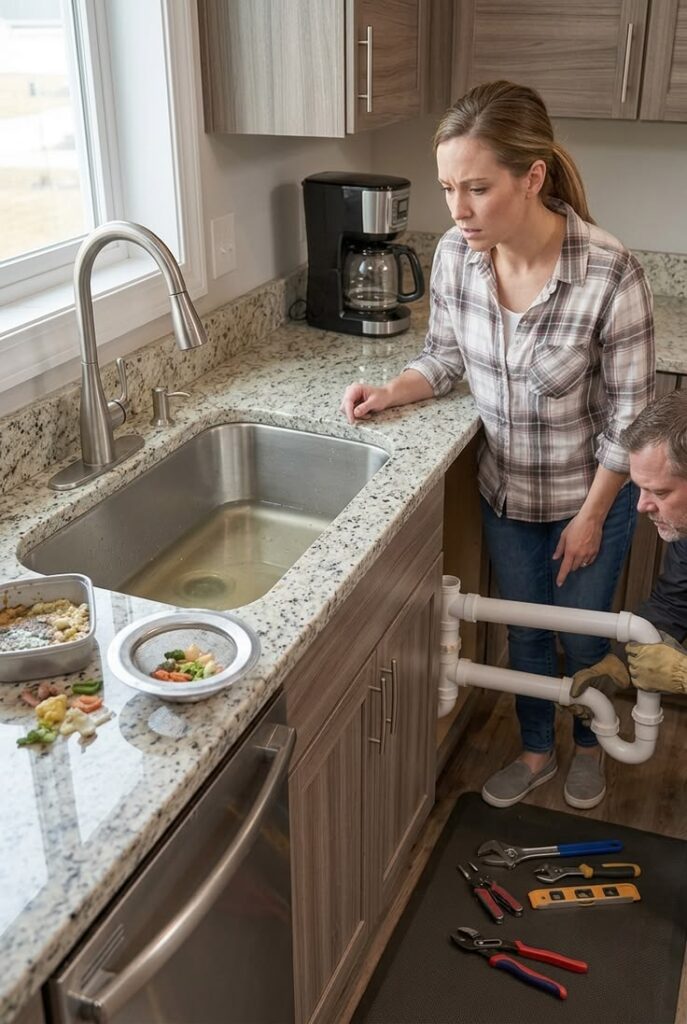
When you live independently, small problems become your responsibility to notice. A leaking tap, faulty light, broken handle, or blocked drain cannot simply remain someone else’s concern.
You may initially feel unsure about what needs professional help. That is completely normal when you are still learning how your home works.
The important thing is noticing problems instead of ignoring them until they become worse. Start keeping a simple record of repairs and maintenance issues around your home.
Take pictures when useful, especially when you need to explain a problem clearly. You should also communicate quickly with the appropriate person when something needs attention.
Depending on your housing arrangement, this might mean contacting your landlord, property manager, or repair professional. Do not attempt complicated repairs if you are unsure about what you are doing.
Some problems require proper tools, experience, or professional attention to prevent further damage. Learning to notice problems early can prevent small issues from becoming much more expensive later.
It can also help you understand how your home normally works. Over time, you may become more confident recognizing unusual sounds, leaks, damage, or other warning signs.
Independent living teaches you that maintaining a home involves paying attention regularly. Small maintenance habits can protect your space and reduce unnecessary stress over time.
Read this next: How to Prepare for Your First Utility Bills
10. You Will Need to Manage Your Time Differently
Independent living gives you more control over your schedule, but that freedom can make time disappear quickly. Work, cleaning, cooking, shopping, rest, errands, and social activities all compete for attention.
You may discover that having free time does not automatically mean using it well. Without some planning, important tasks can keep getting pushed forward.
You might postpone laundry because you are tired, then suddenly have nothing clean to wear. The same thing can happen with grocery shopping, cleaning, meal preparation, or paying bills.
Try creating a simple weekly rhythm instead of planning every minute. Decide which days usually work best for specific household tasks and personal responsibilities.
Give yourself room for unexpected tasks because real life rarely follows a perfect schedule. You should also protect some time for rest because constantly staying busy can become exhausting.
A useful routine should make responsibilities easier without making your life feel overly controlled. You will probably need to adjust your schedule as your work and personal responsibilities change.
That is normal, especially during your first months of independent living. Your goal is creating a routine that supports your life without controlling every minute.
With practice, you can learn how to balance responsibilities, personal time, and unexpected situations. Good time management can make independent living feel much more manageable and less overwhelming.
11. You May Feel Lonely Sometimes
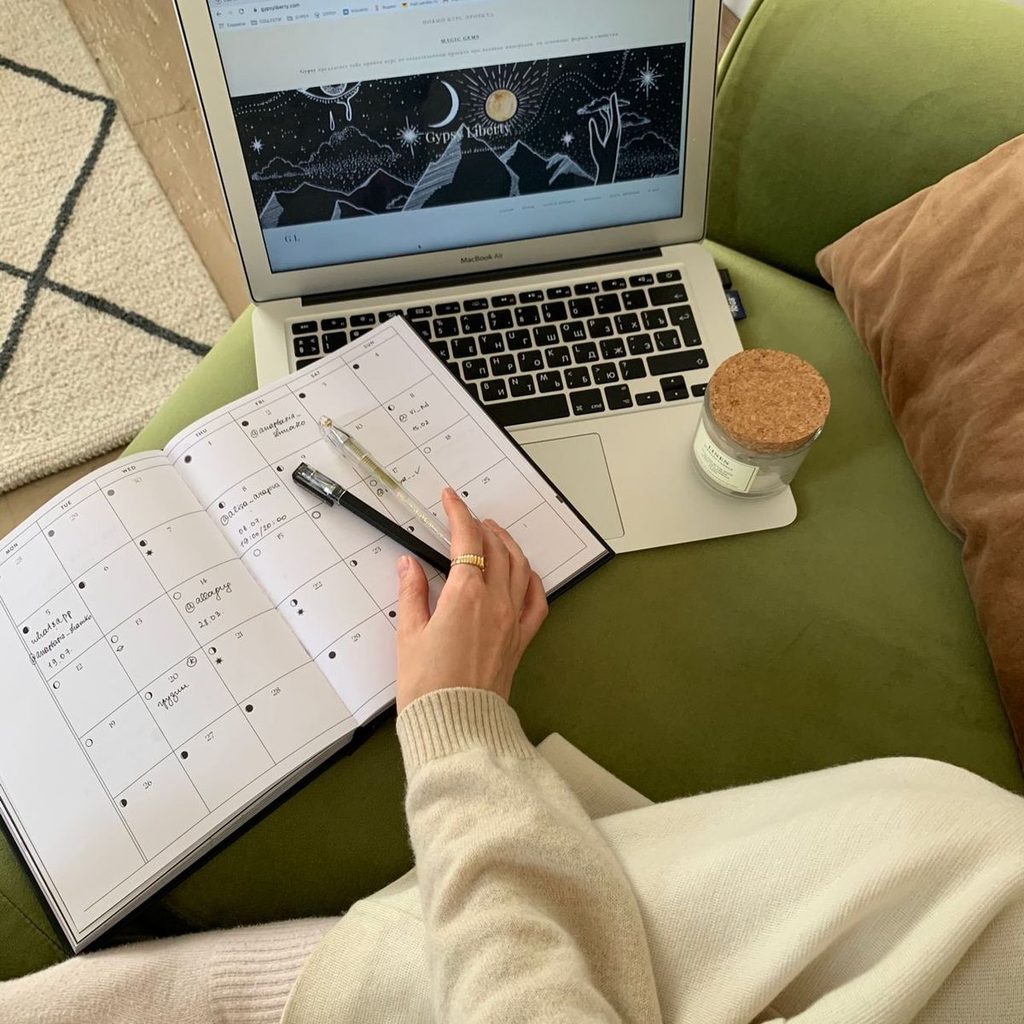
Independent living can be peaceful, but quietness can sometimes feel lonely. You may miss having people around during ordinary moments, especially during evenings or weekends.
This feeling does not mean independence is a mistake. It simply means human connection still matters even when you enjoy having your own space.
Stay connected with people who make you feel supported. Call someone, visit friends, attend activities, or spend time outside your home when you need company.
You can also use your first month to discover ways of building meaningful connections around your new routine.
Continue reading here: How to Manage the Responsibilities of Living on Your Own
12. You Will Learn What You Actually Need
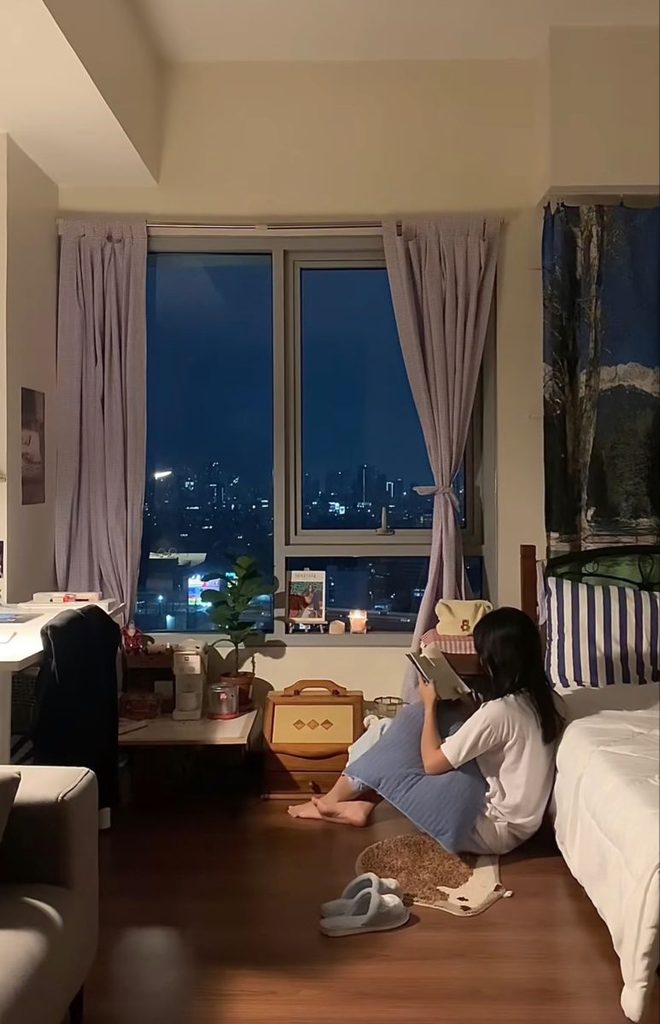
Living alone can quickly show you the difference between things you want and things you genuinely use. Some purchases may seem necessary before moving, but they become unnecessary once you settle in.
Give yourself permission to wait before buying everything you think your home needs. Living in the space will reveal what is actually missing.
You may discover that you need better storage instead of more decorations. Another person might discover they need practical kitchen equipment instead of extra furniture.
This learning process can save money and help your home become more useful over time.
Save this for later: 45 Things to Do Before Your First Big Move.

13. Your Sleep Schedule May Change
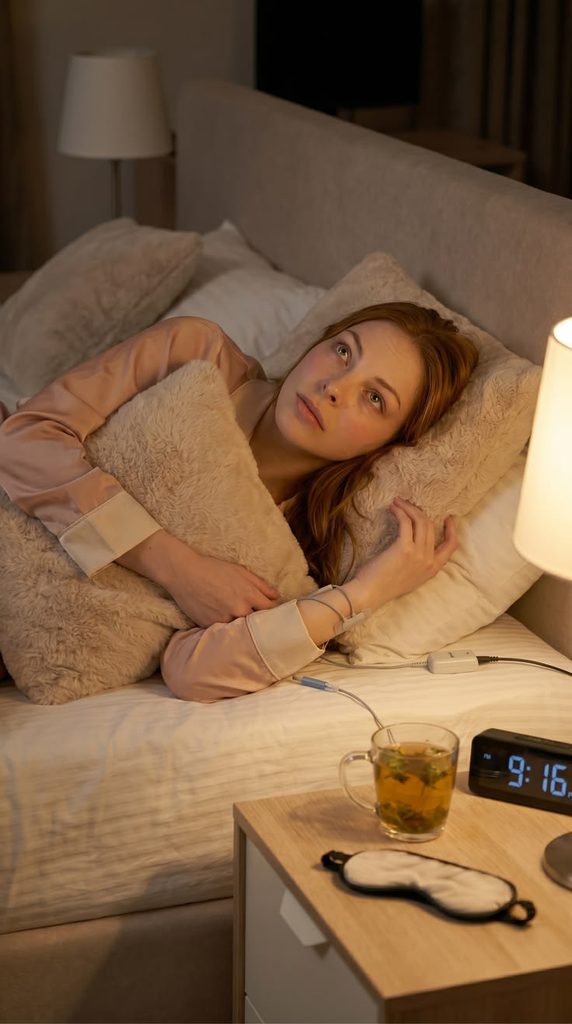
A new environment can affect your sleep during the first month. Different sounds, responsibilities, work schedules, and evening habits can change how quickly you settle down.
You may stay up later because nobody is asking you to go to bed. You might also wake earlier because of transportation, work, or household responsibilities.
Pay attention to how your body responds to your new routine. Try creating a bedtime pattern that gives you enough time to rest.
Good sleep can make almost every other part of independent living easier. You handle decisions, work, chores, and emotions better when rested.
You’ll love this too: How to Build Confidence During Your First Year of Adult Life
14. You Will Have More Decisions to Make
Independent living creates many small decisions that other people may previously have handled. You decide what to eat, when to shop, how to spend, and when to clean.
At first, those choices can feel exciting. After several weeks, making so many decisions can become tiring.
Creating simple routines can reduce that mental pressure. You can repeat certain meals, shopping days, cleaning times, or morning habits.
This does not make your life boring. Instead, it gives your mind fewer unnecessary decisions to handle every day.
Don’t stop here: 35 Things to Expect During Your First Month of Independent Living
15. Your Spending Habits Will Become Clearer
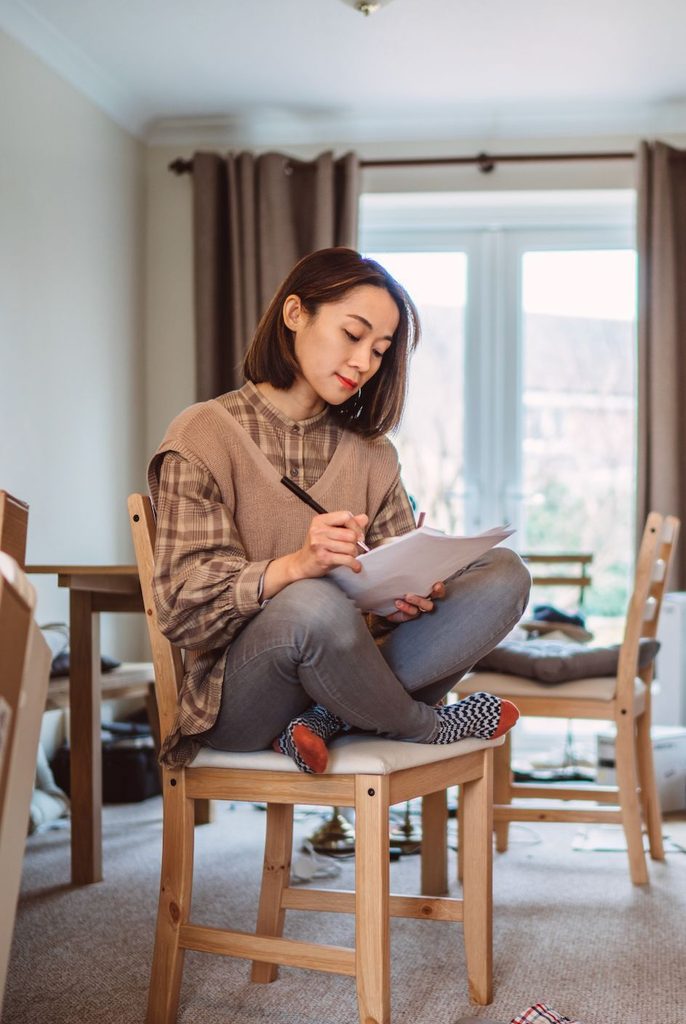
Your first month can reveal spending habits you did not notice before. You may discover that convenience purchases, takeout, subscriptions, or frequent small trips cost more than expected.
Instead of judging yourself immediately, use the information to make better choices. You cannot improve a spending habit you have never noticed.
Look at your transactions and identify patterns that keep appearing. Then decide which habits are useful and which ones need adjusting.
Money management becomes easier when you understand your real behavior instead of relying only on assumptions.
Don’t miss this: 25 Things to Do Before Living on Your Own for the First Time.

16. You May Miss Familiar People More Than Expected
Independence can bring excitement while still making you miss familiar people. You might suddenly wish someone was nearby for ordinary conversations or small moments.
This can happen even when moving away was something you genuinely wanted. Missing people and enjoying your new independence can exist together.
Keep meaningful relationships active instead of waiting for loneliness to become overwhelming. A short conversation can sometimes make a difficult evening feel much lighter.
At the same time, allow yourself to build new relationships. Your new life can hold both old connections and new ones.
17. You Will Discover Your Own Habits
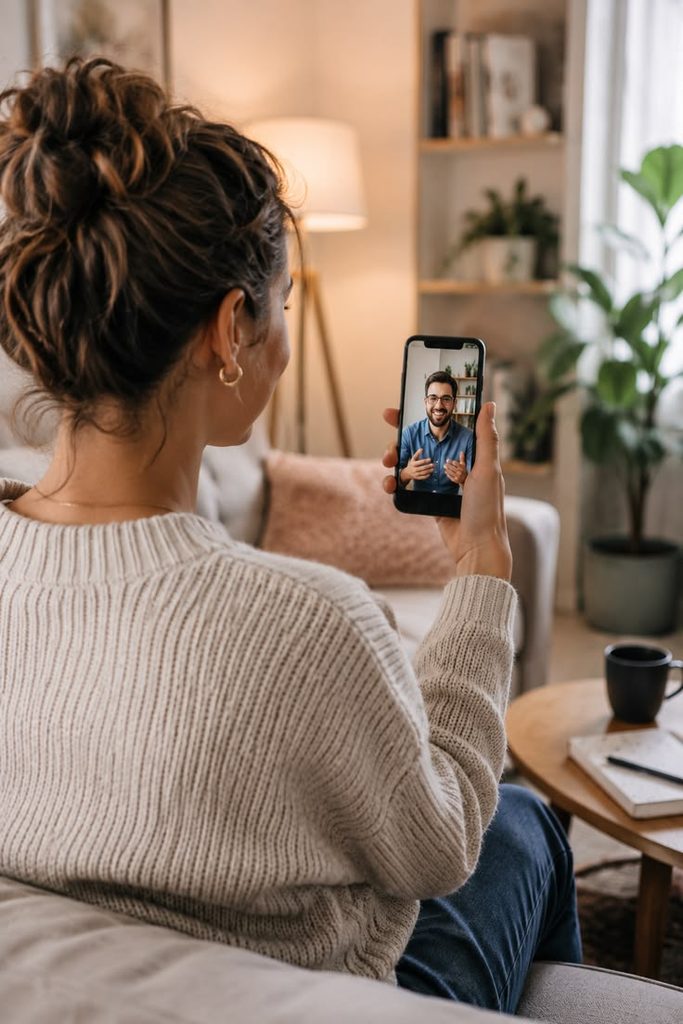
Living independently gives you space to notice how you actually behave. You may discover that you prefer certain routines, foods, cleaning methods, or quiet periods.
Some habits may surprise you in positive ways. Others may show you areas where you need more discipline. Do not expect every habit to change immediately. Start with one or two things that would make your daily life easier.
Your first month is a good time for observation rather than harsh self-judgment. You are learning what works for you.

18. You May Need to Say No More Often
Living independently can introduce new social pressures around money, time, and availability. Friends may invite you out when you need to save or rest.
Saying no can feel uncomfortable when you are used to pleasing people. Still, protecting your budget and energy is part of managing adult life.
You can be kind without agreeing to every invitation. A simple explanation is often enough when you cannot participate.
During my first month living independently, I learned that saying no sometimes protected my peace more than saying yes.

19. Household Supplies Run Out Faster Than Expected
Toilet paper, soap, detergent, toothpaste, cooking ingredients, and cleaning products can disappear quietly. You may only notice them when you suddenly need them.
Keep a basic list of household supplies that need regular replacement. You can check it during your normal shopping routine.
Buying everything in huge quantities may not always make sense, especially when money or storage space is limited. Focus on the things you genuinely use often.
This small habit can prevent unnecessary emergency shopping trips.
20. Your Bills Will Feel More Real
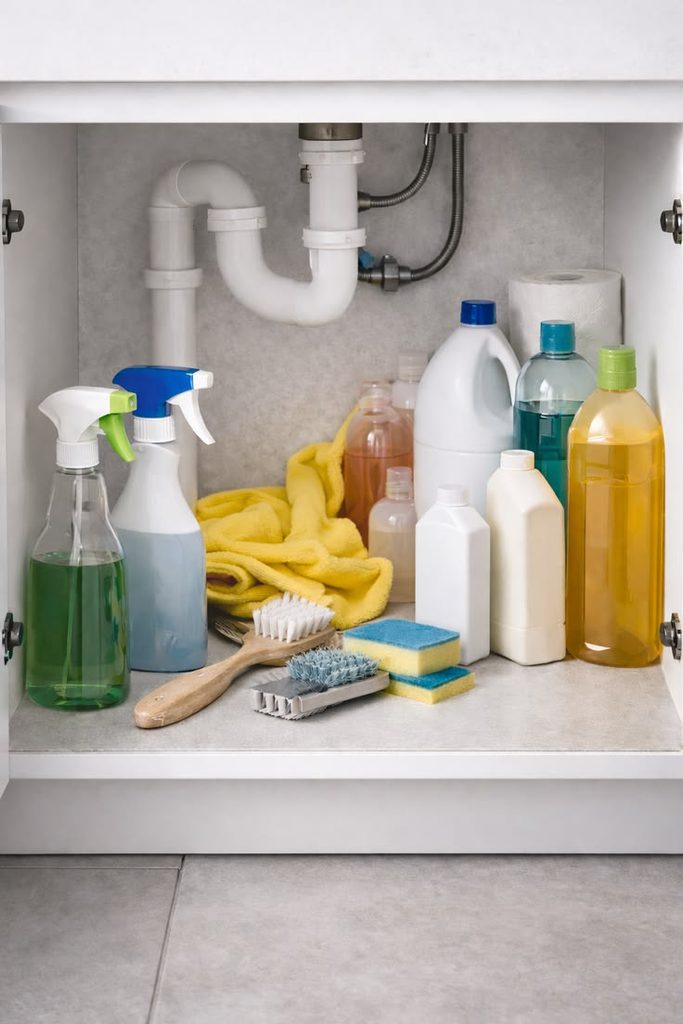
Bills can feel different when your home depends directly on you. You may become more aware of payment dates, service costs, and monthly commitments.
During the first month, check exactly when your bills are due. Put reminders somewhere you will see them before deadlines arrive.
You can also compare your expected costs with your actual expenses. This helps you understand how your new household affects your overall budget.
Don’t wait until you are stressed to learn how your bills work. Understanding them early makes future months easier.
I built a monthly bills tracker into my planner so you can see every due date in one place. See the planner
21. You May Become More Protective of Your Space
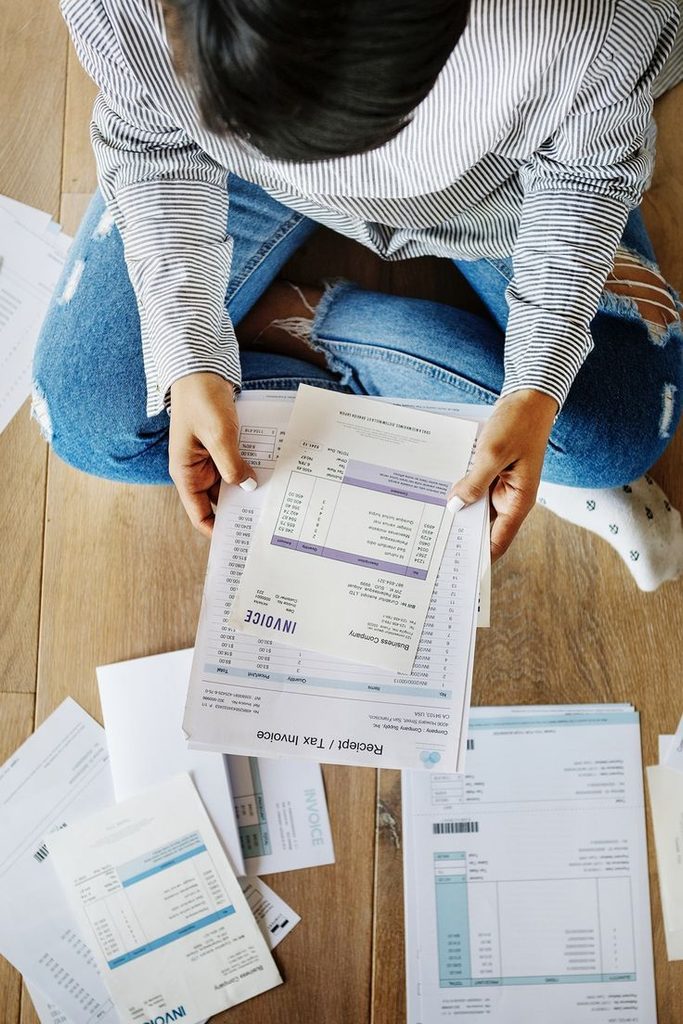
Having your own home can make privacy feel much more valuable. You may suddenly appreciate quiet mornings, closed doors, clean counters, and personal routines.
That does not mean you have become antisocial. It simply means your home has become your personal space.
If you share your home, communicate your expectations respectfully. Talk about guests, noise, cleaning, shared items, and privacy before small issues become arguments.
Clear boundaries can make shared living much easier and more peaceful.
Keep this handy: 35 Adult Responsibilities You May Encounter for the First Time.
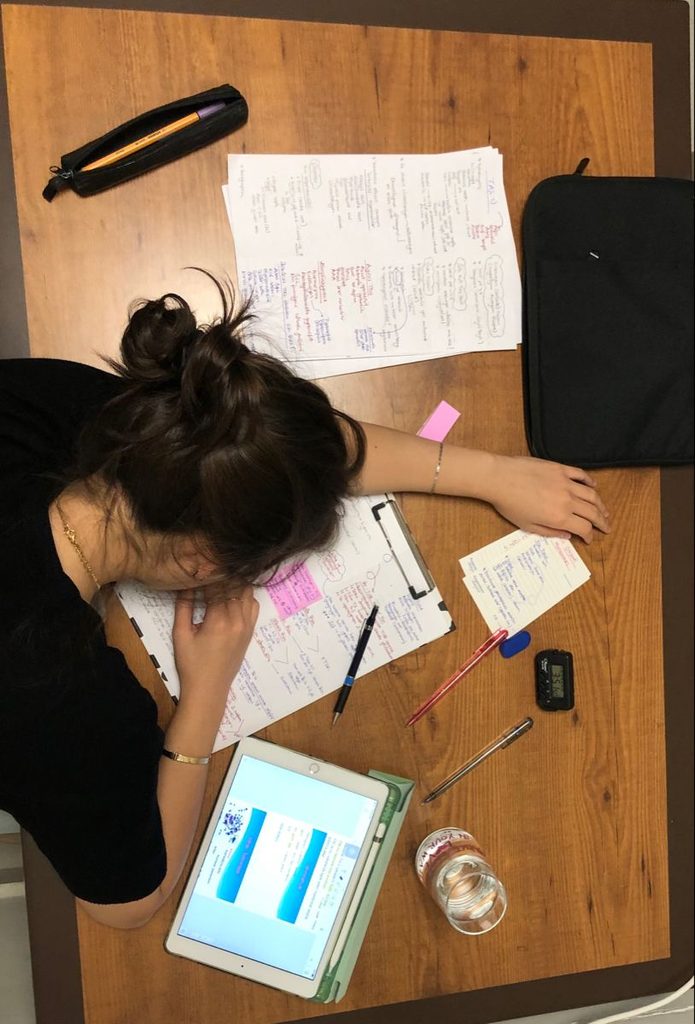
22. You Will Probably Make a Few Mistakes
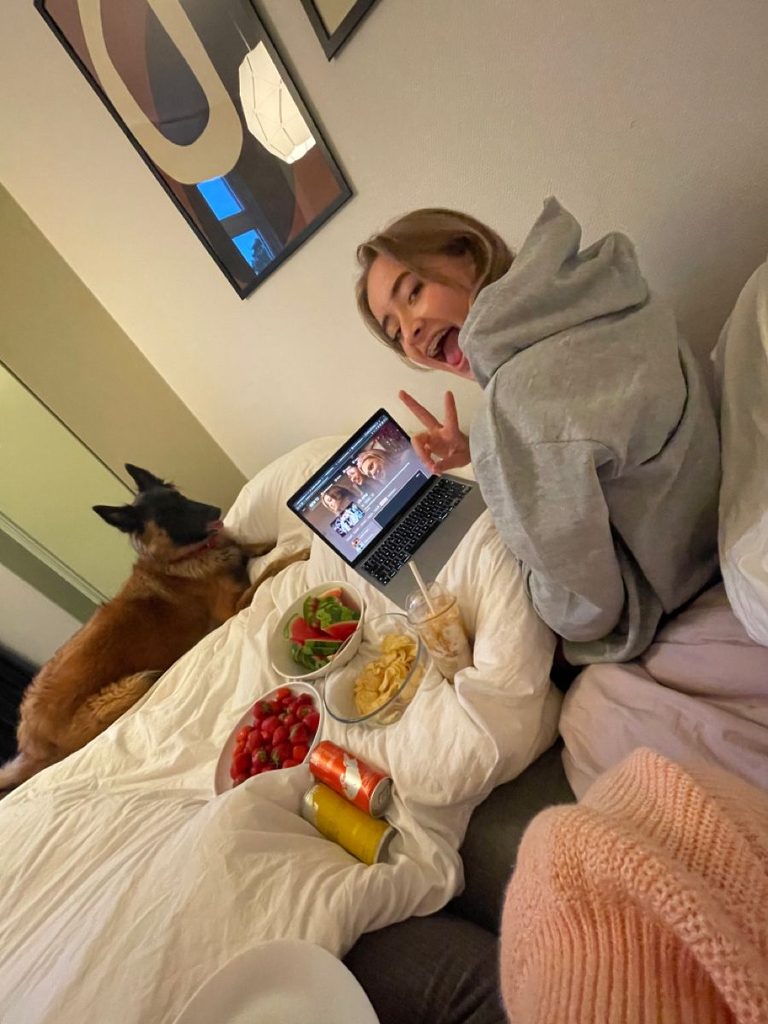
Your first month will not be perfect, and that is completely fine. You may overspend, forget something, buy unnecessary items, or misjudge how long tasks take.
The important thing is learning from those mistakes instead of repeating them without thinking. Each mistake can show you something useful about your new life.
Give yourself enough room to learn without expecting perfection. Nobody becomes completely confident with independent living overnight.
What matters is noticing what went wrong and making a better decision next time.
23. Your Social Life May Change
Living independently can change how often you see friends and family. Travel distances, work schedules, money, and household responsibilities can all affect your social plans.
You may find yourself becoming more selective about outings. Sometimes staying home and resting will make more sense than going somewhere expensive.
That does not mean your social life needs to disappear. It simply means you may need to plan it differently. Look for affordable ways to maintain connection while respecting your new responsibilities.

24. You Will Learn to Solve Problems Yourself
A small household problem can teach you more confidence than expected. You may need to research an issue, call someone, compare options, or try a simple solution.
At first, you might feel unsure about handling problems alone. With practice, the same situations can become much less intimidating.
Do not be afraid to ask for help when something is beyond your knowledge. Independence means taking responsibility, not pretending you know everything.
You become more capable each time you handle a problem thoughtfully.
25. Your Home May Get Messy Before You Notice
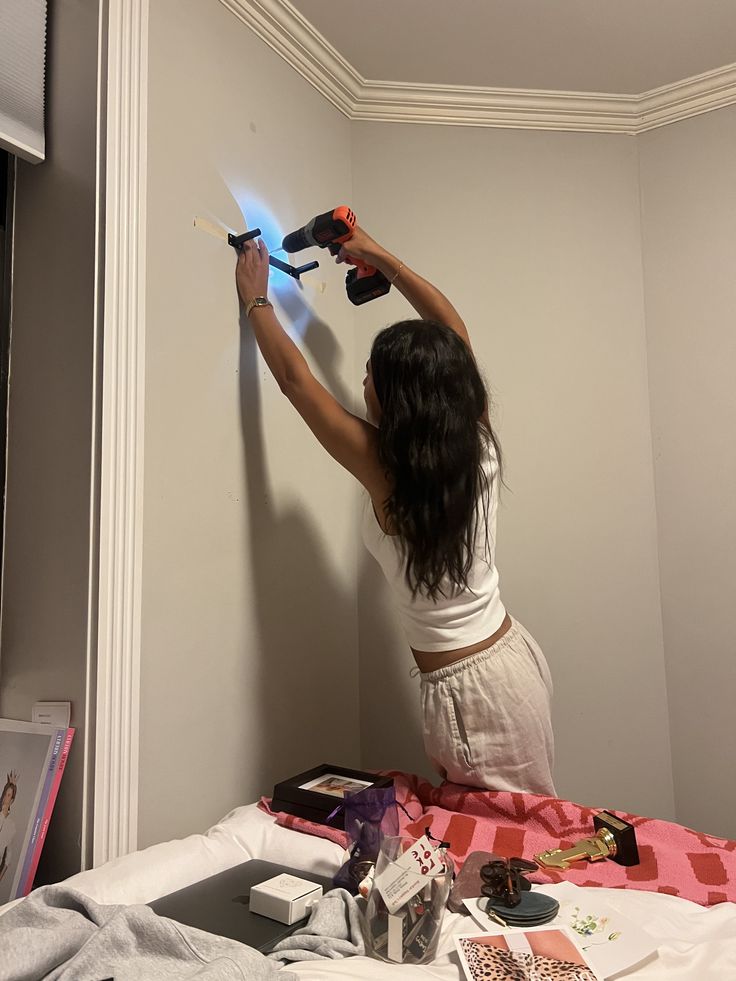
A busy week can quickly leave dishes, clothes, papers, and belongings scattered around your space. Since nobody else is responsible for cleaning it, the mess can continue growing.
The easiest solution is usually handling small tasks before they become large ones. Washing a few dishes now can feel much easier than facing a full sink later.
You do not need to clean constantly. Short, regular efforts can keep your home comfortable without taking over your entire weekend.
Your future self will appreciate the few minutes you spend keeping things under control.
26. You Will Start Planning Ahead More
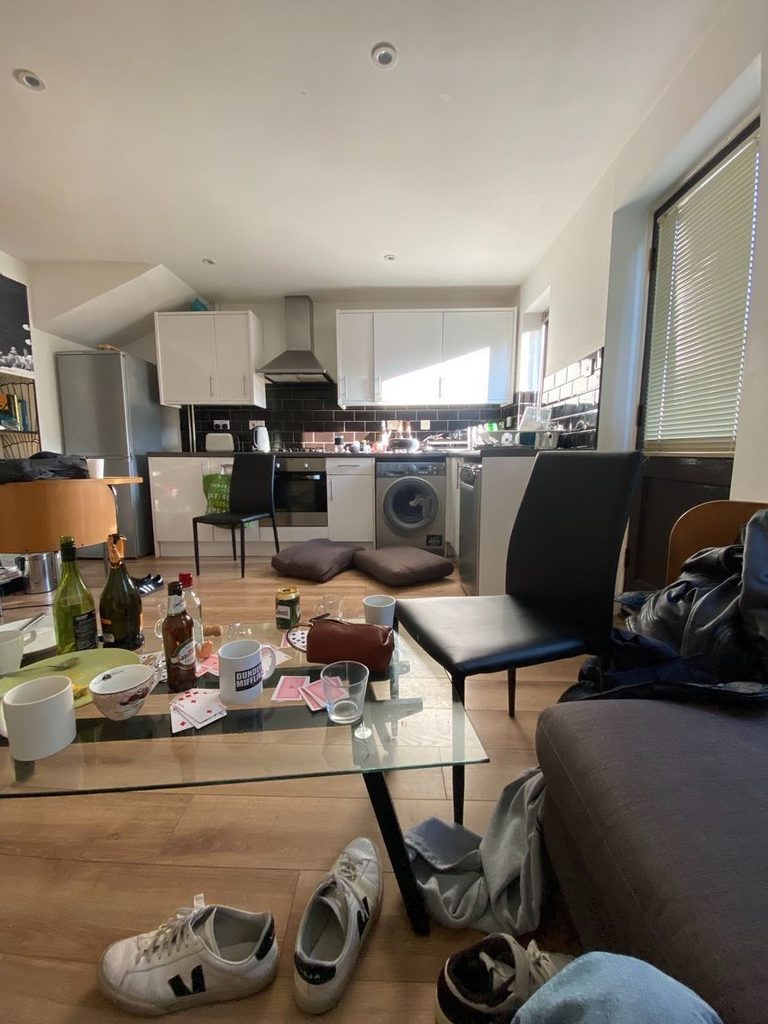
Independent living can teach you to think beyond today. You may begin checking your calendar before making plans because you know other responsibilities are waiting.
You might also start planning meals, shopping, transportation, bills, and appointments earlier. This does not happen overnight, but experience makes it easier.
Planning ahead can reduce last-minute spending and unnecessary stress. It also gives you more control when several responsibilities arrive during one week.
Your first month can become the beginning of stronger planning habits for the future.
27. You May Rethink Your Priorities
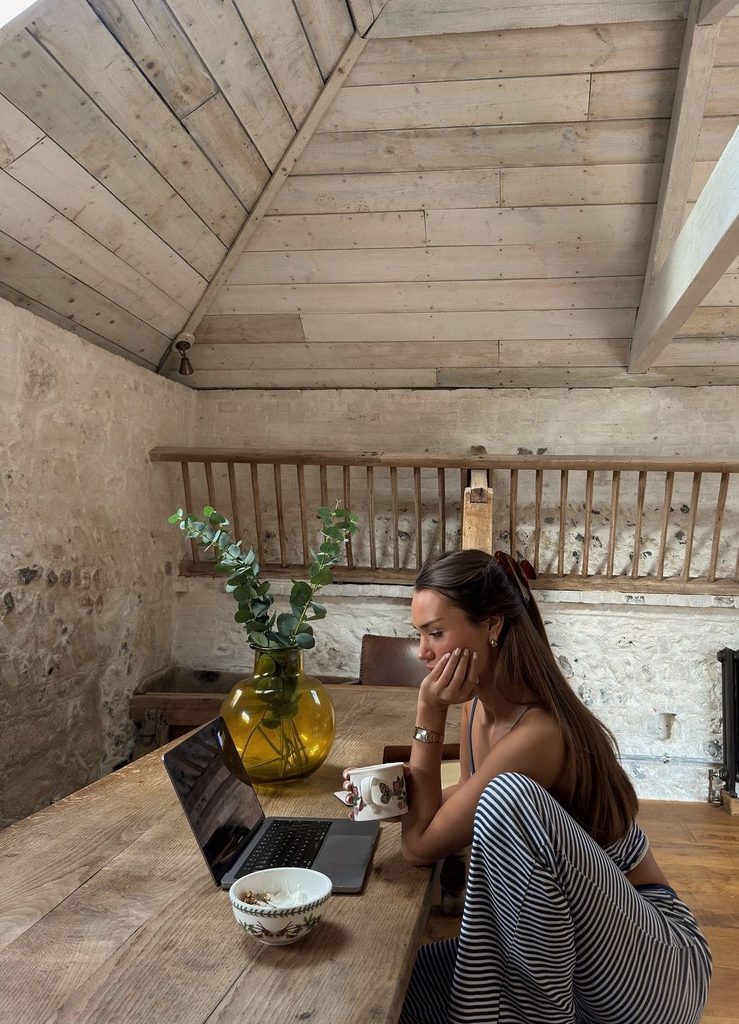
Living independently can change how you view money, time, relationships, work, and personal space. Things that once seemed important may suddenly feel less valuable.
At the same time, ordinary things can become more meaningful. A quiet evening, affordable meal, clean home, or uninterrupted sleep may feel surprisingly satisfying.
Let yourself notice these changes without forcing them. Growing into adulthood often means discovering what genuinely matters to you.
Your first month is only the beginning of that process.
See what everyone’s talking about: 25 Things to Know Before Buying Your First Car.

28. You Will Need Personal Discipline
Nobody may remind you to wake up, clean, save money, complete errands, or prepare for tomorrow. That freedom can be wonderful, but it also requires personal discipline.
You may discover that motivation comes and goes. Routines can help you keep moving even when you are not particularly motivated.
Start with manageable habits instead of trying to change your entire life immediately. Consistency usually becomes easier when expectations are realistic.
Independent living teaches you that discipline is often about doing ordinary things even when nobody is watching.
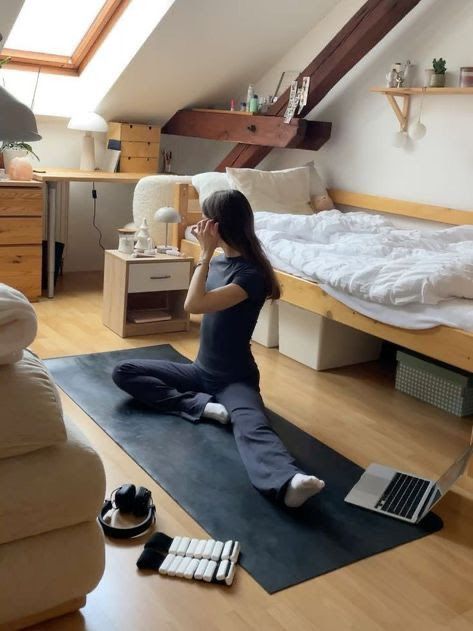
29. Your First Month May Cost More Than Later Months
The first month can involve unusual expenses that will not continue forever. You might need household items, deposits, transportation, basic furniture, or setup services.
Do not assume your first month’s spending represents your normal monthly budget. Some costs are connected specifically to getting settled.
Still, pay attention to those expenses because they can affect your available savings. Keep records so you understand which costs were temporary and which will continue.
This can help you create a more accurate budget for your second month.
The planner’s first-month spending review separates one-time setup costs from your regular monthly expenses, so you can see what a typical month really costs.

30. You May Need More Rest Than Expected
Moving into independent living involves mental and physical adjustment. Even enjoyable changes can leave you tired after handling many new responsibilities.
You may spend several days unpacking, shopping, cleaning, working, organizing, and learning your surroundings. That can become exhausting quickly.
Make rest part of your routine instead of treating it like wasted time. Your home should eventually become a place where you can recover from busy days. You are building a life, not completing a race.

31. You Will Start Feeling More Capable
One of the best parts of the first month is noticing small signs of confidence. You may handle a bill, solve a household issue, cook dinner, or organize your week without much help.
Those moments can feel ordinary while they happen. Still, they show that you are becoming more capable.
Do not overlook small progress because it does not look dramatic. Independence grows through many ordinary moments that gradually become normal.
By the end of your first month, you may already be doing things that once seemed intimidating.

32. You May Change Your Home Setup
After living in your space for several weeks, you may notice that some arrangements do not work well. Furniture might need moving, storage may need changing, or certain items may need replacing.
That is part of settling in. Your first setup does not need to remain permanent.
Pay attention to how you naturally use each room. Then make changes that improve comfort, movement, storage, and everyday convenience.
A useful home is built through experience, not simply through the first arrangement you create.
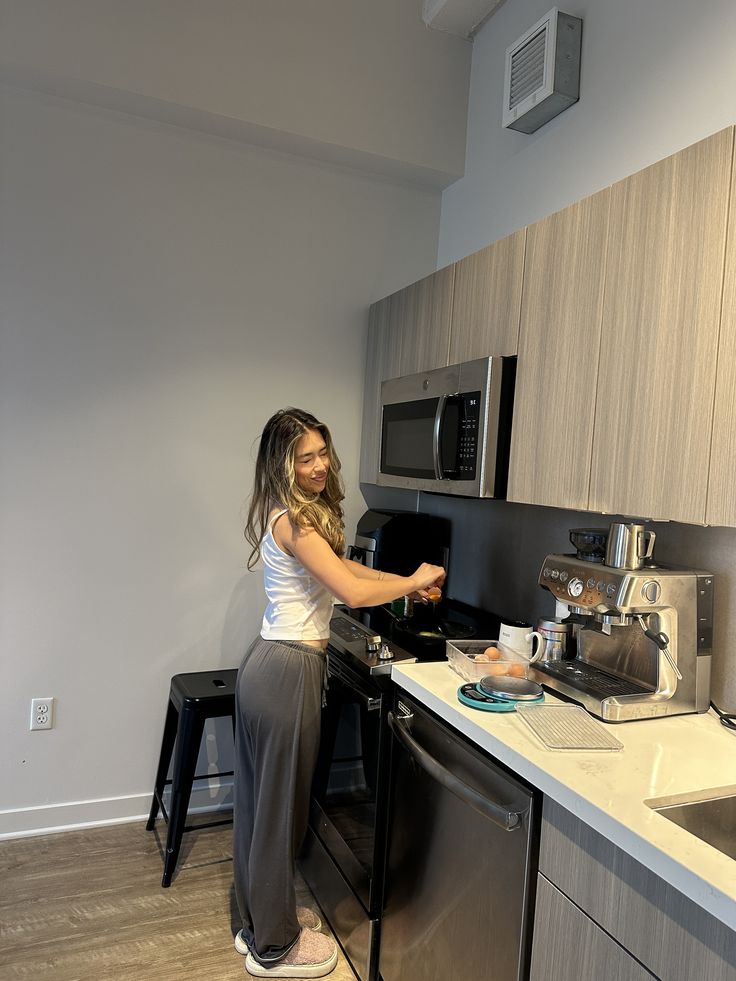
33. You Will Learn More About Yourself
Independent living can reveal parts of your personality that were harder to notice before. You may discover that you enjoy quietness, planning, cooking, decorating, or having complete control over your routine.
You may also notice areas where you need more patience or discipline. That awareness can become valuable if you use it to improve gradually.
During my first month living independently, I became much more aware of how strongly my routines affected my mood and productivity.
Give yourself permission to learn without turning every discovery into criticism.
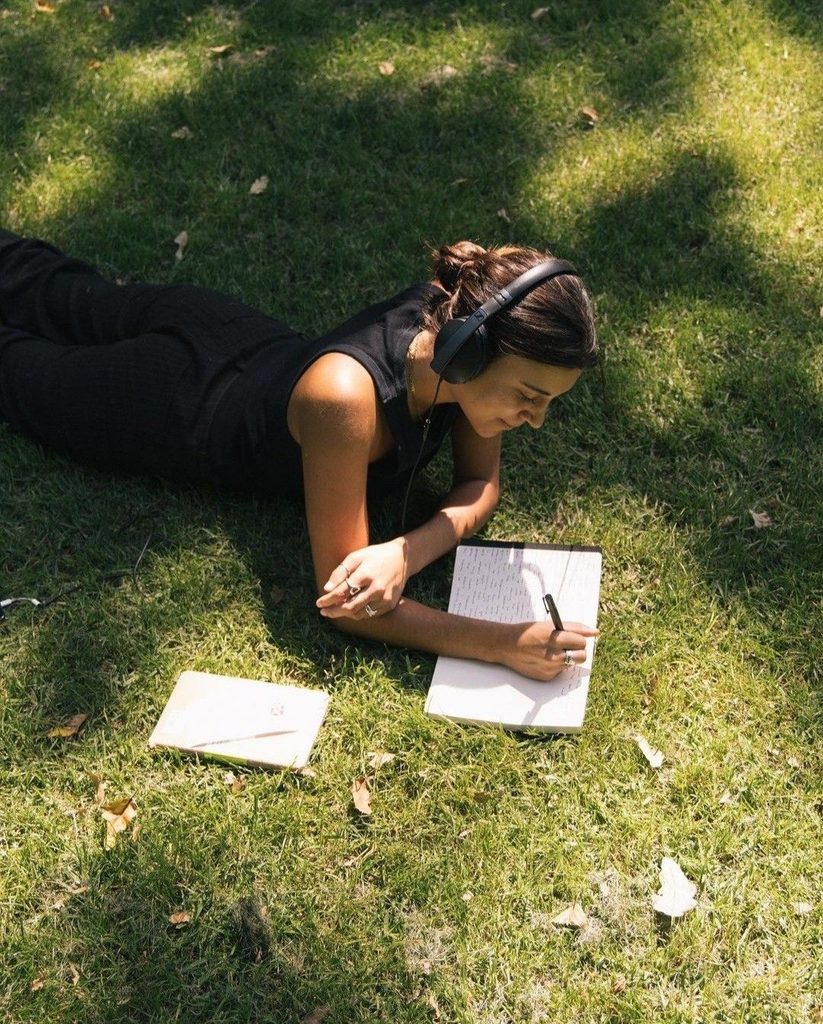
34. You Will Slowly Create Your Own Definition of Home
At first, home may simply mean the place where your belongings are sitting. With time, it becomes the place connected to your routines, memories, comfort, and personal choices.
You will decide how you want your mornings to feel and how your evenings should work. You will create little habits that make the space feel familiar.
That process cannot always be rushed. Some homes feel comfortable quickly, while others need more time and personal touches.
Eventually, ordinary routines can make the place feel truly yours.
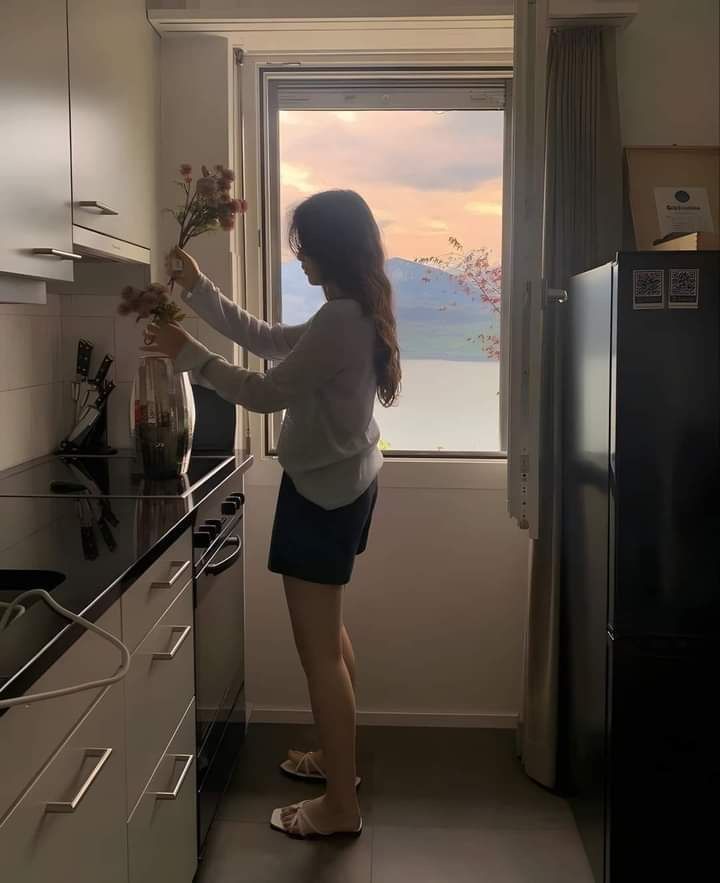
35. The First Month Is Only the Beginning
Your first month of independent living is not a final test of adulthood. It is simply your introduction to a new way of managing everyday life.
You may make mistakes, feel lonely, spend unexpectedly, change routines, and still have moments when you feel incredibly proud. All those experiences can exist together.
Give yourself time to become comfortable with your responsibilities. You are learning how to manage money, space, time, relationships, and personal choices.
Most importantly, remember that independence does not mean doing everything perfectly. It means becoming more capable of handling life, learning from mistakes, and making better decisions.
Save this idea: 45 Life Skills to Learn Before Living on Your Own.

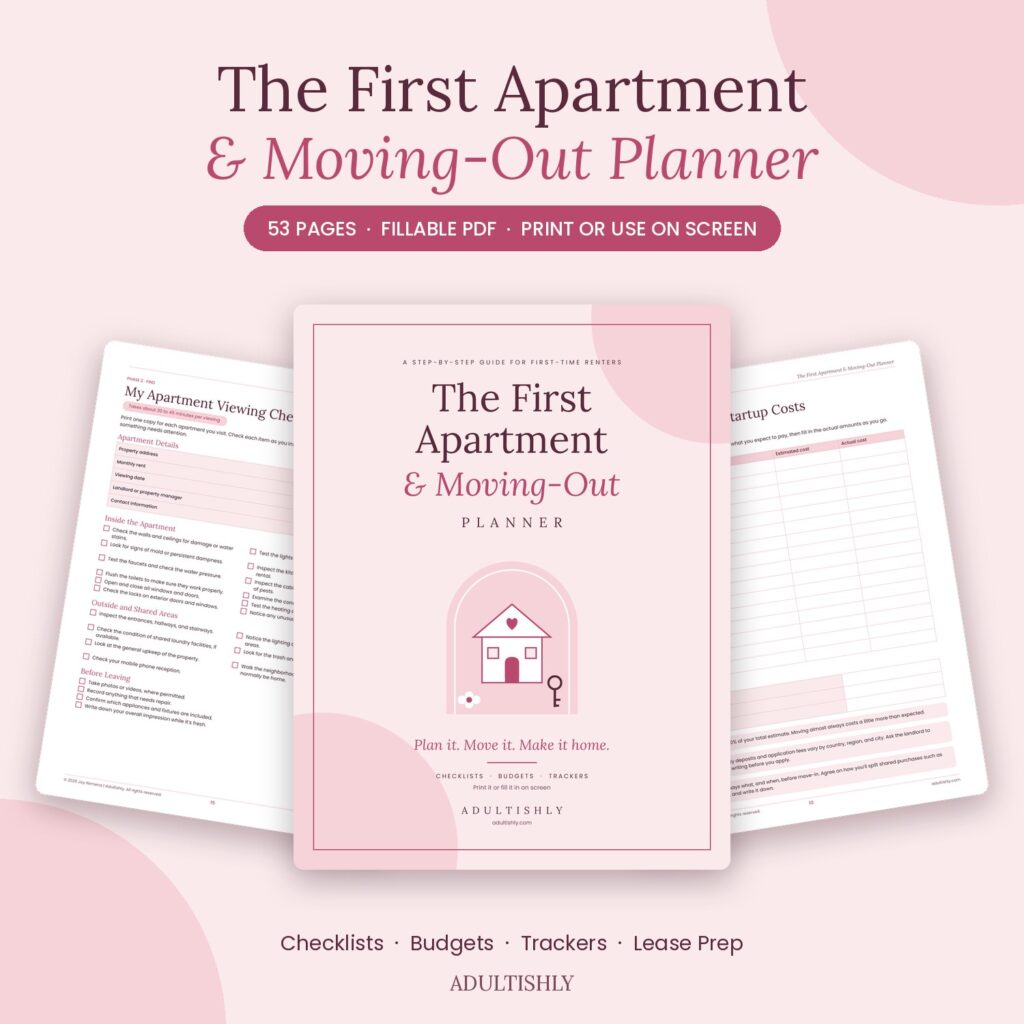
Your first month, mapped out.
The First Apartment & Moving-Out Planner has first-week and first-month checklists, a spending review, a bills tracker, and a maintenance log in one fillable PDF. [Get the Planner]
Final Thoughts
Your first month of independent living may be exciting, messy, expensive, peaceful, tiring, and surprisingly rewarding. Some days will feel like you have everything under control, while others may feel completely different.
That is part of becoming comfortable with your new responsibilities. You are not supposed to know every answer immediately after moving into your own place.
Give yourself time to create routines that fit your actual life. Learn from your spending, notice your habits, and pay attention to what makes your home feel comfortable.
You will probably make mistakes during the process, but those mistakes can become useful lessons. Every bill you manage, meal you prepare, problem you solve, and routine you create builds confidence.
Independent living becomes easier when you stop expecting perfection. Take each day as it comes, keep learning, and remember that your first month is only the beginning.
Leave a Reply