Living on your own sounds exciting until you realize you are responsible for almost everything, from cooking and cleaning to managing money and handling unexpected expenses.
That freedom can feel amazing but overwhelming at first. You do not need to know everything before moving out. You simply need basic skills to manage everyday life confidently.
I learned that small skills often matter more than impressive ones. Knowing how to cook simple meals saves money, while cleaning properly makes your home more comfortable.
The good news is that you can practice these skills before moving. Learning them gradually can make independent living easier, calmer, and more manageable.
If you are preparing for your first move, Start here: 35 Things Nobody Tells You About Moving Out for the First Time.
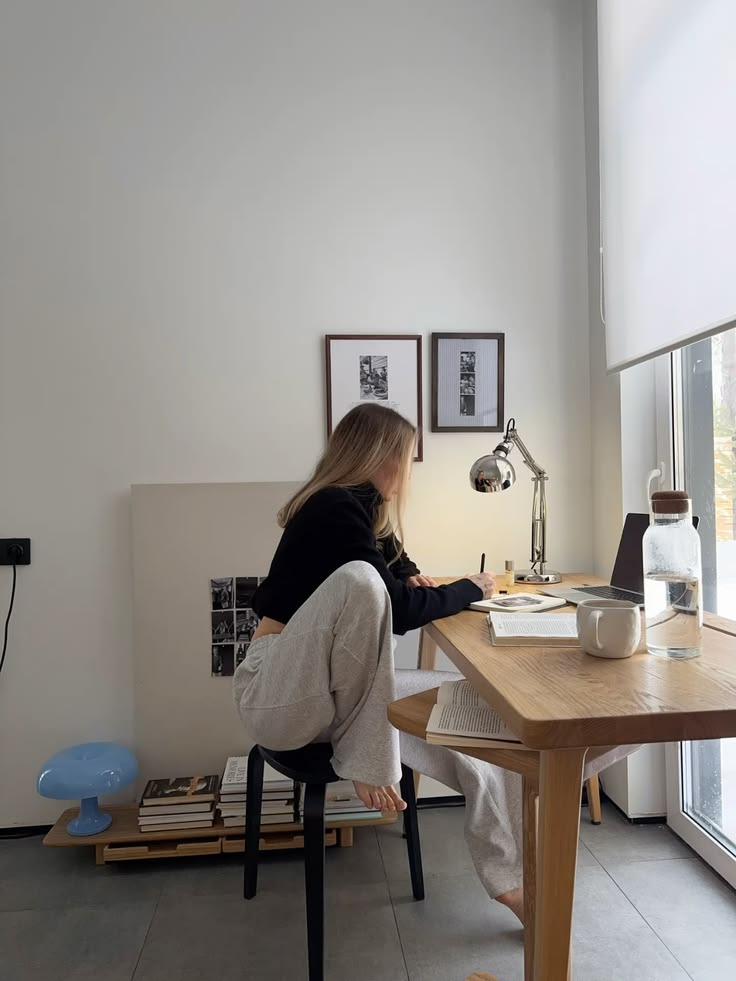
45 Life Skills to Learn Before Living on Your Own
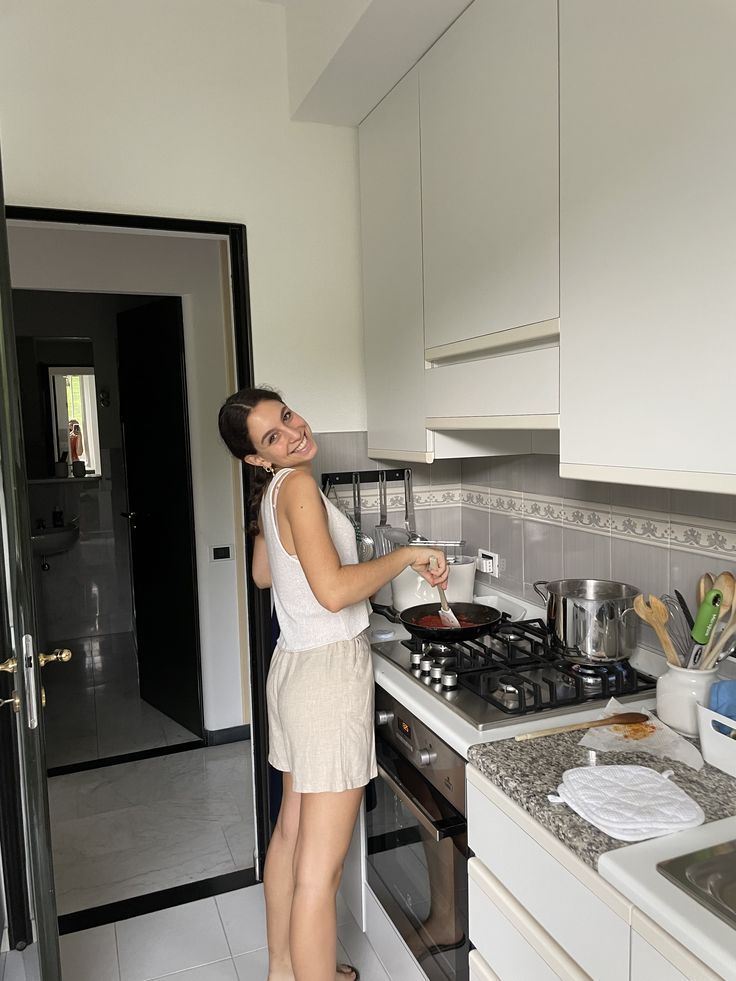
1. Learn How to Cook Simple Meals
You do not need to become a professional cook before living on your own. However, knowing several simple meals can make independent life much easier.
Learn to prepare affordable meals using basic ingredients, such as rice, pasta, eggs, vegetables, sandwiches, and soups.
Cooking gives you more control over your money and eating habits. It also reduces your dependence on takeout when you feel tired.
Practice meals you enjoy, learn how to store leftovers, and clean up afterward. The goal is simply to feed yourself comfortably without spending too much.
You might also love this: What to Do Before Signing Your First Lease
2. Learn Basic Grocery Shopping
Grocery shopping becomes different when you are spending your own money. You must think beyond what looks good on the shelf.
Before shopping, check what you already have and write down what you need for the next several days.
Compare prices, sizes, and quality to find options that suit your budget. Avoid buying items simply because they are discounted, especially when you do not need them.
Over time, you will learn which foods belong on your regular shopping list, making shopping easier and helping you manage your money.
Read this next: How to Prepare Financially Before Living on Your Own

3. Learn How to Budget Your Money
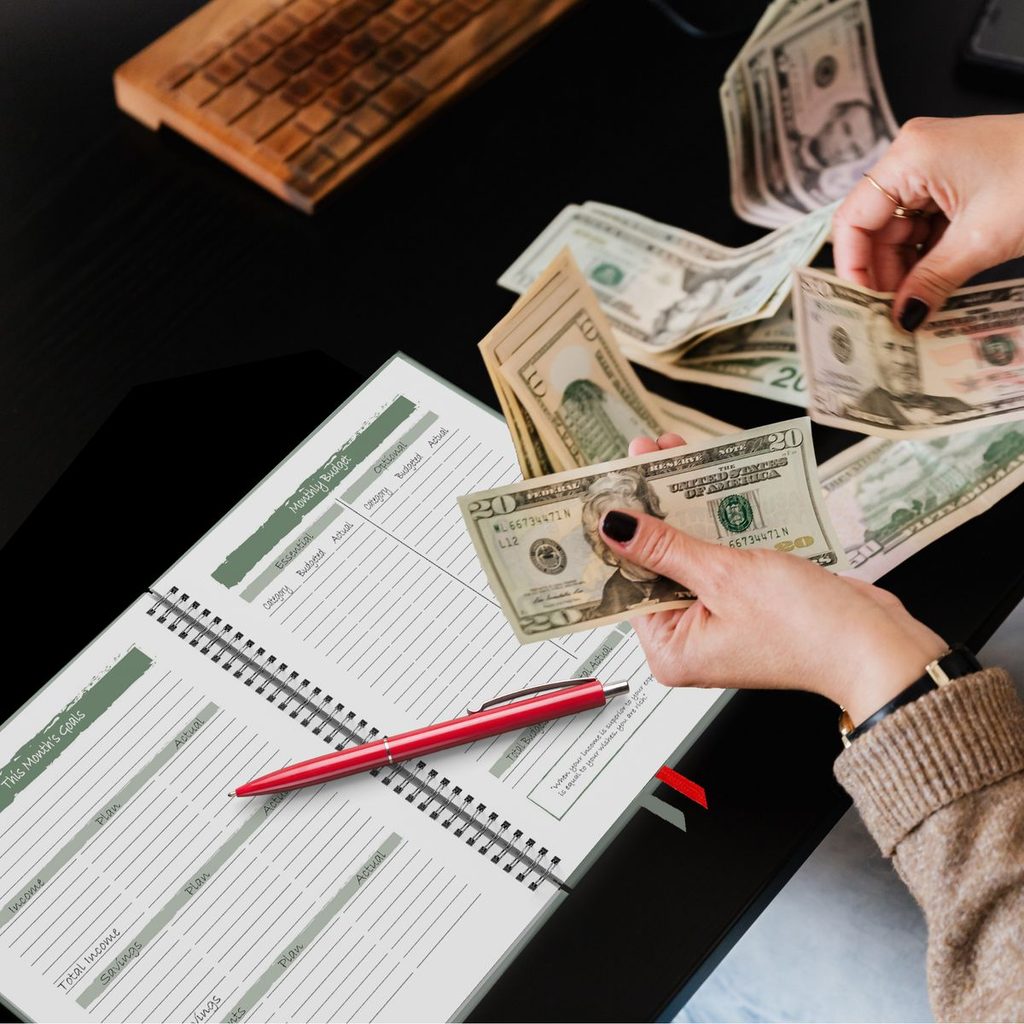
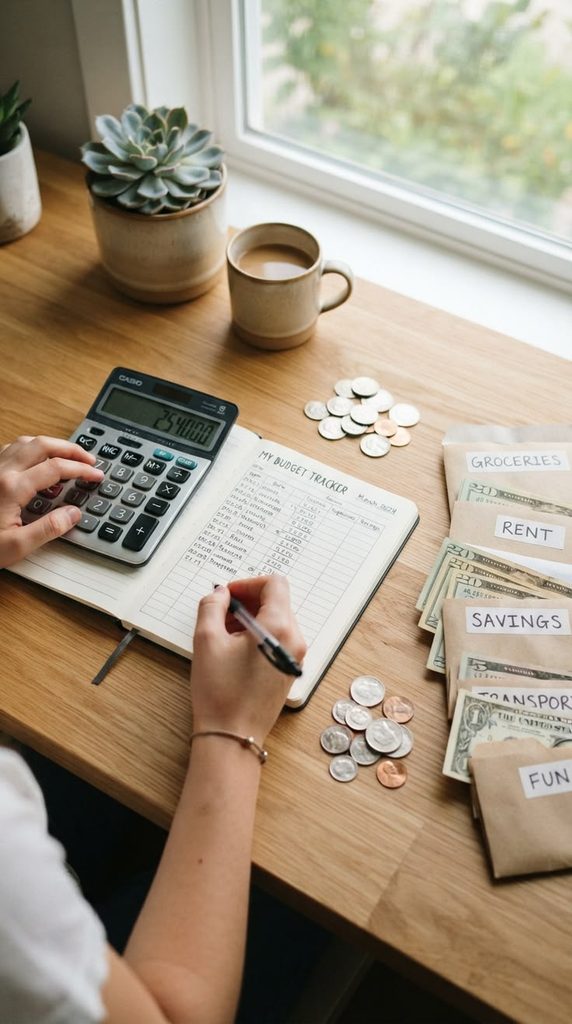
Budgeting is essential when living alone because your income must cover rent, food, bills, transportation, and unexpected expenses.
Start practicing with the money you currently receive. Give each major expense a place in your monthly plan and set aside something for emergencies whenever possible.
I learned that small purchases could quietly ruin a budget because they happen so often. A budget should help you understand your money, not make you afraid of spending it.
Continue reading here: How to Navigate Your First Month of Independent Living
4. Learn How to Track Your Spending
Creating a budget is only half the job. You also need to know where your money goes.
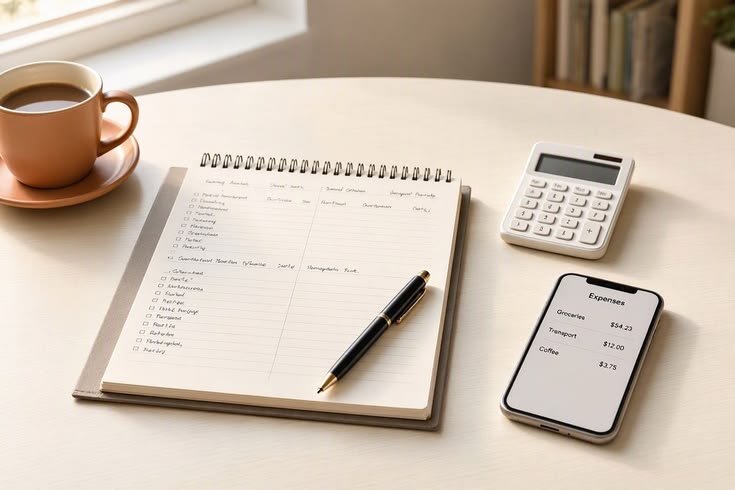
Track your daily spending, including snacks, transport, subscriptions, and household items. You may discover that certain expenses cost more than expected.
Tracking helps you spend intentionally without giving up every small pleasure. Use a notebook, phone app, or spreadsheet to monitor your spending consistently.
You’ll love this too: What to Expect During Your First Week Living Alone
5. Learn How to Pay Bills on Time
Missing bill payments can create unnecessary stress and additional costs. Create a system for remembering due dates using calendar reminders or phone alerts.
Keep a record of what you owe and when payments are due. Set aside bill money before spending on less important things.
Learning this skill early helps you stay organized, avoid unpleasant surprises, and build a reliable routine around your responsibilities.
6. Learn Basic Laundry Skills
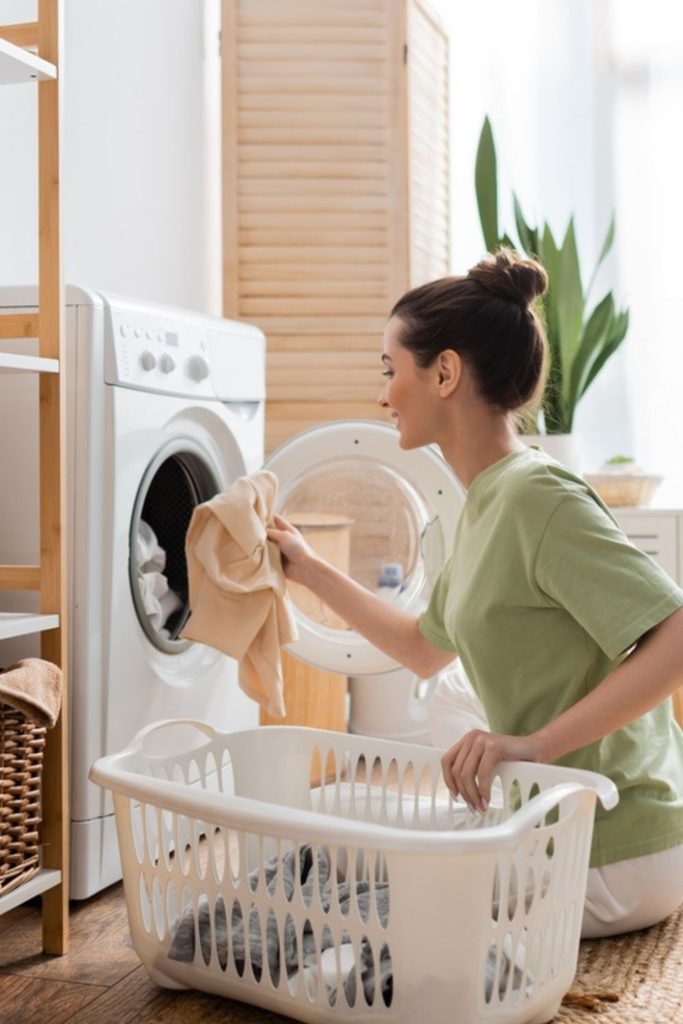
Laundry can go wrong when you mix colors, shrink clothes, or use too much detergent. Learning the basics can save you unnecessary trouble.
Read clothing labels, separate clothes when needed, and use suitable water temperatures. Learn how much detergent to use and how to dry different fabrics properly.
Practice washing your clothes before moving out. With time, laundry will become a simple part of your routine.
Don’t stop here: How to Prepare for Your First Utility Bills
7. Learn How to Clean Your Home
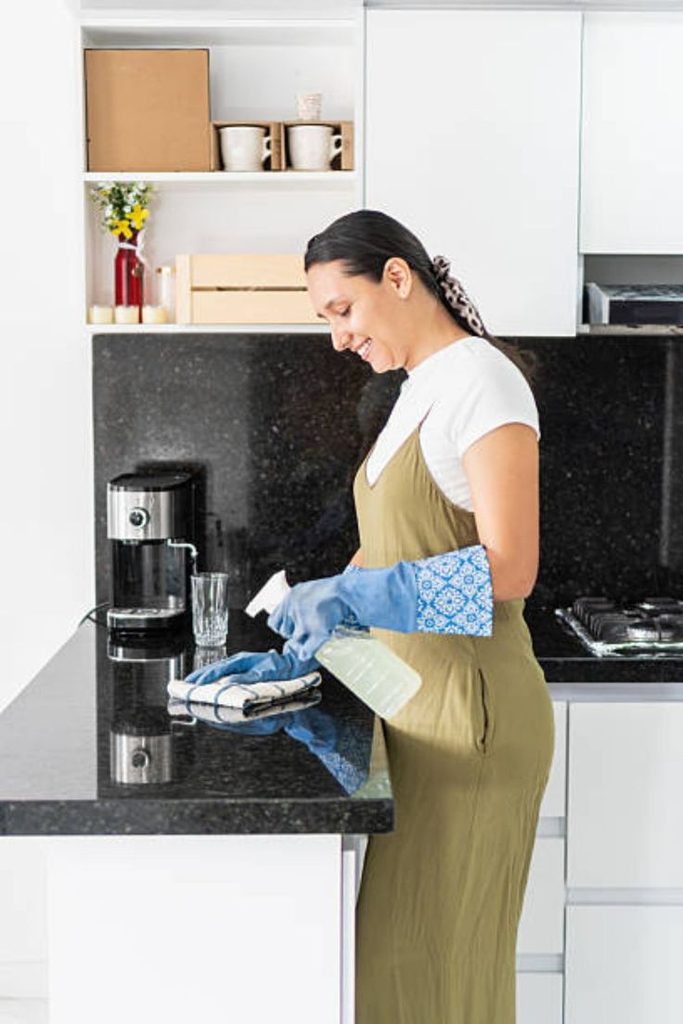
Cleaning becomes your responsibility when nobody else is doing it for you. Learn to clean floors, bathrooms, kitchen surfaces, sinks, and frequently touched areas using suitable products.
Create a simple cleaning routine to prevent mess from becoming overwhelming. Also, learn which cleaning products should never be mixed, as some combinations can create dangerous fumes.
A clean home looks better, feels more peaceful, and makes independent living more enjoyable.
Find even more inspiration: 35 Things Nobody Tells You About Moving Out for the First Time
8. Learn Basic Home Maintenance
You do not need to become a professional repair person before moving out. Still, a few basic maintenance skills can save you time and money.
Learn how to replace batteries, tighten loose screws, unclog simple drains, reset certain appliances, and replace basic household items.
You should also know where your important switches, breakers, valves, and shutoffs are located. Ask your landlord or property manager about anything you do not understand.
Never attempt complicated repairs simply to avoid calling someone. Some problems require professional attention for safety reasons.The goal is knowing what you can handle and recognizing when you need help.
Keep the ideas coming: How to Build Confidence During Your First Year of Adult Life

9. Learn How to Organize Your Space
A small home can become stressful when everything lacks a proper place. Give everyday items, such as keys, clothes, documents, and kitchen supplies, designated spots.
Avoid keeping things you rarely use, as they can make your space feel crowded. Rearrange what you already own before buying extra storage. An organized home makes everyday routines easier, faster, and calmer.
More ideas you’ll love: How to Manage the Responsibilities of Living on Your Own

10. Learn Basic Meal Planning
Meal planning does not mean preparing thirty meals every Sunday. It simply means knowing roughly what you plan to eat.
Think about several breakfasts, lunches, and dinners you can rotate throughout the week. Choose meals that share ingredients when possible.
For example, vegetables bought for one dinner can sometimes become part of another meal. This reduces waste and makes grocery shopping easier.
Meal planning can also stop you from ordering food simply because you cannot decide what to eat.
Keep the plan flexible because unexpected days happen. The goal is convenience, not creating another stressful responsibility.
Discover more: What to Expect When You Move Out for the First Time
11. Learn How to Manage Your Time
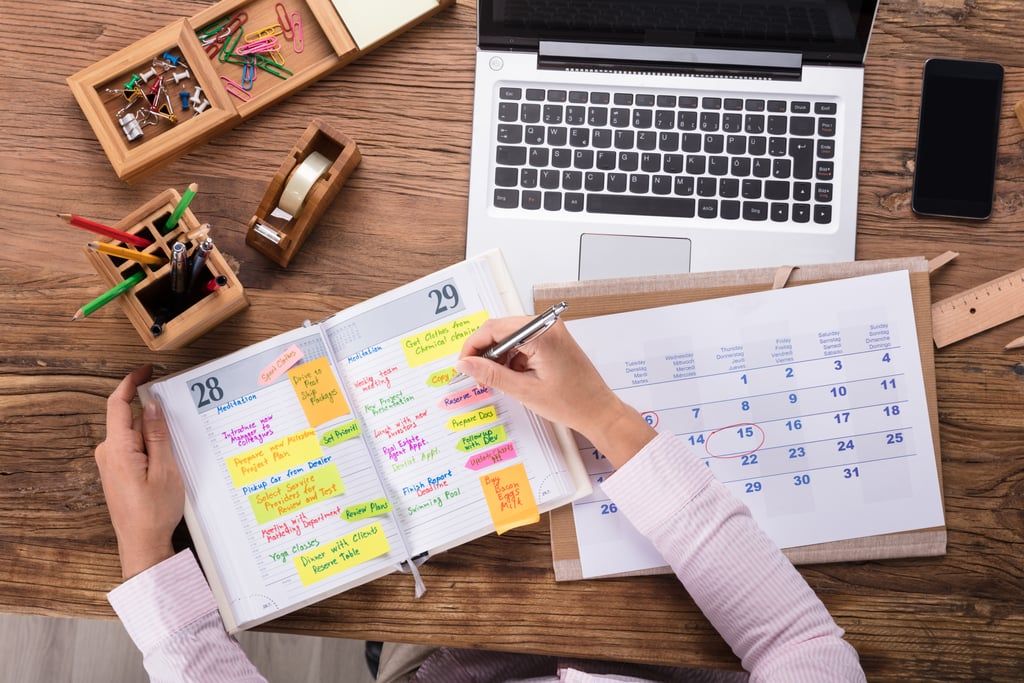
Living alone gives you freedom, but nobody may be checking if you completed important tasks. Time management helps you avoid constantly feeling behind.
Learn to balance work, school, chores, rest, errands, relationships, and personal goals. Give important tasks a realistic place in your schedule.
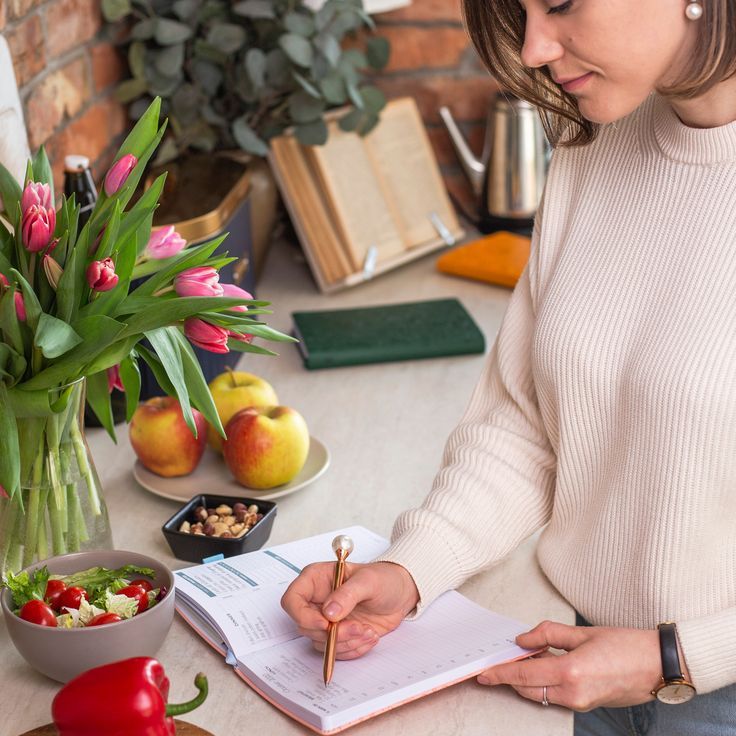
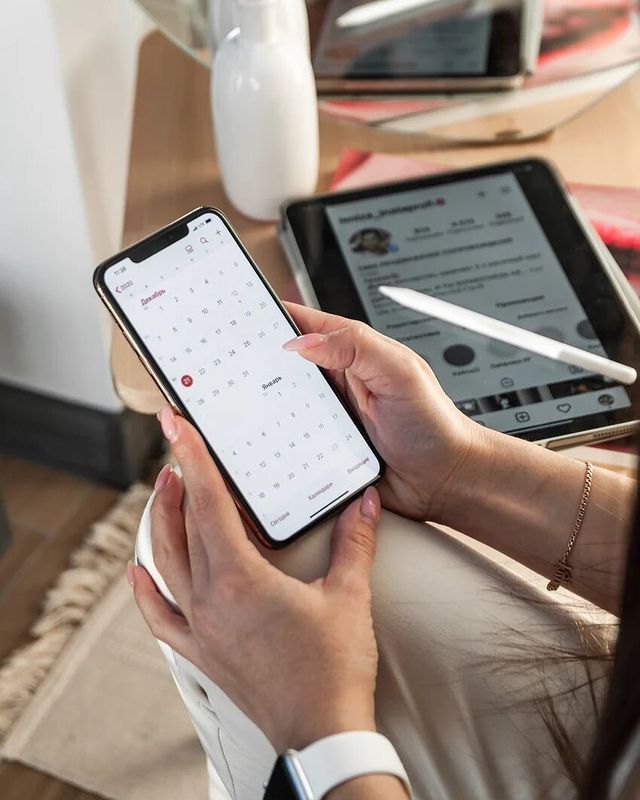
Do not fill every hour with responsibilities. Rest is also part of managing your time well. You can use calendars, reminders, planners, or simple phone notes. Find the method that makes your life easier.
Good time management is really about knowing what deserves your attention today.

12. Learn How to Make Appointments
Appointments become part of independent adult life surprisingly quickly. You may need appointments for healthcare, banking, repairs, interviews, documents, or other services.
Learn how to contact people professionally and ask for available times. Keep appointment details somewhere you can find them easily.
Always check the date, location, time, and anything you need to bring. Setting reminders can prevent unnecessary missed appointments.
You should also learn how to cancel or reschedule respectfully when something changes. These small habits help you become dependable without making appointments feel complicated.
Get inspired: How to Prepare for Your First Apartment Viewing
13. Learn How to Communicate Clearly
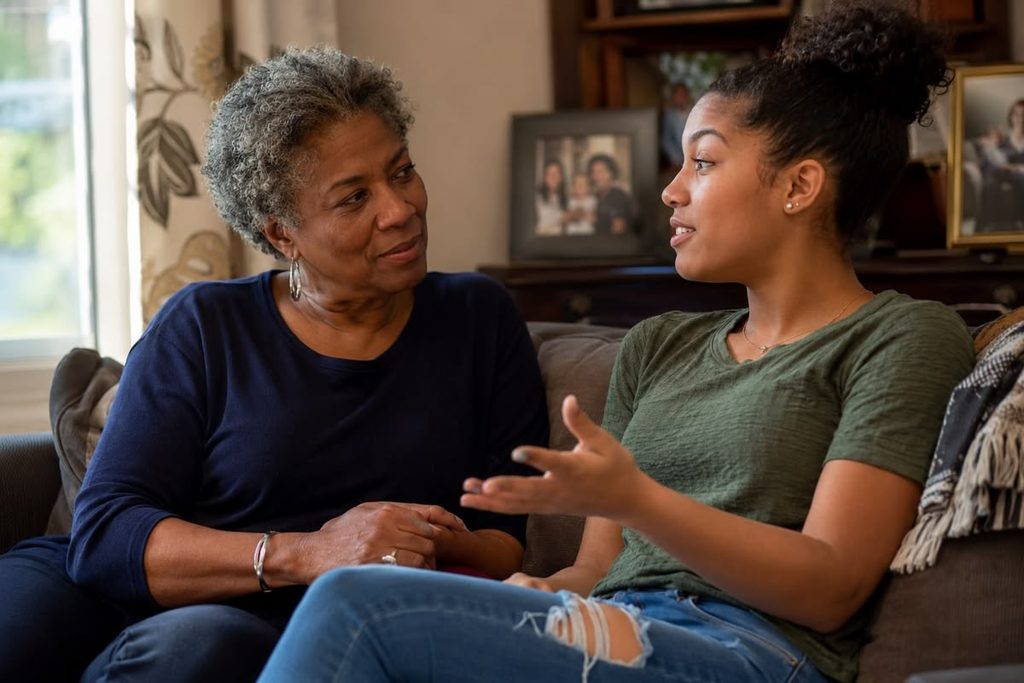
Good communication can prevent many everyday problems. You need to explain what you need without being rude, unclear, or unnecessarily aggressive.
Practice asking questions when you do not understand something. Speaking up early is often easier than allowing confusion to grow.
You may need to communicate with landlords, coworkers, neighbors, service providers, roommates, or family members.
Learn how to send clear messages and make simple phone calls. It can feel uncomfortable initially, but confidence comes through practice.
Clear communication also means listening carefully instead of planning your response while someone speaks.
Keep this guide nearby: 25 Things to Figure Out Before Starting Life in a New City.

14. Learn How to Handle Difficult Conversations
Living independently does not remove conflict from your life. You may disagree with roommates, neighbors, coworkers, landlords, or people you care about.
Learn to address problems without immediately becoming defensive. Explain what happened, describe how it affected you, and focus on finding a reasonable solution.
Avoid sending angry messages when emotions are high. Give yourself time to calm down before responding. At the same time, do not ignore serious problems simply because confrontation feels uncomfortable.
Healthy communication means respecting yourself while still treating other people fairly.

15. Learn How to Ask for Help
Independence does not mean doing everything alone. Knowing when to ask for help is actually an important life skill.
You might need help understanding a bill, fixing something, moving furniture, finding a service, or handling an unfamiliar situation.
Choose trustworthy people who can give useful advice. You do not have to feel embarrassed because you do not know something yet.
During my first major move, I learned that asking one simple question could save hours of unnecessary stress. Asking for help does not make you incapable. It shows that you care about handling the situation correctly.
Steal these ideas: How to Prepare for Your First Grocery Shopping Trip
16. Learn How to Grocery Shop on a Budget
A grocery budget becomes easier when you understand your own habits. Start by identifying foods you regularly eat and ingredients you can use in several meals.
Check what you already have before buying more. This simple habit can prevent duplicates and reduce unnecessary spending.
Learn to compare prices instead of automatically choosing the first product you see. Still, do not sacrifice quality simply for the lowest possible price.
Buying large quantities only makes sense when you can use them before they spoil. Waste can quickly cancel out supposed savings.
Over time, grocery shopping becomes much easier because you learn your own patterns.

17. Learn How to Store Food Safely
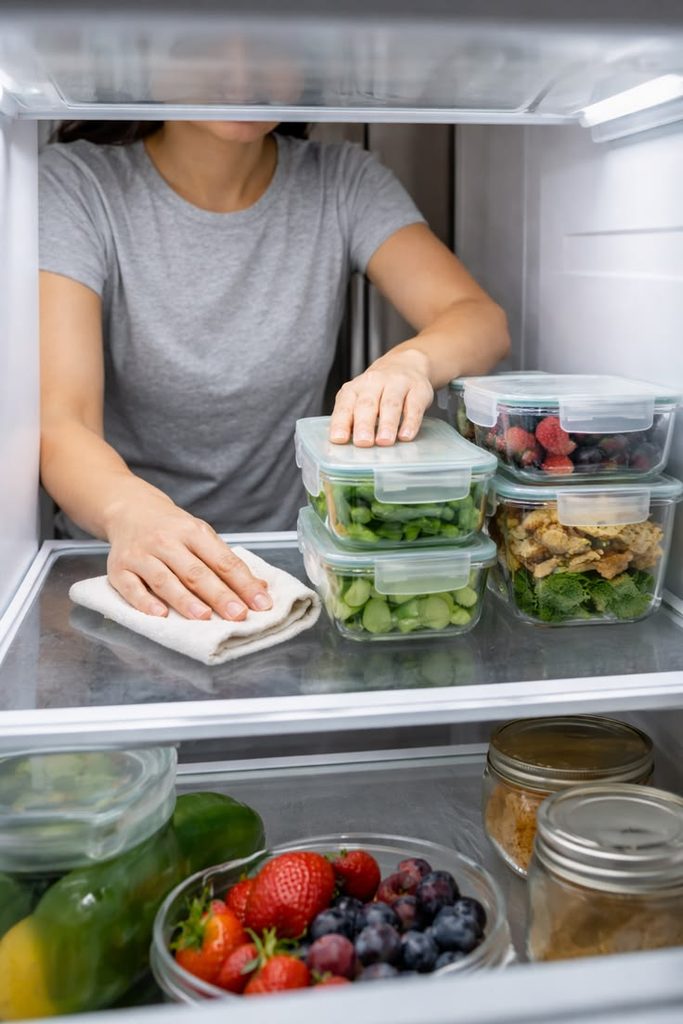
Knowing how to cook is not enough if you do not know how to store food properly. Poor storage can lead to waste and possible illness.
Learn which foods belong in the refrigerator and which can remain at room temperature. Understand basic practices for storing leftovers and keeping raw foods separate.
Use containers that close properly and label food when you may forget when it was prepared.
Do not keep questionable food simply because throwing it away feels wasteful. Saving money should never mean ignoring food safety.
These habits become automatic after enough practice.
18. Learn How to Take Care of Your Clothes
Clothing costs money, so learning how to care for it can help your budget. Different fabrics need different treatment.
Learn which clothes can go into regular washing and which need gentler care. Pay attention to drying instructions because heat can damage certain materials.
Fold or hang clothing properly after washing instead of leaving clean clothes in a pile.
Repair small problems when possible instead of immediately replacing the entire item. A missing button or loose seam may be easy to fix.
Taking care of clothes also makes getting ready each day much easier.

19. Learn Basic Personal Grooming
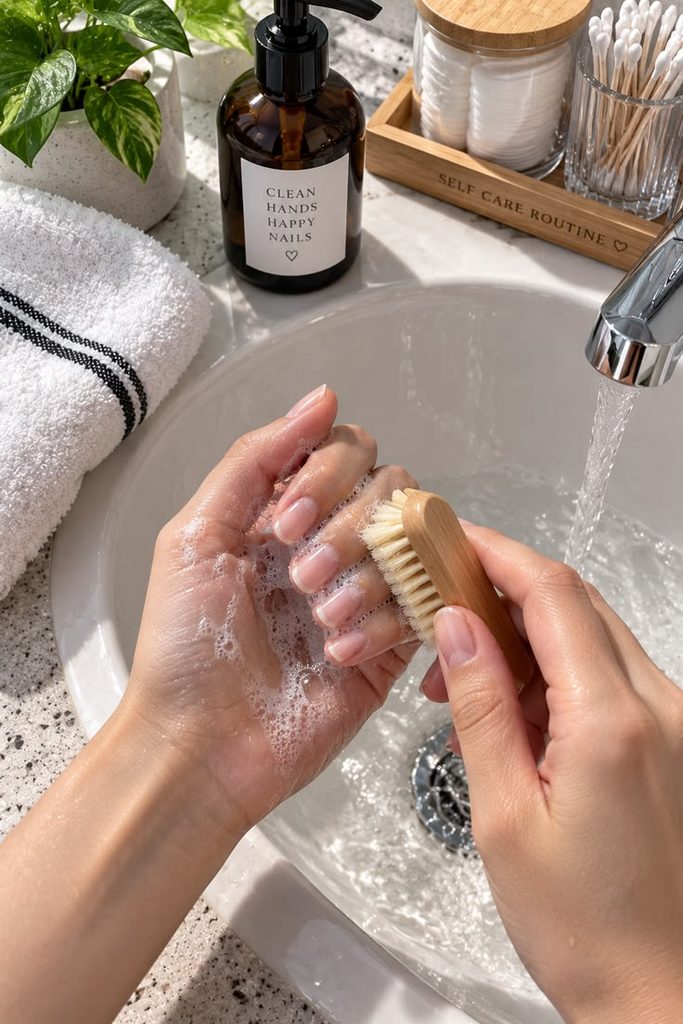
Personal grooming becomes your responsibility when nobody is reminding you about everyday routines. Build habits that keep you feeling clean, comfortable, and confident.
Your routine might include bathing, oral care, hair care, skincare, nail care, and clean clothing. Keep the routine realistic enough to maintain consistently.
You do not need expensive products to take good care of yourself. Focus on basic cleanliness and habits that work for you.
Keep essential products stocked before they completely run out. Running out unexpectedly can make an ordinary morning unnecessarily stressful.
Good grooming is simply part of taking care of yourself.
20. Learn How to Manage Your Documents
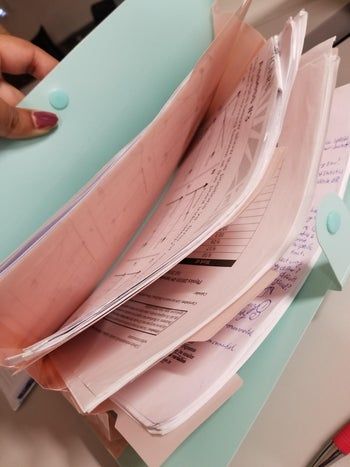
Important documents can become difficult to find when they are scattered everywhere. Create one reliable place for important records.
You may need documents connected to housing, employment, banking, insurance, education, identification, or other responsibilities.
Keep physical copies protected and store important digital files securely. Use clear file names so you can find documents quickly.
Avoid sending sensitive information casually or storing it somewhere anyone can access. A few minutes spent organizing documents can save you significant stress when something important is suddenly needed.
21. Learn Basic Digital Organization
Your phone and computer can become messy just like your home. Too many files, screenshots, downloads, and emails can make finding information difficult.
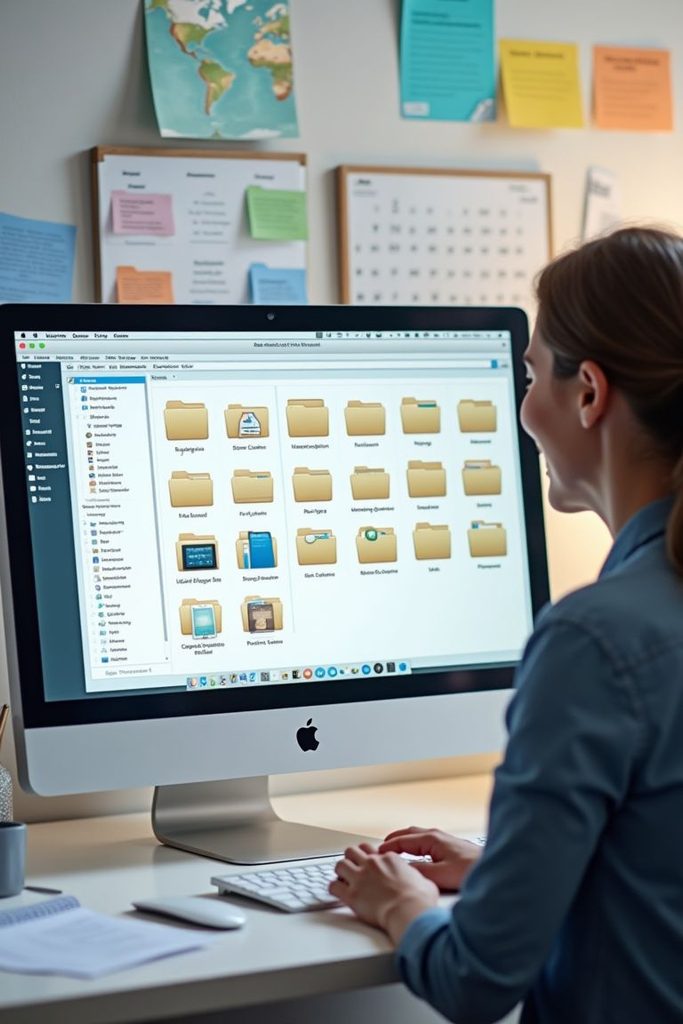
Create simple folders for important documents, receipts, work, school, finances, and personal records. Delete things you no longer need and back up important files regularly. Keep your devices updated when necessary.
Also learn basic password safety. Avoid using the same simple password everywhere because one compromised account can create bigger problems.
Digital organization is becoming just as important as organizing physical belongings.
22. Learn How to Protect Your Personal Information
Living independently means taking more responsibility for your personal information. Be careful about who receives sensitive details.
Avoid sharing passwords, financial information, or important account details casually. Learn how to recognize suspicious messages and unfamiliar links.
Check account activity when something looks unusual. If you think an account has been compromised, act quickly instead of ignoring it.
Keep your devices protected with strong passwords or suitable security settings. Being careful online does not require fear. It simply means remembering that your information has value.

23. Learn How to Use Public Transportation
Transportation becomes important when you do not have someone available to drive you everywhere. Learn the options available around your home.
Understand routes, schedules, fares, payment methods, and safer travel practices. Practice important routes before you urgently need them.
Know alternative routes for situations where your usual option is unavailable. You should also learn how much transportation costs each week. That amount belongs in your regular budget.
Knowing how to move around confidently can make independent life feel much more manageable.

24. Learn Basic Car Care
If you own or use a car, basic care can save you from avoidable problems. You should understand simple things even if you rely on professionals.
Learn how to check tire pressure, recognize warning lights, and understand basic fluid checks. Know when your vehicle needs servicing.
Keep important vehicle documents organized and learn what your insurance or coverage provides.
Do not ignore unusual sounds simply because the car still moves. Small problems can sometimes become expensive repairs when ignored.
You do not need to fix the engine yourself. You simply need enough knowledge to care for the vehicle responsibly.

25. Learn How to Build an Emergency Fund
Unexpected expenses are part of independent living. Your phone may break, an appliance may stop working, or an urgent trip may suddenly become necessary.
An emergency fund gives you some breathing room when these situations happen. Start with an amount that fits your current income.
Keep emergency money separate from money meant for everyday spending when possible. This makes it easier to protect the fund.
Do not feel discouraged if you cannot save a large amount immediately. Consistency matters more than starting with a huge balance. Building this habit early can make future problems feel less frightening.
26. Learn How to Compare Prices
Being independent means making many purchasing decisions without someone else checking them. Learning to compare prices can protect your budget.
Look at the actual cost, size, quality, warranty, delivery fees, and expected lifespan. The cheapest option is not always the best value.
Give yourself time before making expensive purchases. A short pause can help you decide if something is truly necessary.
During my first period of living independently, I became much more careful about buying things simply because they looked useful. Comparison shopping becomes easier once you understand what matters to you.

27. Learn How to Make Simple Repairs
Small repairs can happen regularly in a home. Learning a few basic skills can help you handle simple problems confidently.
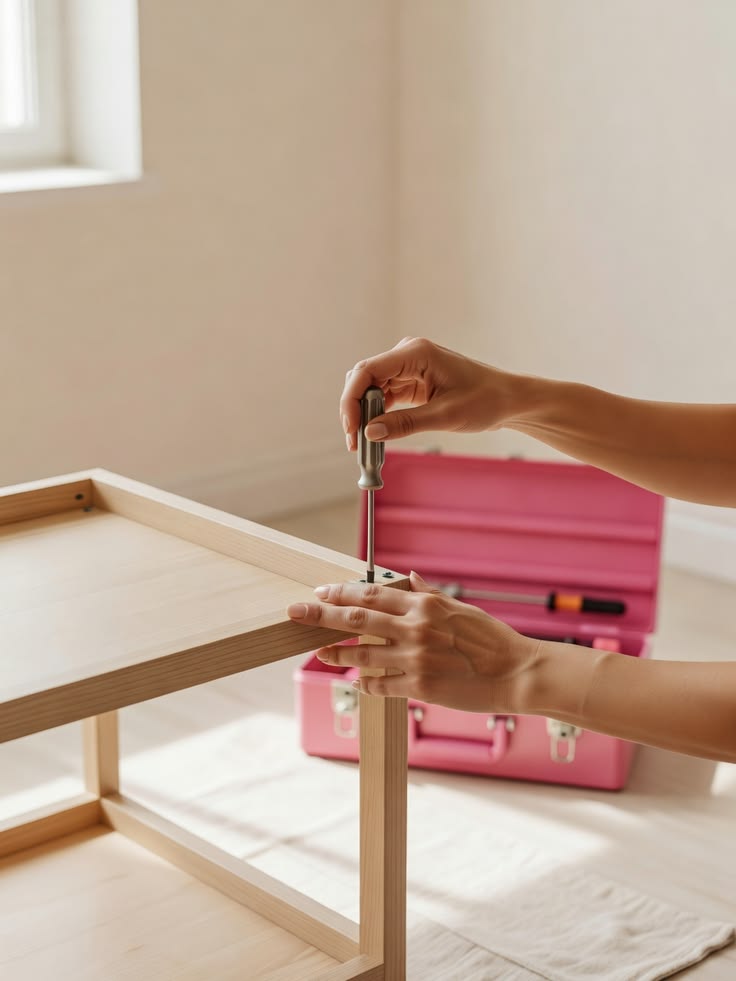
Practice using a screwdriver, hammer, measuring tape, pliers, and other basic tools safely. Learn how to tighten loose handles and replace simple hardware.
You can learn many basic repairs from reliable guides or by asking someone experienced.
However, do not experiment with electrical, gas, or dangerous repairs. Call a qualified professional when the situation requires one. Knowing your limits is part of being responsible.
28. Learn How to Manage Household Supplies
Household supplies can disappear faster than you expect. Toilet paper, soap, detergent, cleaning products, batteries, and trash bags all need replacing.
Keep a simple mental or written list of things you use regularly. Check supplies before they completely run out.
Avoid buying huge quantities simply because you have storage space. Your money and home both benefit from thoughtful purchasing.
You can also keep a small backup of essential items when your budget allows. This habit prevents those annoying moments when you discover you have run out of something important.

29. Learn How to Plan for Emergencies
Emergency planning may not feel exciting, but it becomes important when something unexpected happens. Think about what you would do during common emergencies.
Know important phone numbers and keep essential information accessible. Learn basic safety procedures relevant to your home and location.
Have a simple plan for leaving your home quickly when necessary. You should also know where basic emergency supplies are kept.
Talk through your plan with people you trust when appropriate. A calm plan is easier to follow than panic-driven decisions. Preparation does not mean expecting something bad. It simply means giving yourself options.
30. Learn Basic First Aid
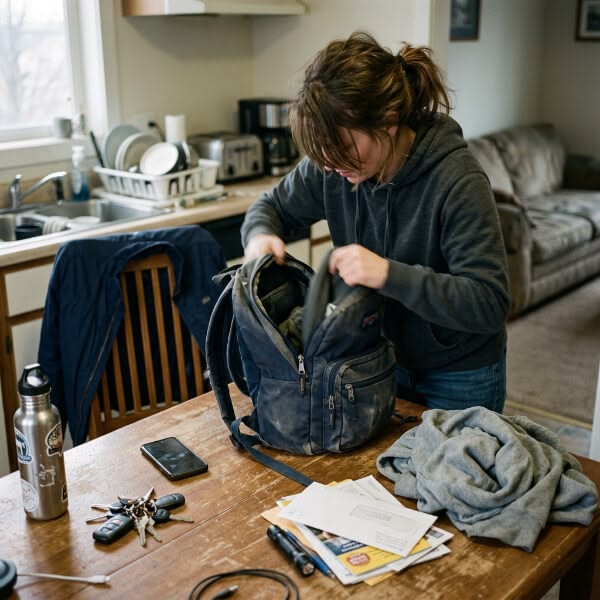
Knowing basic first aid can help you respond calmly to minor injuries. Learn simple steps for common situations such as small cuts, burns, or sprains.
Keep basic first-aid supplies in a place you can quickly reach. Check the supplies occasionally and replace anything that has expired or been used.
For serious injuries, seek professional medical help instead of trying to handle everything yourself. It is also useful to learn emergency contact procedures in your area.
First aid is one of those skills you may rarely use, but you will appreciate knowing it when needed.

31. Learn How to Keep a Routine
A routine can give structure to independent life. Without one, work, chores, meals, errands, and rest can easily become disorganized.
Create simple routines for mornings, evenings, cleaning, shopping, and important weekly tasks. Do not make your schedule so strict that one unexpected event ruins the entire day.
Leave room for rest, hobbies, friendships, and quiet time. A good routine should support your life rather than control it. Once your basic routines become familiar, everyday responsibilities require less mental effort.

photo credit
32. Learn How to Protect Your Mental Space
Living alone can give you peace, but it can also create too much quiet sometimes. Learn how to spend time alone without feeling completely disconnected.
Create healthy ways to relax after stressful days. You might read, walk, pray, listen to music, exercise, journal, or simply rest.
Pay attention when stress becomes difficult to manage. Talking with someone trustworthy can help you avoid carrying everything silently.
Your home should not become a place where you only work and worry. Learning to care for your emotional wellbeing is part of becoming independent.

photo credit
33. Learn How to Set Boundaries
Independent living often teaches you that people may have different expectations about your time and space.
Learn to say no when something does not work for you. You can be kind without agreeing to every request.
Boundaries may involve visitors, money, borrowing belongings, personal information, or how people communicate with you.
Explain your limits clearly instead of expecting people to guess them. Healthy boundaries can protect relationships because everyone understands what is acceptable.

34. Learn How to Be a Good Neighbor
You do not need to become best friends with everyone around you. Still, being considerate makes your home environment much easier.
Pay attention to noise, shared spaces, rubbish, parking, pets, and other common concerns. Introduce yourself when appropriate and learn basic information about your building or neighborhood.
If a problem develops, try respectful communication before allowing frustration to build. Good neighbors understand that everyone deserves to feel comfortable where they live.

35. Learn How to Live With Other People
Sharing a home requires patience and communication. People have different cleaning habits, sleeping schedules, food preferences, and personal boundaries.
If you live with roommates, discuss important expectations early. Talk about shared expenses, visitors, cleaning, noise, and common spaces.
Do not assume everyone understands your preferred way of doing things. Explain expectations instead. At the same time, be willing to compromise when something is reasonable.
Living with others teaches you that respect often matters more than getting your own way.

36. Learn How to Make Basic Decisions
Independent life requires many decisions that someone else once handled for you. Some will be small, while others may affect your future.
Learn to gather enough information before choosing. Avoid making important decisions purely because you feel pressured. Think about cost, timing, consequences, and how the choice fits your priorities.
You will sometimes make the wrong decision, and that does not mean you cannot handle adulthood. Good decision-making improves through practice. Give yourself permission to learn from experience.

37. Learn How to Solve Problems
Problems rarely arrive at convenient times. Learning how to approach them calmly can make independent living much easier.
First, understand exactly what has gone wrong. Then think about what you can control and what needs outside help. Break complicated problems into smaller steps instead of trying to solve everything at once.
Ask questions when you need information. Search for reliable answers before spending money or making major changes. Problem-solving is not about always knowing the answer. It is about knowing how to find a reasonable next step.
38. Learn How to Shop for Household Items
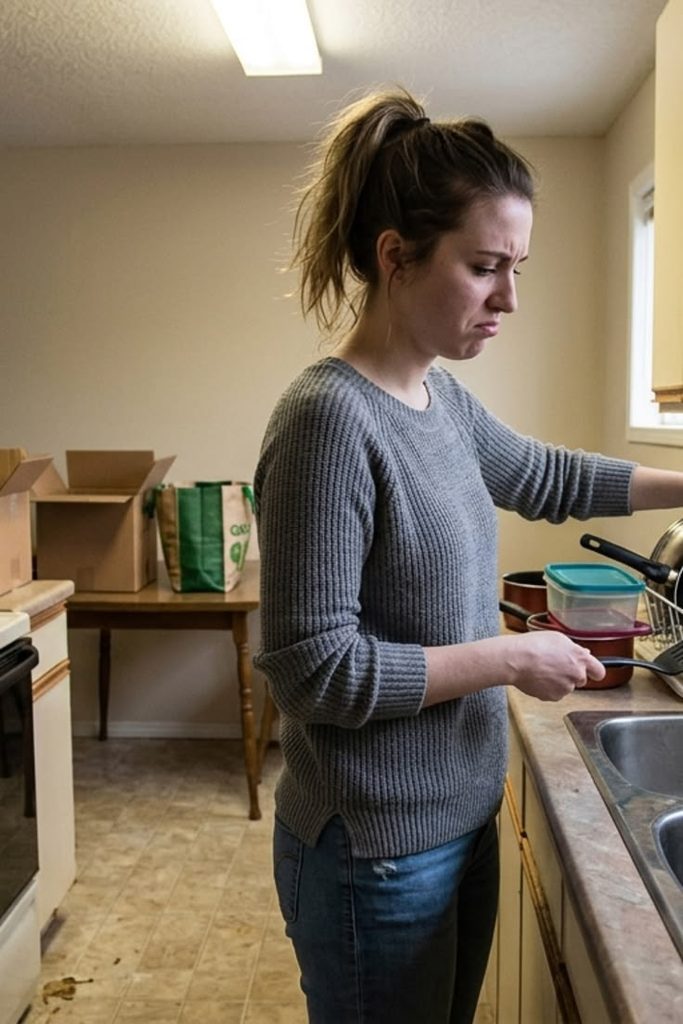
Your first home may need many things you never thought about before. Towels, storage items, kitchen tools, cleaning supplies, and basic furniture can add up.
Avoid buying everything immediately simply because the home feels empty. Start with items that support daily life. Think about what you actually need before purchasing decorative things.
Compare quality and price, especially for items you expect to use for years. A comfortable home can develop gradually. You do not have to create your dream space during your first week.

39. Learn How to Read Basic Agreements
Independent adults often sign agreements connected to housing, services, employment, banking, or purchases.
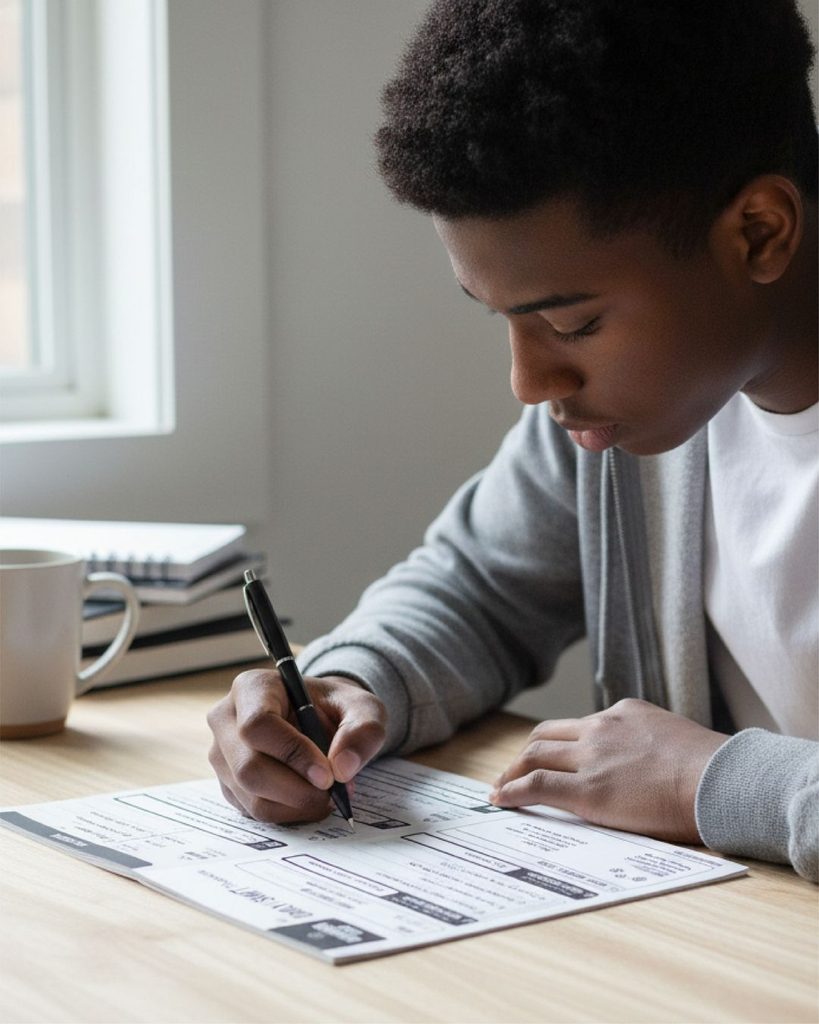
Do not sign something simply because someone tells you it is standard. Read the important terms and ask questions about anything you do not understand.
Pay attention to fees, cancellation rules, responsibilities, deadlines, and renewal conditions. Keep copies of agreements after signing them. You may need to check the details later.
Taking a few extra minutes can prevent confusion after you have already committed yourself.
40. Learn How to Protect Your Time
Your time can disappear quickly when everyone has access to you. Learn to decide what deserves your attention. You may need to decline invitations, postpone unnecessary tasks, or protect quiet time.
Do not feel guilty for resting when you genuinely need rest. Constant availability can leave you exhausted. At the same time, make space for people who matter to you. Independence should not become isolation.
Protecting your time helps you create a life that feels intentional instead of constantly rushed.

41. Learn How to Build Healthy Habits
The habits you create at home can affect almost every part of your life. Small routines often become easier when repeated consistently.
Drink enough water, move your body, eat regular meals, sleep properly, and keep your living space reasonably clean. You do not need to transform your entire life overnight. Choose one habit and make it manageable.
Missing a day does not mean you failed. Simply return to the routine when you can. Healthy habits become powerful because they support you quietly every day.

42. Learn How to Manage Your Energy
Time is not your only limited resource. Your energy also changes throughout the day. Notice when you usually feel focused, tired, social, or ready to handle difficult tasks.
Place demanding responsibilities around periods when you have enough energy. Save simpler tasks for times when your concentration is lower.
This can help you avoid treating every day as though you have unlimited energy. Rest is not wasted time. Sometimes resting properly helps you handle responsibilities better later.

43. Learn How to Enjoy Your Own Company
Living alone can teach you a lot about yourself. You may discover interests, routines, and preferences that were harder to notice before.
Learn to enjoy quiet moments without automatically reaching for your phone or searching for company. Cook something you enjoy, watch a favorite show, take a walk, read, pray, or simply sit peacefully.
You will still need friendships and meaningful relationships. But being comfortable alone can give you greater confidence. Your own company should not feel like a punishment. It can become one of the peaceful parts of independent life.

44. Learn How to Prepare for Change
Independent adulthood rarely follows one perfect plan. Jobs change, expenses increase, relationships develop, and living arrangements can shift.
Learn to stay flexible when something does not happen exactly as expected. Give yourself room to adjust without assuming everything has gone wrong.
Keep important information organized and maintain some financial breathing room when possible. You can also prepare emotionally by reminding yourself that adjustment takes time.
Change becomes easier when you know that your first plan does not have to be your final plan.

45. Learn How to Take Responsibility for Your Life
The biggest life skill may be learning to accept responsibility without constantly blaming yourself. You will forget things, spend money badly, make wrong choices, and sometimes misunderstand situations.
What matters is learning from those moments instead of repeating them without reflection.
Take responsibility for your bills, home, health, decisions, relationships, and future. At the same time, remember that you are still learning.
Independent adulthood is not about becoming perfect. It is about becoming someone who can handle life one step at a time.

Final Thoughts
Living on your own is a major transition, but you do not need every skill mastered before leaving home. You simply need a willingness to learn, practice, adjust, and ask for help when necessary.
The everyday skills covered here can make independent living feel less confusing. Cooking, budgeting, cleaning, communication, organization, decision-making, and problem-solving all become easier with practice.
During my own early adult experiences, I learned that confidence rarely arrived before doing something. Most of it came after trying, making mistakes, and realizing I could handle the next challenge.
That is what growing into independence really looks like. You learn something, use it, make adjustments, and slowly become more capable.
If you are preparing for your first home, remember that nobody starts knowing everything. Give yourself patience while building the skills that will support the life you want.
Leave a Reply