Starting a new job is exciting, but it can also feel like moving to a new country in one weekend.
You get the offer, you scream with joy, and then reality hits with questions like “What do I bring?” and “Where do I even park?” Suddenly, your head is full of small worries that keep you up at night.
Here is a secret that works for many people. Most of those worries disappear once you organize the small things before day one, because a prepared mind is a calm mind. You do not need to be perfect, you just need a simple plan.
In this guide, we will walk through 25 things to organize before you start your new job, from papers and bags to routines and mindset.
If you want to understand the big picture first, you can read 25 Things to Know Before Starting Your First Job before you continue. Let us start with the basics and build from there.

25 Things to Organize Before Starting a New Job
1. Your Contract and Offer Letter
Before anything else, read your contract and offer letter slowly from the first line to the last. Look at your job title, start date, working hours, pay, leave days, and any rules about probation.
If something looks different from what was promised in the interview, ask about it politely before you start. It is much easier to clear things up now than after you have been working for a month.
Keep a signed copy in a safe folder, both on paper and on your phone. Write down the names of the people who sent it, like the HR officer or your manager, so that you know who to contact.
Make a note of any dates mentioned, such as when you must submit papers or attend a welcome session. Having these facts in one place stops you from searching through old emails when you are busy.
A clear understanding of your terms also helps you feel secure and relaxed as you begin.
Trust me, you’ll want to read this: How to Handle Workplace Mistakes Professionally
2. Your Documents and IDs
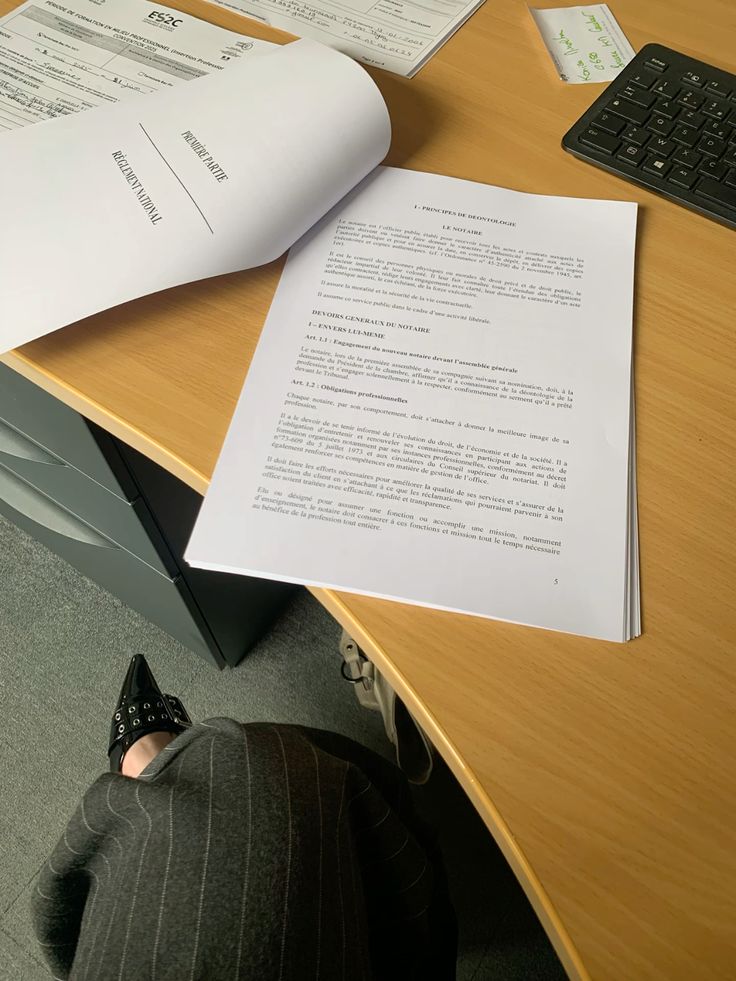
On the morning of my first day, I reached the office and realized that I had left my ID card at home. The security guard would not let me in, and I had to wait outside while someone from HR came to sort things out.
It was a painful start that I could have easily avoided. Since then, I always prepare my documents a few days before any new job.
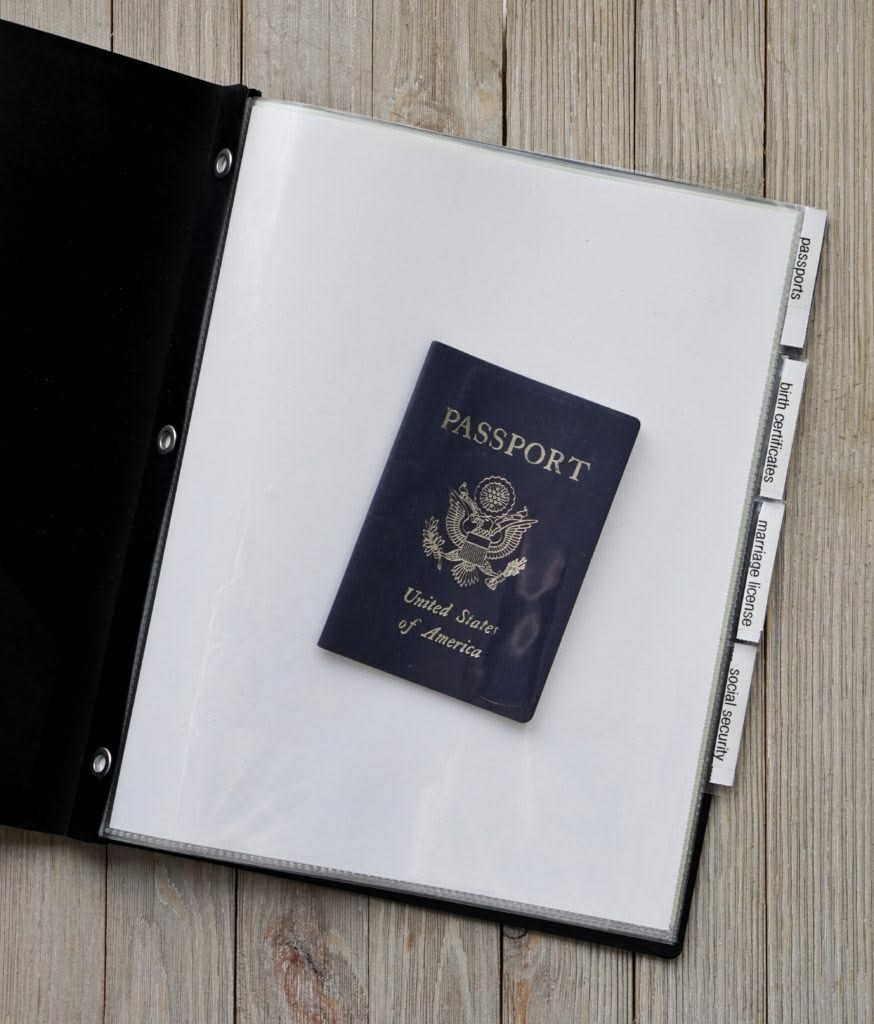
Check what the company asks you to bring, like your ID, certificates, tax details, passport photos, and reference letters. Put them in one neat folder and add a few extra copies. Keep a photo of each one on your phone as a backup.
Also, ask if there are forms you should fill out before day one, because many companies send them by email. Having everything ready makes the first morning smooth and shows that you are serious and organized from the very first hour.
3. Your Bank and Payment Details
Your employer will need certain details to pay you on time, and delays here can be stressful. Find out what information they need, such as your account name, number, and any tax forms.
Double-check every digit before you send it, because a small typo can cause big headaches. Make sure the account you give is active and easy for you to access.
If you do not have an account that fits your needs, open one early instead of waiting until the last minute. Ask HR when salary is paid, and mark that date on your calendar so you know when to expect it.
Keep a record of your pay slip each month, so you can spot errors quickly. Share these details only with the official HR team and never in casual chats or public messages.
Being careful with payment information protects your money and your peace of mind. It also lets you plan your first month with confidence.
Worth a look: How to Prepare for Your First Performance Review

4. Your Commute Plan
Before my third job began, I trusted a map app and left home with barely any time to spare. A bridge was closed that morning, and I arrived looking sweaty and flustered.
After that experience, I started doing a practice trip before the first day. It takes a little time, but it saves you from real stress.
Do the trip at the same hour you will travel on workdays, so you see the real traffic or crowd. Note how long it takes, where you will park or get off, and how far you must walk.
Think of a backup route in case of delays, like another bus line or a different road. If you plan to drive, find out about parking rules and costs.
Leave at least fifteen minutes early during the first week, and adjust after you learn the pattern. A tested commute turns a scary unknown into a simple routine, and it helps you arrive calm and on time.
Check this out: 23 Things to Do Before Your First Job Interview

5. Your First-Day Schedule
Ask the company what time you should arrive, who you should look for, and what will happen on the first day. Some places start with a short welcome meeting, while others send you straight to your desk.
Write down the address, the floor, and the name and number of your contact person. This keeps you from wandering around the building looking lost.
Knowing the plan also lets you prepare mentally and pack what you need. Picture how the day may go, from meeting the team to getting your equipment.
If you want to dodge the common slips new employees make, read these 35 First-Day-at-Work Mistakes to Avoid before you go. Set two alarms the night before, and put your outfit and bag by the door.
Have a light breakfast and give yourself time to breathe in the morning. A clear first-day plan makes you feel steady and ready for whatever comes your way.
Take a peek; How to Build Healthy Work Habits Early in Your Career

6. Your Work Outfits
Find out the dress code and plan at least five outfits for your first week. Lay them out on a bed or hang them in order, and check that each one is clean, ironed, and comfortable.
Try everything on in advance, so you do not discover tight sleeves or missing buttons on the morning of your first day. If something needs fixing, you will have time to do it.
Pick shoes that are neat and good for walking, and keep a spare pair of socks or tights in your bag. Look at how people dress in the office photos on the company website to get an idea.
Remember that how you carry yourself matters too, and these 25 Workplace Etiquette Rules Every Young Professional Should Know will help you act the part. Keep your grooming simple and fresh.
When you know what you will wear each day, you save time and mental energy. Good clothes also lift your confidence, and that shows in how you speak and move.

7. Your Resume and Online Profiles
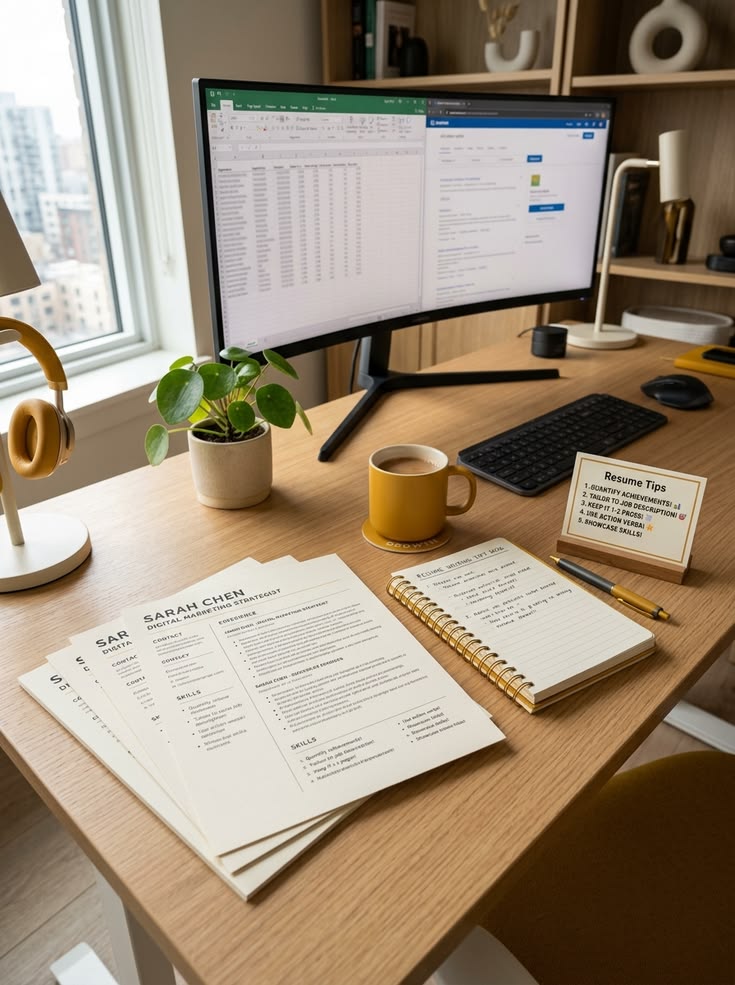
It may seem strange to update your resume right after getting a job, but it is a smart move. Add your new position, start date, and company while everything is fresh in your mind.
Update your professional profile online too, and keep the tone simple and honest. Many people forget this step, and then they scramble later when a new chance appears.
Take a fresh look at your older entries and fix any mistakes or outdated details. Reading these 19 Resume Mistakes That Can Hurt Your Job Search can show you what to clean up.
Save your resume with a clear file name and keep a copy in the cloud. Ask a friend or mentor to read it for typos and unclear lines.
Do not announce your new job online until you have started and know what the company allows. Keeping your resume ready helps you track your growth, and it gives you a strong base for the future.
Readers also loved this: How to Build Confidence in the Workplace
8. Your Professional Email and Phone
If your email address is silly or hard to read, create a simple one with your name for work-related matters. Set up a neat signature with your name, role, and phone number.
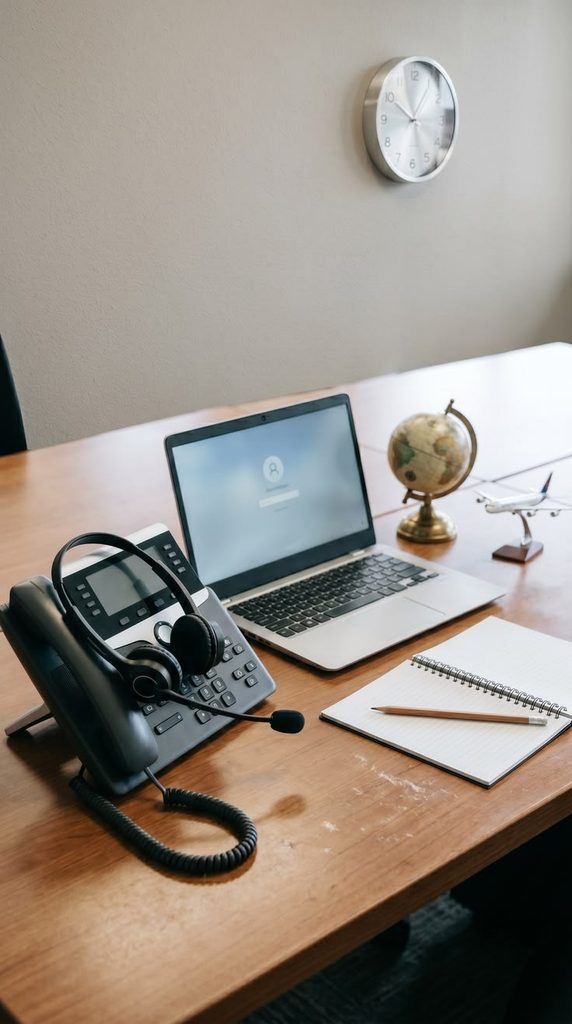
Check that your voicemail greeting sounds polite and clear, because new colleagues may call you before you expect it. Save the important contacts in your phone, like your manager, HR, and your team.
Think about how you will write to your new colleagues, too. Short, clear, and friendly emails make a great first impression, and these 45 Things You Should Never Say in a Professional Email can help you avoid easy slips.
Turn off silly ringtones and set your phone to silent mode during work hours. Keep your phone charged and carry a small power bank in case you need it.
A tidy and professional digital setup shows that you take your new role seriously from day one.
9. Your Work Bag
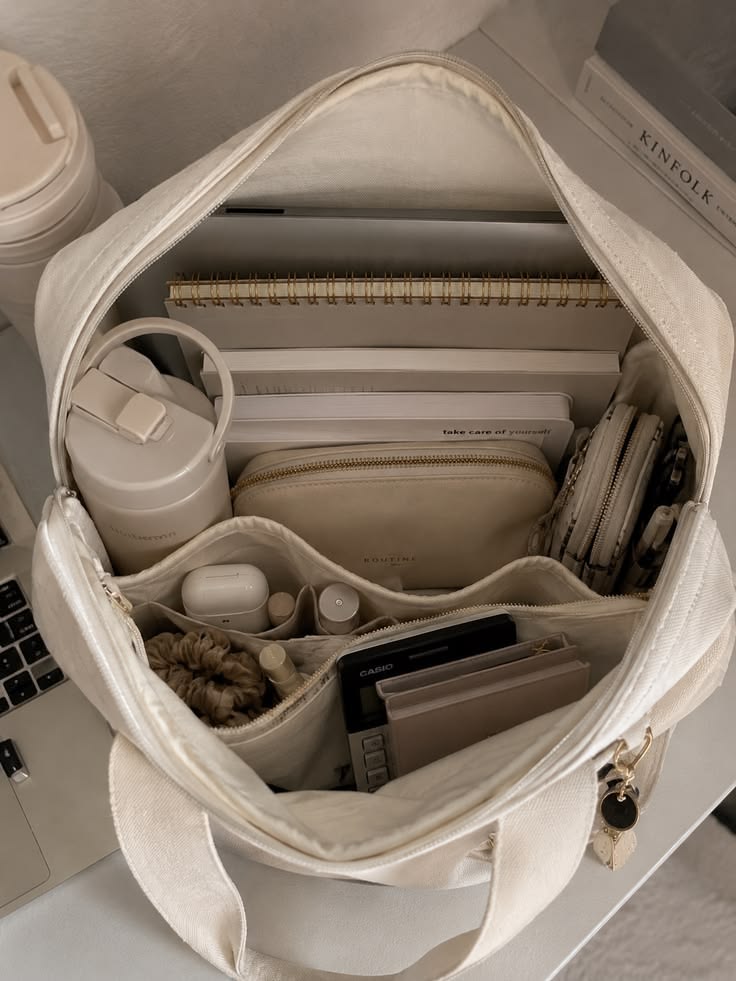
Packing your bag the night before saves you from a stressful morning. Choose a bag that is clean, simple, and big enough for your things.
Put in your notebook, two pens, your ID, a charger, a water bottle, and any papers you were asked to bring. Add small helpers like tissues, a comb, mints, and a few plasters for blisters.
Keep a snack in your bag for days when lunch gets delayed, and carry a small umbrella or a light jacket if the weather can change. Do not forget your keys, your wallet, and your access card, and check them again before you leave.
If you use a laptop, pack the charger as well. Having everything in one place keeps you calm and ready for surprises. A well-packed bag also shows that you are prepared, and people quietly notice these small details.
10. Your Notebook and Note System
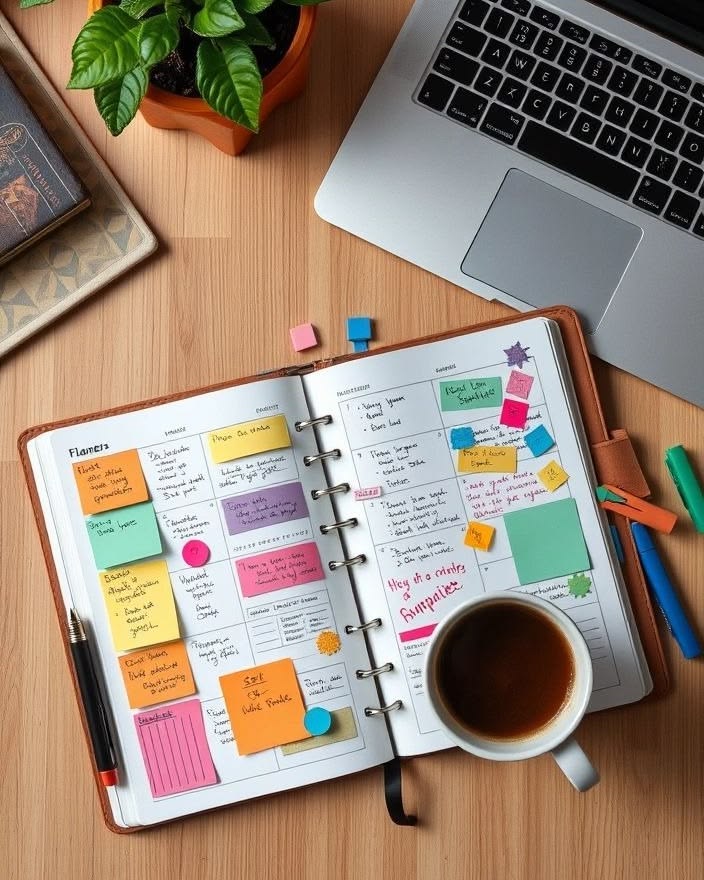
You will meet many new faces and hear many new things in your first week, and no brain can hold it all. Pick a notebook you enjoy using, or choose a notes app that you can open quickly on your phone.
Decide how you will organize your notes, like by date, by project, or by person. A simple system that you actually use is better than a fancy one that you forget.
Write down names, instructions, deadlines, and questions as they come. At the end of each day, spend five minutes reading your notes and marking the tasks that need action.
Highlight the questions you still need to ask. Keep your notes neat and clear, so you can find things fast when your boss asks for them.
A good note system will save you from asking the same question twice, and it shows your team that you listen well.
11. Your Questions List
Before you start, write down all the questions that are floating in your head. These could be about your tasks, your team, the tools you will use, or the way people work in the office.
Putting them on paper helps you remember them when your boss says, “Do you have any questions?” It also shows that you have thought about the job.
Sort your questions by importance, and ask the most urgent ones first. If you do not know where to begin, these 21 Questions to Ask During Your First Week at a New Job will give you a strong start.
Leave some space under each question to write down the answers. You do not have to ask everything on the first day, so spread your questions across the week.
Asking good questions makes you look curious and serious, and it helps you learn the job much faster than guessing alone.

12. Your Home Workspace
If your new job lets you work from home, even for a few days, set up a proper space before you begin. Choose a quiet corner with good light and a comfortable chair, away from the television and the bed.
Test your internet connection, and find out what backup you have if it fails, like a mobile hotspot. Keep your charger, headphones, and notebook within reach.
Make sure the background behind you looks neat for video calls. Tell the people you live with about your work hours, so they know when not to disturb you.
Check that your laptop has the right apps installed and that you can log in without trouble. A good chair and a clean desk help your body and your mind stay in good shape.
Even if you will work at the office most days, having a good space at home helps you handle urgent tasks without stress.
13. Your Morning Routine
In my first job, my mornings were a mess. I woke up late, rushed to find a clean shirt, skipped breakfast, and arrived at work feeling like I had already run a race.
It took me weeks to realize that my chaos was hurting my focus. Once I built a simple morning routine, everything felt lighter.
Decide when you will wake up, shower, dress, eat, and leave the house. Do a few trial mornings before your start date to see if your timing works.
Keep your routine simple and repeatable, like waking at the same time each day and preparing your clothes the night before. Add one small thing you enjoy, such as music or a short walk.
A calm morning gives you a better mood and a clearer mind for the whole day. It also reduces the chance of forgetting something important.

14. Your Meals and Lunch Plan
Hunger can ruin your focus faster than you think, so plan your meals before you start. Find out if the office has a canteen, a kitchen, or places to eat nearby. Check the prices, the lunch hours, and whether you can bring your own food.
If you plan to cook, prepare simple meals that you can pack easily and eat without making a mess.
Try to cook a few meals ahead on the weekend so that busy weekdays feel easier. Keep healthy snacks like nuts, fruit, or biscuits in your bag for low-energy moments.
Drink enough water, because a tired body makes a tired mind. Avoid strong-smelling foods in your first weeks until you understand the office habits.
Eating well keeps your energy steady, and it helps you stay friendly and sharp during long meetings. It also saves you money, which matters when you are just starting out.

15. Your Sleep Schedule
Many people stay up late before a new job because they are excited or worried. But tired people make more mistakes and feel more stressed, so protect your sleep.
Start adjusting your bedtime a week before your first day, moving it earlier by fifteen minutes each night. Aim for about seven to eight hours of rest, because that is what most adults need.
Keep your phone out of your bed, and avoid heavy meals or caffeine late in the evening. Create a calming habit before bed, like reading a few pages, stretching, or listening to soft music.
Set your alarm and place it across the room, so you have to stand up to turn it off. A good night’s sleep before your first day will help you remember names, answer questions, and smile naturally.
Rest is part of your preparation, and it will keep paying you back every week.

16. Your Budget for the First Month
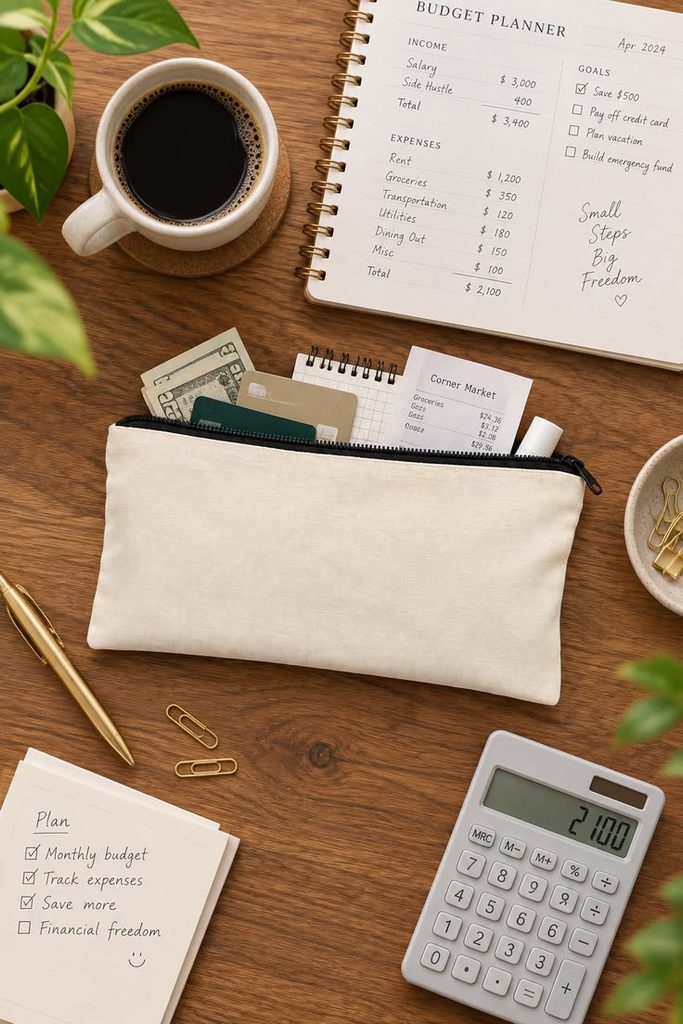
A new job brings new costs, like transport, lunch, clothes, and sometimes a deposit for equipment. Make a simple list of the things you will spend on during the first month.
Estimate each cost, and add a little extra for surprises. This helps you avoid running short before your first pay arrives.
Remember that your first salary may not come right at the end of your first week. Ask HR when you will be paid, and plan your money until that day. If you need to buy things, pick the most important ones first.
Avoid big purchases until you are settled and understand your income. Setting a small amount aside for savings, even if it is tiny, builds a strong habit from the start.
A simple budget gives you peace of mind, and it keeps money worries from stealing your attention when you need to focus on learning the job.
17. Your Family and Personal Schedule
Your new job will change your daily rhythm, and the people around you will feel it too. Talk to your family, partner, or roommates about your new hours and what they mean for shared chores and time together.
If you have children or other people who depend on you, plan who will take care of them while you are at work. Make backup plans for sick days and emergencies.
Set aside time for the people you care about, so work does not swallow all your energy. Tell your friends that you may be busy at first, and that you will catch up when things settle.
Keep your personal appointments organized and try to schedule them outside work hours. When your home life is in order, your mind is free to focus on the job.
A little planning now prevents arguments and last-minute scrambling later, and it keeps your relationships healthy while you grow your career.

18. Your Household Chores and Errands
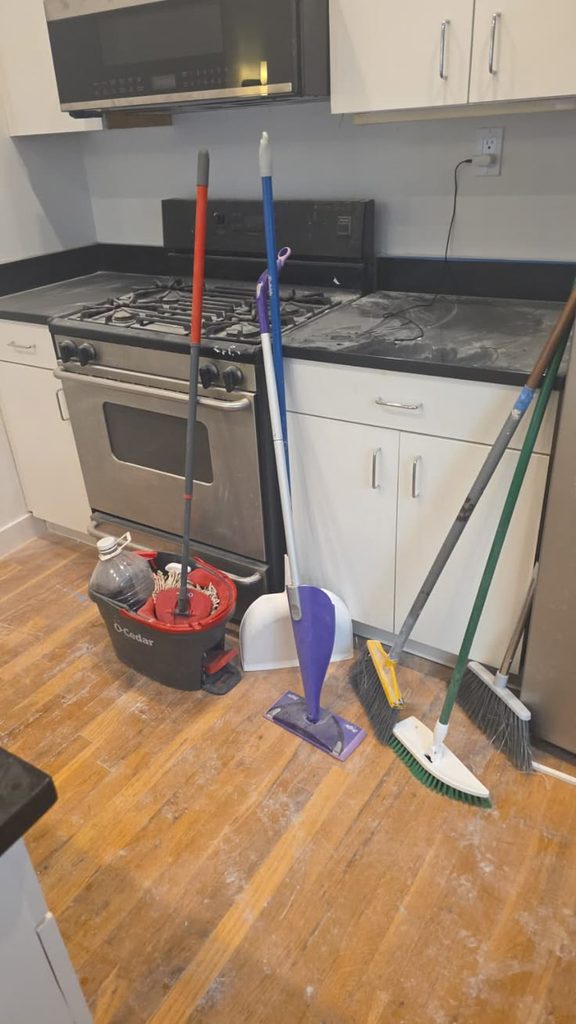
Working full-time leaves less room for small tasks, so sort them out early. Do your laundry, clean your room, and stock your kitchen before your first day.
Pay any bills that are due and pick up any items you need, like toiletries or office supplies. This keeps your first week free from distractions.
Make a simple weekly plan for chores, like doing laundry on Saturday and shopping on Sunday. Break big tasks into small ones so they do not pile up. If you live with others, share the work fairly and talk about what you each can do.
Use short breaks in the evening for quick tasks, like washing dishes or tidying your desk. When your home is neat, you feel calmer and more in control.
A clean space also helps you sleep better, and that supports everything else you are trying to do at work.
19. Your Calendar and Reminders
During my second job, I double-booked myself on my third day and left a manager waiting for me in a meeting room. I felt awful, and I decided that I would never trust my memory again.
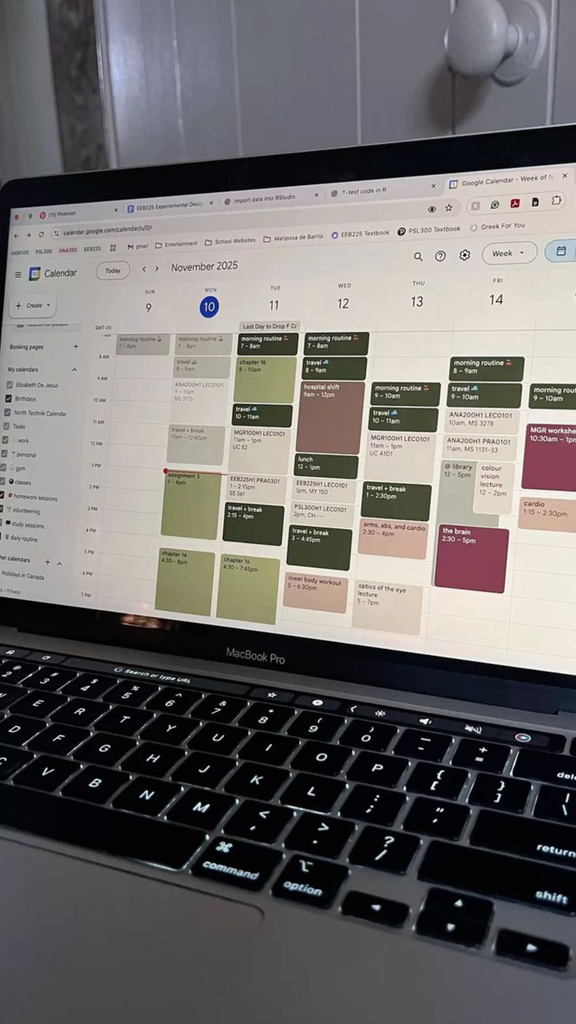
Now I keep a calendar that holds everything, from meetings to deadlines and personal plans.
Pick one calendar app and use it every day. Add your first-week events, like your orientation, training, and meetings. Set reminders for important tasks, and add a few minutes of buffer between appointments.
Use different colors for work and personal events so you can see them clearly. Check your calendar every morning and evening to know what is ahead.
If your company uses a shared calendar, learn how to read it and how to share your own. A well-kept calendar lowers your stress and prevents silly mistakes. It also shows people that you respect their time.
20. Your Daily Habits Plan
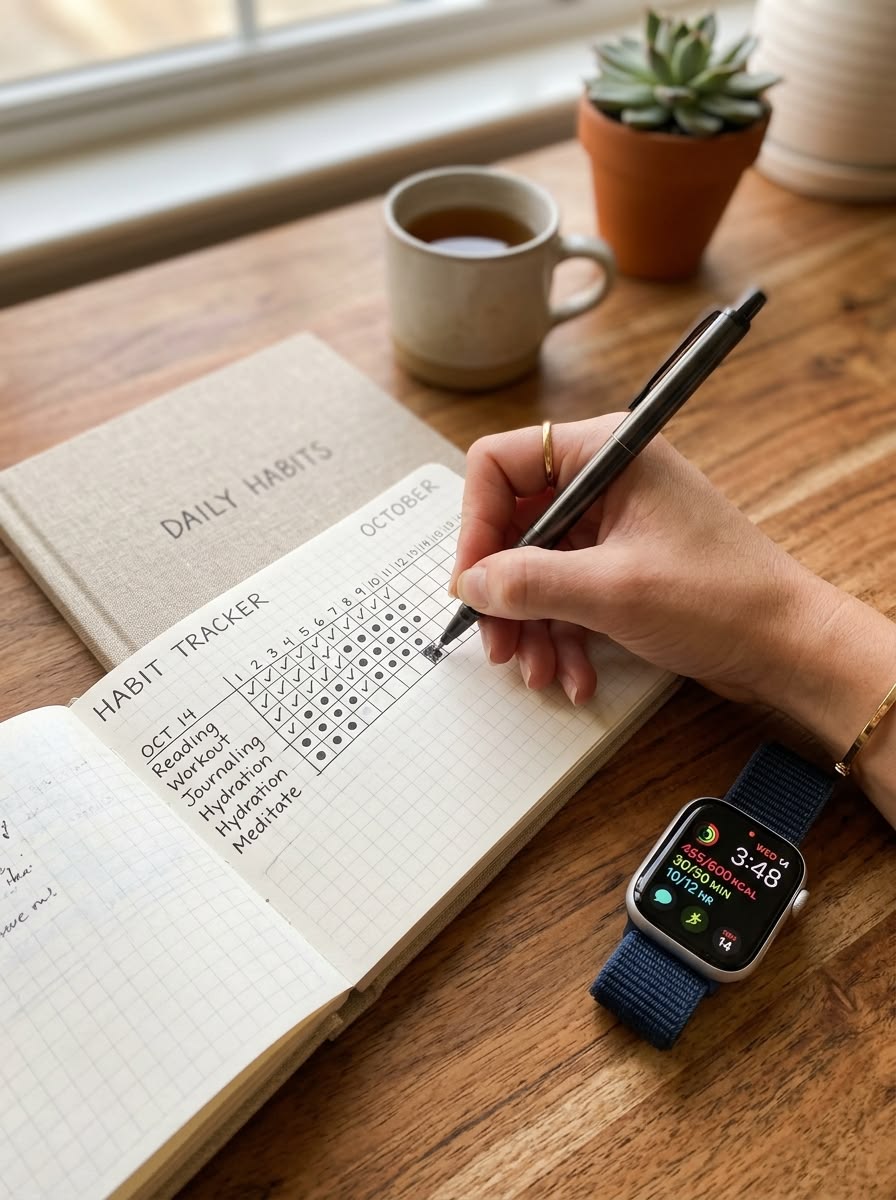
Your first weeks are the perfect time to build habits that will stay with you for years. Pick two or three small habits to practice, like arriving early, writing a daily to-do list, or reviewing your notes before leaving.
Keep them simple so you can actually do them. You do not need a long list, just a few strong ones.
If you want more ideas, take a look at these 35 Professional Habits to Build Early in Your Career. Write your habits on a sticky note or in your phone so you see them daily.
Track your progress for a few weeks, and be kind to yourself when you miss a day. Small actions repeated every day grow into big results over time.
Starting with good habits also helps you avoid bad ones, like procrastination and last-minute rushing. People will notice your steady behavior, and it will help you earn trust faster than you may expect.
21. Your Digital Files and Folders
A messy computer is a slow computer, and it wastes your time when you are busy. Before you start, clear out your personal laptop and phone, so you have room for work files.
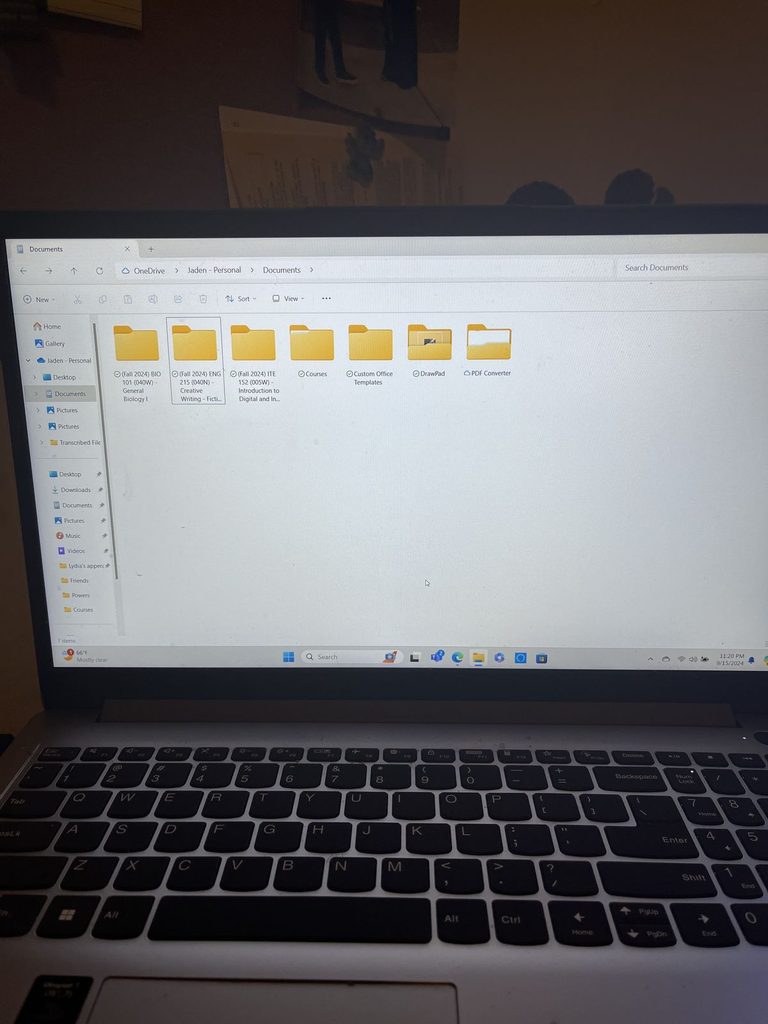
Create simple folders with clear names, like “Projects,” “Notes,” “Reports,” and “Templates.” Use the same naming style for all your files, such as including the date and the topic.
Back up your important files regularly, either in the cloud or on a drive that the company approves. Keep personal and work files separate to avoid mix-ups and privacy problems.
Learn the company’s rules about storing and sharing files, and follow them carefully. Delete old downloads and duplicates every week.
A tidy digital space helps you find things fast, and it keeps you from panicking when your manager asks for a document. Good file habits are a quiet sign of a professional.
22. Your Social Media Settings
Your new colleagues will probably look you up online, so take a few minutes to check what they can see. Review your photos, posts, and comments from the past, and remove anything that may look unprofessional.
Set your accounts to private if you prefer, and think twice before accepting friend requests from people at work. Keep your profile pictures clean and friendly.
Avoid posting complaints about work, your boss, or your coworkers, even in a joking way. Do not share photos of the office or company information without permission.
If you like to post about your life, keep a healthy balance between personal and public. Your online image is part of your reputation, and it can help or hurt you.
The same care helps when you apply for roles, so these tips also work well alongside the advice in the interview guide.
23. Your Mindset and Confidence
Even when you are well prepared, nerves will visit you in the first days, and that is completely normal. Take a few minutes each day to calm your mind and remind yourself why you got the job.
Write down three strengths that helped you win the role, and read them when doubt creeps in. Picture yourself walking into the office with a smile and a steady voice.
Accept that you will make small mistakes and that people expect you to learn. Talk to yourself with kindness, the way you would talk to a good friend. Avoid comparing yourself with people who have worked there for years.
Focus on learning one thing at a time, and celebrate small wins along the way. A positive mindset does not make problems disappear, but it helps you face them with courage. Your attitude will often matter more than your skills in the early weeks.
Keep this handy: 25 Things to Do When You Feel Lost in Your First Job

24. Your Support System
You do not have to carry the pressure of a new job alone. Think about the people who can support you, like family, close friends, a former teacher, or an older colleague you trust.
Tell them about your new role and let them know that you may need to talk sometimes. Even a short chat can lift your mood after a long day.
Find a mentor or a friendly face at work in your first weeks, and stay in touch with those who have helped you in the past. Join a group of young professionals if you can, because sharing stories makes challenges feel smaller.
When you need advice, ask for it without shame. Give support back when you can, because relationships grow in both directions.
A strong support system gives you courage and perspective, and it makes the ups and downs of a new job easier to handle.

25. Your Goodbye to Your Old Routine
If you are leaving another job or school to start this one, take time to close that chapter properly. Finish your tasks, hand over your work clearly, and thank the people who helped you along the way.
Collect any documents you may need, like a reference letter or experience certificate. Keep your goodbyes warm and respectful, because you never know where your paths will cross again.
Give yourself a short break between the old and the new, even if it is only a weekend. Use that time to rest, reflect, and celebrate what you have achieved.
Write down what you learned in your last role and how you want to grow in the new one. Letting go of the old routine makes space for the new one to settle in.
Starting fresh with a clear mind and a thankful heart will help you step into your new job with confidence.

Final Thoughts
Getting organized before a new job is not about being perfect. It is about removing small worries so that your mind has room for learning, listening, and growing.
Even if you only do half of the things on this list, you will feel much calmer on day one.
So pick the points that fit your life, and start checking them off one by one. Take it slowly, be kind to yourself, and remember that everyone feels a little nervous at the start.
You have worked hard to get here, and you are more ready than you think.
Leave a Reply