Have you ever checked your account after payday and wondered where all your money disappeared? I remember how strange money can feel when you finally start earning your own income.
You work hard, receive your paycheck, and suddenly everyone seems to need a piece. Rent needs attention, transportation costs money, groceries need replacing, and your phone bill still arrives.
Then there are those little purchases that feel harmless until you add everything together. A quick lunch becomes several lunches, and one small online purchase becomes five different orders.
Before you know it, payday feels far away, while your account balance looks painfully small. This can be frustrating, especially when you are earning an entry-level salary and still building your life.
But saving money is still possible, even when your paycheck does not feel impressive. You do not need a huge salary before you can start making better money choices.
Sometimes, saving starts by changing small habits and paying closer attention to your everyday spending.
The goal is not to make your life boring or remove everything you enjoy. It is simply about making your money work harder for you.
If you are building better money habits, 35 Money Habits to Start in Your 20s can help you create a stronger foundation. So, let’s look at practical ways to save money without making your life feel miserable.

1. Know Exactly How Much You Take Home
Your salary may look good on paper, but your take-home pay matters more. Taxes, deductions, insurance, and other payments can reduce the amount reaching your account.
Start by checking your actual paycheck and writing down your monthly take-home income. This number should guide your spending decisions throughout the month.
Do not create a budget around money you never actually receive. Knowing your real income also makes it easier to understand what you can save.
You can then divide your money between bills, spending, savings, and other important goals. This simple step gives you a clearer picture of your financial situation.

2. Give Your Money a Job Before Spending It
Money tends to disappear faster when you have no plan for it. Instead of spending first and thinking later, decide where your income should go.
Start with important expenses like housing, food, transportation, utilities, and debt payments. Then set aside money for savings and personal spending.
This does not mean every naira or dollar needs to be tracked perfectly. It simply means you should know what your money needs to accomplish each month.
A basic budget can make saving easier because you are planning before temptation arrives. If you need help creating that plan, 25 Things to Include in Your First Monthly Budget can guide you.

3. Save Immediately After Payday
Saving what remains after spending often leaves you with nothing. Instead, move your planned savings aside soon after your salary arrives.
You can use an automatic transfer if your bank provides that option. Even a small amount can become meaningful when you repeat it every month.
For example, saving $30 monthly gives you $360 across one year. The amount matters less than creating a habit you can actually maintain.
As your income improves, you can slowly increase the amount you save. Saving first also helps you stop treating your entire paycheck as available spending money.

4. Start With a Small Savings Target
You may feel discouraged when people tell you to save huge amounts immediately. That advice can feel unrealistic when your entry-level salary already covers several important expenses.
Instead, choose a small target that fits your current financial situation. You could start with $10, $20, $50, or another amount you can manage comfortably.
The first goal is to build consistency rather than impress anyone with the amount. Once saving becomes normal, increasing your target becomes much easier.
Small amounts also prove that you can make progress with the income you currently have. That mindset can make saving feel possible instead of completely overwhelming.

5. Track Your Spending for One Month
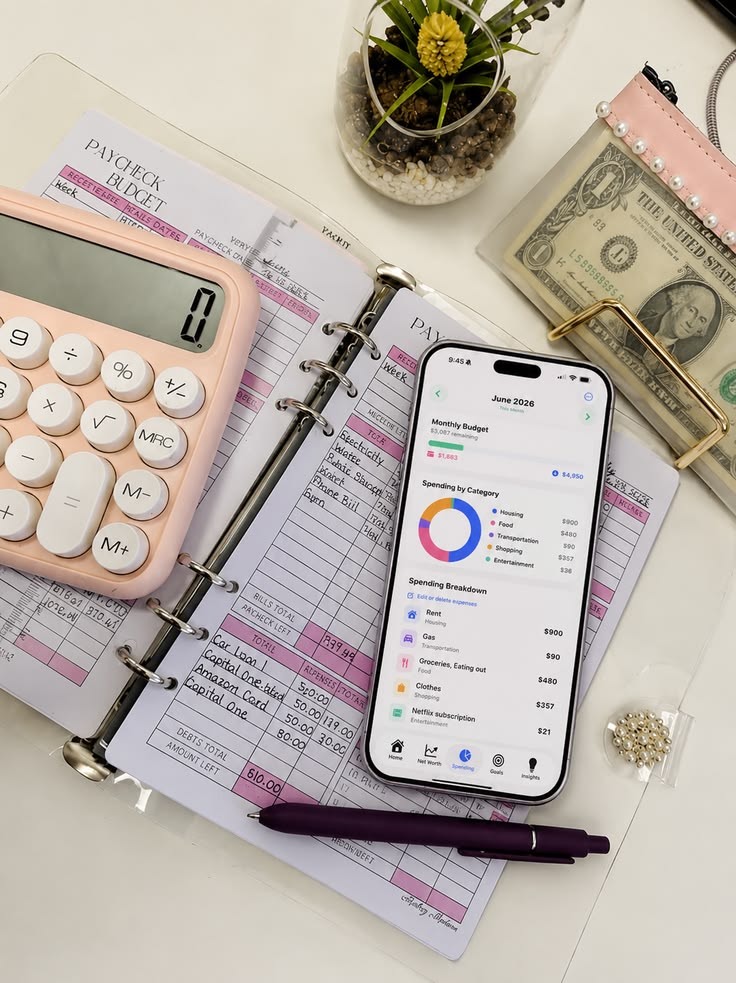
You cannot easily reduce spending you never notice. For one month, write down every purchase you make, including small everyday expenses.
Record groceries, transportation, subscriptions, snacks, online purchases, and entertainment. You may discover spending patterns that were difficult to notice before.
Perhaps you spend more on food delivery than you expected. Maybe several small purchases are taking money away from your savings.
Tracking gives you information without requiring you to judge yourself. Once you understand your habits, you can decide what needs changing.

6. Reduce Food Delivery
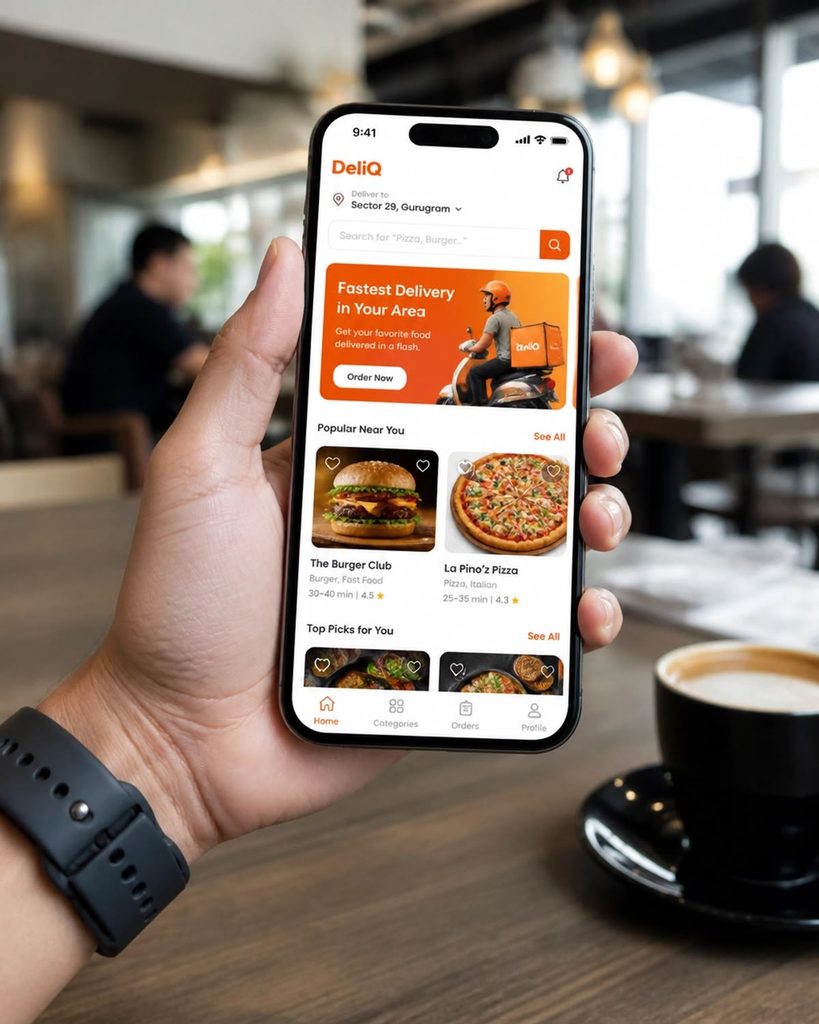
Food delivery can become expensive when it happens several times each week. The meal itself may seem affordable until delivery fees and other charges are added.
Try preparing simple meals at home whenever your schedule allows. You do not need to become an expert cook or prepare complicated recipes.
Choose easy meals that use affordable ingredients and do not take much time. You can also prepare larger portions and save leftovers for another meal.
These small changes can reduce food spending without forcing you to stop enjoying your favorite meals.

7. Make a Grocery List Before Shopping
Walking into a grocery store without a plan can lead to unnecessary spending. You may pick up things because they look appealing or happen to be on sale.
Before shopping, check what you already have at home. Then create a list based on meals and household needs.
Try your best to follow the list instead of buying everything that catches your attention. You can also compare prices between different brands and package sizes.
A simple list gives your grocery trip more direction. Over time, this habit can help you keep more money in your account.

8. Cook More Often at Home
Cooking at home can save money without requiring fancy meals. Simple rice, pasta, eggs, vegetables, sandwiches, soups, and other basic meals can go far.
Choose meals you genuinely enjoy because saving becomes harder when you hate your food. You can cook several portions at once and store some for later.
This also makes busy evenings easier because food is already waiting. The key is creating a routine that fits your actual lifestyle. If cooking every day feels impossible, start with two or three homemade meals weekly.

9. Cut Back on Unused Subscriptions
Subscriptions can quietly take money from your account every month. You may have signed up for several services when you had more spending freedom.
Now, your entry-level salary may need that money for more important priorities. Check your bank statement and list every recurring subscription.
Ask yourself how often you actually use each service. Cancel anything you rarely use or no longer need. You can always subscribe again later if something becomes genuinely useful.
This simple review can free up money without affecting your essential expenses.

10. Compare Your Phone Plan
Your phone bill may be higher than necessary for your actual needs. Check how much data, calling time, and other services you normally use.
You may discover that you are paying for features you rarely need. Compare cheaper plans from your current provider or other available providers.
Do not change plans without checking the terms and total monthly cost. A small reduction each month can become useful money across an entire year. You can send that difference toward savings instead of increasing your spending.

11. Be Careful With Daily Coffee and Snacks
Small purchases can become surprisingly expensive when repeated every day. A coffee, snack, drink, or quick breakfast may not seem serious individually.
But several small purchases can create a noticeable monthly spending category. You do not need to stop buying everything you enjoy.
Instead, decide which purchases matter most and reduce the rest. You might bring coffee from home several days each week.
You could also carry simple snacks instead of buying something whenever hunger appears. Small changes become powerful when they are repeated consistently.

12. Use What You Already Own
Saving money does not always mean buying cheaper things. Sometimes, the easiest saving opportunity is simply using what you already have.
Before buying something new, check your cupboards, wardrobe, drawers, and storage spaces. You may already have something that solves the problem.
This is especially useful for clothes, household items, toiletries, and basic kitchen supplies. Using what you own also reduces unnecessary clutter around your home.
Give yourself a little time before making non-essential purchases. You may realize you never needed the new item after all.

13. Buy Clothes With a Plan
Clothing can become expensive when every shopping trip turns into an impulse purchase. Instead, focus on buying pieces you genuinely need and expect to wear often.
Look through your wardrobe before shopping so you know what is missing. Choose versatile pieces that can work with several outfits.
You can also wait before buying something that simply looks attractive. If you still want it after several days, consider if it fits your budget.
This approach helps you build a useful wardrobe without constantly replacing clothes.

14. Learn to Say No to Impulse Purchases
Impulse spending usually happens before you have time to think clearly. You see something you like and immediately imagine how useful or exciting it could be.
But liking something does not automatically mean you need to buy it. Create a short waiting period for non-essential purchases.
You could wait twenty-four hours before buying cheaper items. For expensive purchases, give yourself several days to think about them.
This pause gives your brain time to separate a real need from temporary excitement. That simple habit can protect your paycheck from many unnecessary purchases.

15. Use a Simple Shopping Rule
A simple shopping rule can make spending decisions easier. For example, you could decide that every non-essential purchase needs a waiting period.
You could also set a monthly amount for personal shopping. The exact rule does not matter as much as having one.
Rules are helpful because you do not need to make the same decision repeatedly. They give you a boundary when advertisements and sales start creating pressure.
Your goal is not to avoid shopping forever. It is to make sure shopping fits inside your actual financial plan.

16. Plan Your Transportation Costs
Transportation can quietly consume a large part of an entry-level salary. Think about your regular trips to work, school, appointments, stores, and social activities.
Look for practical ways to reduce unnecessary travel. You might combine several errands into one trip when possible.
You could also compare public transportation, carpooling, walking, cycling, or ride-hailing costs. Choose the option that works safely and realistically for your situation.
Knowing your transportation spending can help you find savings without creating daily stress.
For a bigger picture of independent living costs, 45 Expenses to Budget for When You Live on Your Own is worth keeping nearby.

17. Shop Around Before Major Purchases
Do not assume the first price you see is automatically the best deal. Take some time to compare prices before buying expensive items.
Check different stores, websites, brands, and available discounts. Also compare the quality and expected lifespan of each option.
A cheaper item is not always the better choice if you need to replace it quickly. The goal is to spend wisely rather than simply spend the least amount. Taking a little time before buying can save you money later.

18. Stop Paying for Convenience Every Time
Convenience can be helpful, but it often comes with an extra cost. You might pay more for delivery, rush services, prepared meals, or last-minute transportation.
None of these expenses are automatically bad. The problem starts when convenience becomes your normal way of doing everything.
Look for areas where you can handle things yourself without creating unnecessary stress. Prepare meals, plan errands, and shop ahead when your schedule allows.
You will not remove every convenience cost, but you can reduce how often they happen.
19. Set a Weekly Spending Limit
Monthly budgets can sometimes feel too distant to manage. A weekly spending limit gives you a smaller number to work with.
After paying your major bills, decide how much remains for flexible spending. Then divide that amount across the weeks of the month.
This can help you avoid spending heavily during the first few days. It also gives you an early warning when your spending starts moving too quickly. A weekly limit can be especially useful when your income is tight.

20. Have Low-Cost Fun
Saving money does not mean staying inside your home every weekend. You can still enjoy your life without spending large amounts every time.
Look for free events, walks, game nights, home movie nights, parks, hobbies, and community activities.
Invite friends over instead of always meeting somewhere expensive. You can also rotate who hosts simple gatherings.
Fun does not have to disappear because you are trying to save money. The goal is finding activities that give you enjoyment without creating financial pressure.

21. Use Discounts When They Actually Help
Discounts can save money, but only when you already planned to buy something. A sale does not automatically make an unnecessary purchase a good decision.
Before using a coupon, ask yourself if you needed the item anyway. Also check the final price instead of focusing only on the discount percentage.
Sometimes, a supposed bargain can encourage you to spend more. Use discounts as a tool rather than an excuse to shop. That small mindset change can make sales much less dangerous for your budget.

22. Avoid Spending Your Whole Paycheck
Getting paid can create a strong feeling of financial freedom. After waiting several weeks, it is tempting to spend more during those first few days.
But your paycheck needs to cover the entire period until your next payday. Pay your important bills and move savings aside before increasing your spending.
Give yourself a realistic amount for everyday expenses. This approach keeps you from feeling rich for a few days and broke afterward. If you are still learning how your first salary works, 45 Things You Should Know About Your First Paycheck can help.

23. Build an Emergency Fund Slowly
An emergency fund can protect your savings when something unexpected happens. You do not need thousands of dollars sitting in an account before you begin.
Start with small contributions that fit your current income. Even $10 or $20 each month can become a useful cushion over time.
Keep this money separate from your everyday spending when possible. The goal is to create money you can reach during genuine emergencies.
If you are starting from nothing, 25 Ways to Build an Emergency Fund From Scratch can help you build the habit.

24. Be Careful With Credit Card Spending
Credit cards can make spending feel easier because you are not immediately using cash. But the money still has to be repaid later.
Avoid using your credit card to regularly cover expenses your income cannot handle. Focus on understanding your payment dates, balances, fees, and interest charges. Only use credit in ways that fit your actual financial plan.
If you are considering your first card, 35 Things to Know Before Getting Your First Credit Card can help you prepare.

25. Avoid Lifestyle Creep
Lifestyle creep happens when your spending rises as your income improves. You receive a raise and immediately upgrade your phone, apartment, wardrobe, meals, and entertainment.
Soon, your higher income feels just as tight as your old salary. Instead, allow your lifestyle to improve slowly.
When your income increases, send part of the extra money toward savings and financial goals. You can still enjoy some of your raise without spending every extra naira or dollar. This keeps your progress moving even as your salary grows.

26. Learn Basic DIY Skills
Some simple skills can help reduce the amount you pay for small tasks. You can learn basic cooking, cleaning, clothing repairs, simple organization, and other useful household skills.
You do not need to become an expert at everything. Start with tasks you regularly pay someone else to handle. Use reliable tutorials and learn at your own pace.
Just remember to avoid dangerous repairs when professional help is needed. Saving money should never come at the cost of your safety.

27. Reduce Your Energy Usage
Electricity costs can become noticeable when you live independently. Turn off lights and appliances when they are not needed.
Unplug devices that continue using power when appropriate. Use appliances thoughtfully and avoid leaving them running unnecessarily.
Small changes can help reduce waste around your home. Your exact savings will depend on your home, appliances, and local energy costs. Still, being more intentional with energy can support a lower monthly household bill.

28. Buy Household Items Slowly
When you move into your first place, you may feel pressure to buy everything immediately. That can quickly drain an entry-level salary.
Start with the household items you genuinely need for daily life. Then buy other things gradually as your budget allows. You do not need perfect furniture, decorations, or matching kitchen items immediately.
Your home can come together slowly as your finances become stronger.
25 Money Mistakes to Avoid When You First Start Living Alone can also help you avoid expensive beginner mistakes.

29. Create a List Before Online Shopping
Online shopping makes it incredibly easy to spend without thinking. You can scroll for a few minutes and suddenly have several items sitting in your cart.
Before shopping, write down exactly what you came for. Stick to the list as much as possible.
Remove items that were not part of your original plan. You can also leave the website and return later if you still need something. That small pause can prevent many unnecessary purchases.

30. Unsubscribe From Shopping Emails
Constant shopping emails can make spending feel normal and unavoidable. You may receive discounts, product launches, flash sales, and limited-time offers every day.
Seeing these messages repeatedly can create pressure to buy. Unsubscribe from stores that constantly tempt you.
Keep emails from places you genuinely need or use. Your inbox should not become a daily advertisement for spending money.
Sometimes, saving money starts by simply reducing the number of things asking you to spend.

31. Keep Your Savings Separate
Saving money becomes harder when it sits beside your everyday spending. You may see the balance and assume you have more money available.
Consider keeping savings in a separate account when practical. This creates a little distance between your spending money and your savings.
You can also give each savings account a clear purpose. For example, one account could support emergencies while another supports a future goal. Clear separation makes your progress easier to see.
32. Use Extra Income Carefully
An entry-level salary may not always be enough for every financial goal. You might earn extra money from freelance work, overtime, weekend work, or occasional projects.
When extra money arrives, avoid immediately treating it as normal spending money. Send part of it toward savings, debt, or another important financial goal.
You can still use some for yourself. The important thing is giving extra income a purpose before it disappears. This can help you make progress faster without depending on your regular salary alone.

33. Review Your Bills Regularly
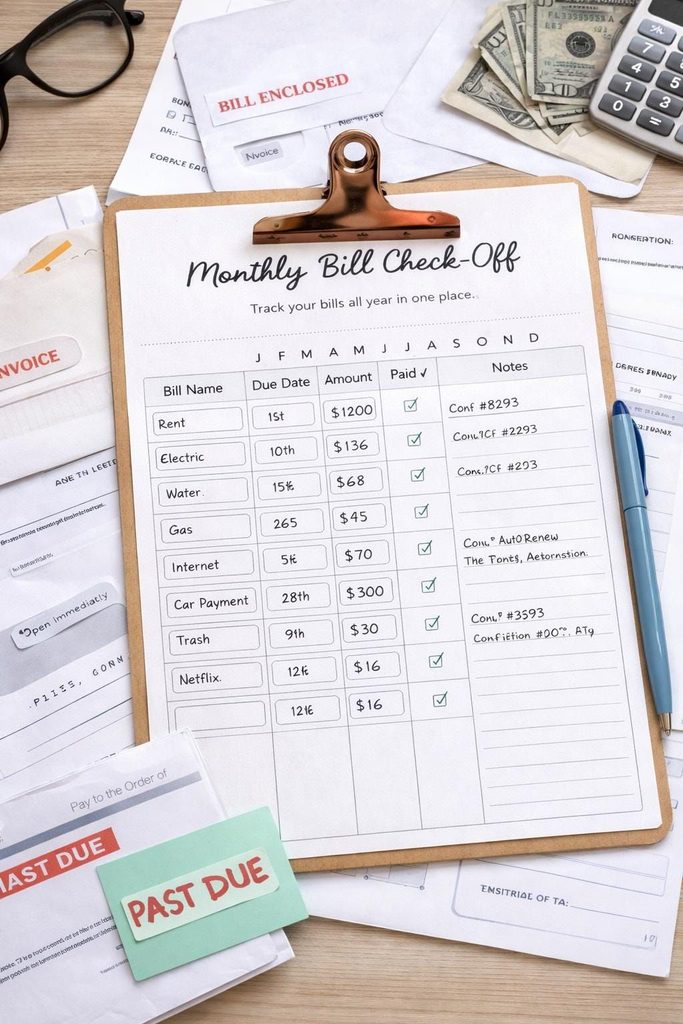
Bills can increase slowly without you noticing. Take some time every few months to review your recurring expenses.
Look at your phone, internet, insurance, subscriptions, memberships, and other regular payments. Check if you still need each service at its current price.
You may find something you forgot you were paying for. You could also discover a cheaper plan that meets your needs. Regular reviews keep your monthly expenses from growing unnoticed.
34. Give Every Raise a Plan
A raise can make a big difference when you are earning an entry-level salary. But spending the entire increase can leave you in the same financial position.
Before the extra money arrives, decide how you want to use it. You might send half toward savings and use the rest for lifestyle improvements.
You could also increase debt payments or work toward a specific financial goal. The important thing is making the decision before spending begins. That way, your raise can improve your future instead of only improving your shopping habits.
25 Financial Goals to Set Before Living on Your Own can give you ideas for deciding where extra money could go.

35. Focus on Progress Instead of Perfection
Saving money can feel discouraging when you compare your progress with someone else. You may see people saving thousands while you can only put aside a small amount.
Remember that everyone’s income, expenses, responsibilities, and starting point can look different. Your goal is to improve your own financial situation.
Some months may allow you to save more, while other months may require extra spending. That does not erase the progress you made before. Keep learning, keep adjusting, and keep finding small ways to protect your income.
If you are looking for even more practical ways to stretch your paycheck, 35 Simple Ways to Lower Your Monthly Expenses is a helpful next step.

Final Thoughts
Saving money on an entry-level salary can feel difficult, especially when your paycheck already has many responsibilities. But you do not need to completely change your life overnight.
Start by understanding your income, tracking your spending, and planning your major expenses. Then look for small areas where you can spend less without making life miserable.
Maybe you cook at home more often or cancel two subscriptions you barely use. Maybe you start saving $20 after every payday instead of waiting for leftover money.
Those changes may look small today, but repeated habits can create meaningful progress. The biggest mistake is assuming you need a huge income before financial discipline becomes useful.
You can start learning how to manage money with the income you have right now. As your salary grows, your habits can grow with it.
Give your money direction before the month begins, and make room for your future self. You will not get every decision right, and that is completely normal.
What matters is noticing your mistakes and making better choices the next time. Your entry-level salary does not have to remain your financial limit forever.
Use this season to learn, save, build better habits, and prepare for bigger opportunities. Start small, stay consistent, and let your progress build one paycheck at a time.
Leave a Reply