Living on your own sounds amazing until you realize your new freedom comes with a long to-do list. Nobody is standing behind you, reminding you to pack, budget, clean, shop, or prepare.
You suddenly become the person responsible for almost every small detail surrounding your everyday life. That can feel exciting, but it can also feel like a lot at first.
The good news is that you do not have to figure everything out after moving. A little preparation can make your first weeks much calmer and easier to manage.
You can learn important skills, organize your money, plan your home, and prepare mentally. You can also avoid many stressful surprises by thinking through ordinary things beforehand.
During my first serious preparation for living independently, I focused heavily on finding a place. I later realized that choosing the place was only one part of becoming independent.
The smaller details, like budgeting, groceries, cleaning, bills, and emergency plans, mattered just as much. That is why preparation should go beyond simply packing your clothes and finding somewhere.
Before you start this new chapter, give yourself enough time to prepare properly. You will still make mistakes, but preparation can make those mistakes easier to handle.
If you are already thinking about moving out, 35 Things Nobody Tells You About Moving Out for the First Time is a useful place to start.

25 Things to Do Before Living on Your Own for the First Time
1. Know Exactly Why You Want to Live Alone
Before making any major move, think honestly about why you want your own space. Maybe you want more privacy, greater freedom, shorter commuting time, or personal growth.
Perhaps you simply feel ready for the next stage of your adult life. Knowing your reason can help you stay focused when independent living becomes difficult.
The excitement of having your own place may disappear during stressful moments. Your reason can remind you why you started when things become more expensive.
It can also help you decide what kind of home fits your actual needs. Try writing your reasons down before making expensive commitments or signing agreements.
You may discover that some reasons are emotional while others are practical. Both matter, but understanding them can help you make clearer decisions.
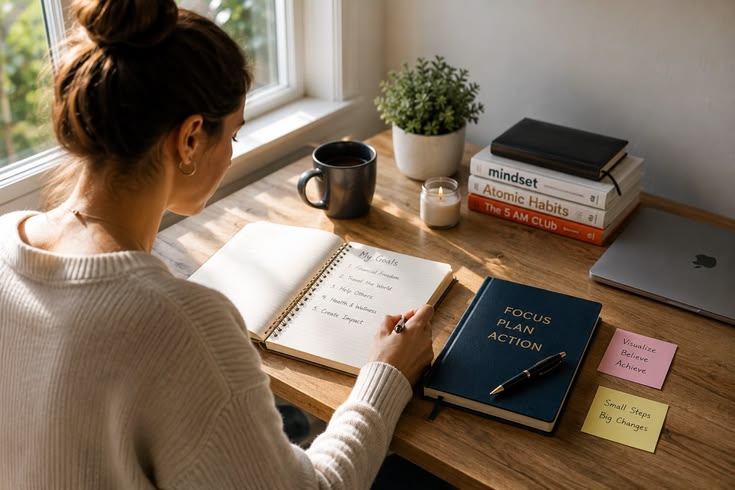
2. Create a Realistic Monthly Budget
A budget is one of the most important things to prepare before living alone. Do not focus on rent alone because many other expenses will follow afterward.
Consider utilities, groceries, transportation, phone bills, internet, household supplies, and personal spending. Also include subscriptions, healthcare, entertainment, savings, and other regular financial responsibilities.
Write down your expected income and compare it with your monthly expenses. Then see what remains after covering your basic needs and necessary savings.
Remember that some expenses may change from month to month. Electricity, transportation, groceries, and household costs can sometimes become higher than expected.
Leave some extra room instead of creating a budget that uses every amount available. If the numbers already feel uncomfortable, adjust your plans before moving.
You may need to reconsider your apartment, location, transportation, or spending habits. You do not need a complicated spreadsheet to understand where your money goes.
A simple notebook, phone note, or budgeting app can keep everything organized. Review your budget regularly because your actual expenses may differ from your estimates.
This helps you notice unnecessary spending before it becomes a regular financial habit. A realistic budget gives you direction while leaving room for unexpected expenses.
The goal is knowing what you can comfortably afford before living independently.
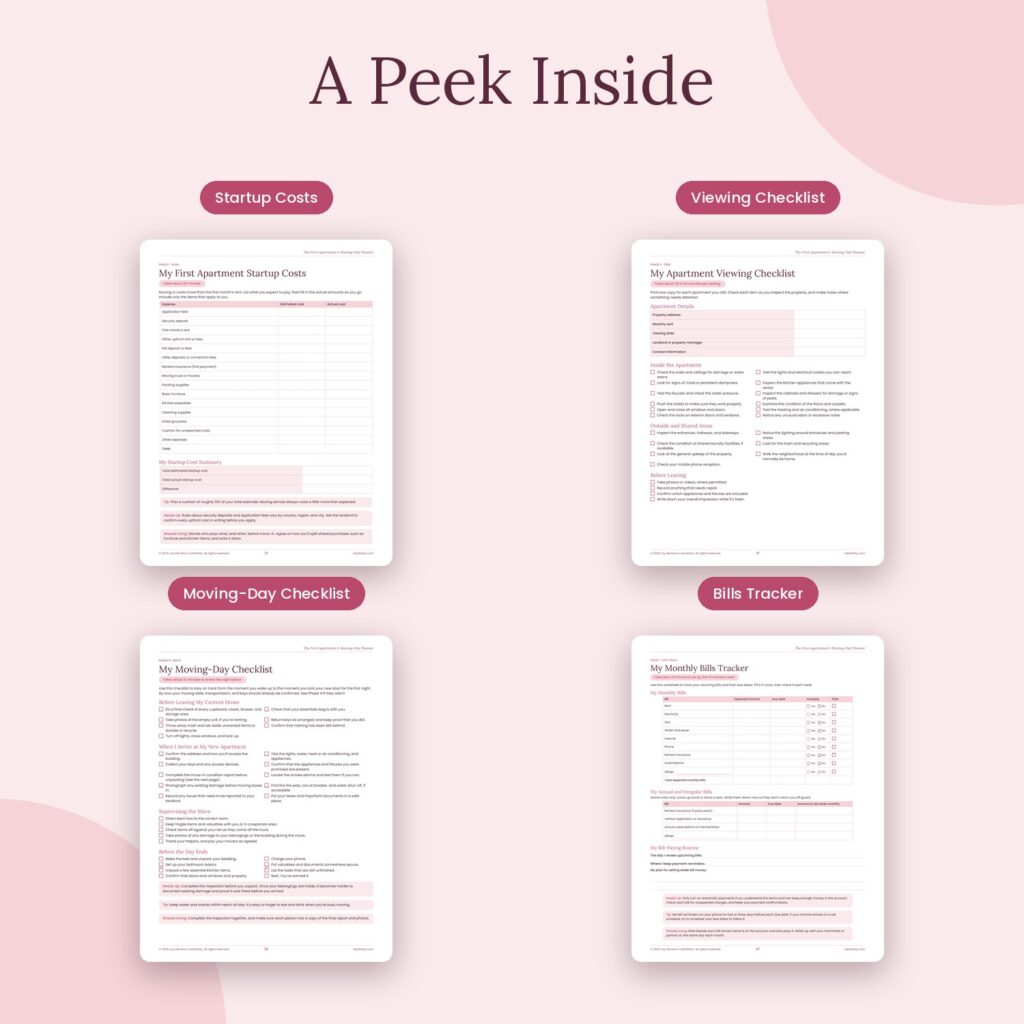
Want a ready-made worksheet? The planner has an affordability check and a startup-cost page.
Don’t be the last to see this: How to Prepare for Your First Grocery Shopping Trip
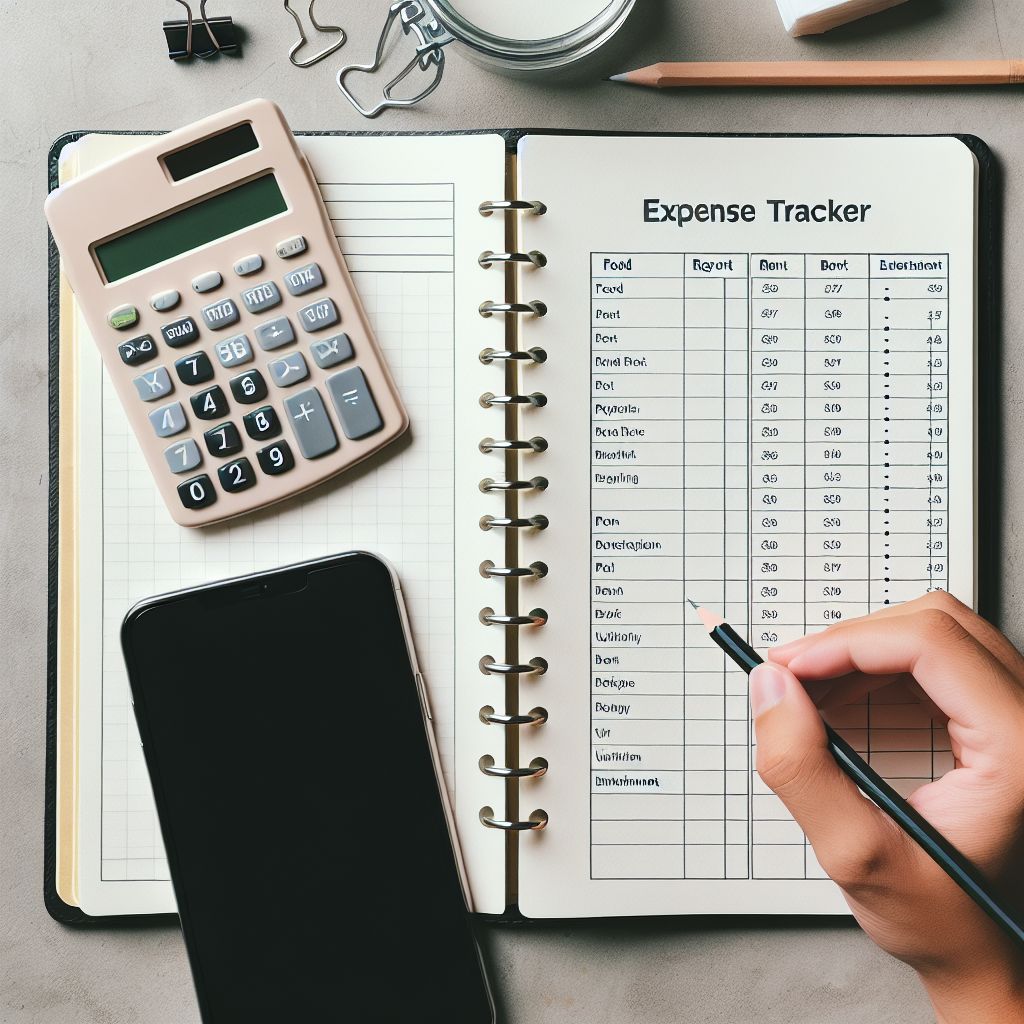
3. Build Some Savings Before Moving
Having savings can make your first months of independent living much less stressful. Unexpected expenses can appear after moving, even when you carefully plan your budget.
An appliance might stop working, transportation could become expensive, or an urgent need might arise. Savings give you something to rely on when your monthly budget cannot cover everything.
Start with an amount that feels possible instead of waiting for perfect finances. Even small contributions can gradually create a useful financial cushion before your move.
Try not to spend everything on furniture, decorations, or other nonessential items. A beautiful room feels less enjoyable when you have no money left afterward.
Prioritize essential household items first, then add extras when your finances allow. Keep some money available for unexpected moving costs, repairs, transportation, or forgotten essentials.
Think of your savings as protection for situations you cannot completely predict. Avoid treating emergency savings like extra spending money for things you simply want.
Give the money a clear purpose so you are less tempted to use it unnecessarily. Continue rebuilding your savings after moving so your financial cushion does not disappear.
This habit can make future emergencies easier to handle without disrupting your monthly budget.
For more financial preparation ideas, 25 Things to Know Before Getting Your First Credit Card can help you understand another important part of adult money management.
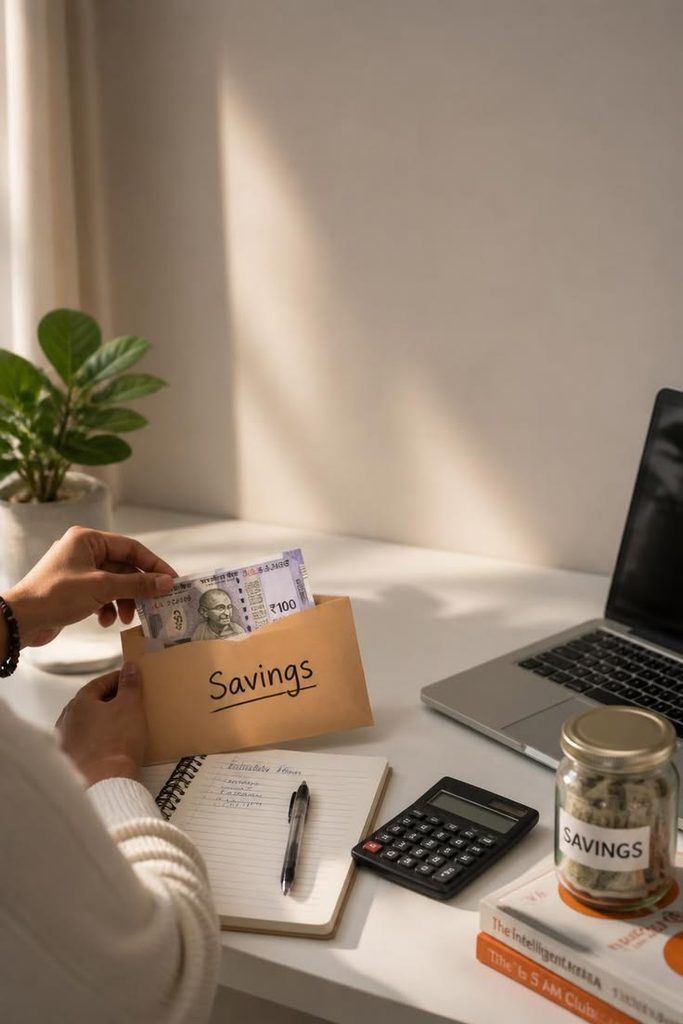
4. Research the Cost of Your New Area
Before choosing your new home, research what everyday life actually costs nearby. Rent may look affordable until you add transportation, food, utilities, and other expenses.
A cheaper apartment can sometimes cost more overall when everything else becomes expensive. Look at nearby grocery stores, transportation options, pharmacies, markets, and other useful places.
Think about how much you might spend traveling to work or school each week. Also consider how far you will travel for regular errands and appointments.
These everyday costs can affect your monthly budget more than you might expect. Spend time learning about the area before making your final housing decision.
Consider convenience, transportation, grocery prices, and access to important everyday services. Good preparation means understanding the life surrounding your apartment, not just the apartment itself.
Knowing these costs early can help you choose a home you can comfortably afford.
One of our most-read posts: What to Do Before Signing Your First Lease
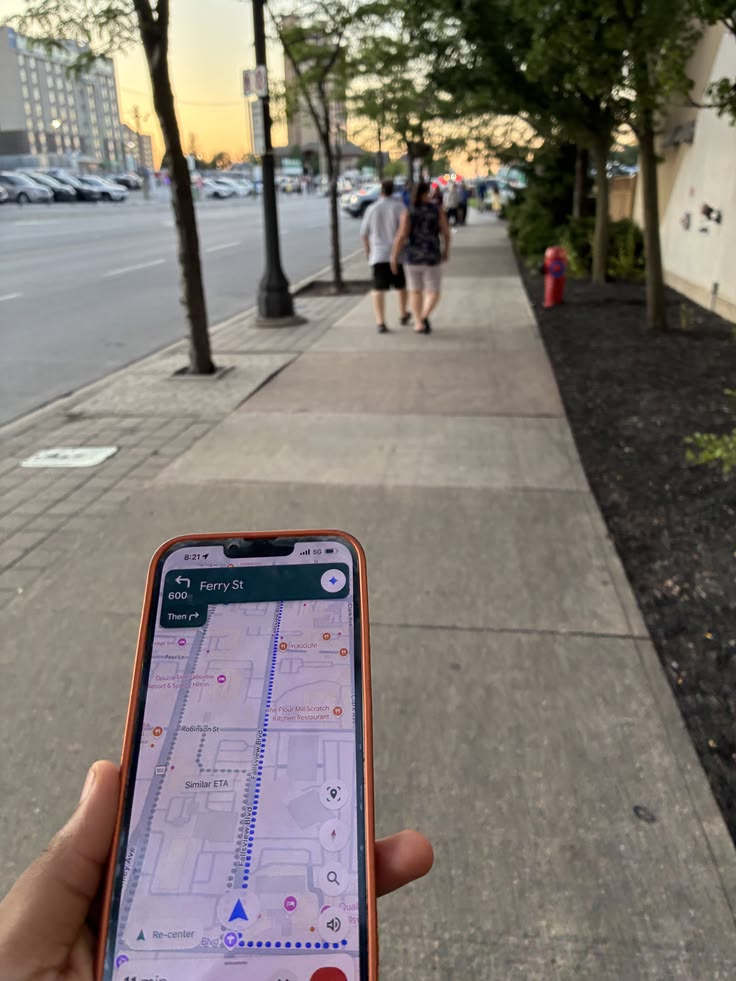
5. Make Sure You Understand Your Housing Agreement
Never rush through an agreement simply because you are excited about getting your own place. Read the important terms carefully and make sure you understand what you are agreeing to.
Pay attention to rent, deposits, payment dates, repairs, utilities, visitors, and other major conditions. Check whether there are additional fees that could affect your monthly housing expenses.
Understand who handles repairs and how you should report problems when they happen. Ask whether there are specific rules about noise, pets, parking, guests, or making changes.
Ask questions about anything that seems unclear before you commit yourself. Do not feel embarrassed about asking someone experienced to explain confusing terms.
It is better to ask several questions early than discover expensive surprises later. Make sure you understand when payments are due and what happens after missed payments.
You should also know how much notice is required if you eventually decide to leave. Keep copies of important documents somewhere safe and easy to access.
You may need them later when discussing payments, repairs, or other housing concerns. Having your agreement available can also help you confirm what was originally agreed.
Do not rely only on verbal promises when important housing responsibilities are involved. If something important changes, make sure the change is properly documented whenever possible.
This step may feel boring, but it protects you from unnecessary confusion later. Understanding your housing agreement can also help you feel more confident about your responsibilities.

6. Work Out How You Will Pay Your Bills
Living alone means regular bills become your responsibility, so create a payment system early. Write down every bill you expect to receive and its usual payment date.
Include rent, electricity, water, internet, phone services, subscriptions, and other recurring expenses. Then decide how you will remember those dates every month.
You can use phone reminders, a calendar, automatic payments, or a simple written checklist. Choose a system that fits your normal habits instead of copying someone else’s method.
If your income arrives on specific dates, plan your payments around those dates. This can help you avoid spending money needed for important bills before they become due.
You should also know how much each regular bill usually costs before creating your monthly budget. Some bills may change from month to month, so leave room for unexpected increases.
During my first period of independent living, small missed reminders created unnecessary financial stress. After that, I became much more intentional about writing important dates down.
Having everything in one place made it easier to see what needed attention each week. Consider checking your upcoming bills at the beginning of every month.
A quick review can help you identify upcoming payments before they become urgent. You do not need a complicated system when a simple reminder can keep you organized.
The goal is creating a routine that makes paying bills feel normal instead of overwhelming.
The planner also includes a monthly bills tracker with due dates and a place to note autopay.
You’ll love this too: How to Prepare for Your First Apartment Viewing
7. Learn How Much Food You Actually Need
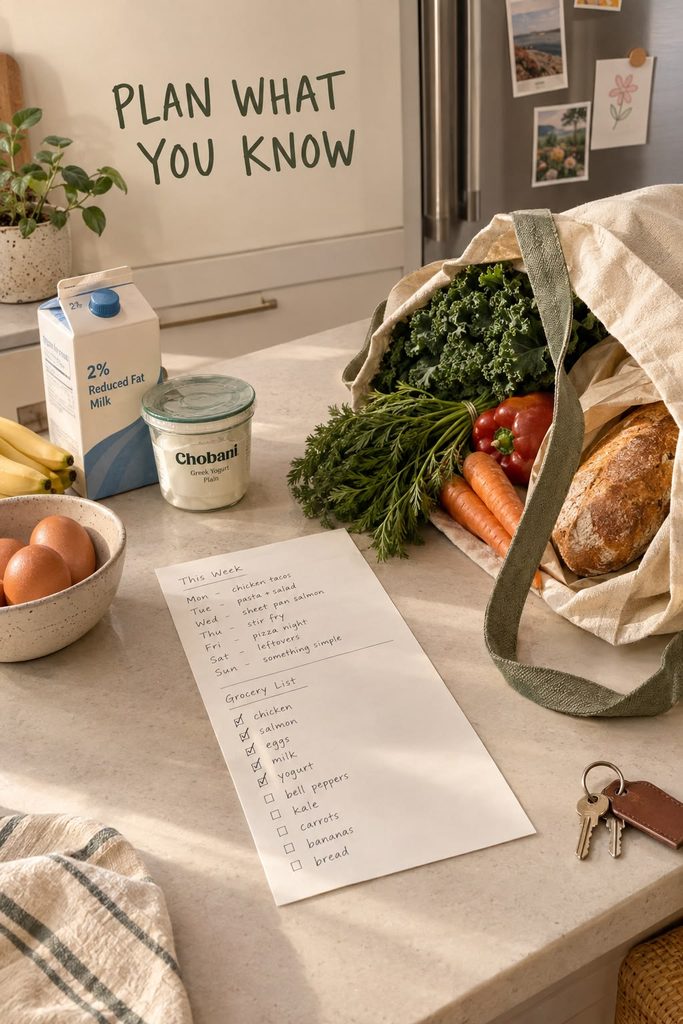
Grocery shopping becomes easier when you understand how much food you normally consume. Before moving out, pay attention to the meals you eat during an ordinary week.
Notice which foods you regularly use and which ones often remain untouched. This can help you avoid buying too much food after you start living alone.
Make a simple list of foods you usually eat for breakfast, lunch, dinner, and snacks. You can then estimate how much of each item you actually need each week.
Learning basic portion sizes can also help reduce unnecessary spending and food waste. You should also learn a few affordable meals that are easy to prepare.
Choose meals that use simple ingredients you can find easily in nearby stores. Having several reliable meals can save money when you are tired or busy.
It can also stop you from ordering expensive takeout simply because you lack options. You do not need to become an expert cook before moving out.
Knowing how to make simple meals consistently can already make independent living easier. Start with meals you already enjoy instead of trying complicated recipes immediately.
Keep a few quick options available for days when cooking feels difficult. Over time, you will learn which groceries fit your budget, schedule, and eating habits.
You may also discover which foods are worth buying in larger quantities. Planning your groceries around your real lifestyle can make shopping simpler and more affordable. The goal is not perfect meal planning, but learning what works for you.
8. Learn Basic Cleaning Before You Move
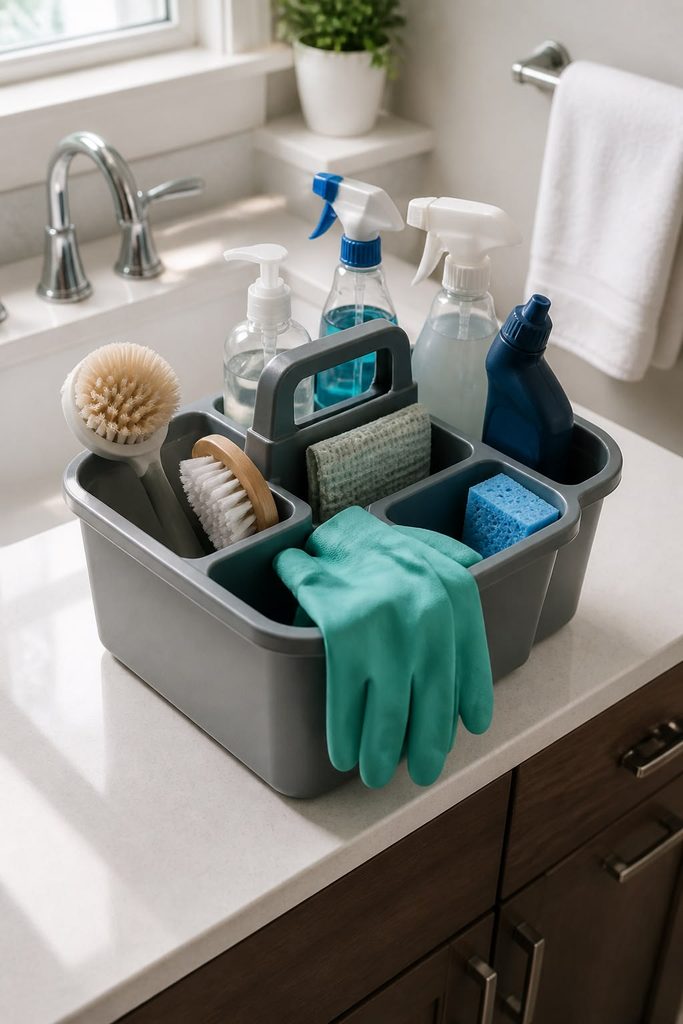
Cleaning may seem simple until you suddenly have an entire home depending on you. Learn how to clean your bathroom, kitchen surfaces, floors, windows, and other common areas.
You should also understand how to use basic cleaning products safely and properly. Ask someone experienced to show you anything you do not already know.
Try practicing before moving so your first cleaning day feels less overwhelming. A simple weekly cleaning routine can keep your home manageable without taking your whole weekend.
You can also divide bigger chores into smaller tasks throughout the week. Cleaning becomes easier when you handle small messes before they become bigger problems.
The goal is creating simple habits that help your home stay comfortable and manageable.
Find even more inspiration: What to Expect When You Move Out for the First Time
9. Learn How to Do Your Laundry Properly
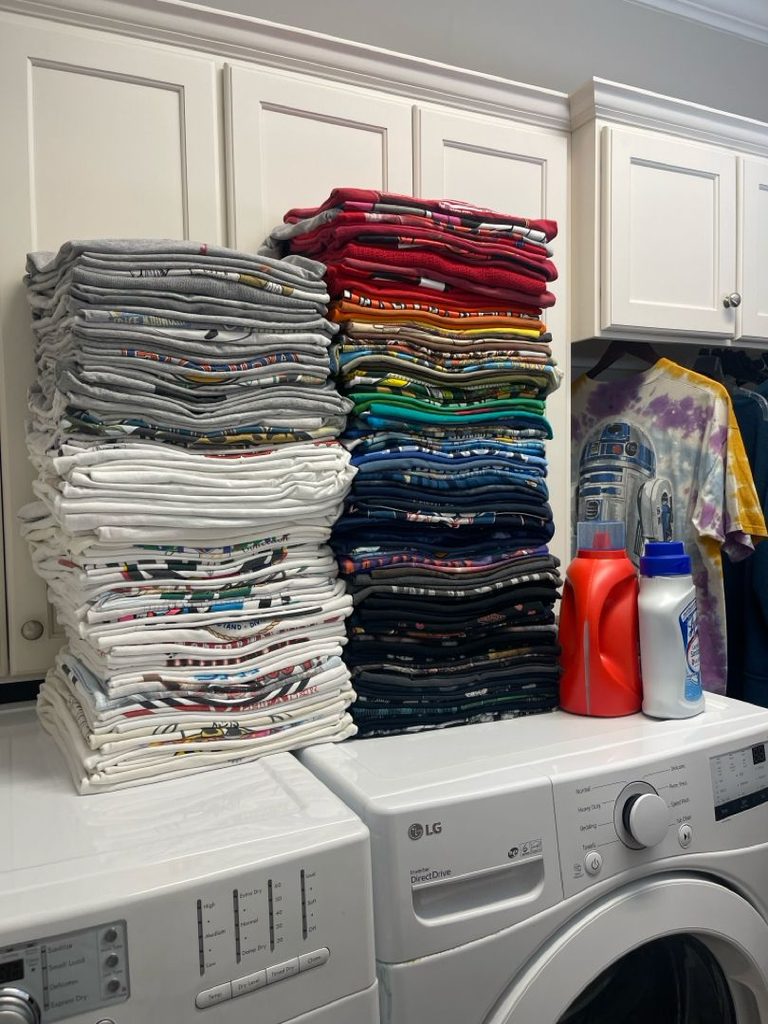
Before moving out, learn how to wash, dry, fold, and properly store your clothes. Pay attention to clothing labels because different materials may require different washing methods.
Learn which clothes can be washed together and which ones need separate treatment. You should also know how to handle basic stains before they become permanent.
It is easier to learn these things while you still have someone experienced nearby. Practice different laundry routines so you understand what works best for your clothes.
Learn how much detergent to use because using too much can sometimes damage fabrics. Also understand how to dry different clothes properly to prevent unnecessary shrinking or damage.
Laundry becomes much less stressful once you understand your own routine. Choose a regular laundry day that works comfortably around your schedule.
Having clean clothes ready can remove one small problem from your busy week. A simple laundry routine can also prevent dirty clothes from piling up around your home.
You won’t believe these ideas: What to Expect During Your First Week Living Alone
10. Make a List of Household Essentials
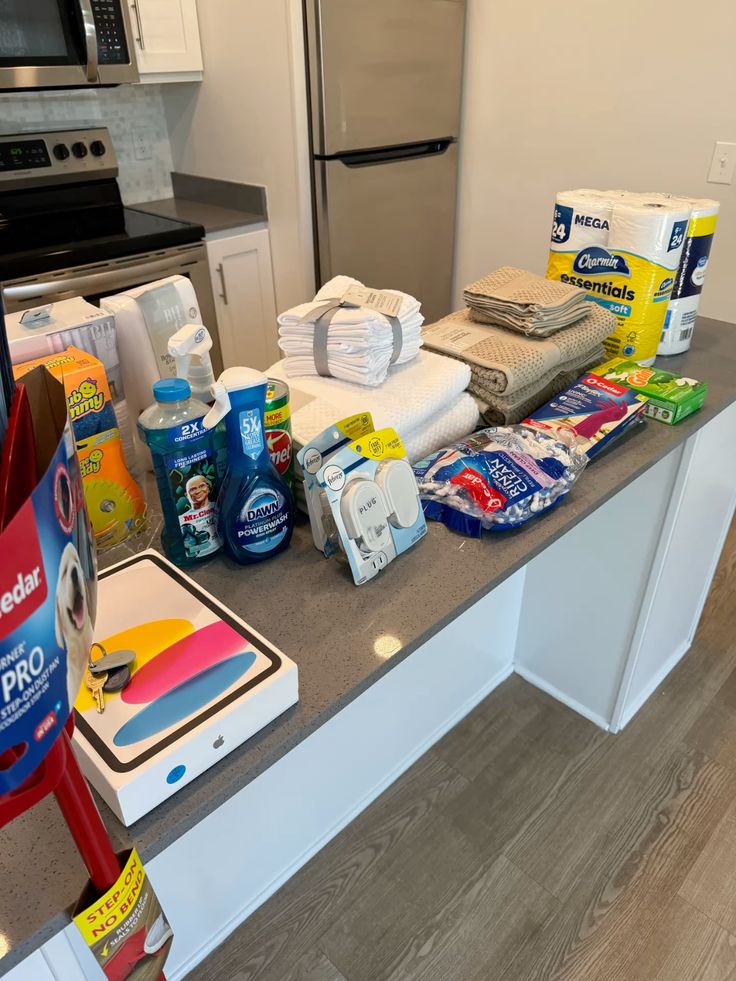
Before moving, make a realistic list of things you will need immediately. Think about bedding, towels, kitchen basics, cleaning supplies, toiletries, lighting, and simple storage.
Do not assume you need every household product advertised online or in stores. Start with the things you will actually use during your first few weeks.
You can buy additional items later when you understand your space better. This approach protects your money and prevents your new home from becoming overcrowded.
You may also discover that friends or family already have useful items they no longer need. Ask before buying everything brand new because simple savings can add up quickly.
You’ll use this again:How to Navigate Your First Month of Independent Living
11. Decide What You Are Taking From Home
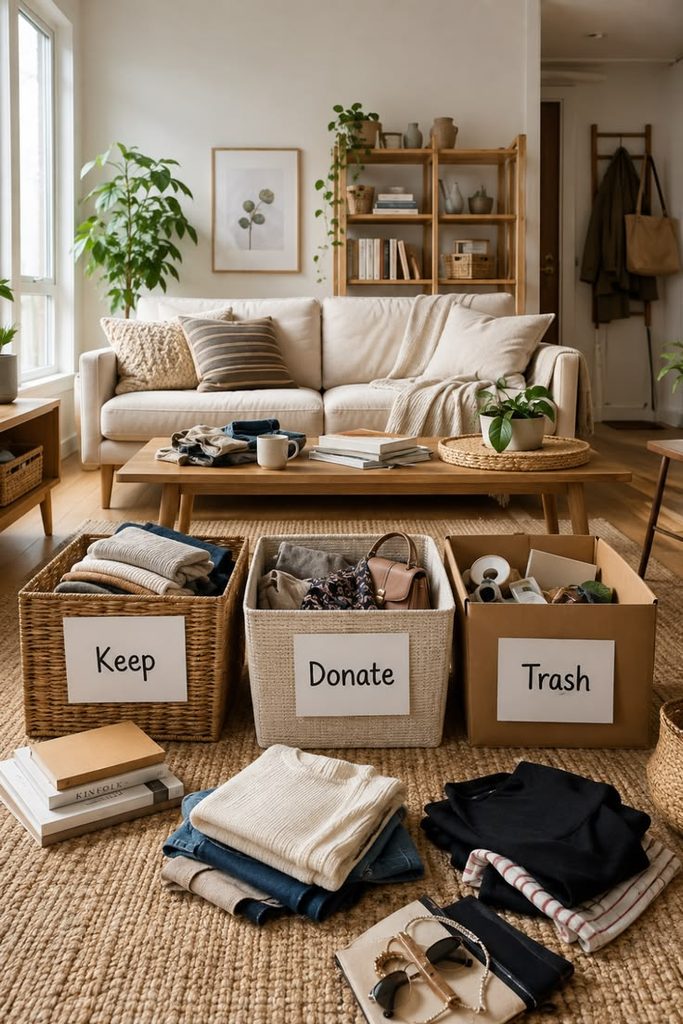
Moving out gives you a chance to decide what belongings deserve space in your new home. You probably have clothes, books, decorations, kitchen items, documents, and other personal belongings.
Instead of packing everything automatically, go through your things before moving day. Ask yourself what you actually use, need, value, or genuinely want to keep.
Getting rid of unnecessary items can make packing and unpacking much easier. You may also save money by using things you already own instead of buying replacements.
During my first big packing experience, I discovered several things I had forgotten existed. That taught me to sort belongings before packing instead of simply moving everything together.
Most popular this week: How to Prepare Financially Before Living on Your Own
12. Learn Basic Home Maintenance
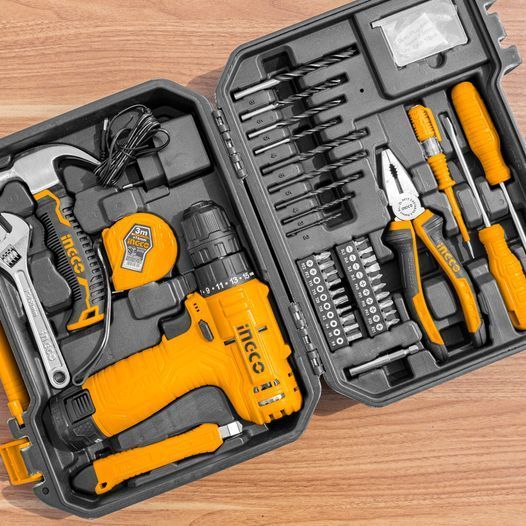
You do not need to become a professional handyman before living alone. Still, knowing a few basic home tasks can save you time and unnecessary stress.
Learn how to replace a light bulb, reset basic switches, and handle simple household problems. You should also know when a problem needs professional attention instead of personal experimentation.
Keep basic tools somewhere accessible so you are not searching during an emergency. A small toolkit can become surprisingly useful once you have your own place.
You will gradually learn more as different situations appear around your home. For a wider collection of useful skills, 45 Life Skills to Learn Before Living on Your Own is worth saving.
13. Prepare an Emergency Contact List
Before moving out, write down important contacts and keep them somewhere easy to find. Include trusted family members, close friends, building contacts, repair services, and emergency numbers.
Do not rely only on remembering phone numbers during stressful situations. Keep the information on your phone and somewhere physical inside your home.
You can also include details about your insurance, utilities, landlord, or property manager. The goal is simple: know who to contact when something unexpected happens.
You may never need the list urgently, but having it can bring peace of mind. Good preparation often means preparing for things you hope never happen.

14. Plan How You Will Handle Transportation
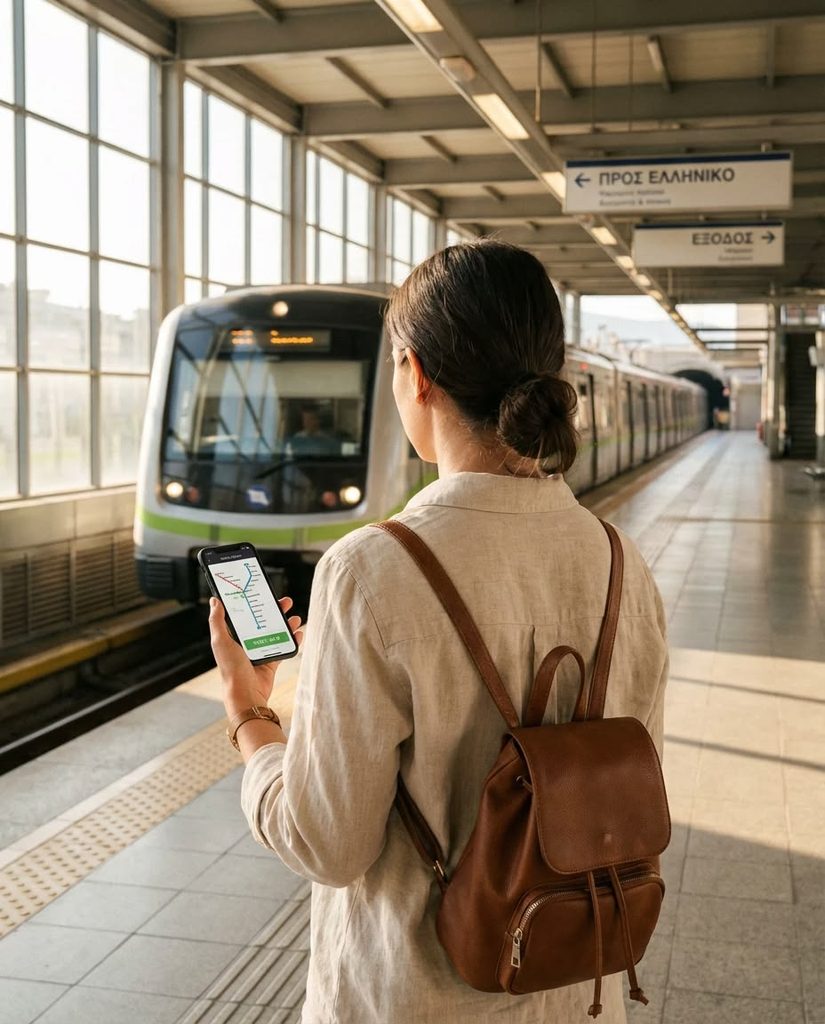
Transportation can affect your budget, schedule, job, and overall experience after moving out. Before choosing your home, understand how you will get around during normal weeks.
Look at public transportation, walking routes, ride services, taxis, parking, and fuel costs. Think about your regular trips instead of only considering the journey to work.
Groceries, appointments, social activities, emergencies, and weekend plans also require transportation. If buying a car is part of your plans, learn about the full cost beforehand.
25 Things to Know Before Buying Your First Car can help you understand the responsibilities involved with that decision.
15. Learn How to Manage Your Time
Living alone gives you more freedom, but that freedom can make time management harder. Nobody may remind you to wake up, clean, shop, pay bills, or prepare meals.
Create a simple weekly routine before moving so you have some structure from the beginning. Include work, school, rest, exercise, cleaning, shopping, and personal time.
Do not fill every available hour because rest is also part of staying productive. A realistic routine should give you enough room for unexpected tasks and changes.
You can always adjust your schedule after discovering what works in real life.

16. Practice Making Decisions Without Constant Guidance
Independent living requires you to make many small decisions every single day. Some choices will involve money, home maintenance, schedules, food, transportation, or personal boundaries.
You do not need to make every decision perfectly to become responsible. Start practicing by researching options and choosing based on your actual needs.
Ask trusted people for advice when you need another perspective. Still, remember that listening to advice does not mean giving someone else control.
You are learning to consider information, make a choice, and accept the result. That skill will become useful in almost every area of adult life.
For a broader look at the changes ahead, 35 Firsts to Prepare for When You Become an Independent Adult is a helpful next read.

17. Think About Your Safety
Your first home should give you comfort, but safety should always remain part of your planning. Check the locks, windows, lighting, entrances, and surroundings before settling into the space.
Learn the safest routes around your neighborhood and notice places you may visit regularly. Avoid sharing private information about your home with people you do not trust.
Keep spare keys carefully and know who can access your home. You should also have a simple plan for handling emergencies when you are alone.
Safety preparation does not mean living in fear or expecting something bad. It simply means taking reasonable steps to protect yourself and your belongings.

18. Set Boundaries Before People Start Testing Them
Your new home can quickly become a social space once friends and relatives know where you live. That can be fun, but you still need rules that protect your peace.
Think about visitors, overnight guests, borrowed belongings, quiet hours, and personal privacy. Decide what feels comfortable before someone else makes those decisions for you.
You can be welcoming while still having clear limits around your home. Simple boundaries are easier to maintain when you communicate them calmly from the beginning.
Remember that saying no to something uncomfortable does not make you rude. It simply means you understand that your home is also your personal space.

19. Prepare Emotionally for the Change
Moving out can bring excitement and sadness at the same time. You may feel proud about your independence while also missing familiar routines and people.
Give yourself permission to experience those feelings without treating them like failure. You are leaving behind a familiar way of life and creating something different.
Stay connected with people who support you, but also give yourself space to grow. Create comforting routines that make your new home feel familiar over time.
A favorite meal, evening walk, phone call, or quiet reading time can help. Small routines can make an unfamiliar home start feeling like your own.

20. Make a Plan for Unexpected Expenses
Before moving, think about expenses that may not appear in your normal monthly budget. A broken appliance, medical need, urgent trip, repair, or replacement can happen unexpectedly.
You do not need to predict every possible problem before becoming independent. Instead, create a small financial cushion that can absorb some surprises.
Keep this money separate from the cash you normally spend each month. That makes it easier to avoid using your emergency money for casual purchases.
You can also keep a short list of expenses you could reduce during difficult months. Having a backup plan can make unexpected problems feel less frightening.
Find even more inspiration:How to Build Confidence During Your First Year of Adult Life

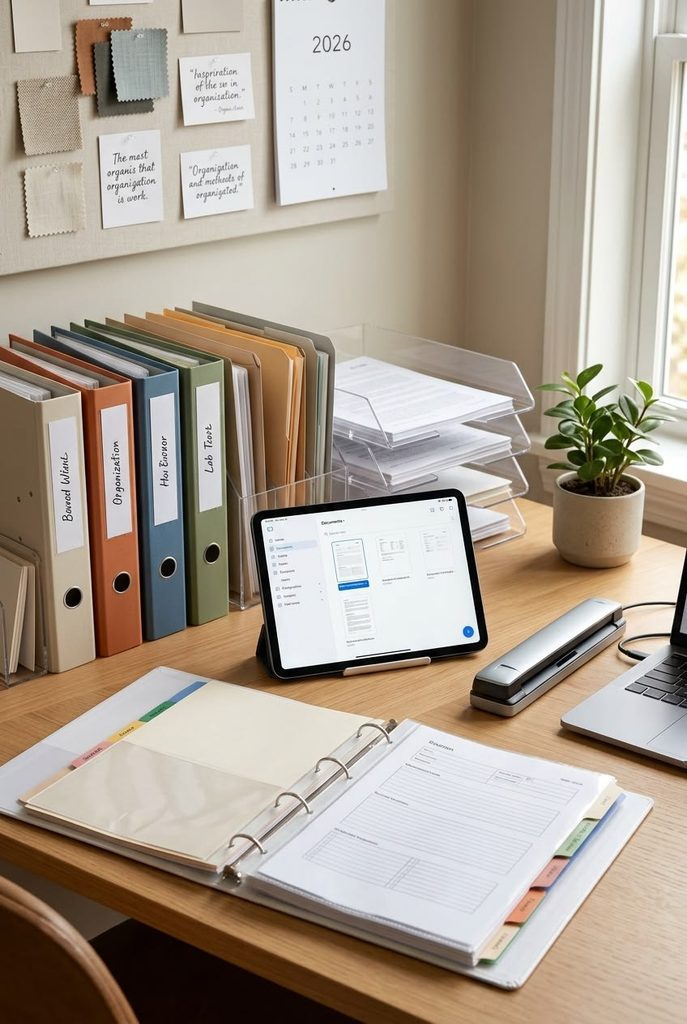
21. Understand Your Important Documents
Before living alone, make sure you know where your important documents are stored. These may include identification, housing documents, employment records, financial information, insurance papers, and other personal records.
Keep physical documents somewhere safe and organize digital copies when appropriate. Do not leave important paperwork scattered across different bags, drawers, or devices.
You may need certain documents quickly when dealing with housing, work, banking, or transportation. Knowing exactly where they are can save you unnecessary stress later.
Good organization also makes future adult responsibilities easier to handle.
For another useful preparation guide, 35 Adult Responsibilities You May Encounter for the First Time can help you think ahead.
22. Decide What You Want Your First Year to Look Like
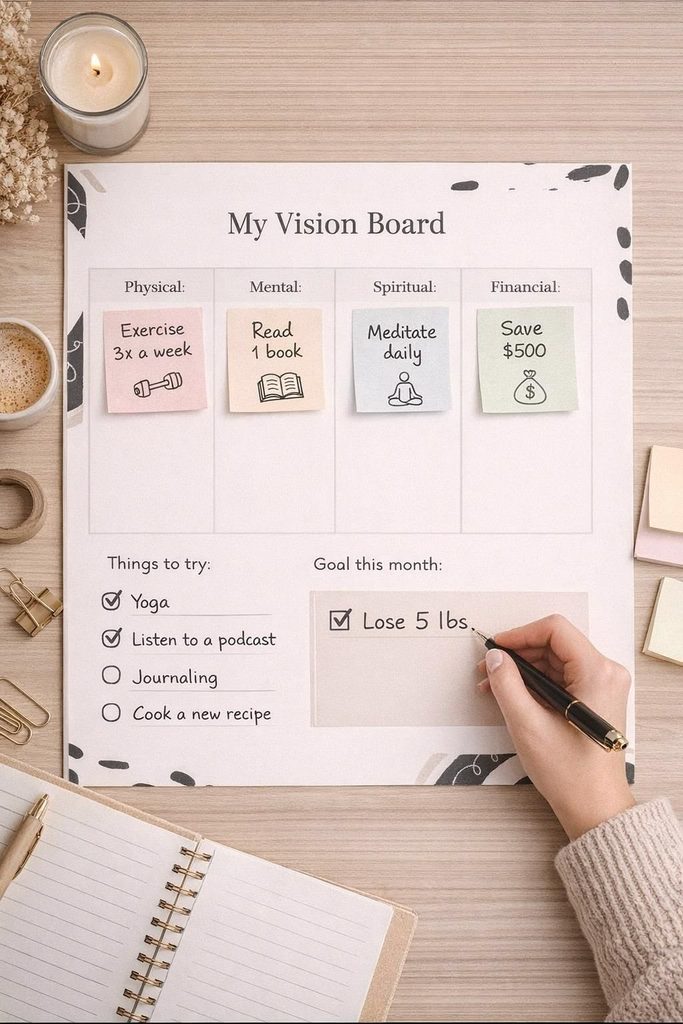
Moving out is not only about surviving your first few weeks. It can also be a good time to think about what you want to accomplish.
Maybe you want to build savings, improve your career, learn cooking, or become more organized. You might want to reduce debt, create healthier routines, or become more confident financially.
Choose a few realistic goals instead of creating a huge list you cannot maintain. Write them down and check your progress every few months.
Your goals can change as you learn more about yourself and your circumstances. The important part is having some direction while you adjust to independent living.
Steal these ideas: How to Manage the Responsibilities of Living on Your Own
23. Prepare for Your First Major Move
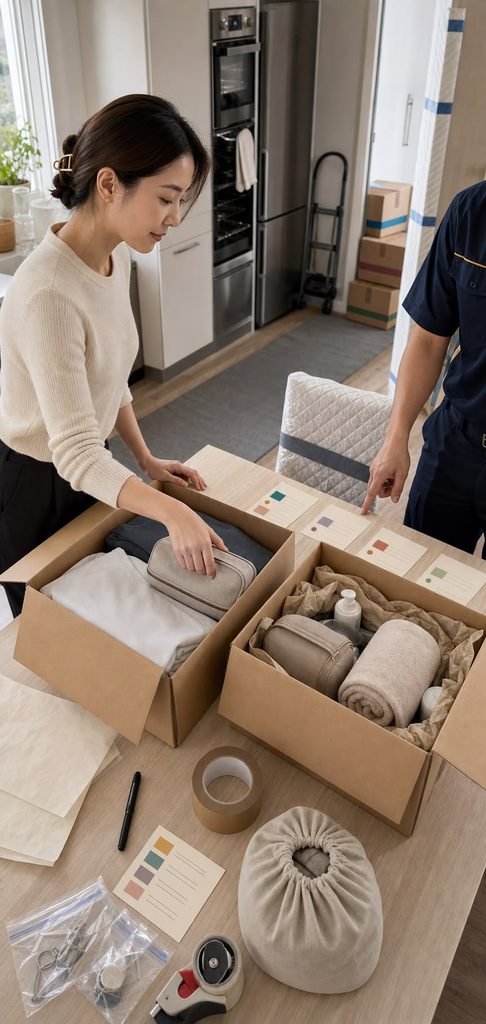
Some people move out for the first time and later discover they underestimated the actual moving process. Packing, transportation, cleaning, documents, timing, and unexpected delays can all become stressful.
Give yourself enough time to prepare instead of trying to complete everything during one weekend. Make a moving checklist and separate tasks according to when they need attention.
Label boxes clearly so you can find essential items without opening everything. Keep important documents, chargers, toiletries, medications, and basic clothes somewhere easily accessible.
For a complete preparation guide, 45 Things to Do Before Your First Big Move can help you organize the process.
24. Think About What Happens After You Move
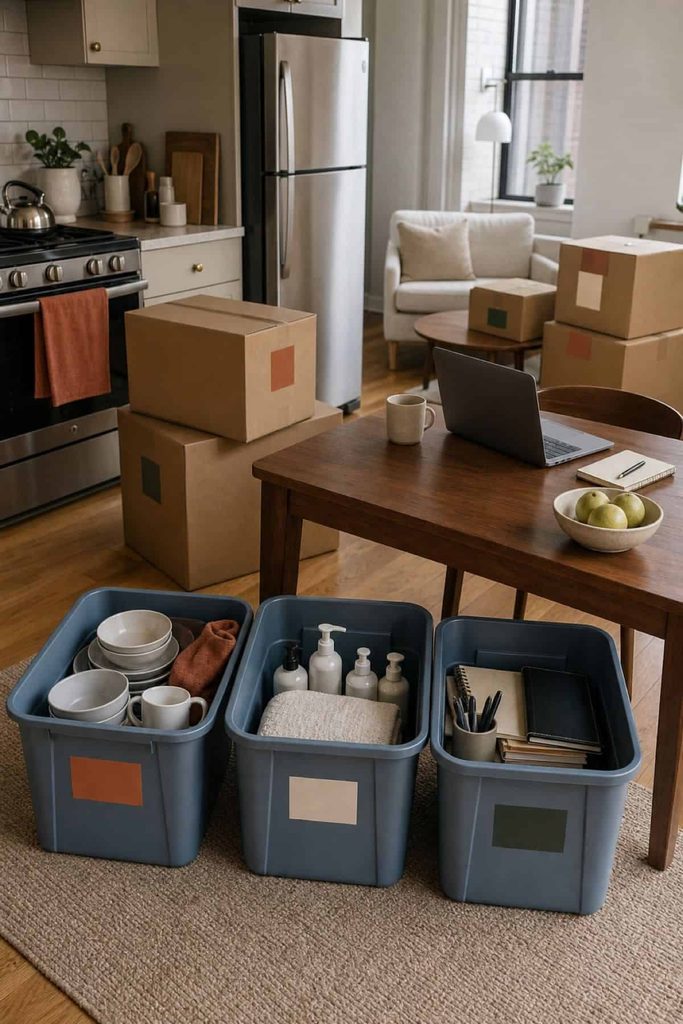
Moving day is important, but your preparation should continue beyond the first night. Think about groceries, cleaning, bills, transportation, work schedules, and your first week.
You may need time to learn nearby stores, routes, services, and useful places. Give yourself a simple plan for settling into your new surroundings.
Do not expect everything to feel normal immediately because adjustment takes time. Your first month will probably teach you things that preparation alone cannot teach.
For that reason, it helps to know what might happen after the excitement fades.
35 Things to Expect During Your First Month of Independent Living gives you a closer look at that stage.
25. Give Yourself Permission to Learn as You Go
You can prepare carefully and still discover that some things feel harder than expected. That is normal because living independently involves real situations that planning cannot completely predict.
You may forget something, spend too much, misunderstand a task, or make a poor choice. Do not let one mistake convince you that you are not ready for adulthood.
Learn what happened, correct the problem, and make a better plan next time. During my first real attempt at managing everything alone, I expected confidence to come immediately.
Instead, confidence grew slowly as I handled one ordinary problem after another. That experience taught me that preparation does not remove every challenge from independent living.
It simply gives you a stronger foundation for handling those challenges when they arrive. Your goal is not to become perfect before moving out. Your goal is to become prepared enough to keep learning after you move.
The ultimate guide is here: How to Prepare for Your First Utility Bills

“Turn this list into a plan. The First Apartment & Moving-Out Planner puts the budget, bills, packing, and first-month checklists in one fillable PDF. [See What’s Inside]”
Final Thoughts
Living on your own for the first time can feel like stepping into a completely new world. You suddenly have more freedom, but you also have more decisions waiting for you.
The good news is that you can prepare for many of those decisions before moving day. Start with your money, housing, food, safety, transportation, household skills, and personal routines.
Then give yourself enough space to prepare emotionally for the changes ahead. You will probably forget something despite making the best checklist you can create.
That is okay because independent living is not about getting everything right immediately. It is about becoming more capable each time you face something unfamiliar.
The more prepared you are, the easier it becomes to handle the unexpected parts. You will learn what works for your lifestyle and what needs to change.
Some lessons will come from planning, while others will come from simply experiencing life. Your first home does not need to be perfect to become an important part of your story.
You just need to create a foundation that gives you room to grow. Take your preparation seriously, but do not let the process scare you.
You are allowed to be excited, nervous, uncertain, and hopeful at the same time. That combination is often what stepping into independence actually feels like. Start small, prepare wisely, and remember that you can learn the rest along the way.
Leave a Reply