Nobody warns you that your first real paycheck can vanish before the month is half over. You get paid on Friday and feel rich by Saturday night. By the next Thursday, you are opening your bank app with one eye closed.
If that sounds like you, relax, because you are far from alone. Almost everyone in their twenties goes through this, and most of us were never taught how money works.
Here is the thing nobody says out loud about money and young adults. Your money does not vanish because you are careless or bad with numbers.
It vanishes because it has no plan, and money without a plan always wanders off somewhere. A budget is simply that plan, written down in plain words so every bit of money knows its job.
Maybe you tried budgeting before and quit after one week. Plenty of people do, since most budgets online look like spaceship control panels full of charts and rules.
Mine will not look anything like that, and I promise to keep things light. We are going to keep this small, simple, and gentle enough that you will actually stick with it.
By the end of this post, you will have a real budget built from your own numbers. You will know what comes in, what goes out, and what is left for the fun parts of life.
If you are tired of running dry before payday, check out How to Stop Living Paycheck to Paycheck after this. Grab a pen, open your notes app, and let us build this together, one step at a time.

How to Create Your First Monthly Budget
Know What You Really Earn
Every budget starts with one honest number, and that number is your real income. Not the salary written in your job offer, but the money that lands in your account.
Taxes, pension, and other deductions take a bite, so your take-home pay is always smaller. During my first job, I planned my life around the bigger number and felt confused when the alert arrived.
My rent, transport, and food plan collapsed in about ten days.
Check your payslip or your bank alert and write down what you actually received. Struggling with your payslip? How to Read Your First Paycheck Without Feeling Confused explains every line in simple words.
Add up any other money that comes in regularly, like allowances, side gigs, or small business sales. Only count money you are sure about, because guessing high is how budgets break.
Pay close attention if your pay date shifts around, since late payments can mess up your plans. A good rule is to build your budget on the lowest amount you expect.
When extra money shows up, treat it as a pleasant bonus instead of part of the plan.
Once you have the number, write it at the top of a fresh page. Everything else in your budget will sit underneath it and depend on it. This tiny step feels boring, but it keeps you from building a house on sand.
Take your time here, because a clear starting point makes every other step easier. Most budget problems begin when people spend from a pay figure that never existed.
Write it in bold, circle it, or stick it on your wall if that helps. Seeing it every day keeps your spending honest and your plans realistic.
Worth a look: 35 Things to Know Before Getting Your First Credit Card

List Your Fixed Bills First
Fixed bills are the costs that show up every month, and they do not care about your mood. Rent, electricity, internet, data, transport, and phone credit all belong on this list. Write each one with its exact amount and the date it is due.
Do not round down to make yourself feel better, because the bill will not round down for you. Late fees are small, but they are a sign that your plan has a hole in it. One missed bill can set off a chain of problems you never saw coming.
Next, add the yearly or quarterly bills that people tend to forget completely. Things like insurance, school fees, subscriptions, and licence renewals can ambush you if they are not planned.
Divide each of them by twelve and treat the result like a monthly bill. This way, the big payment does not feel like a punch when it finally arrives.
Missing one of these can wreck a month that otherwise looked perfectly fine. A little planning now saves you from a nasty surprise later.
Once everything is listed, add it all up and look at the total honestly. For many young adults, fixed bills eat half of their income, and that is okay for now. What matters is knowing the number, so you can decide what to do about it.
Later, you can find ways to trim it down, but first you need the truth. Bills still slipping past you? Try How to Create a Monthly Bill Payment System for a simple fix.
Put the list somewhere you can see it, because hidden bills have a way of becoming late bills.
Track Where Your Money Goes for One Month
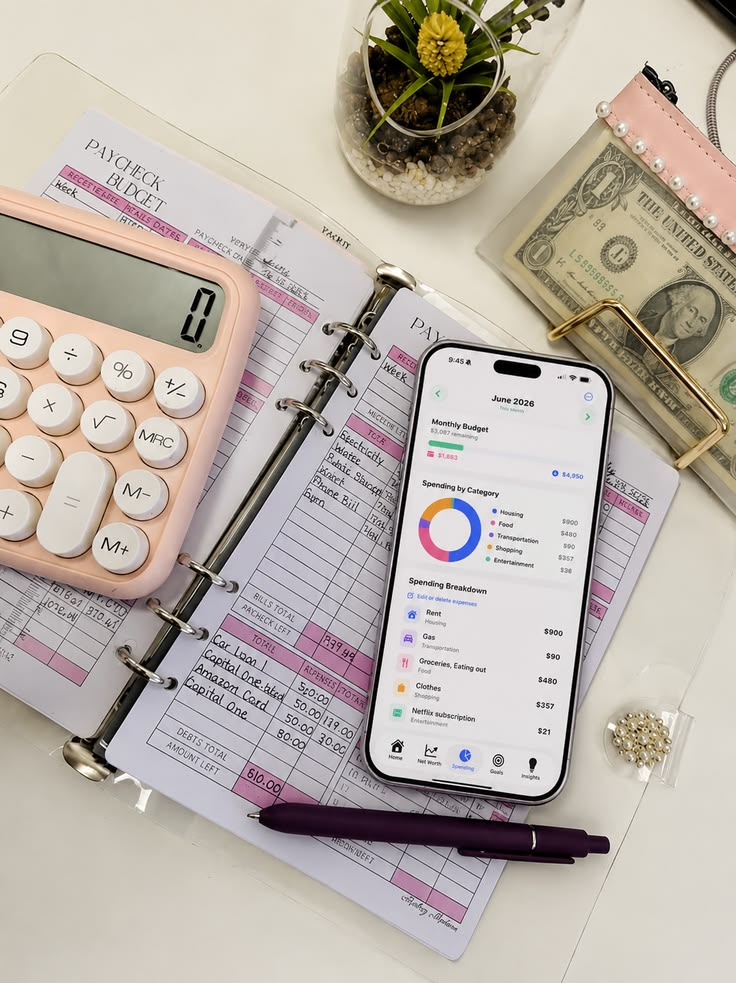
This step sounds tiring, but it is the one that changes everything for most people. For one month, write down every single thing you spend money on, even the small stuff.
Use a notebook, your phone notes, or a free app that feels easy to you. Snacks, ride fares, data top-ups, and coffee all count, because small things add up quickly.
During my first month of tracking, I found out I spent more on takeout than on transport. I honestly thought I was being careful, and that number humbled me fast.
Do not judge yourself while you track, because shame makes people quit early. You are only collecting facts, like a detective studying a case. Sort your spending into simple groups, such as food, transport, fun, shopping, and gifts.
At the end of the month, add up each group and look for patterns. Most people spot two or three habits that quietly drain their money. Many people find a full week of salary has gone to delivery fees alone.
Those patterns are not bad, they are just information waiting for you to use. Now you can choose what to keep, what to reduce, and what to drop. Tracking also shows you how much money you really need for a normal month.
That number becomes the base of your budget, and it is far better than guessing. If tracking feels heavy, start with one week and build from there. Even a messy record beats having no record at all.
Think of it as a map that shows exactly where you are standing right now. You cannot plan a trip if you do not know your starting point.
Bookmark this post: How to Save Money While Living Alone
Sort Your Money Into Three Groups
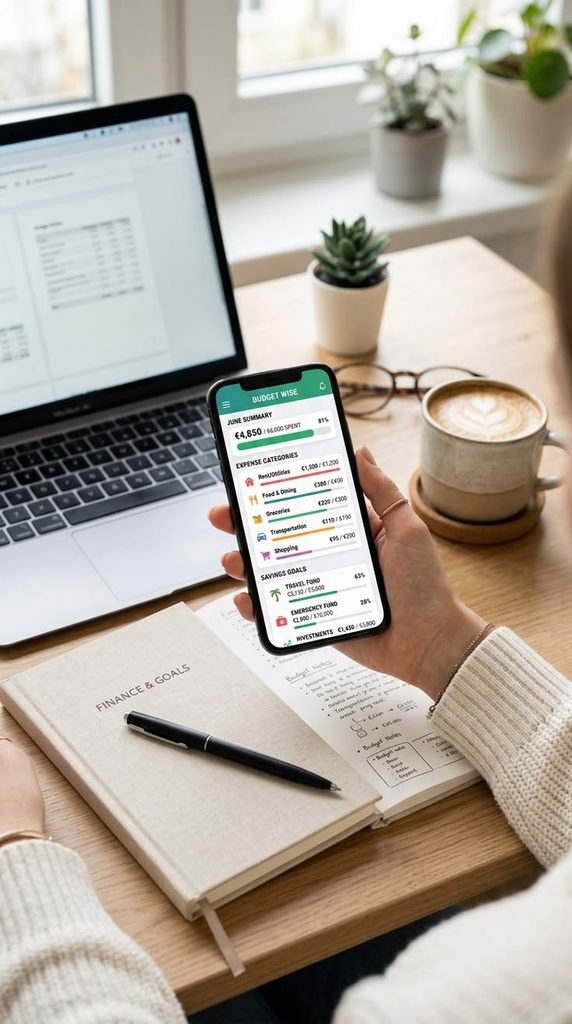
Now comes the fun part, which is giving every bit of your income a clear job. A simple method many people love is the 50/30/20 rule, and it is easy to remember.
Fifty percent goes to needs, thirty percent goes to wants, and twenty percent goes to savings and debt. Needs are the things you cannot live without, like rent, food, transport, and basic bills.
Wants are the extras that make life enjoyable, like outings, shopping, streaming, and treats. Savings are the money you pay to your future self, and we will talk more about that soon.
This rule is only a starting point, so do not panic if your numbers look different. Living in an expensive city might push your needs to sixty percent, and that is fine.
The goal is to stay honest and to move slowly toward a balance you can live with. If your income is small, protect your needs first, then squeeze a little into savings.
Even five percent saved is a real win when you are just getting started. Budgets are tools, and tools work best when you shape them to fit your life.
Take your tracking notes from the last step and place each expense into its group. Some items will feel confusing, like a phone plan, which can be a need and a want. Pick the cheapest version as the need, and count anything above it as a want.
This small trick keeps you honest without making you feel restricted. Write the three totals next to each other and compare them with the rule. Seeing the gap between your real spending and the ideal one gives you a clear target.
Pin this for later: How to Open the Right Bank Account for Your Lifestyle
Pay Yourself First
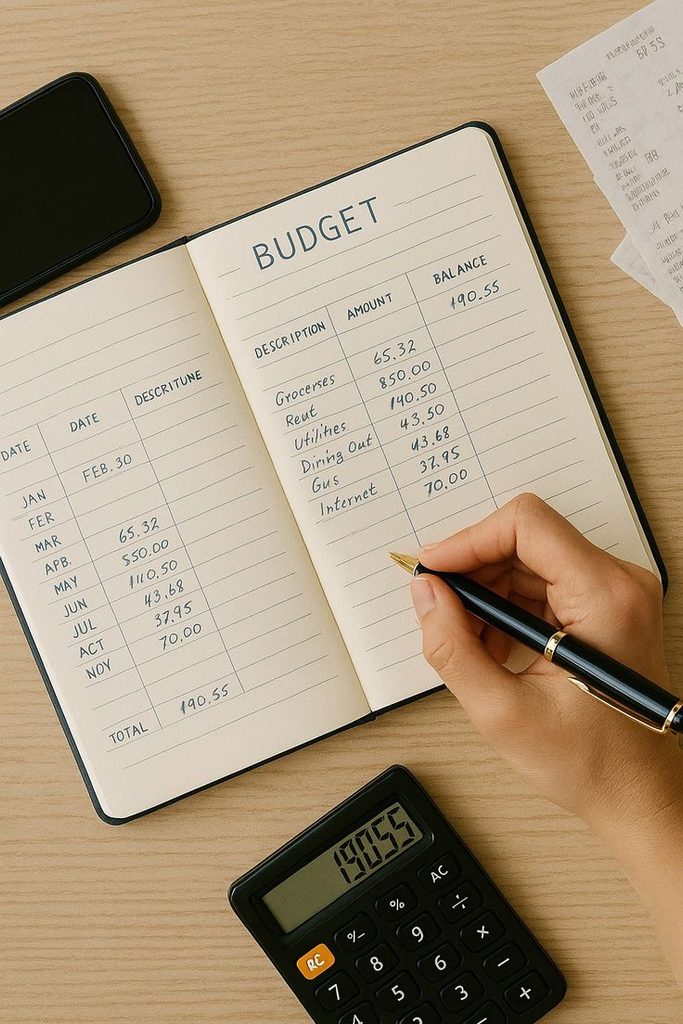
Most people save whatever is left at the end of the month, and usually nothing is left. Flip that habit by moving your savings out of your account the moment you get paid.
This is called paying yourself first, and it is one of the smartest money moves you can make. Choose an amount that feels small enough to keep up, even if it is just a little.
Consistency beats size every time, because a small habit repeated for a year becomes something real. It is not about being rich, it is about being ready.
Your first savings goal should be a safety cushion for surprises like medical bills or job loss. I go deeper on this in How to Build an Emergency Fund From Scratch, but here is the quick version.
Aim for one month of basic expenses first, then slowly grow it to three months. Keep that money in a separate account so you are not tempted to touch it. Out of sight really does help when your friend invites you somewhere expensive.
Set up an automatic transfer for the day after your payday if your bank allows it. Automation removes the need for willpower, and willpower is a weak tool when you are tired.
You will be surprised how fast you stop missing the money once it is gone. After a few months, the balance starts to look like a small but proud achievement. Every time it grows, you feel a little more in control of your life.
If you ever need to dip into it, replace what you took as soon as you can. That habit alone will make you feel more secure than most people your age.
Take a peek; 45 Things You Should Know About Your First Paycheck

Set a Fun Money Limit
A budget with no room for fun will break within two weeks, and that happens to almost everyone. People think being responsible means saying no to everything, but that only builds resentment.
Give yourself a monthly fun allowance and spend it guilt free on whatever makes you smile. It could be movies, new shoes, a good meal with friends, or a small hobby.
The only rule is that you stop when the money is finished. Think of it as the reward that keeps the rest of your plan alive.
This works because a clear limit removes the guilt that usually follows every purchase. You already planned for it, so you can enjoy it without a second thought.
Many young adults spend wildly then feel awful, or they never spend and feel trapped. A fun budget sits happily between those two extremes and keeps your mood steady.
Use cash or a separate card for this category so you can see the balance clearly. Without it, even the strongest person eventually bursts and overspends in one wild weekend. That kind of crash can undo weeks of careful work in a single night.
When the fun money runs out early, resist the urge to borrow from savings. Wait for the next month and enjoy free things like walks, home movies, or game nights. Over time, you learn to stretch your fun money by choosing what you really love.
That skill is worth more than any extra income, because it stays with you forever. Keep a small list of cheap joys so you always have options. A budget you enjoy is a budget you will keep, and that is the whole point here.
You’ll thank yourself later: How to Build Credit Responsibly as a Beginner

Plan for Months That Feel Different
Not every month looks the same, and your budget should be able to handle that. Some months bring birthdays, holidays, school fees, or a sudden repair bill. Look back at the past year and mark the months that usually cost more.
Then set aside a little extra each month so those moments do not shock you. This kind of planning feels small, but it prevents a lot of panic and borrowing.
Planning early turns scary expenses into boring ones, which is exactly what you want.
Some people also deal with income that moves up and down every month. If that is you, read How to Budget When Your Income Changes Every Month after this one. The basic idea is to build your budget on your lowest earning month.
Anything above that amount goes into savings or toward a goal you care about. That way, a slow month will not knock you off your feet.
You can also keep a small buffer in your checking account for tight weeks. It is a little like keeping a rainy day umbrella in your bag.
Create a short list of surprise costs you can expect, such as phone repairs or gifts. Give each of them a rough price and add them to your monthly plan. It might feel strange to budget for things that have not happened yet.
But they will happen, and being ready makes them feel like normal parts of life. A budget that handles surprises is a budget that survives real life.
Think of it as a seatbelt that you hope never to use, but still wear. Every few months, review your list and update the prices so nothing catches you off guard.
See what others are reading: 35 Simple Ways to Save Money on an Entry-Level Salary
Pick a Tool You Will Really Use
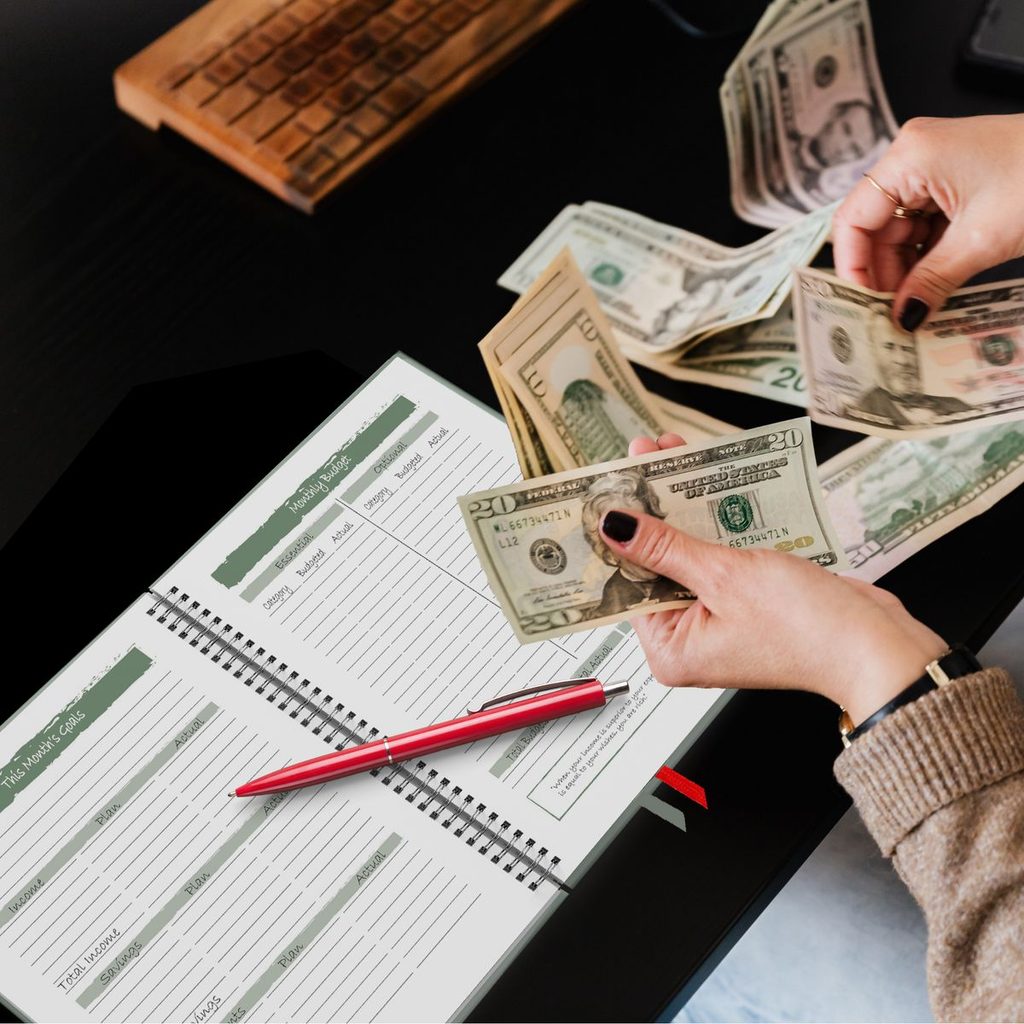
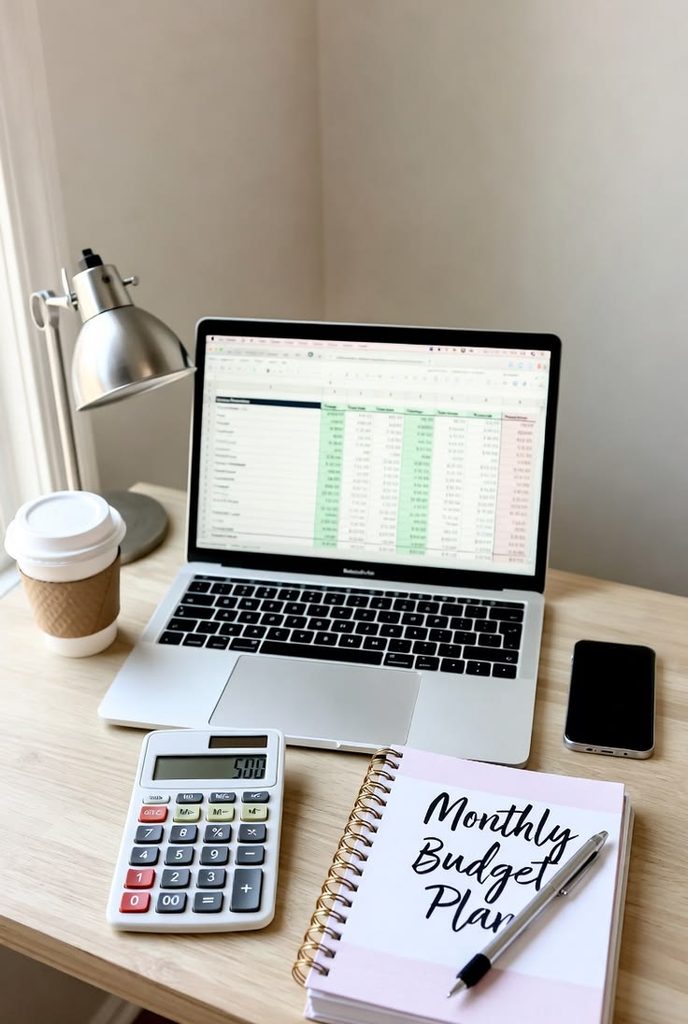
The best budgeting tool is the one you will open every week without complaining. Some people love fancy apps that link to their bank and sort everything automatically.
Others prefer a simple notebook, because writing by hand makes numbers feel more real. A basic spreadsheet is also great if you like seeing totals add up on their own.
Try one option for a month and switch if it feels like a chore. Many beginners waste weeks comparing apps instead of actually building the budget.
Whatever you pick, keep it simple enough that you can update it in ten minutes. If it takes an hour, you will stop, and nobody can blame you for that. Set a fixed time each week, maybe Sunday evening with your favourite snack, to update it.
Pair the habit with something you already enjoy, and it will stick much faster. Share the plan with a trusted friend or partner who can cheer you on. A free tool and a steady habit beat a paid tool you never open.
Name your categories in a way that makes sense to you, not to the app. Instead of calling something miscellaneous, call it what it really is, like random snacks. Clear names make it easier to notice patterns and decide what to change.
Do not copy someone else’s setup exactly, because their life is not yours. Your budget should feel like a comfortable pair of shoes that fits your own feet. Start with the basics, and add extra features only when you feel ready.
Fancy tools can wait, because simple habits do most of the work anyway. Remember that the goal is clarity, not perfection or pretty charts.
Readers also loved this: 25 Financial Goals to Set Before Living on Your Own
Check In Every Single Week
Building the budget is only half the job, because the real magic is in checking it. Once a week, sit down for ten minutes and compare your plan with what actually happened. Look at each group and see where you are ahead and where you are behind.
In my second month of budgeting, I skipped these check-ins and thought everything was fine. By the third week, I had spent almost all my fun money and half my food money. A quick glance on week one would have shown me the problem in time.
During the weekly check-in, you do not need to fix everything at once. Just notice the numbers, adjust a little, and plan the next few days. If you overspent on food, buy fewer takeouts and cook more at home this week.
If you have money left in a category, move it to savings or keep it for later. Small corrections made early are much easier than big repairs made late. Keep the meeting short and cheerful, or you will start dreading it.
Celebrate your wins too, even tiny ones like staying under budget on transport. Reward yourself with something free, like a long walk or a movie night at home. Positive feelings make you want to repeat the habit, and that is how habits are born.
Over time, these ten minutes become the most valuable part of your week. You will feel calmer about money because you are no longer guessing.
You will see your balance with clear eyes and make decisions without fear. Put a reminder on your phone so it never slips your mind. A weekly habit is easier to keep than a monthly one.

Adjust and Improve Every Month
Your first budget will not be perfect, and that is completely normal. At the end of the month, sit down and review what worked and what did not.
Compare your planned numbers with your real numbers, category by category, without judging yourself. Ask which categories were too tight and which ones had room to spare.
Then update next month’s plan with what you learned from this one. Think of each month as practice that makes the next one better. Nobody gets it right the first time, and experts still tweak their plans.
Life changes, so your budget has to change with it. A new job, a raise, a move, or a new bill all call for fresh numbers. Do not wait for a crisis, and update the plan the moment something big shifts.
When you get a raise, decide in advance how much goes to savings before lifestyle creeps up. That tiny rule can double your savings over a few years without any extra pain.
Also keep an eye on prices, since food and transport costs rise quietly over time. Updating your numbers often keeps your budget honest and useful for years.
Sometimes you will overspend, and that does not mean you failed. If it happens, check out How to Recover After Overspending Without Giving Up and start fresh.
One bad week does not erase the good habits you have already built. Reset, learn from it, and keep moving, because progress matters more than perfection.
Be patient with yourself, because money habits take time to grow. Within three or four months, your budget will feel natural, almost like brushing your teeth. At that point, you will wonder why you ever feared those numbers.

Final Thought
Creating your first monthly budget is not about restricting your life or chasing perfect numbers. It is about knowing where your money goes, so you can send it where it matters most.
You now have a simple path to follow, and none of it requires special skills. Start with your real income, list your bills, and track your spending for a month.
Then sort everything into groups, pay yourself first, and keep a little for fun. Plan for surprises, choose a tool you like, and check in weekly. Finally, adjust each month so your plan grows with your life.
Do not wait for the perfect moment, because there is no such thing as a perfect moment. Open your notes app today and write down your income, even if it feels awkward.
Tomorrow, add your bills, and by the weekend you will have a working draft. You will make mistakes, and that is fine, because every mistake teaches you something useful.
What matters is that you keep showing up and keep adjusting as you go.
Remember that your budget is a tool for freedom, not a cage that locks you in. When money is planned, you sleep better, argue less, and make choices with a calm mind.
The confidence you build here will follow you into every other part of your financial life. If this post helped you, share it with a friend who is also figuring things out.
Then take one small action today, because tiny steps are how big changes begin. You have more control over your money than you think, and this is where it starts.
Keep going, stay patient, and enjoy the process of becoming someone your future self will thank.
Leave a Reply