Payday hits, and for about forty minutes you feel like the richest person in town. You pay a few bills, treat yourself to something nice, and send a happy message to a friend.
Then the week rolls on, the balance drops, and by the last days of the month you are counting coins. That sinking feeling has a name, and it is called living paycheck to paycheck.
Millions of people live this way, and most of them earn a decent income. It is a tiring way to live, and it quietly steals your peace of mind.
Here is the surprising part, because this problem is not always about how much you earn. It is about how money moves through your hands from the first day to the last.
I have seen people with big salaries run dry, and people with small salaries stay calm. The difference is almost always a handful of simple habits that anyone can learn.
Think of it as a leaky bucket, where fixing the holes matters more than adding water.
In this post, we will walk through those habits slowly, with no scary jargon and no shame. You will learn where your money leaks, how to build a cushion, and how to stay steady.
No spending plan yet? Begin with How to Create Your First Monthly Budget before reading further. You do not need a second job or a miracle, only a clear plan and some patience.
Take a deep breath, because this cycle can be broken, and you can break it. Stay with me until the end, because the final steps are the ones that change everything. Let us start now and make the next payday feel completely different.
This is trending right now: 35 Ways to Save Money on an Entry-Level Salary
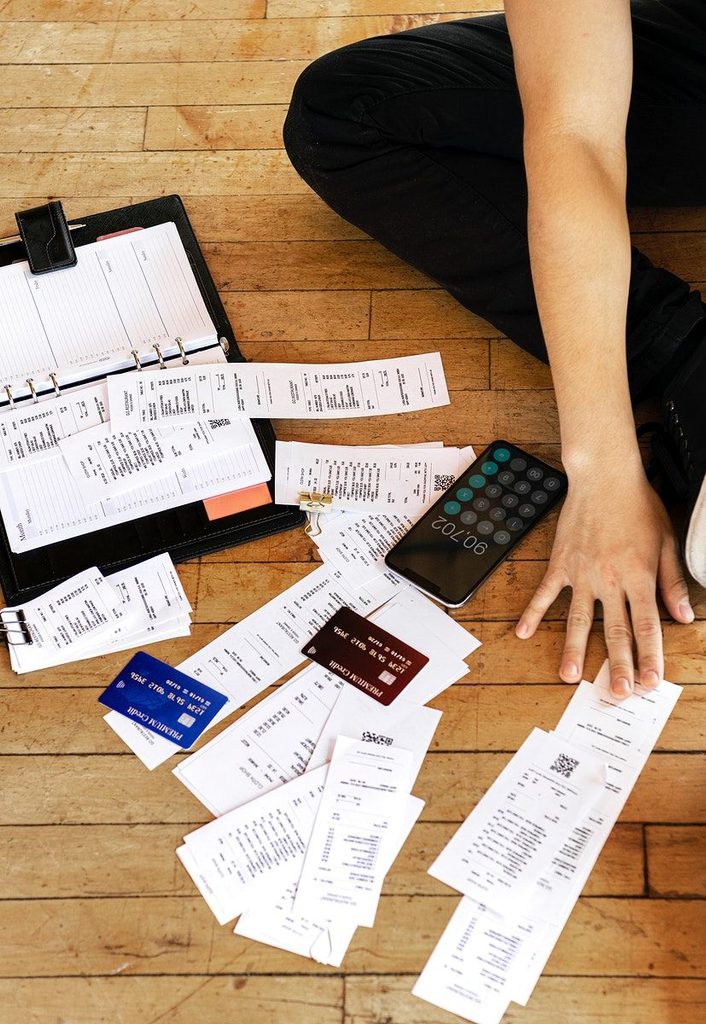
How to Stop Living Paycheck to Paycheck
What Living Paycheck to Paycheck Really Means
Living paycheck to paycheck means your money runs out before your next pay arrives. You may cover your bills, but you have nothing left over for savings or surprises.
One unexpected cost, like a medical bill or a car repair, can knock the whole month off track. This does not mean you are bad with money or that you are failing at adulthood.
Rising prices, low pay, and a lack of financial lessons in school affect millions of people.
Still, the pattern can be changed, even if your income stays the same for now. The first step is to see the cycle clearly instead of feeling ashamed of it. Shame keeps people quiet, and staying quiet keeps them stuck for years.
Once you name the problem, you can start working on it calmly. Think of this post as a friendly map out of the maze. Every person who escaped this cycle began exactly where you are standing today.

Why So Many Young Adults Get Stuck
Most young adults start work with big dreams and almost no money training. Nobody sat us down to explain budgets, taxes, or what happens when rent goes up. Social media adds pressure by showing everyone’s best outfits, trips, and gadgets.
During my first job, I got paid on the twenty eighth and felt broke by the fifth. I was not buying anything crazy, but I had no plan, so everything felt random.
These pressures are real, and they are not a sign that you are lazy. Understanding the cause helps you stop blaming yourself and start solving the problem. The good news is that small, steady changes can beat these pressures over time.
Everyone’s clicking on this: 45 Expenses to Budget for When You Live on Your Own

Look at Your Real Numbers First
You cannot fix what you refuse to look at, so start with your honest numbers. Write down your take-home pay, meaning the money that actually lands in your account.
If your payslip confuses you, How to Read Your First Paycheck Without Feeling Confused breaks it down. Next, list your fixed bills, like rent, transport, electricity, data, and loan payments.
Then look at your spending over the last two or three months.
Your bank app or mobile money history will show exactly where each coin went. Do this with a calm mind, because you are collecting facts and not handing out punishments. Some numbers will surprise you, and some will make you wince.
That is okay, because awareness is the first real step toward change. Keep the numbers in one place so you can compare them month after month.
A clear picture takes away the fear that comes from guessing. Fear usually shrinks once you see the actual amounts on paper.
Most popular this week: 25 Things to Include in Your First Monthly Budget
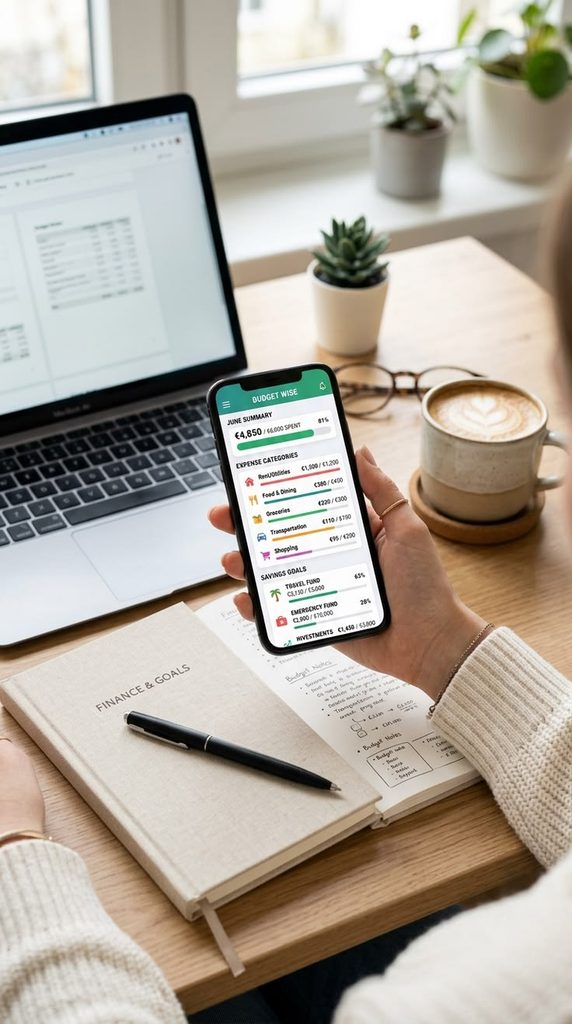
Find Where the Leaks Are
Small leaks sink big ships, and your money works the same way. A little coffee here, a delivery fee there, and a late night snack can add up fast. When I first checked my bank statement line by line, I found three subscriptions I had forgotten.
They had been charging me for months, and I had not used any of them. Go through your statements with a highlighter, and mark anything that feels small but frequent.
Look for bank charges, data bundles, and apps that renew automatically. Add up everything you highlighted, and you will probably find a surprising total. That total is money you can redirect without changing your life in a dramatic way.
Cancel what you do not use, and ask providers for cheaper plans when possible. Fixing leaks feels like finding free money hiding in your own pocket. Do this check every few months, because new leaks appear when you stop watching.

Separate Needs From Wants Honestly
Needs are the things you must pay for to live and work safely. Wants are the things that make life nicer but could pause without real harm. Rent, food, transport, and basic data usually count as needs for most people.
New shoes, restaurant meals, and the latest gadget usually sit in the wants group. The tricky part is that wants often sneak into the needs pile wearing a disguise.
A fancy gym is a want, even if you tell yourself it is for your health. Be honest and sort each expense, even the ones you feel a little defensive about. This is not about cutting all fun, but about knowing where your money really goes.
When needs take too much of your pay, you may need a cheaper home or cheaper transport. Those are big decisions, so take your time and look at all your options. Honest sorting gives you power, because you can now choose on purpose.
Fan favorite: 35 Money Habits to Start in Your 20s

Spend Less Than You Earn, Even by a Little
The secret to escaping the cycle is simple but not always easy, because you must spend less than you earn. Even a tiny gap, like a few percent of your pay, changes the story completely.
That gap becomes your savings, your cushion, and your freedom to say no to bad choices. Start by trimming one or two wants rather than slashing everything at once.
Extreme cuts feel heroic for a week, but they usually collapse when real life shows up.
Choose changes you can keep, like cooking more at home or fewer impulse buys. Track the gap you create, and watch it grow month after month. Watching it grow feels surprisingly good, and it keeps you motivated.
If you ever feel tempted to quit, remember that small gaps become large cushions over time. You are building a pattern, and patterns are stronger than moods. Keep your eyes on the gap, not on what you gave up.
Bookmark this post: How to Open the Right Bank Account for Your Lifestyle

Give Every Bit of Money a Job
Money without a job tends to wander off, and then you wonder where it went. Before payday arrives, decide exactly where each part of your income will go. Some goes to bills, some goes to food and transport, and some goes to savings.
A small slice goes to fun, so you do not feel trapped by your own plan. This method is sometimes called a zero based plan, because every coin has an assignment.
It stops the mystery of vanishing money, because nothing is left to drift. Write the plan on paper or in a notes app, and keep it simple. You can use a basic split like fifty, thirty, and twenty if that feels easy.
Adjust the percentages to fit your real life, because no two people live the same way. The point is control, not perfection, and control feels wonderful once you taste it. Review the plan at the start of each month and tweak it when life changes.

Build a Small Buffer First
A buffer is a tiny cushion that stops small surprises from wrecking your month. Without one, every unexpected cost forces you to borrow, skip a bill, or panic. Aim for a starter amount that covers a few days of basic needs.
Once that feels easy, grow it toward one week, then two, then a full month. For a full safety net, read How to Build an Emergency Fund From Scratch when you finish.
Keep the buffer in a separate place so you are not tempted to spend it. Move money into it the day after you get paid, before anything else grabs it. Every time the buffer grows, your stress shrinks a little.
People with a buffer make calmer choices, and calm choices cost less money. It is the single most powerful habit for leaving the paycheck cycle behind.
Do not wait for a perfect amount, because any cushion beats none. Small deposits count, and consistent small deposits count even more.

Pay Bills Right After Payday
Timing matters more than most people realise when money is tight. Pay your essential bills as soon as your salary lands, before the money gets distracted. This protects you from late fees, shut off notices, and the stress of remembering due dates.
List your bills with their due dates, and set reminders a few days earlier. If bills keep slipping through, How to Create a Monthly Bill Payment System gives you a simple routine.
Many banks let you schedule payments, so the money leaves without you lifting a finger. Pay the most important bills first, such as rent, power, and food, then handle the rest. Once they are done, the money left in your account is truly yours to use.
That feeling of safety is worth more than a pile of last minute spending. Late fees are a silent tax on people who are already stretched thin. Automate whatever you can, and keep manual payments only for bills that change.

Cut Costs Without Feeling Miserable
Cutting costs does not have to mean eating plain rice and never leaving the house. Aim for smart trimming instead of harsh punishment, because harsh plans rarely last.
Compare prices before big purchases, and wait a day before buying anything you do not need. Buy basic foods in bulk, cook larger meals, and carry lunch to work a few days a week.
Share costs with a friend or housemate where it makes sense, like internet or streaming.
Living alone raises costs quickly, so How to Save Money While Living Alone has more ideas for you. Look for free fun, like parks, game nights, and community events in your area.
Keep one or two small luxuries, because total deprivation leads to sudden overspending. Remember that you are shaping a life you enjoy, not just surviving a rough month.
Every cost you trim is a little more room to breathe next payday. Celebrate the savings, even when they look small on paper.

Tackle Small Debts Before They Pile Up
Debt is one of the biggest reasons people feel stuck from payday to payday. Monthly payments eat into your income, and interest quietly makes the balance grow.
List every debt you have, including the amount, the interest, and the minimum payment. Pay the minimums on everything, then send extra money to one debt at a time.
Many people like to clear the smallest balance first, because the quick win feels motivating.
Others choose the highest interest debt first, because it saves more money in the long run. Pick the method you can stick with, since sticking with it matters most.
Avoid taking new debt while you pay off old debt, because that keeps you running in circles. Learning to use credit wisely also helps, so check out How to Build Credit Responsibly as a Beginner too.
Each debt you clear frees up money that can finally go toward your own future. Talk to your lender early if you are struggling, since many offer gentler plans.

Stop Lifestyle Creep Before It Starts
Lifestyle creep happens when your spending grows every time your income grows. A raise arrives, and suddenly the nicer apartment, bigger phone plan, and weekend trips feel necessary.
Soon you earn more, but you still live paycheck to paycheck, and that is frustrating. When I got my first raise, I upgraded my phone and ate out more often within weeks.
The extra money disappeared, and my savings stayed exactly where they were.
A better approach is to decide in advance how to split any new income. Send half of every raise to savings or debt, and use the other half to enjoy life. That way, you feel rewarded without losing the chance to build real security.
Small upgrades are fine, but make them on purpose and not out of habit. Your future self will thank you for every raise you refused to waste. Remember that looking successful and being financially safe are two different things.

Increase Your Income in Small Ways
Cutting costs only goes so far, so growing your income can speed up your progress. You do not need to start a huge business or quit your job to earn more. Look at skills you already have, like writing, design, tutoring, baking, or fixing gadgets.
Small weekend gigs or online tasks can bring in steady extra money. Ask yourself what people around you need, and see if you can help for a fair price.
Negotiating your pay is another path, especially if you have grown in your role. Prepare examples of your wins, and ask for a raise with calm confidence. Send every bit of extra income straight to savings or debt before it can disappear.
Treat side income as a tool for progress and not as permission to spend more. Even a small boost each month can change how quickly you escape the cycle. Be patient with new income streams, because they usually start slow and grow.

Handle Uneven Pay Smartly
Some people earn money that changes every month, and that makes planning harder. Freelancers, traders, and gig workers know this struggle better than anyone. The trick is to base your budget on your lowest typical month.
Anything you earn above that amount goes into savings or toward debt. In good months, build a cushion that carries you through the slow ones.
Pay yourself a steady allowance from that cushion, almost like a regular salary. That way, your spending stays calm even when your income jumps around. For a full guide, check out How to Budget When Your Income Changes Every Month for practical steps.
Keep your essential bills as low as possible, because fixed costs hurt more during dry months. With a little planning, uneven pay stops being scary and becomes manageable.
Track your average income over six months to find a number you can trust. Revisit the figure every few months, since your work life will keep changing.

Check In on Your Money Every Week
Money habits fade when you ignore them, so a weekly check in keeps you on track. Pick a day and time, maybe Sunday evening, and spend ten minutes on your numbers.
Open your bank app, compare your spending with your plan, and note anything unusual. Adjust small things right away, like moving money between categories or pausing a purchase.
Small corrections made early are far easier than big repairs made late.
Make the meeting cheerful by adding a snack, a favourite song, or a cup of tea. Celebrate good weeks, even if the win is as simple as staying under your food budget. If you share money with a partner, do this together so you both feel included.
Honest talks about money build trust and prevent nasty surprises. Consistency matters more than the exact day, so just keep showing up. Write one lesson from each week in your notes and watch your confidence grow.

Stay Strong After a Slip
Everyone slips sometimes, and one bad week does not erase your progress. Maybe a friend’s wedding, a medical bill, or a bad mood led to extra spending. The worst response is to give up and say the whole plan is ruined.
A better response is to look at what happened, learn the lesson, and move on. Ask yourself what triggered the spending, and plan a smarter reaction for next time.
If it feels heavy, How to Recover After Overspending Without Giving Up can walk you through a fresh start. Forgive yourself quickly, because guilt wastes energy that you could use for solutions.
Reset your budget for the next week, not the next year. Small setbacks are part of every long journey, and they do not cancel your effort.
What counts is that you keep coming back to the plan. Think of slips as speed bumps and not as brick walls. Strong savers are simply people who restart faster than they quit.

Celebrate Your Progress Along the Way
Escaping the paycheck cycle takes months, so you need small celebrations to stay motivated. Notice every win, like paying a bill early, saving a first amount, or skipping a splurge.
Write these wins down so you can read them on days when you feel discouraged. Reward yourself in ways that do not wreck your plan, like a free hike or a movie night.
Tell a trusted friend about your progress, because shared joy makes habits stronger.
Your brain loves rewards, and it will help you repeat what feels good. Look back every three months and compare your balance, your stress, and your confidence.
You may find that your life already feels lighter than it did before. Progress rarely looks dramatic, but it adds up quietly in the background.
Give yourself credit, because you are doing something many adults never learn to do. These little moments of pride keep the journey fun instead of grim.

Plan the Bigger Picture
Once the cycle breaks, you can start dreaming bigger than just surviving each month. Think about what you want from life, like a home, a business, travel, or early freedom.
Break each dream into a number and a date, so it stops feeling vague. Then add it to your monthly plan like any other important bill. Goals give your saving a purpose, and purpose makes saving feel less like a chore.
Keep learning about money through books, podcasts, and honest conversations with people you trust. The more you understand, the less afraid you will feel when decisions come.
Review your goals once a year, because your dreams will change as you grow. Stay flexible, stay curious, and never compare your pace with anyone else’s. Your path is yours, and every step forward still counts.
Big dreams become reachable when you stop living on the edge every month. Freedom starts with small choices repeated until they become who you are.

Final Thought
Living paycheck to paycheck is not a life sentence, and you are not stuck there forever. You now know how to see your numbers, find the leaks, and spend less than you earn.
You also know how to build a buffer, handle debt, and protect your progress after a slip. None of this needs a big salary, only steady habits and a willingness to start.
Pick one idea from this post and try it before the week ends. Think of each good habit as one more hole patched in the leaky bucket.
What matters is that you keep moving, even when your steps feel small. Your future self is quietly cheering for every small action you take.
Remember that your worth is not measured by your bank balance. Money is a tool, and you are learning how to use it well. Soon, payday will feel less like a rescue and more like a normal, calm event.
You will plan ahead, sleep better, and enjoy your life with fewer money worries.
If this post helped you, share it with a friend who needs a little hope. Keep showing up, stay patient with yourself, and watch the cycle slowly lose its power. You have what it takes to make this change, and today is a great day to begin.
Leave a Reply