Imagine finding the perfect apartment, filling out the form, and then hearing the words no credit history. You have a job, you pay your bills, and you never missed a rent date in your life.
Yet somehow the system sees you as a stranger it cannot trust. That moment stings, and it happens to thousands of young adults every single year. The good news is that credit is not magic, and you can build it from nothing.
Credit is simply a record of how you handle borrowed money over time. Banks, landlords, and even some employers peek at it before they decide about you. A strong record opens doors, lowers costs, and gives you options when life gets expensive.
A weak or empty record does the opposite, and it can follow you for years. Think of credit as a reputation that you grow one good decision at a time.
In this post, we will build your credit from scratch in plain and friendly words. You will learn how scores work, which habits help, and which traps to avoid.
Before you borrow anything, make a plan with How to Create Your First Monthly Budget so you stay in control. Building it takes patience, but the steps are simple and anyone can follow them.
Do not worry if all of this sounds new, because nobody is born knowing it. Take it slowly, and let us turn that empty credit file into something you are proud of. By the end, you will have a clear and safe path to follow.

How to Build Credit Responsibly as a Beginner
What Credit Really Is
Credit is the ability to borrow money or buy now and pay later. It can come as a credit card, a small loan, or a phone installment plan. The lender trusts you to repay, and in return they charge interest or fees.
Your credit history is the story of how well you kept that promise. Every on time payment adds a good chapter, and every missed payment adds a bad one.
Credit is not the same as income, because rich people can have poor credit. It is also not the same as debt, although the two often appear together. Used well, credit is a tool that helps you reach goals sooner.
Used badly, it becomes a weight that drags you down for years. Understanding this difference is the first big step toward using it wisely.
You need to see this: 25 Things to Include in Your First Monthly Budget

Why Credit Matters for Young Adults
Many young adults think credit only matters when buying a house, but that is not true. Landlords check it, phone companies check it, and some jobs even look at it. Good credit can lower the interest you pay on loans, which saves real money.
When I tried to rent my first apartment, I was turned down because I had no credit history. I earned enough, yet the landlord wanted proof that I could handle borrowed money.
I ended up paying a larger deposit, and that hurt my savings. A strong record would have saved me that stress and that money. Starting early gives you a long history, which scoring systems usually reward.
The earlier you begin, the less you have to rush when big needs appear. Think of it as planting a tree today for shade many years from now.
This one surprised me: 35 Money Habits to Start in Your 20s

How Credit Scores Work in Simple Words
A credit score is a number that sums up how risky you look to lenders. Higher numbers mean you are safer to lend to, and lower numbers mean you are riskier. The exact range depends on your country, but the idea is the same everywhere.
Scores are built from a few main parts, and you control most of them. Payment history matters most, because lenders want proof that you pay on time.
The amount you owe compared with your limit also carries a lot of weight. The length of your history, new applications, and your mix of credit matter too. No single action fixes your score overnight, because it grows slowly with habits.
That is actually good news, since steady habits are easier than dramatic tricks. Treat the score as a report card for your money behaviour, not a verdict on you.
Who Looks at Your Credit
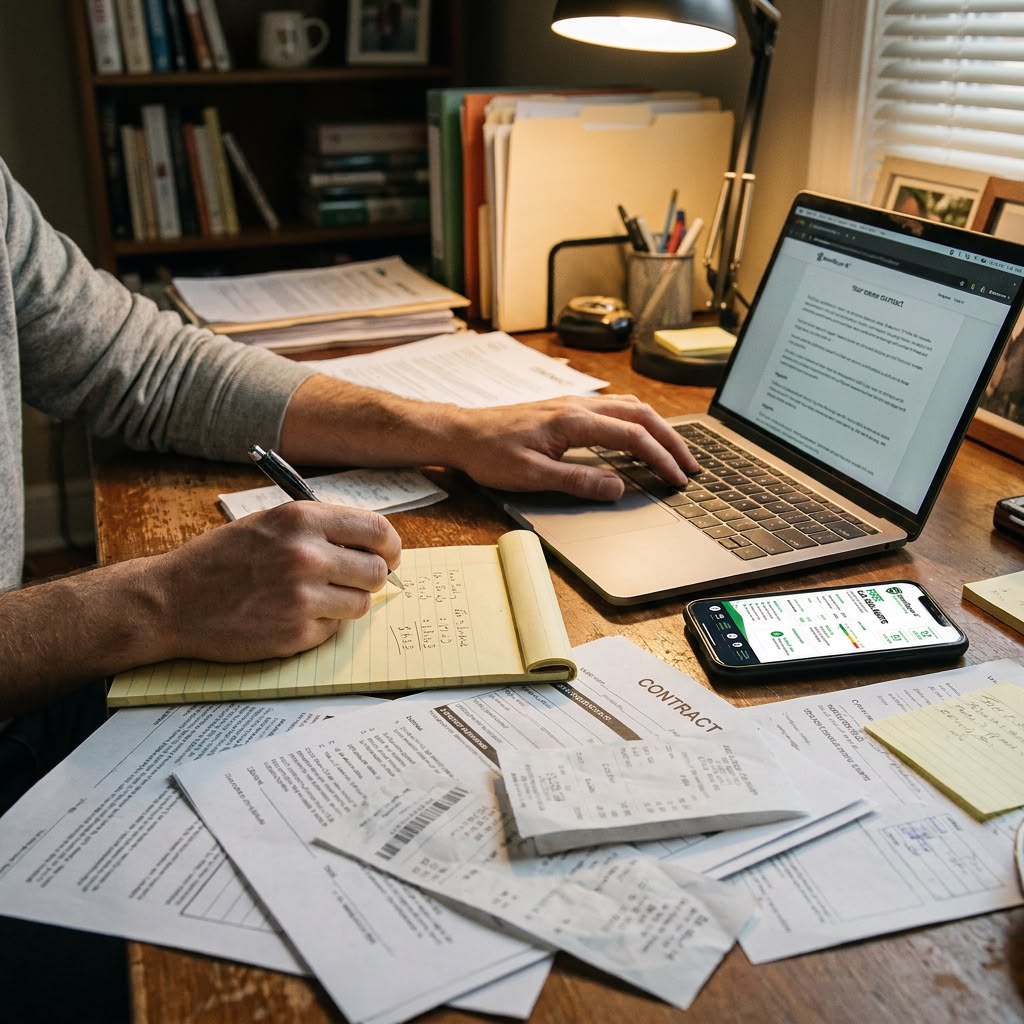
Banks and lenders look at your credit before they approve cards, loans, or mortgages. Landlords often check it to decide if you will pay rent reliably. Mobile phone companies and utility providers sometimes check it before giving you a plan.
Some employers in certain fields also review it for roles that involve handling money. Lenders also care about proof of income, so keep your payslips ready.
If you need help understanding yours, How to Read Your First Paycheck Without Feeling Confused explains every line. A clear income record plus steady payments makes a very strong first impression.
Insurance companies in some places even use credit information to set prices. This is why a healthy file helps in more areas of life than most people expect. Knowing who looks at your file keeps you motivated to protect it.
Trust me, you’ll want to read this: 45 Things You Should Know About Your First Paycheck

Start by Checking Your Credit Report
Before you do anything else, find out what your credit report currently says. In many countries, you can request a free copy from official credit bureaus. If you are starting from zero, your report may be empty, and that is perfectly fine.
An empty report simply means there is nothing bad on it yet. Look at your personal details, like your name, address, and date of birth.
Check that every account listed truly belongs to you and not someone else. Look for unfamiliar loans, cards, or enquiries, because they can signal identity theft. Do this at least once a year, and put a reminder in your calendar.
Checking your own report does not harm your score, so do not be afraid. Knowledge is power, and your report is the best place to start.

Fix Any Mistakes You Find
Credit reports sometimes contain errors, like wrong balances, duplicate accounts, or payments marked late by mistake. These errors can drag your score down without you ever knowing.
If you spot one, collect proof such as bank statements, receipts, or letters. Contact the credit bureau and the lender in writing, and keep copies of everything you send. Explain the problem clearly, and ask for a correction within a set time.
Be patient, because fixes can take a few weeks to show up. Follow up politely if you do not hear back after the promised time. If you suspect fraud, report it right away and consider placing a fraud alert.
Do not pay a company that promises to wipe your record clean for a fee. You can fix real mistakes yourself for free, with calm and consistent effort.
Worth a look: 35 Simple Ways to Save Money on an Entry-Level Salary

Pay Your Bills on Time Every Time
Payment history is the biggest part of most credit scores, so this habit matters most. One late payment can stay on your record for years, and it can cost you real chances.
Set reminders, schedule automatic payments, and keep a calendar of due dates. If you struggle to keep track, How to Create a Monthly Bill Payment System gives you a simple routine.
Pay at least the minimum on every account before the due date, no excuses.
If money is tight, call the lender early and ask about a payment plan. Lenders are usually kinder when you reach out before the date passes. Even small bills like phone plans and subscriptions can affect your record in some places.
Treat every due date like an appointment with your future self. This single habit will do more for your score than any trick you read online.

Keep Your Debt Low Compared to Your Limit
Credit utilisation is the share of your credit limit that you are actually using. If your card limit is a thousand and you owe five hundred, you are using half. Lenders prefer to see you use only a small part of what you can borrow.
A common guide is to stay below thirty percent, and lower is even better. High usage signals stress, even when you pay on time every month.
Try paying down your balance before the statement date, so a smaller number gets reported. You can also ask for a higher limit once your record is steady. Just remember that a higher limit is not permission to spend more.
Keep your spending the same, and let the extra room help your score. Small numbers on your statement make a big difference in how lenders see you.
Take a peek; 25 Financial Goals to Set Before Living on Your Own

Start With a Small Credit Product
You do not need a fancy card to begin, because simple tools work best at the start. A secured credit card asks you to put down a deposit, which becomes your limit. Because the bank holds your deposit, approval is much easier for beginners.
A small credit builder loan is another option, where payments are reported to the bureaus. Some stores and phone companies also offer starter accounts with low limits.
Low limits protect you from overspending while you are still learning. Choose products with low fees, clear terms, and reporting to the major credit bureaus. Ask questions before you sign, and read the fine print slowly.
Skip offers with strange charges or promises that sound too good to be true. One simple starter account, used well, is enough to begin building a history.

Use a Credit Card Like a Debit Card
A credit card feels like free money at first, but it is really borrowed money. When I got my first card, I treated it like free money for small treats. By the end of the month, those small treats had turned into a scary total.
After that, I started using the card only for things I could already afford. That simple rule keeps credit safe, because you never spend more than you have.
Buy something small and regular, like groceries or transport, and then pay it off. This builds your history without building debt, which is exactly what you want.
Do not use your card for emergencies you cannot repay, or for wants you cannot afford. Keep your card in a safe place if you are tempted to swipe it often. Think of the card as a training tool and not as extra income.

Pay Your Balance in Full
Paying only the minimum keeps you in debt for a very long time. Interest on credit cards is often high, and it grows quietly every month. Paying the full balance each month avoids that interest completely.
It also shows lenders that you manage borrowed money with care. If you cannot pay in full, pay as much as you can above the minimum.
Set an automatic payment for the full amount if your bank allows it. Check your statement each month, because mistakes and surprise fees can sneak in. Remember that carrying a balance does not improve your score, despite the old myth.
That myth costs people a lot of money, so please do not fall for it. Pay in full, and you get all the credit benefits without the interest bite. Treat the due date like a deadline you never miss.

Avoid Applying for Too Much Credit
Every time you apply for credit, the lender makes a hard enquiry on your file. A few enquiries are fine, but many in a short time can make you look desperate. Resist the urge to say yes to every store card offer at the till.
Those small discounts rarely beat the long term damage of a messy file. Apply only when you truly need the product and know you will qualify.
Many lenders offer pre-qualification tools that check your odds without hurting your score. Use them before you submit a full application, so you avoid unnecessary rejections. Space out applications by several months if you need more than one.
Patience protects your score, and it keeps your finances tidy as well. A slow and steady approach almost always wins in the credit world.
Don’t miss this: How to Budget When Your Income Changes Every Month

Keep Old Accounts Open
The age of your credit history helps your score, so old accounts are valuable. Closing your oldest card can shorten your history and reduce your available limit. If an old card has no fee, keep it open and use it occasionally.
Put a small bill on it, like a subscription, and set it to autopay. This keeps the account active, so the bank does not close it for silence.
If a card charges a yearly fee you cannot justify, ask for a no fee version first. Closing should be your last choice and not your first reaction. Your first account often becomes the anchor of your whole credit story.
Treat it with care, and it will quietly work for you for years. Longer histories signal stability, and lenders love stability very much. Think of old accounts like old friends who vouch for you.
Keep this handy: How to Save Money While Living Alone

Build a Mix of Credit Slowly
Lenders like to see that you can handle different kinds of credit responsibly. That might include a credit card, an installment loan, or a store account. A mix helps your score, but it is a small part of the picture.
Do not take out loans just to create variety, because that is a costly mistake. Let your mix grow naturally as your life needs change, like a phone plan or a car loan.
Focus first on paying on time and keeping balances low. Those habits matter far more than the number of account types you hold. When you do add a new product, make sure it fits your budget.
A slow build keeps your record clean and your stress low. There is no prize for having the most accounts, only for managing them well.

Borrow Only What You Can Repay
Before taking any credit, ask yourself how you will repay it from your regular income. If the payment would swallow your whole paycheck, the answer is to wait. Borrowing beyond your means leads straight to stress, late fees, and damaged credit.
If you already feel stuck each month, How to Stop Living Paycheck to Paycheck is a good place to start. Fix the monthly cycle before adding new payments to it.
A safe rule is to keep your total debt payments to a small slice of your income. Many experts say that slice should stay under about one third of your take home pay. Remember that a lender approving you does not mean you can afford it.
Approval means they believe they will profit, not that the loan is good for you. Be your own gatekeeper, and say no when the numbers do not feel comfortable.

Protect Yourself From Credit Traps
Some offers look friendly but hide heavy costs, so stay alert. Payday loans, buy now pay later schemes, and store cards can carry steep fees. Watch out for deals that say no credit needed, because they often cost far more.
Read the interest rate, the fees, and the repayment schedule before you agree to anything. If a lender pushes you to sign quickly, that is a red flag.
Never share card numbers, passwords, or codes with callers or strangers online. Scammers love young borrowers, and they often pretend to be banks or recruiters.
Check lenders through official channels, and avoid anyone who asks for upfront fees. If something feels off, walk away and ask a trusted person for advice. A short pause can save you from a very long problem.
Set Up Alerts and Autopay
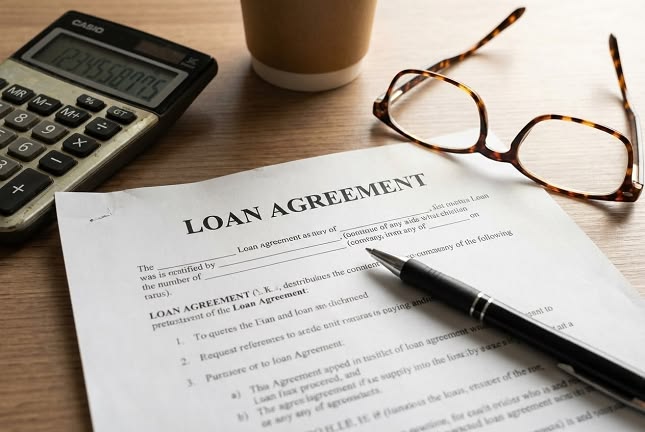
Technology can protect your credit while you get on with life. Set text or app alerts for due dates, low balances, and large charges. Turn on autopay for at least the minimum payment on every account.
This guards against forgetfulness, which is the most common reason people miss payments. Make sure your account always holds enough money to cover the automatic payment.
If you are still choosing a bank, How to Open the Right Bank Account for Your Lifestyle can help. Check your accounts weekly anyway, because automation is helpful but not perfect.
Review your statements monthly for charges you do not recognise. Report suspicious activity right away, so the bank can limit any damage. A little setup now saves you hours of worry later.
Build Your Safety Net First
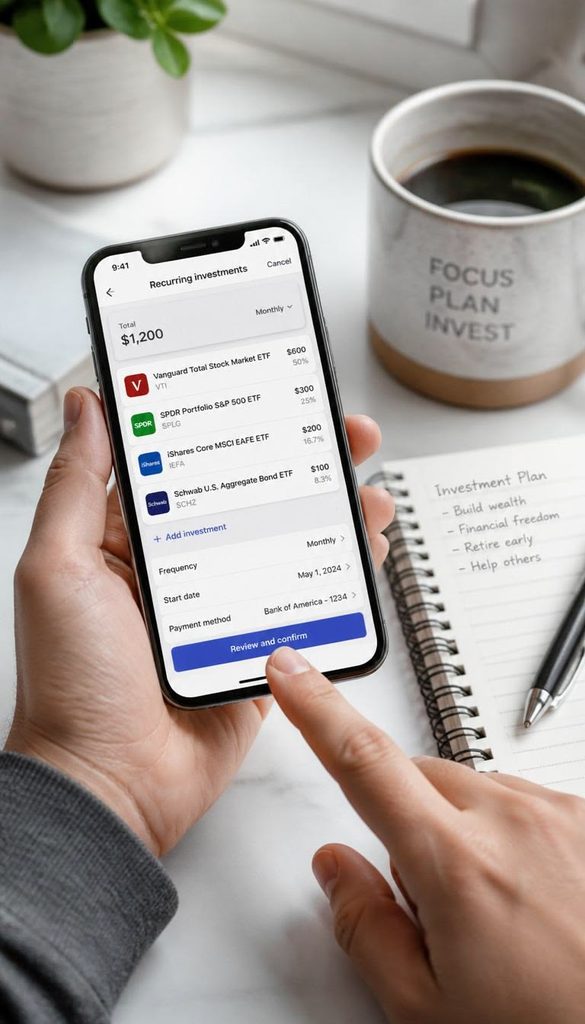
Credit works best when you also have savings to fall back on. Without a cushion, a sudden bill might push you to borrow at a bad moment. A small emergency fund keeps you from leaning on cards for every surprise.
To build one, read How to Build an Emergency Fund From Scratch alongside this post. Savings and credit are partners, and each one makes the other safer.
Start with a tiny goal, like covering one week of basic needs. Then grow it slowly, and watch your confidence rise with the balance. A cushion also helps you pay credit bills on time during rough patches.
Many missed payments happen simply because there was no buffer available. Protect your credit by protecting your savings habit first of all.

Plan Your Credit Around Your Budget
Credit should fit inside your budget and not the other way around. Write your monthly payments next to your income and your fixed bills. If the numbers feel tight, delay new credit until they feel comfortable.
Track how much you spend on cards each month, so there are no surprises. Set a personal limit lower than the bank’s limit, and stick to it.
Use categories, like groceries or transport, so you can see where card money goes. Review your plan monthly, and adjust when your income or costs change. Your budget is the boss, and your credit simply follows its orders.
This approach keeps debt small and your score healthy at the same time. Control comes first, and good credit follows naturally after that.
Recover From Credit Mistakes
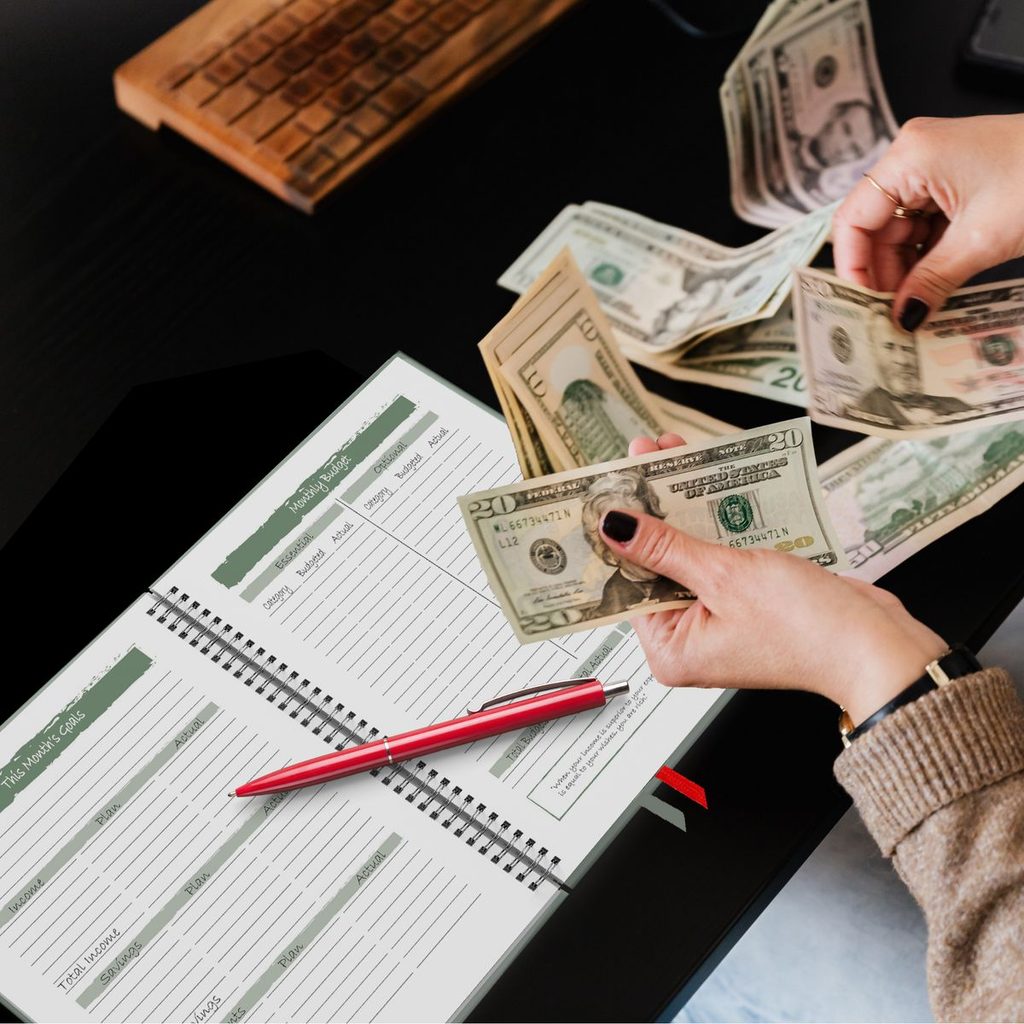
Everyone makes mistakes with credit, and I once missed a payment by three days. My score dropped, and I felt embarrassed, but I did not hide from the problem. I paid the bill, called the lender, and asked for a one time late fee waiver.
They agreed, and I set up autopay so it would never happen again. If you have slipped, How to Recover After Overspending Without Giving Up can help you reset.
Catch up on missed payments first, because they hurt your score the most. Then lower your balances slowly, and avoid opening new accounts while you recover. Negative marks fade with time, and steady good habits slowly outweigh them.
Be patient, because recovery takes months, but it does happen for people who keep going. Your past mistakes do not define your future credit story.

Final Thought
Building credit as a beginner is not about tricks or secret formulas. It is about showing lenders, again and again, that you can be trusted with money. You now know how scores work, which habits help, and which traps to avoid.
You also know how to check your report, fix errors, and recover from slips. These skills will serve you for the rest of your financial life. Credit is a skill, and skills get easier every time you practise.
Choose one step to take this week, and do it before you close this page. Maybe you will request your credit report, or set up autopay on your phone bill. Maybe you will start a secured card, and use it only for groceries you already planned.
Any small step counts, and it moves you closer to a stronger record. Write your first step in your notes so you cannot talk yourself out of it. Do not compare your progress with anyone else’s, because every credit story starts differently.
Remember that good credit is built quietly, one on time payment after another. It rewards patience, honesty, and steady habits more than it rewards big salaries. A few years from now, you will thank yourself for starting today.
Doors that once felt closed will open with a lot less stress. If this post helped you, share it with a friend who is just getting started.
Keep going, stay consistent, and enjoy watching your financial reputation grow. You have everything you need to begin, and the best time is right now.
Leave a Reply