Picture opening your phone on a quiet evening and seeing a message that says payment overdue. Your stomach tightens, because you were sure you paid that bill, or at least meant to.
You search your messages, check your bank app, and realise you simply forgot. Now there is a late fee, a stressful call, and a small voice saying you should know better.
That moment is far more common than people admit, and it is almost never about laziness.
Bills fail us when they live in our heads instead of in a system. Rent here, data there, electricity somewhere else, and each one has its own date and its own mood. No brain can track all of that without a little help.
The fix is not to try harder, but to build a simple routine that does the remembering for you. A good system works quietly in the background while you enjoy your life.
In this post, we will build that routine together, step by step, in everyday words. You will learn how to list your bills, schedule them, and stop paying late fees for good.
If you want the bigger picture first, start with How to Create Your First Monthly Budget and come back. Do not worry if you feel behind, because every system begins as an empty page.
Grab a pen or open your notes app, and let us make bill day boring in the best way. By the end, paying bills will feel like brushing your teeth, quick and automatic.

How to Create a Monthly Bill Payment System
Why Bills Cause So Much Stress
Bills cause stress because they arrive on different days and demand money at the worst moments. They also remind us of numbers we would rather not look at. Avoiding that feeling is natural, but avoidance is exactly how late fees are born.
During my first apartment, I ignored an electricity bill for two weeks because I felt overwhelmed. The power company sent a notice, and I paid a late fee that could have bought groceries.
That small disaster taught me that fear grows when you hide from paperwork. A clear routine shrinks the fear, because you always know what is due and when. Stress also comes from not knowing, and a system replaces guessing with facts.
Once you see everything in one place, bills look much smaller and more manageable. Let us start by understanding what we are actually building.

What a Bill Payment System Really Is
A bill payment system is a simple routine for tracking, scheduling, and paying what you owe. It is not a complicated app or a fancy spreadsheet unless you want one. At its heart, it answers four questions about every bill you receive.
What is it for, how much is it, when is it due, and how will I pay it? Once those answers live in one place, you stop relying on memory.
A good system also tells you when money must be ready, not just when bills are due. It should be simple enough to use when you are tired or busy. If you cannot maintain it in five minutes a week, it is too complicated.
The best system is the one you will actually follow, not the one that looks impressive. Think of it as a tiny office that keeps your money life running smoothly.
Gather Every Bill You Have
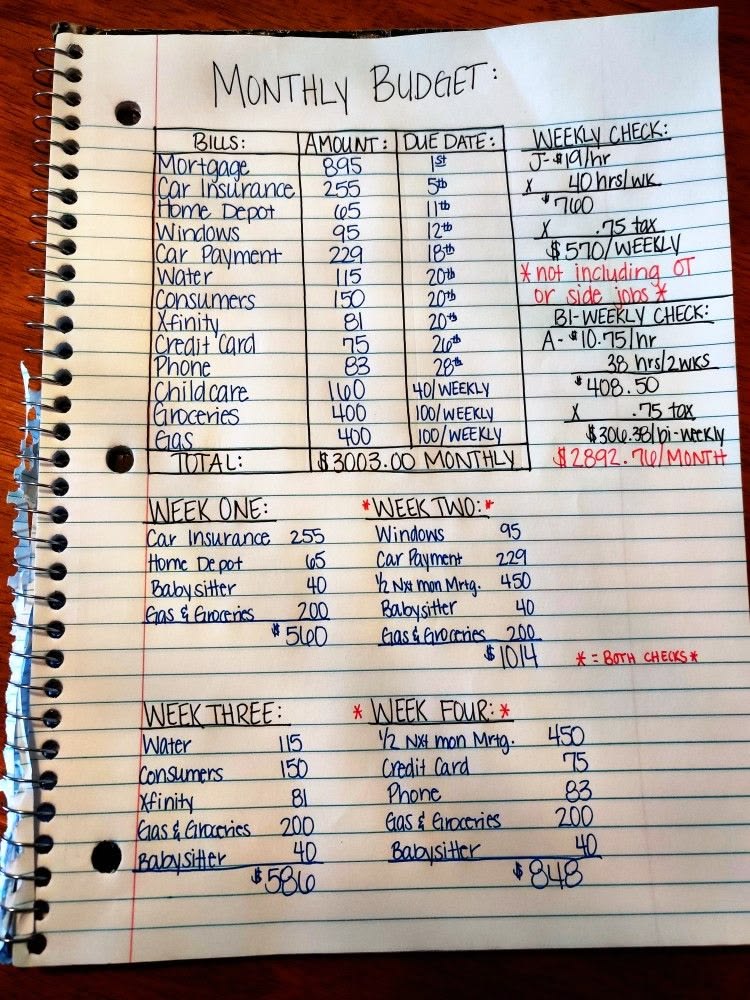
Start by collecting every bill and recurring charge in your life. Check your email inbox, your mobile money app, your bank statements, and your paper letters.
Rent, electricity, water, internet, phone credit, transport, loans, and subscriptions all count.
Do not forget annual charges, like insurance, school fees, or membership renewals. Scroll through the last three months of statements to catch charges you have forgotten.
You will probably find at least one bill that surprises you. Write everything down in one list, even the ones that feel small or boring. Small bills add up, and they are the ones most likely to be forgotten.
Take your time here, because a complete list is the foundation of the whole system. Once everything is on the page, you will already feel more in control.

Sort Bills by Type
Next, sort your bills into simple groups so they are easier to understand. Fixed bills stay the same every month, like rent, loan payments, and subscriptions. Variable bills change, like electricity, water, data, and groceries delivered by app.
Occasional bills show up only a few times a year, like insurance or school fees. Sorting reveals which bills you can automate and which ones need your attention.
It also shows which bills are essential and which ones are optional. Essential bills, like housing, power, water, and transport, come first when money is tight. Optional bills, like streaming, can wait if the month turns difficult.
Label each bill with its group using a simple word or colour. A little order now saves you from a lot of confusion later. Do not stress about perfect labels, because you can always change them.
Write Down Due Dates and Amounts
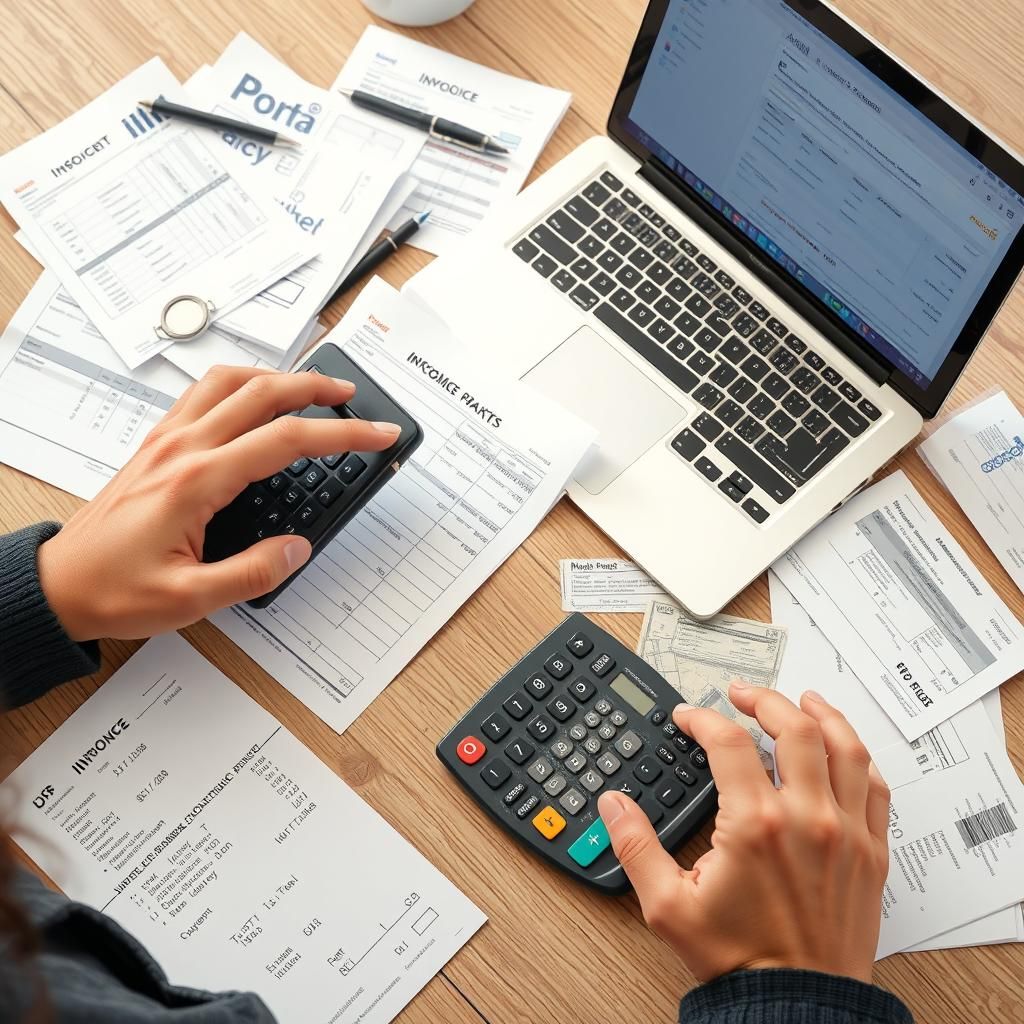
Now add the due date and the amount next to each bill. For bills that change, write the usual amount or the highest one you remember. Using the highest number keeps you safe from nasty surprises when the real bill arrives.
Check the exact due date on each bill, because some use the first of the month and others do not. Ask if the company counts the day you send payment or the day it arrives.
That small detail can decide if your payment is on time or late. Add the payment method too, like bank transfer, card, cash, or mobile app. Include account numbers or reference codes in a safe place for quick access.
Do not store sensitive passwords in a plain note that anyone could open. A complete entry means you never have to hunt for details at the last minute.
This is trending right now: 25 Money Mistakes to Avoid When You First Start Living Alone
Match Your Bills to Your Paydays
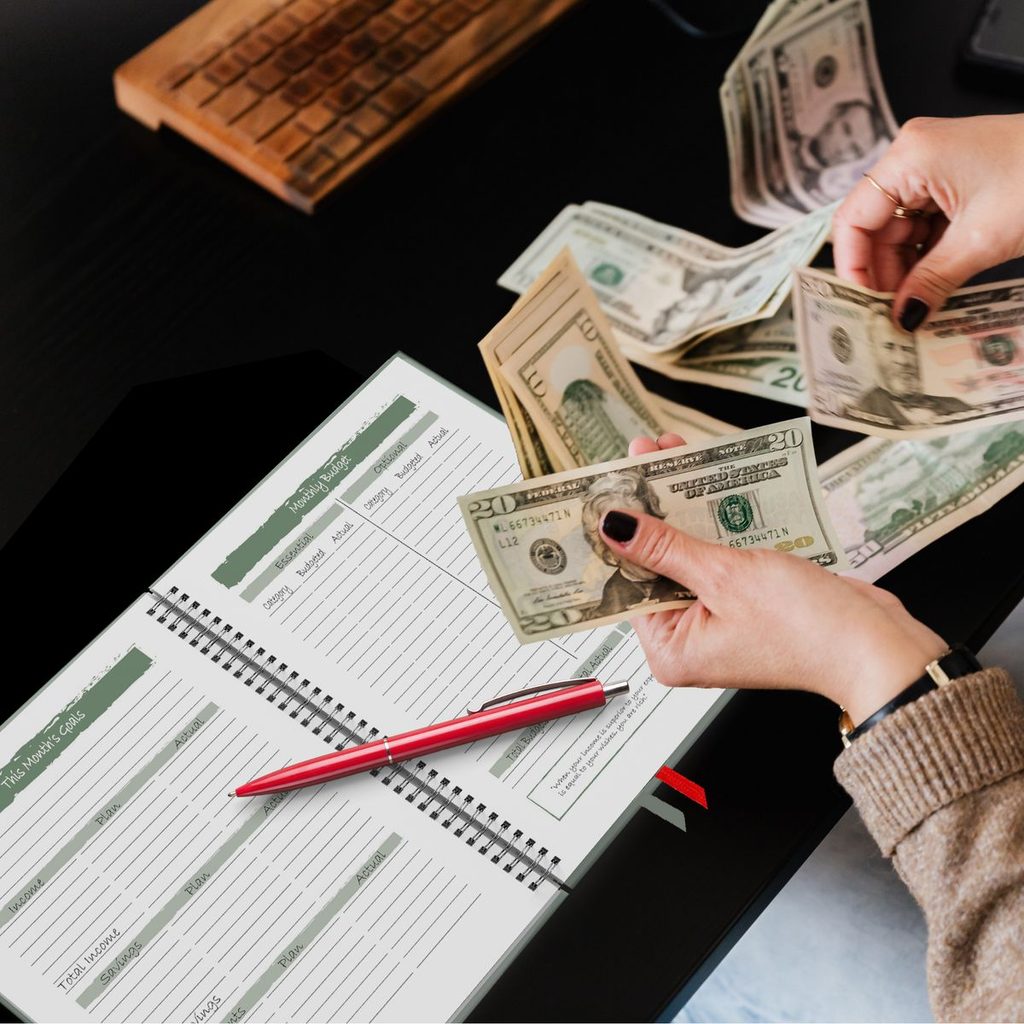
Bills are easier to pay when they line up with the days your money arrives. Look at your pay dates, and place each bill on the calendar next to them.
Not sure what your pay includes? How to Read Your First Paycheck Without Feeling Confused can help.
If a bill is due before your next payday, ask the company to move the due date. Many providers allow this, and it can spread your costs more evenly through the month.
Paying bills right after payday keeps money from drifting into spending. Use a simple rule, such as paying rent and utilities within two days of being paid. Split big bills into smaller parts if your income arrives twice a month.
This keeps your account steady and your stress low from week to week. When timing is right, bills feel like a plan instead of an attack.
Set Up One Central Bill Tracker
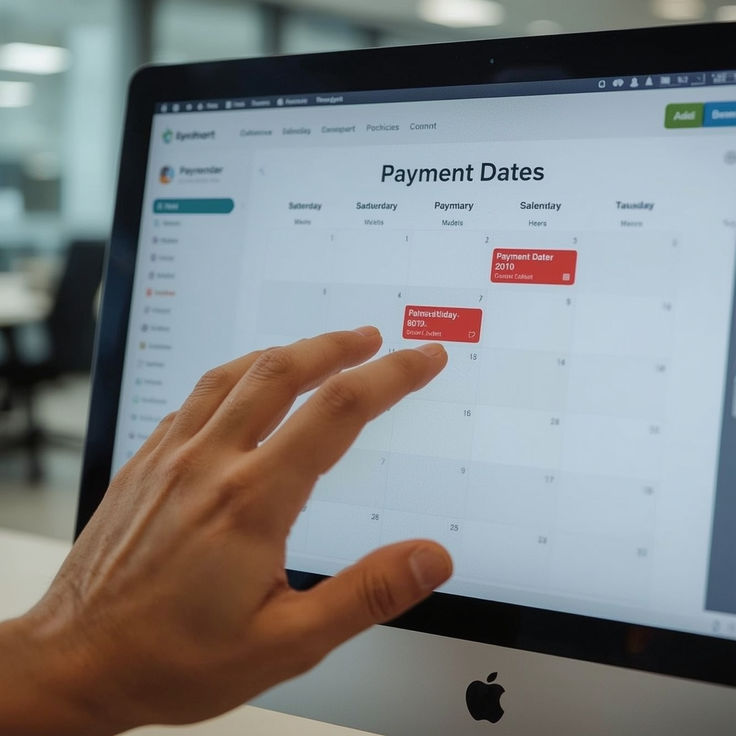
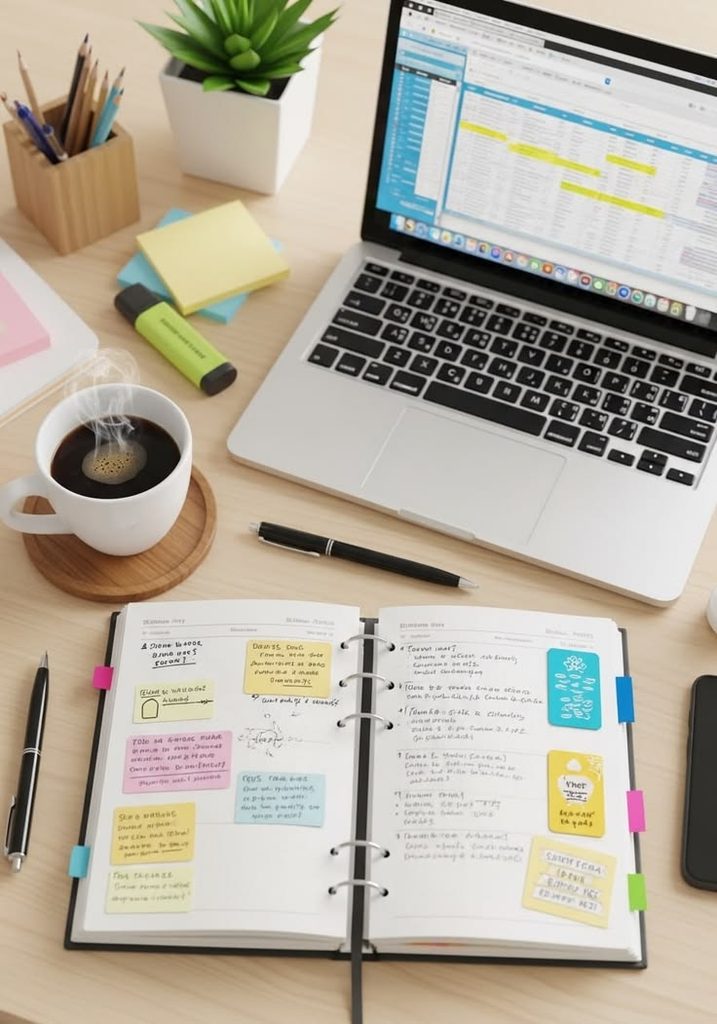
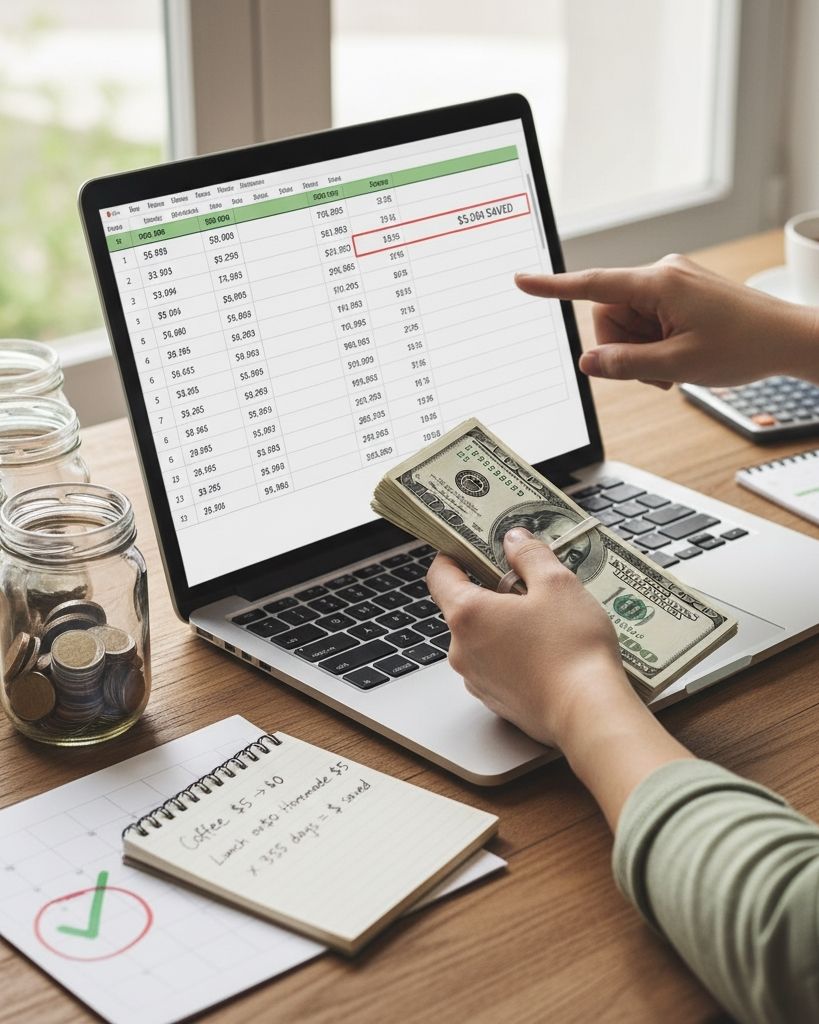
Scattered notes create confusion, so keep everything in one central place. This could be a notebook, a phone note, a spreadsheet, or a budgeting app. Create columns for the bill name, amount, due date, payment method, and status.
Add a column to tick when the bill is paid so you can see progress. Color code overdue, upcoming, and paid bills if you enjoy a bit of visual help.
Keep the tracker somewhere you open often, like your home screen or desk. Update it whenever a new bill arrives, even if it feels small. Share it with a partner or housemate if you split costs together.
A single source of truth prevents arguments and missed payments. The goal is to glance at it and know exactly where you stand.
Everyone’s clicking on this: 35 Ways to Save Money on an Entry-Level Salary
Choose Between Paper, Phone, or Spreadsheet
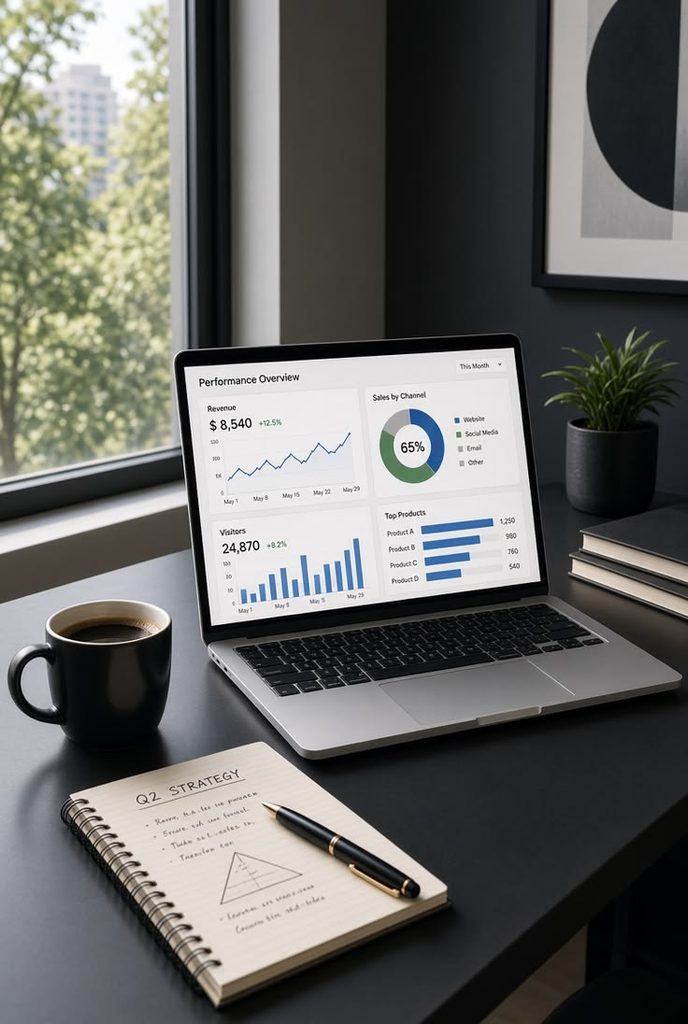
There is no perfect tool, only the one that fits how your brain works. A paper planner feels satisfying if you like writing and seeing things on a wall. A phone note is quick and always with you, which suits busy lives.
A spreadsheet is great if you love formulas and want totals to calculate themselves. Budgeting apps can sync with your bank and remind you automatically.
Try one option for a month, and switch if it feels like a chore. Do not spend days hunting for the best app, because the habit matters more than the tool. Choose something free or cheap, since the point is to save money, not spend it.
Make sure whichever tool you pick can send reminders or fit into your daily routine. Simple tools win because you will actually keep using them.
Most popular this week: 45 Expenses to Budget for When You Live on Your Own
Open a Separate Account for Bills
Mixing bill money with fun money is a recipe for accidental overspending. A separate bills account keeps that money safe and out of reach on lazy days. Each payday, move the total amount you need for bills into that account.
Then pay every bill from there, so you always know the money is ready. Need help choosing one? How to Open the Right Bank Account for Your Lifestyle walks you through it.
Look for low fees and easy transfers between your accounts. Name the account something clear, like Bills Only, so you remember its purpose. This tiny trick stops you from spending the rent money on a weekend trip.
When the account balance matches your upcoming bills, you can relax. Anything left over after bills are paid can safely move into savings.
Use Autopay for Fixed Bills
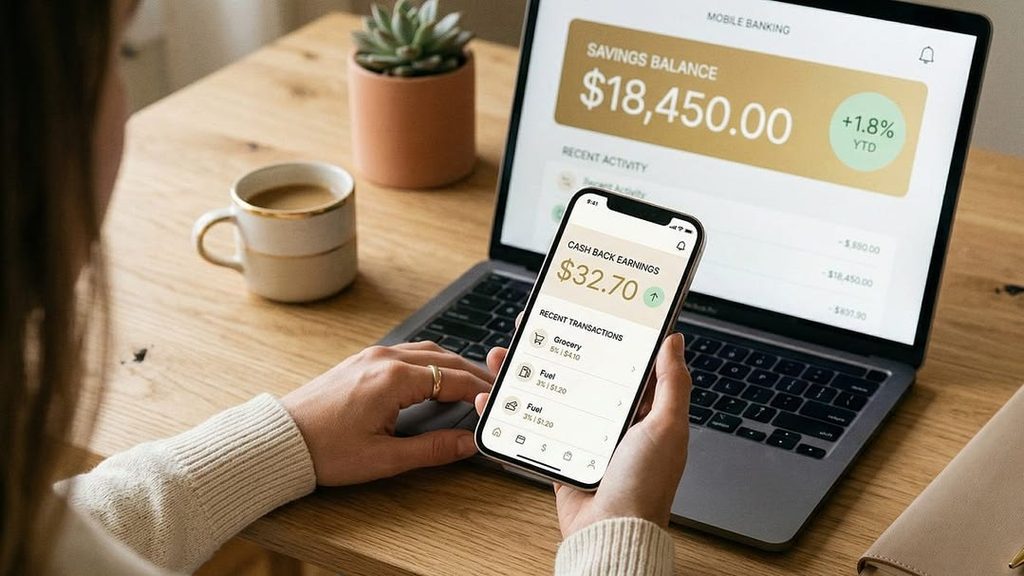
Autopay is the easiest way to avoid missed payments on bills that never change. Rent, loan payments, phone plans, and subscriptions are perfect candidates. Set them to pay a day or two before the actual due date.
This gives you a small safety window in case something goes wrong. Once, I set up autopay and forgot to keep enough money in the account.
The payment bounced, and I paid both a failed payment fee and a late fee. Since then, I always check my balance a few days before autopay dates. Add a calendar reminder so you notice any change in the amount or date.
Review your statements monthly to make sure the amounts are still correct. Autopay is a helper and not a replacement for paying attention.
Fan favorite: 25 Things to Include in Your First Monthly Budget
Keep Manual Control Over Changing Bills
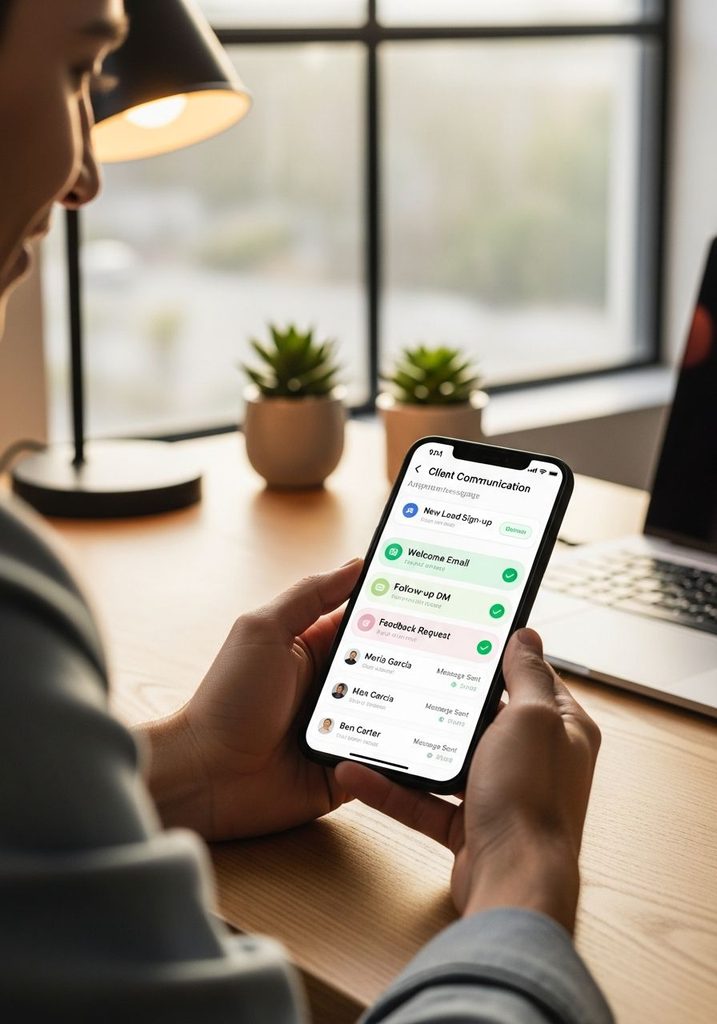
Bills that change each month are better paid by hand, at least until you know them well. Electricity, water, data, and credit card bills often fall into this group. Check the amount when the bill arrives, and make sure it looks reasonable.
If something seems high, look for errors, extra fees, or a sudden change in usage. Contact the provider quickly if you find a mistake, and keep records of your messages.
Pay these bills as early as you can after you confirm the amount. Set a reminder to check for the bill around the same date each month. If your bill varies wildly, set aside a flat monthly amount to cover the average.
That way, you are never shocked by a big winter or summer bill. Manual control gives you a chance to catch problems before they cost you.
Set Reminders That Actually Work
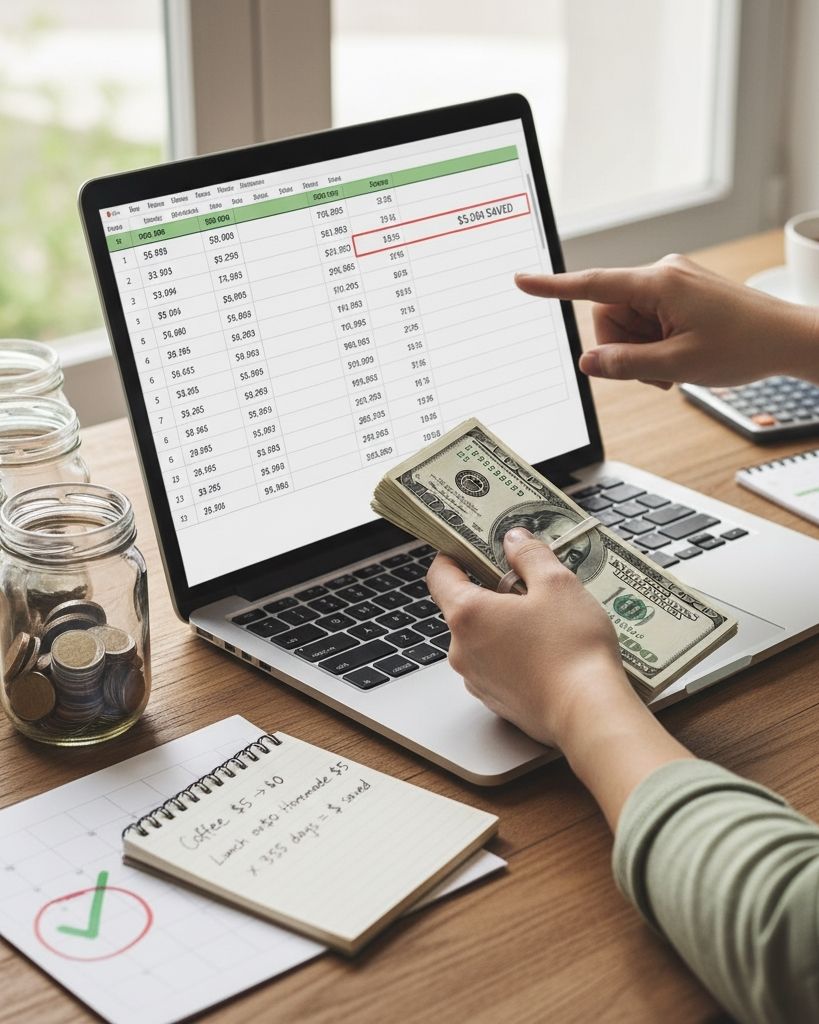
Reminders only help when you notice them, so make them hard to ignore. Set two alerts for each bill, one a few days before and one on the due date. Use a loud tone or a special label on your phone for bill reminders.
Write the bill name in the reminder, so you know exactly what to do. Add the amount if possible, so you can check your balance straight away.
Sync reminders with your phone calendar and an email, in case one fails. Ask a trusted friend or partner to nudge you if you often forget. Do not rely on memory alone, because busy weeks have a way of erasing details.
Once a bill is paid, mark it done and delete the reminder. Clean reminders keep your notifications calm and your mind clear.
You might also love this: How to Stop Living Paycheck to Paycheck

Build a Weekly Bill Check
A weekly check turns your system from a good idea into a real habit. Pick a regular time, like Sunday evening, and spend ten minutes looking at your tracker. Look at what is due in the next seven days and make sure the money is ready.
Pay anything that can be paid early, and mark it as done. Last year, I skipped this check for a month and missed a small internet bill.
The service was cut off right when I had an online meeting, and I felt silly. After that, the weekly check became non negotiable in my calendar. Make it pleasant with a snack or a favourite playlist, so you look forward to it.
If you share bills with someone, do the check together to keep things fair. Ten calm minutes each week beat one frantic hour at the end of the month.
One of our most-read posts: 35 Money Habits to Start in Your 20s
Create a Small Bill Buffer
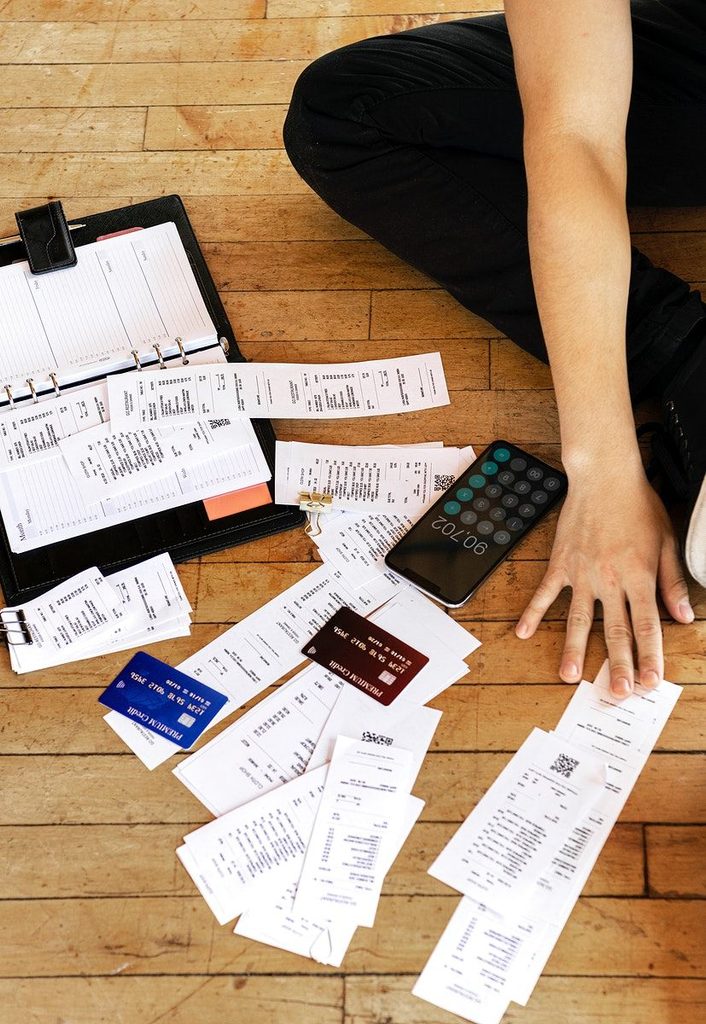
A buffer is extra money sitting in your bills account to cover surprises. Bills sometimes come higher than expected, and prices rise without warning.
A small cushion stops those increases from causing missed payments. Aim for about one extra week of bills if you can manage it. Build it slowly by adding a small amount each payday.
For a bigger safety net, read How to Build an Emergency Fund From Scratch when you have time. The buffer protects you when a payment arrives a day early or your income arrives late.
It also gives you peace of mind, which is worth more than most people realise. Do not use the buffer for fun spending, because it has a different job. If you do use it, refill it before anything else.
Think of it as a tiny shock absorber for your monthly budget.
Plan for Yearly and Surprise Bills
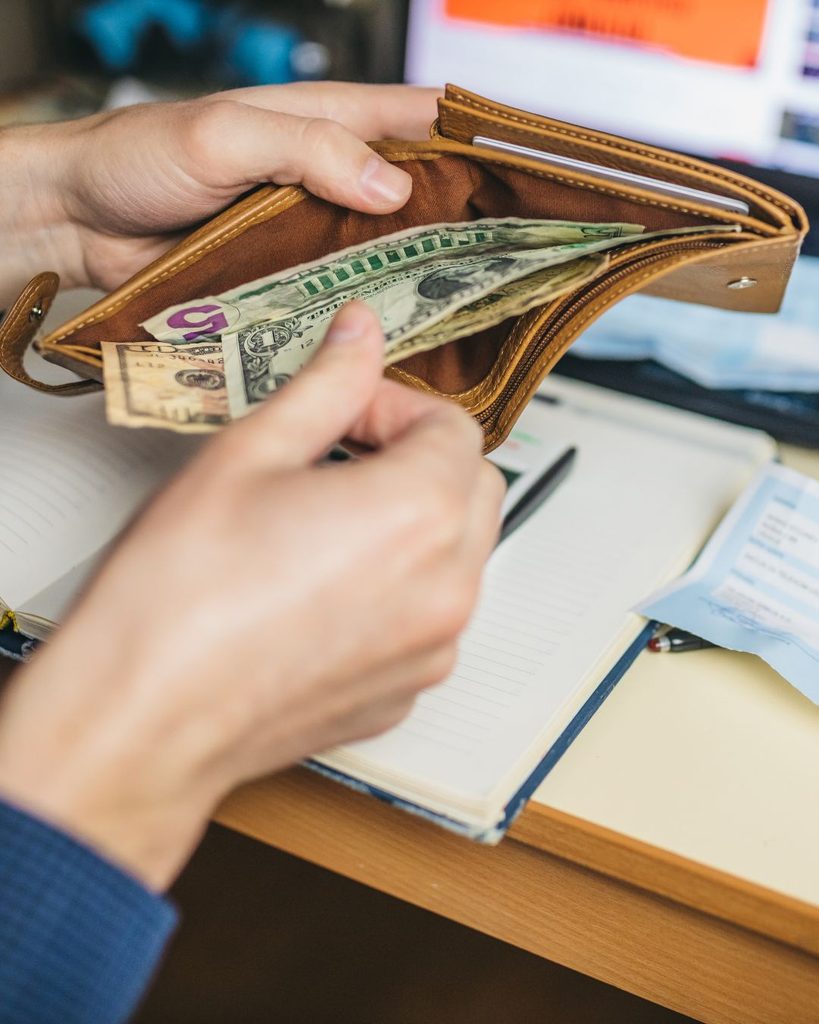
Some bills come only once or twice a year, and they love to catch people off guard. Car insurance, school fees, licence renewals, and annual subscriptions are common examples.
List each one with its month and its amount, and then divide by twelve. Set aside that small monthly amount in a separate savings spot. When the big bill comes, the money is already waiting like a friendly guest.
Add a line in your tracker for expected surprises, like phone repairs or gifts. Even a rough number helps, because zero planning is always worse than a rough plan. Review last year’s spending to see which surprise bills actually showed up.
Next year’s plan will be more accurate because you learned from the old one. Planning for these bills turns scary moments into normal ones.
Read this next: How to Recover After Overspending Without Giving Up
Deal With Irregular Income
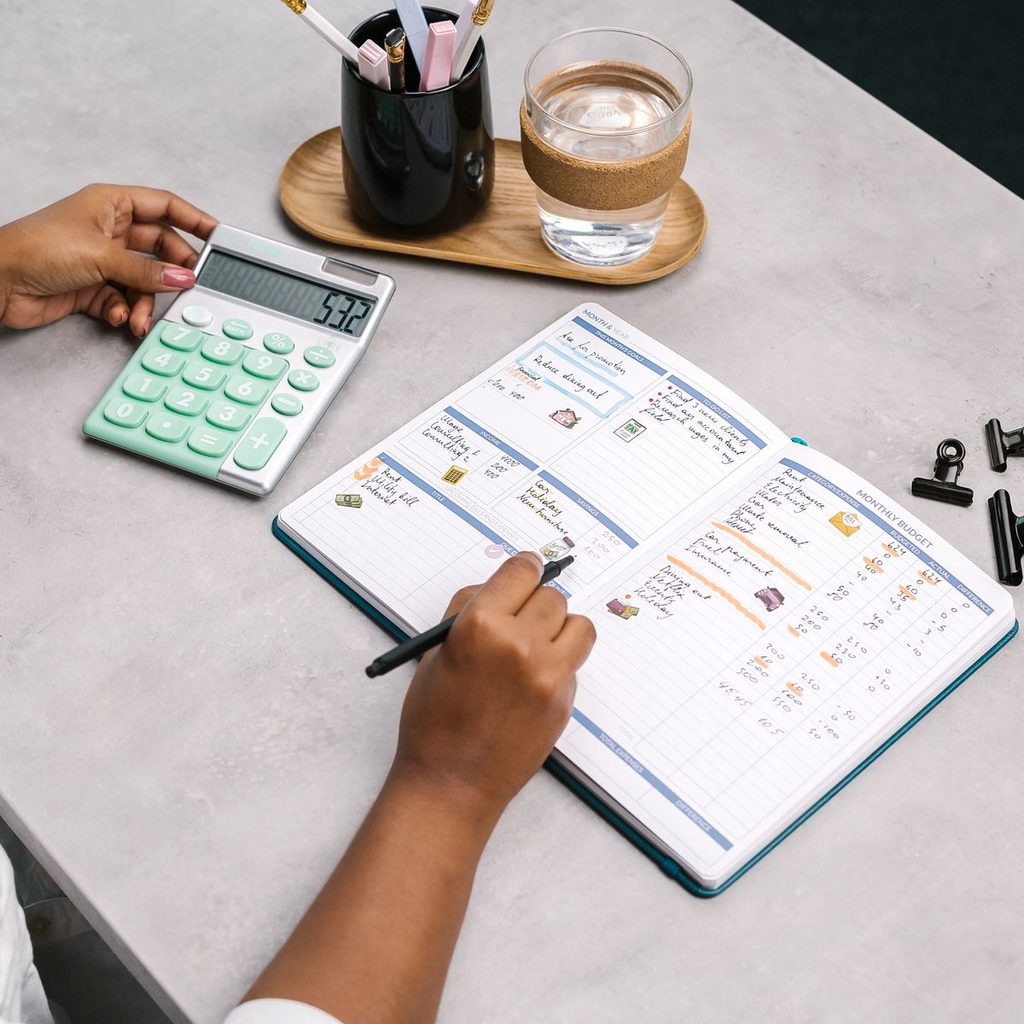
Paying bills is harder when your income changes every month. Freelancers, sellers, and gig workers face this challenge more than anyone. The solution is to pay bills from a steady allowance rather than from each payment.
Move all your income into one place, then pay yourself a fixed amount for bills. In good months, leave the extra money behind to cover thin months later.
Base your bill plan on the lowest income you expect, not the highest. For a full guide, read How to Budget When Your Income Changes Every Month when you can. Pay essential bills first when money arrives, and leave optional ones for later.
Talk to providers early if you expect a slow month, because many will arrange flexible dates. A calm plan lets you ride out uneven months without panic.

Lower Your Bills Over Time
Paying bills on time is great, but paying smaller bills is even better. Once your system runs smoothly, review each bill and ask if it can be reduced. Call your internet and phone providers, and ask for a cheaper plan or a loyalty discount.
Compare prices for insurance and subscriptions at least once a year. Cancel services you no longer use, even if they only cost a small amount.
Switch to energy saving habits, like turning off unused lights and unplugging chargers. Living alone makes every bill feel heavier, so How to Save Money While Living Alone has more ideas.
Track how much you save, and move that money into savings straight away. Small cuts across several bills add up faster than one dramatic sacrifice. Lower bills give you more room to breathe each month.

Handle Late or Missed Bills Calmly
Even with a great system, you may still miss a bill sometimes. Do not panic, hide, or ignore it, because the problem only grows in silence. Pay the bill as soon as you can, and check if a late fee has been added.
Contact the provider, explain what happened, and politely ask them to waive the fee. Many companies agree once, especially if you have a good payment record.
Late payments can also affect your credit score, which is explained in How to Build Credit Responsibly as a Beginner. Find out why it happened, like a forgotten date or a lack of funds. Adjust your system so that exact problem cannot happen again.
Add an extra reminder, move the due date, or keep a bigger buffer. One slip is a lesson, and it only becomes a pattern if you ignore it.

Share Bills Fairly With Others
If you live with a partner or housemates, shared bills need extra care. Agree on who pays what, and write it down so nobody argues later. Some people split everything equally, and others split by income or room size.
Choose a method that feels fair to everyone, and be open about it. Use a shared note or app to track who has paid their part.
Set a clear date for everyone to send money, ideally a few days before the bill is due. If one person pays the provider, the others should transfer their share quickly. Be kind but firm if someone pays late, because delays hurt everyone.
Have a short money chat every few months to review the arrangement. Clear communication saves friendships, and it keeps the bills paid on time.

Review and Improve Every Quarter
Every three months, take thirty minutes to review your whole bill system. Check that every bill in your tracker is still active and still accurate. Remove old bills, add new ones, and update any amounts that have changed.
Look for double charges, price hikes, or services you forgot to cancel. Ask yourself what is working, what feels clunky, and what you could simplify.
Small tweaks keep the system fresh, and they stop you from getting bored. Celebrate your streak of on time payments, because that is a real achievement. Reward yourself with something small and free, like a long walk or a movie night.
Over time, your system will need less effort and give you more peace. That is the sign of a habit that has truly taken root. Keep improving a little each quarter, and your future self will smile.
Final Thought
A monthly bill payment system is not about being perfect or rigid. It is about taking the stress out of due dates so your mind can rest. You now know how to list your bills, sort them, schedule them, and pay them smoothly.
You also know how to use autopay, reminders, and weekly checks to stay on track. Best of all, you know what to do when something goes wrong. Every good system starts with one small decision to begin.
Start small today by writing down every bill you can think of. Tomorrow, add the due dates, and by the weekend you will have a working tracker. Do not wait for the perfect tool, because a simple notebook can do the job.
Every bill you list is a worry you remove from your head. Soon, bill day will feel boring, and boring is exactly what you want. Pick your tool tonight, and your first win will be ready by tomorrow morning.
Remember that paying bills on time is a quiet way of respecting yourself. It protects your credit, your money, and your peace of mind all at once. Keep your system gentle, keep it simple, and let it grow with your life.
If this post helped you, share it with a friend who keeps forgetting due dates. You are already ahead, because you took the time to learn a better way. Stay consistent, stay calm, and enjoy the freedom that comes from being organised.
Stability is built from small habits that you repeat without drama.
Leave a Reply