The first night in your own place feels like winning a small lottery. No roommates, no queues for the bathroom, and nobody eating your leftovers. Then the first month ends, and a wave of bills rolls in like a surprise party.
Rent, power, water, data, and groceries all land on one person, and that person is you. Suddenly freedom looks expensive, and your bank balance starts hiding from you. It is a strange mix of pride and panic that nobody warns you about.
If that sounds familiar, take a deep breath, because living alone does not have to drain you. Many people do it comfortably, and they are not richer than you, only more intentional.
They know where their money goes, and they make a few smart choices that add up. None of those choices require suffering, and none of them ruin the joy of having your own space. Think of this as building a calm home economy for one.
In this post, we will walk through practical ways to keep more of your money each month. You will learn how to plan, cut costs, and still enjoy the life you worked hard for.
If your money disappears before payday, you may also like How to Stop Living Paycheck to Paycheck. Do not worry about doing everything at once, because small changes work beautifully.
Make yourself a drink, get comfortable, and let us make your home feel safer and cheaper. By the end, you will have a simple plan that fits your life.

How to Save Money While Living Alone
Why Living Alone Feels So Expensive
Living alone is expensive because you carry every cost by yourself. There is nobody to split rent, utilities, internet, or even a streaming plan with. Single person households also pay more per person for basics like furniture and cooking supplies.
During my first month in my own place, I was shocked by how fast the bills came. I had budgeted for rent but forgot water, power, data, and a hundred little things.
By week three, I was eating the same plain meal for days. That experience pushed me to learn about spending carefully instead of hoping for the best. The good news is that being the only decision maker gives you full control.
You choose where every coin goes, and nobody else can wreck your plan. Once you see the real costs, you can start shrinking them one by one.

Know Your Real Cost of Living Alone
Before cutting anything, you need to know what living alone actually costs you. List your rent, utilities, food, transport, phone, internet, and any loan payments.
Add smaller costs like toiletries, cleaning supplies, laundry, and repairs, because they matter. Use your last three months of statements to find honest averages. Compare the total with your take home pay, not your gross salary.
If you are unsure about that number, How to Read Your First Paycheck Without Feeling Confused will help. The gap between income and costs shows how much breathing room you really have.
If the gap is small or negative, do not panic, because that is exactly why you are here. Knowing the truth is uncomfortable for a minute, but it saves you months of stress. Write the numbers in one place so you can track progress over time.
Build a Budget for One Person
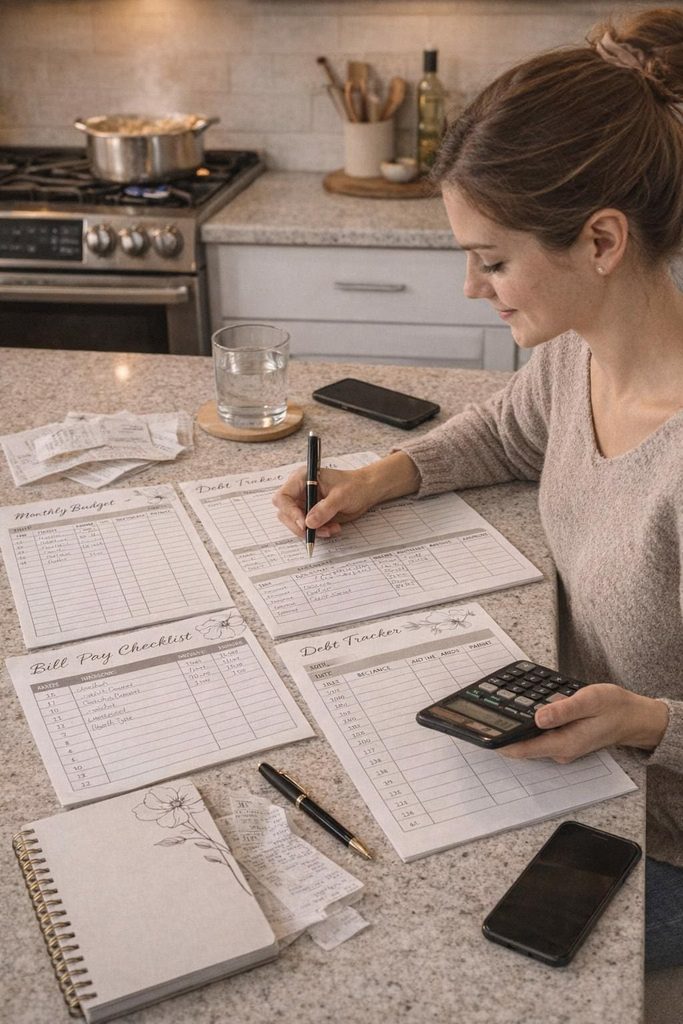
A budget for one is simple, because you only manage your own money. Start with needs, like rent, food, transport, and utilities, and make sure they fit comfortably. Then add savings, and give them a fixed amount rather than whatever is left.
Finally, add a fun budget, because a plan with no joy rarely lasts. If you have never made one, How to Create Your First Monthly Budget walks you through it step by step.
Try to keep your housing costs under about a third of your income if you can. If that is not possible, trim other categories more aggressively until things balance.
Review the budget every month, because prices and needs change faster than you expect. Do not aim for perfection, only for steady progress and honest numbers. Your budget is a living tool, and it should grow along with your life.

Choose Your Housing Wisely
Rent is usually the biggest cost, so small savings here create big results. Think carefully about location, because a cheaper home far away may cost more in transport.
Compare studios, one bedroom flats, and small rooms in shared compounds before you decide. Smaller spaces mean lower rent and lower bills, and you may not miss the extra room.
Visit at different times of day to check noise, safety, and water supply.
Ask neighbours about hidden problems, like power cuts or leaking roofs. A cheap place with constant repairs can end up costing more in the long run. Check what is included in the rent, like water, waste collection, or security.
Do not sign anything in a rush, no matter how good the offer sounds. A wise choice here makes every other money habit easier. Remember that comfort and affordability can live in the same home.

Negotiate Rent and Lease Terms
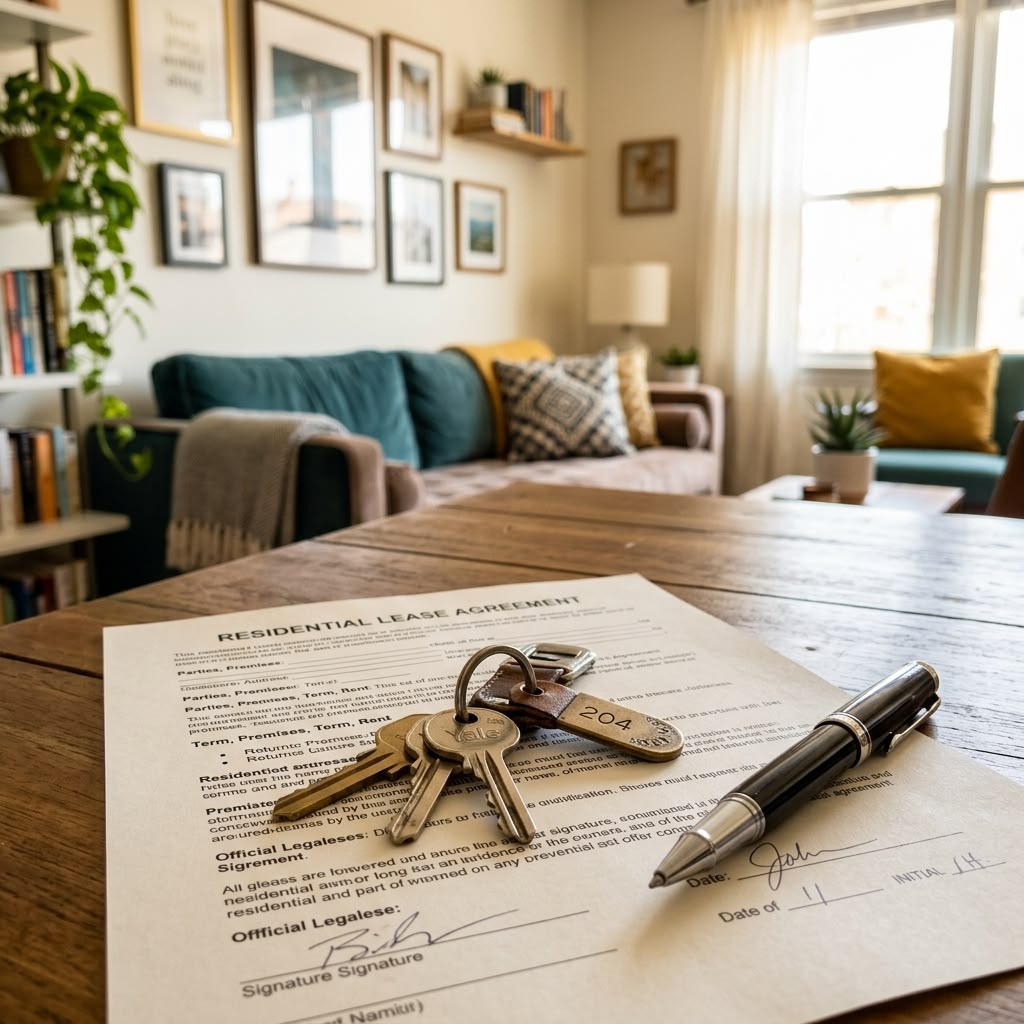
Many people never ask for a better deal, and that is a missed chance. Landlords often prefer a steady tenant over an empty flat. Ask if you can pay a little less for a longer lease.
Offer to pay on time every month, and mention your good payment record. Request small repairs or upgrades instead of a rent drop, if that suits you better.
Ask if paying several months upfront can earn you a discount, but only if you can afford it. Read the lease carefully, and watch for hidden fees or unfair rules. Get every promise in writing, because spoken agreements are easy to forget.
Renew your lease early if you love the place, since prices rarely fall. A polite conversation can save you hundreds over a year. Ask kindly, stay calm, and be ready to walk away if needed.
Cut Your Utility Costs
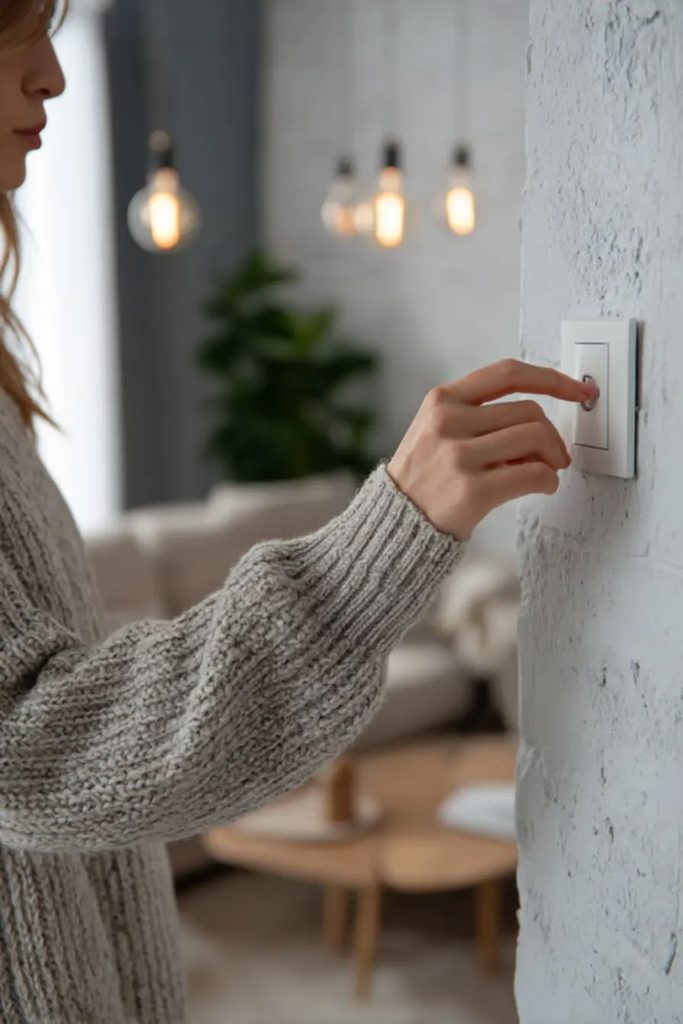
Utilities add up quickly when you live alone, but small habits can shrink them. Switch off lights, fans, and chargers when you leave a room. Use energy saving bulbs and unplug devices that sit idle for hours.
Wash clothes in full loads, and hang them to dry when the weather allows. Take shorter showers, fix leaking taps, and avoid leaving water running.
Compare internet and phone plans, and pick the one that matches your real usage. Do not pay for speed or data you never use. Check your meter readings regularly, so billing mistakes cannot hide.
Ask providers about discounts for paying on time or going paperless. These tweaks feel small, but together they can free up a surprising amount.
Pin this for later: How to Budget When Your Income Changes Every Month
Stop Wasting Food
Food waste is quiet money loss, and living alone makes it very easy. Big packs and bulk deals feel like bargains, but half of the food may spoil. Start by checking what you already have before you shop.
Keep a simple list of items in your fridge and cupboard. Eat the oldest things first, and move fresh food to the front.
Freeze portions of bread, cooked rice, meat, and soups before they go bad. Label containers with dates, so you do not guess what is safe to eat. Use leftovers creatively, like turning vegetables into soup or rice into fried rice.
Buy small amounts of fresh produce more often if your fridge space is limited. Every meal you save is money that stays in your pocket. Wasting less also feels good, because you respect the effort that went into your money.

Plan Meals and Cook for One
Meal planning is a quiet superpower for people who live alone. Spend ten minutes each week deciding what you will eat for the next few days. Choose simple recipes that share ingredients, so nothing is left to rot.
Once, I cooked a huge pot of stew on Sunday and got bored by Wednesday. I ended up throwing half of it away and ordering takeout instead.
Now I cook two portions, freeze one, and rotate flavours through the week. Batch cooking saves time and money when done in the right amounts. Keep a few cheap staples, like rice, beans, pasta, eggs, and frozen vegetables.
With these, you can always create a quick meal without ordering delivery. A weekly plan also cuts down on those lazy and costly takeout nights. Cooking at home is also kinder to your health and your mood.
You need to see this: 35 Things to Know Before Getting Your First Credit Card

Shop Smarter for Groceries
Grocery shopping can drain your budget if you walk in without a plan. Write a list before you leave, and stick to it like a rule. Eat before you shop, because hungry people buy far too many snacks.
Compare prices at different stores or markets, and pick the best deals. Buy local seasonal produce, since it is usually fresher and cheaper.
Choose store brands when the quality is similar, because the price gap can be large. Check unit prices, not just the sticker, to see which option is truly cheaper. Bulk buying helps only for items you use often and that do not spoil.
Share bulk packs with a friend or neighbour to avoid waste. Pay with cash or a set budget, so you know exactly when to stop. Treat shopping as a mission and not as a hobby.
This one surprised me: 25 Ways to Build an Emergency Fund From Scratch

Save on Transport
Transport costs creep up quietly, especially if you live far from work. Look for ways to shorten your commute or share rides with colleagues. Walk or cycle for short trips, because it saves money and keeps you fit.
Compare monthly passes with single tickets, and pick whichever costs less. If you own a car, keep it well maintained to avoid expensive repairs.
Combine errands into one trip to save fuel and time. Check insurance prices every year, because loyalty rarely earns you the best rate. Avoid peak hours when possible, since fares and traffic both cost more.
Consider remote days with your employer if your job allows them. A cheaper commute gives you extra money without changing your lifestyle much.

Trim Subscriptions and Small Leaks
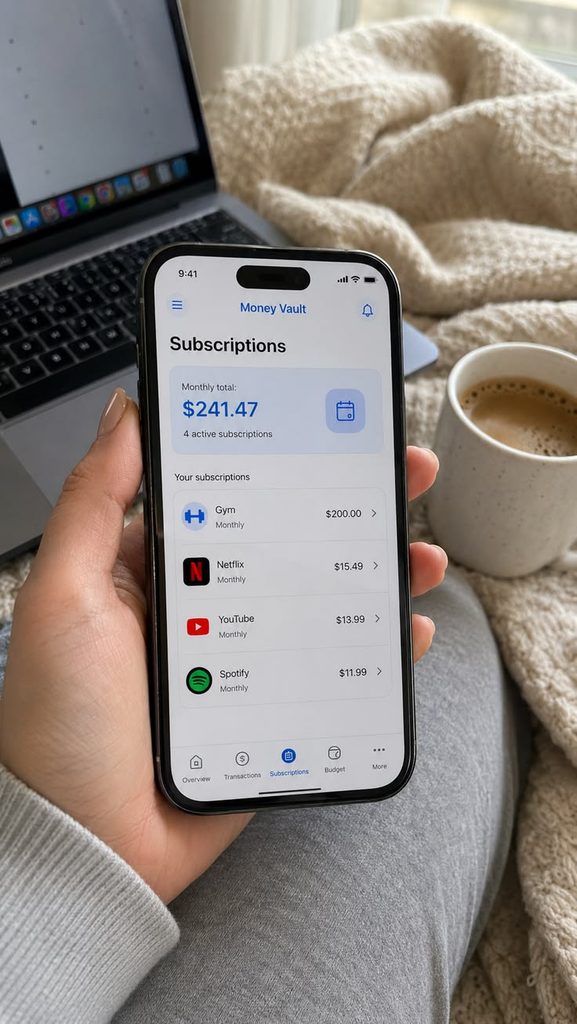
Subscriptions are sneaky because each one looks small and harmless. Streaming, music, apps, cloud storage, and gym plans quickly add up. List every recurring charge from your bank statements and be honest about what you use.
Cancel anything you have not touched in the last month. Share family plans with trusted friends or relatives if the rules allow it.
Rotate streaming services, so you pay for one at a time instead of five. Look out for free trials that quietly turn into paid plans. Set a reminder before each trial ends, so you can cancel in time.
Review your list every few months, since new charges appear when you least expect them. Plugging these leaks can free up the price of a weekly meal out. Spend only on the services that truly make your life better.
Trust me, you’ll want to read this: 45 Things You Should Know About Your First Paycheck
Keep Your Bills Organised
Living alone means you are the whole accounts department, so organisation matters. A late fee wastes money, and it adds stress you do not need. Make a list of all your bills with their due dates and amounts.
Set reminders on your phone a few days before each date. Automate fixed bills, and check variable ones by hand each month.
For a full routine, follow How to Create a Monthly Bill Payment System and make it your own. Keep receipts and statements in a folder, either paper or digital.
Check that every charge is correct before you pay, because mistakes do happen. Pay bills right after payday so the money cannot wander off somewhere else.
A tidy system lets you enjoy your home without worrying about letters in the post. Ten minutes a week is usually enough to keep everything under control.
Worth a look: 35 Simple Ways to Save Money on an Entry-Level Salary
Build a Safety Net Early
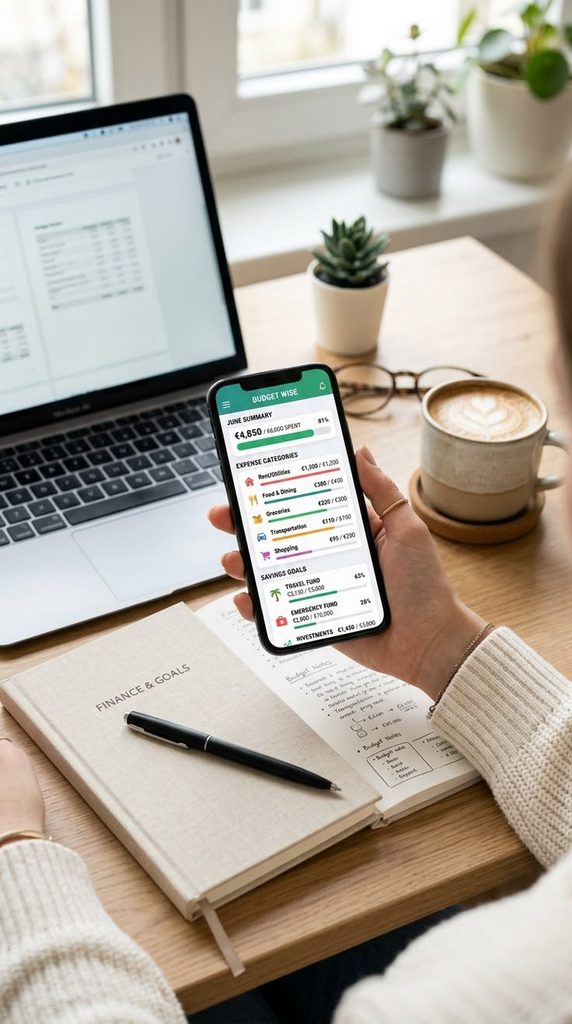
When you live alone, nobody else can cover a sudden cost for you. A broken phone, a medical bill, or a job gap lands entirely on your shoulders. That is why a small emergency fund is not a luxury but a necessity.
Start with a modest goal, like one week of basic expenses. Then slowly grow it toward a few months of living costs.
If you need a plan, How to Build an Emergency Fund From Scratch shows you where to begin. Keep the money in a separate account, so you do not spend it casually. Add a small amount right after each payday before anything else.
Even a modest cushion lets you sleep better at night. Knowing you can handle surprises is one of the best parts of independence. Protect it from small excuses, and use it only for real emergencies.

Avoid Spending Out of Loneliness
Living alone can feel quiet, and quiet moments sometimes lead to impulse spending. Late night shopping, takeout, and random online deals can fill the silence. These purchases give a quick lift, but the feeling fades and the bill stays.
Notice when you spend because of boredom or stress instead of real need. Replace the habit with something free, like calling a friend or going for a walk.
Keep a list of low cost activities that make you feel better. Delete shopping apps or remove saved cards if the temptation is strong. If you do overspend, How to Recover After Overspending Without Giving Up can help you reset.
Be gentle with yourself, because loneliness is human and not a character flaw. Build real connection through clubs, classes, and community events whenever you can.

Enjoy Free and Cheap Fun
Saving money does not mean you must live a boring life or stay home. Look for free events in your area, like markets, festivals, and community shows. Parks, beaches, libraries, and museums with free days offer wonderful ways to relax.
Host a potluck at home, where everyone brings a dish instead of you paying for all. Start a hobby that uses what you already have, like reading, drawing, or baking.
Swap books, games, and clothes with friends instead of buying new ones. Set a fun budget each month, and enjoy it guilt free. When the fun money runs out, switch to free options until the next month.
Creativity usually beats cash when it comes to making good memories. A happy life is built from small joys you can afford to repeat. Make a short list of your favourite cheap treats, and rotate through them.
Take a peek; 25 Financial Goals to Set Before Living on Your Own

Share Costs Where You Can
Even if you live alone, you can share some costs with people you trust. Split a streaming plan, a gym pass, or a wifi connection with a neighbour if allowed. Share rides, tools, and bulk shopping with friends to cut waste.
Borrow items you rarely use, like a drill or a suitcase, instead of buying them. Join community groups where people lend, swap, or give away items for free.
Cook with a friend once a week, and divide the groceries fairly. Always agree on the details upfront, so nobody feels cheated later. Keep money matters clear and friendly, and settle debts quickly.
Sharing builds community, and it lowers costs at the same time. You do not have to carry every cost alone, even in your own place. Use a simple note to track who owes what in shared arrangements.

Furnish Smart and Buy Second Hand
Furnishing a home from scratch can drain your savings if you rush. I once bought a brand new sofa within a week of moving in and regretted it. The price made me wince, and I later found a good used one for a fraction.
Start with the essentials, like a bed, a table, a chair, and basic kitchen items. Check second hand shops, online marketplaces, and community groups for good deals.
Ask friends and family if they have spare items they no longer need. Test furniture before buying, and check for damage, pests, or loose parts. Choose multipurpose pieces, like a storage bench or a foldable table, to save space.
Add the rest slowly over time, as you learn what your home truly needs. Patience here is your best friend, because rushed purchases usually cost more.

Handle Debt While Living Alone
If you owe money while living alone, the monthly pressure can feel heavy. List each debt, including the balance, the interest, and the minimum payment. Pay the minimums on time, and send extra to one debt at a time.
Avoid using credit cards for daily costs just because the month feels tight. If you want to use credit wisely, read How to Build Credit Responsibly as a Beginner first.
Do not take new loans for furniture or gadgets unless you can repay them quickly. Talk to lenders early if you cannot keep up, because many will offer gentler plans. Avoid payday loans, which carry huge fees and trap people in cycles.
Every debt you clear lowers your monthly costs and raises your freedom. Keep going, because progress counts even when it feels slow. Celebrate each balance you finish, even if it is a small one.

Put Your Savings in the Right Place
Saving money is great, but where you keep it also matters. A basic account with low interest may barely grow your balance. Look for savings accounts with better rates, low fees, and easy access.
If you are comparing banks, How to Open the Right Bank Account for Your Lifestyle can guide you. Keep emergency money somewhere safe and easy to reach, not locked away.
Use separate accounts for different goals, like travel, a deposit, or a gadget. Name each account clearly, so you remember what it is for. Automate transfers on payday, so saving happens without any daily effort.
Review your accounts once a year, and move money if a better deal appears. Make your savings work quietly while you get on with your life. Do not chase risky returns with money you cannot afford to lose.

Review Your Costs Regularly
Living costs change over time, so review your spending every few months. Look at your budget and ask which categories grew without you noticing. Compare current bills with old ones, and look for price rises or new charges.
Check if you still need every service, subscription, and habit. Note what worked, like cheaper groceries or lower power use, and keep doing it.
Fix what did not work, and try a new approach next month. Celebrate your savings progress, even if the numbers seem small. Share your wins with a friend, because it keeps you motivated.
Small reviews prevent big surprises, and they keep your plan fresh. Your home should feel like a comfort, not a financial burden. Treat it like an appointment with the best version of your future.
Final Thought
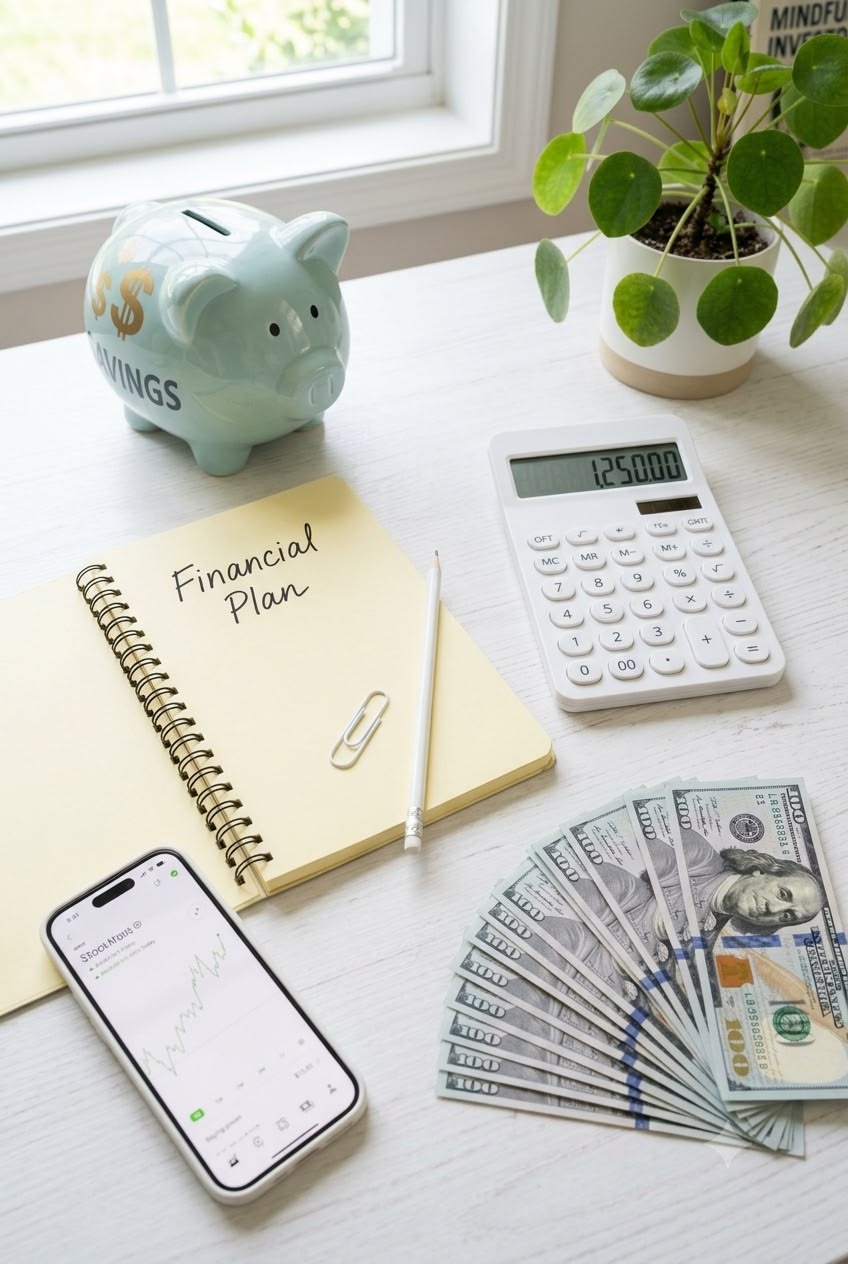
Living alone is a big step, and it comes with big feelings and big bills. You now know how to plan a budget, cut costs, and avoid common money traps. You also know how to build a safety net, enjoy free fun, and shop smart.
None of this requires a perfect plan, only steady habits and a willingness to start. Every small change you make today will add up to real freedom over time. Independence feels so much better when your bank balance supports your choices.
Pick one idea from this post, and try it before the week ends. Maybe it is cancelling a subscription, or planning your meals for the next three days. Maybe it is calling your internet provider and asking for a better price.
Whatever you choose, the important part is to begin and to keep going. Small wins build confidence, and confidence makes the next step feel easier. Write your chosen idea down so it becomes a promise and not just a thought.
Remember that your home is more than rent and bills, because it is your space to grow. You deserve to enjoy it without constant money worry hanging over your head. With a little planning, your place can feel both comfortable and affordable.
If this post helped you, share it with a friend who has just moved out. Keep learning, stay patient, and be proud of the independence you are building.
Your future self will thank you for every smart choice you make now. Enjoy your space, protect your money, and let the two grow together.
Leave a Reply