Picture this: your phone slips off the table and the screen cracks into a thousand tiny lines. The repair costs more than your last two grocery trips combined, and payday is two weeks away.
Your stomach drops, and you start doing quick maths you really do not enjoy. This moment has a name, and it is called an emergency with no money behind it. Almost everyone has been there, and almost nobody saw it coming.
Here is the good news, though, because this problem has a simple and friendly fix. It is called an emergency fund, and it is just a pile of money you keep for rough days.
You do not need a big salary to build one, and you do not need special skills. You only need a plan, a little patience, and the habit of showing up every payday.
Think of it as a soft pillow that catches you when life pushes you off balance. Without it, a small problem quickly turns into debt, stress, or a very awkward phone call to family.
In this post, we will start from zero and build your fund step by step. We will talk about how much to save, where to keep it, and how to protect it. No budget yet? Start with How to Create Your First Monthly Budget and then come back here.
Do not worry if your savings account looks empty today, because every fund starts that way. Get comfy, grab a snack, and let us make your future self feel a little safer.
Worth a look: 25 Things to Include in Your First Monthly Budget

How to Build an Emergency Fund From Scratch
What an Emergency Fund Really Is
An emergency fund is money you set aside for sudden and necessary costs, and nothing else. It is not your holiday fund, your shopping fund, or your new phone fund.
Think of it as a safety net that sits quietly in the background until something breaks. Most of the time, you will forget it is even there, and that is a good sign.
When trouble shows up, though, that quiet pile of cash becomes the most valuable thing you own.
It gives you time to think, and time is what stressed people never have enough of. Without a fund, you grab the nearest solution, which is often a loan with a painful interest rate.
With a fund, you simply pay the bill, take a breath, and carry on with your week. That is the whole idea, and it really is that simple. Nothing fancy is needed here, just a clear purpose and a spot to keep the money.
Take a peek; 45 Expenses to Budget for When You Live on Your Own
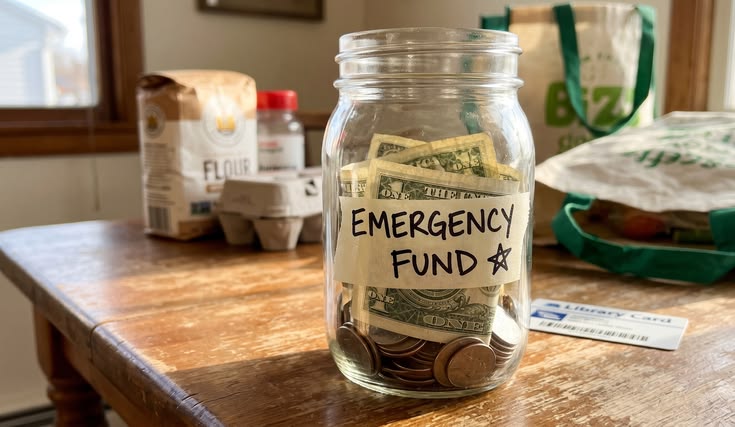
Why You Need One Before You Need One
Money problems love to arrive when you are least ready for them. A car breaks down, a laptop dies, or a family member needs help, and you have no time to prepare. Waiting until the problem happens is the most expensive way to deal with it.
Many young adults live from one payday to the next, and one bad surprise can break the cycle badly. That cycle is exactly what How to Stop Living Paycheck to Paycheck explains in more detail.
During my first year of working, my phone screen cracked and I had nothing saved to fix it. I borrowed money from a friend, and I felt embarrassed for weeks afterwards.
That small moment pushed me to start my own fund, and I have never regretted it. Starting early gives your money time to grow and gives your mind time to relax.
Even a tiny fund is better than none, because it stops small problems from becoming big ones.

What Counts as a Real Emergency
A real emergency is something sudden, necessary, and impossible to put off for long. Medical bills, urgent travel for a family crisis, and sudden job loss all fit that description.
A broken phone you use for work also counts, since you cannot earn without it. So does a car repair if you need the car to get to your job. Rent shortages after a pay delay belong here too, because losing your home is not an option.
The simple test is to ask yourself three questions before you touch the money. Is it unexpected, is it needed, and can it wait until next month? If the answer is yes, yes, and no, then you have found a true emergency.
Write that test on a sticky note and keep it close to your bank card. It will save you from many sneaky spending decisions in the months ahead. Having a clear rule makes the decision calm instead of stressful.
See what others are reading: 35 Ways to Save Money on an Entry-Level Salary

What Does Not Count
Now let us be honest about the things that feel urgent but are not emergencies. A big sale is not an emergency, no matter how loud the shop banner shouts at you. Neither is a friend’s birthday trip, a new outfit, or the latest phone upgrade.
These are wants, and wants have their own place in your budget. Subscriptions and takeout nights do not count either, even on tired and hungry days.
The tricky part is that your brain will try to convince you otherwise. It will say you deserve it, or that the offer ends tonight, or that you will refill it later. Pause for a full day before you use your fund for anything that feels borderline.
Most of the time, the urge fades, and the money stays exactly where it belongs. Protecting the fund from small excuses is half the work of building it. A fund that keeps leaking never grows large enough to help anyone.

Start With a Tiny First Goal
Big goals can freeze you, so let us begin with something small and friendly. Pick a first target that you can reach in about one or two months. For many people, that is the cost of a phone repair or a small medical bill.
Maybe it is the price of a few days of groceries, or a short bus trip home. Choose a number that feels easy to say out loud without making you sweat.
Reaching it will give you a quick win, and quick wins keep you motivated. When I first started saving, I kept the money in my main account and quietly spent it on shoes.
That taught me to give the fund its own home, which we will get to shortly. Once you reach the tiny goal, celebrate for a moment and set the next one. Small steps add up faster than you think when you keep taking them.
Readers also loved this:25 Money Mistakes to Avoid When You First Start Living Alone

Work Out Your Monthly Basics
To know how big your fund should be, you first need to know your basic monthly costs.
Basics are the things you must pay to stay safe, fed, housed, and employed. Rent, food, transport, utilities, phone credit, and minimum debt payments all belong on this list.
Leave out shopping, entertainment, and extras, because those can pause during hard times. Open your bank records and look at the last two or three months for honest numbers.
Bills slipping past you? How to Create a Monthly Bill Payment System can keep them in line. Add everything together and you will have your monthly survival number.
This number is powerful because it turns a vague goal into something you can measure. Write it down and keep it where you can see it often.
You will use it again in the next step to set your final target. Do not round it down, because small gaps become big problems during real emergencies.

Set Your Final Target
Most experts suggest saving between three and six months of your basic costs. That sounds huge at the start, but you only build it one small step at a time.
If you are single with a steady job, three months is a solid goal. If you support family members or work in a shaky industry, aim closer to six. Your income pattern matters too, because stable pay needs less cushion than uneven pay.
If your earnings jump around, read How to Budget When Your Income Changes Every Month for extra guidance. In that case, a larger fund will help you sleep better.
Multiply your monthly basics by your chosen number of months, and that is your finish line. Do not let the final figure scare you, because you will never save it all at once.
Treat it like a long road trip where you only need to reach the next mile marker. Remember that the first month of savings is the hardest, and it only gets easier.

Pick the Right Place to Keep It
Where you keep your fund matters almost as much as how much you save. It should be safe, easy to reach in a hurry, and slightly annoying to spend on impulse. A separate savings account is usually the best choice for most beginners.
Look for one with low fees, no strict minimum balance, and a little interest if possible. Still choosing a bank? How to Open the Right Bank Account for Your Lifestyle can guide you.
Avoid keeping the fund in cash at home, because it is easy to lose or spend. Avoid risky places like stocks or crypto too, since prices can drop exactly when you need money.
Your emergency fund is not an investment, and its job is safety instead of growth. Pick a spot that lets you withdraw within a day or two without penalties. Then give the account a clear nickname, like Rainy Day, so you remember its purpose.
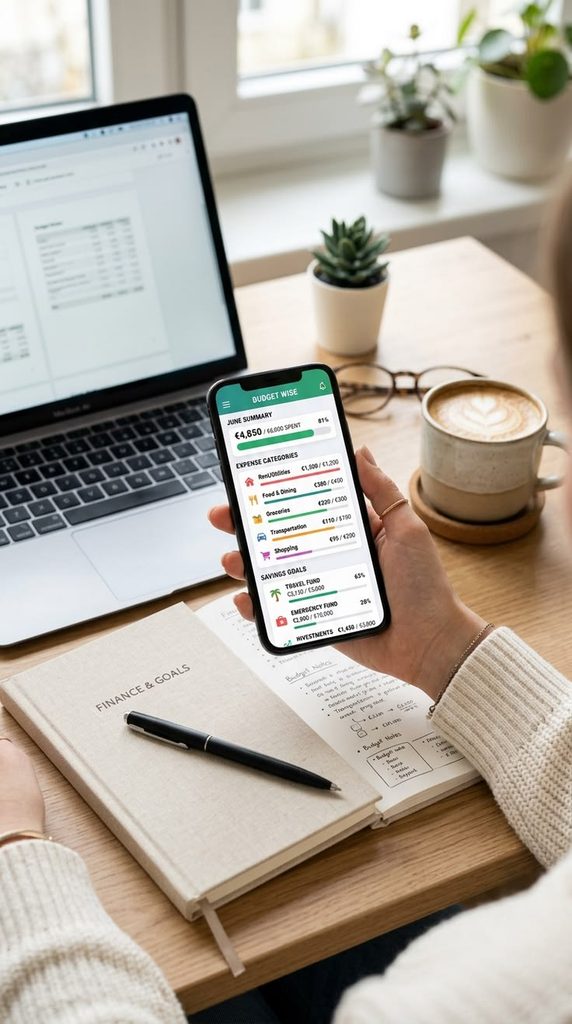
Make Room in Your Budget
Now you have to find the money, and the best place to find it is your budget. Look at the plan you already made and carve out a small slice for your fund.
Even one or two percent of your income is a fine place to start. If your budget is tight, trim a little from wants and move it over. Fewer takeout nights or one skipped subscription can free up more than you expect.
Treat the fund like a bill that must be paid, not an extra you pay if there is leftover cash. That mindset shift is what separates people who save from people who only mean to.
Slide the amount up slowly as your income grows or your costs shrink. Do not feel bad if the number looks tiny, because tiny numbers repeated for a year become real money. You are building a habit first, and the size of the habit can grow later.

Automate the Saving
Willpower runs out by the end of a long week, so let your bank do the work. Set up an automatic transfer that moves money to your fund right after payday. When the money leaves before you see it, you will not miss it as much.
Check when your pay lands, then schedule the transfer for the very next day. Not sure what those pay lines mean? How to Read Your First Paycheck Without Feeling Confused can help.
Start with a small amount so the transfer never bounces or causes stress. You can always raise it later when you feel more comfortable. Automation also removes the daily choice of saving or spending, which is where most people slip.
After a few weeks, you will forget the transfer exists, and your fund will keep growing quietly. Set a reminder every three months to check that everything still works properly. A boring system that runs on its own beats a perfect plan you forget.
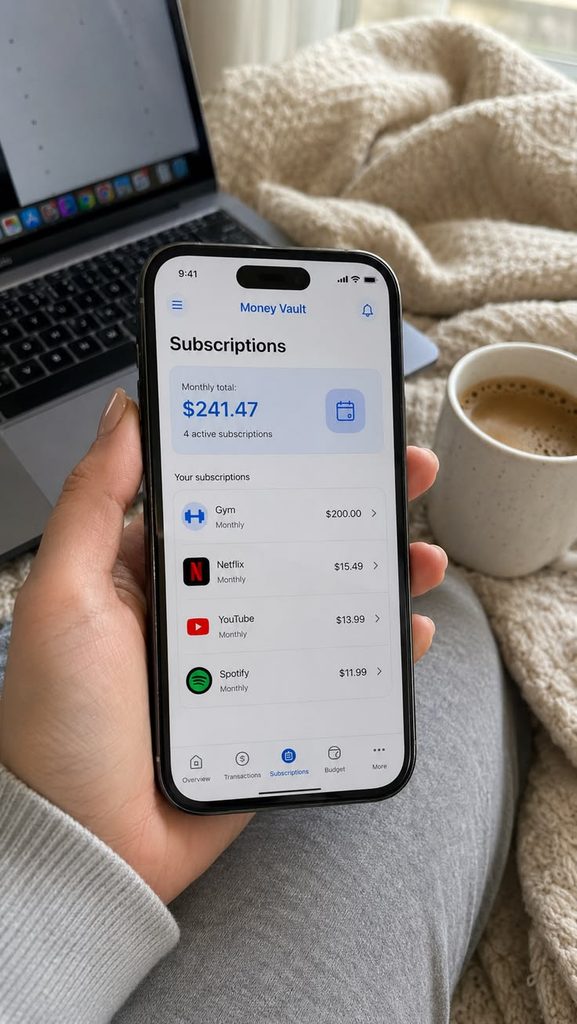
Find Extra Money Hiding Around You
Your fund can grow faster if you hunt for extra money in unexpected places. Start by looking at what you already own and no longer use. Old clothes, gadgets, books, and furniture can turn into quick cash on resale apps.
Next, check your monthly costs for plans you forgot, like unused memberships and extra data bundles. Calling your provider to ask for a cheaper plan can also save a surprising amount.
Living alone gives you even more room to trim, and How to Save Money While Living Alone shows how. A small side hustle, like tutoring or selling snacks, can also add steady money.
Put every bit of that extra cash straight into your fund before you can spend it. Think of it as a bonus round for your savings.
Small amounts arriving in different ways add up faster than most people expect. Even ten extra minutes of looking each month can pay off nicely.

Use Windfalls Wisely
Sometimes unexpected money shows up, like a bonus, a tax refund, or a birthday gift. Your first instinct might be to spend it all, and that feeling is completely normal.
Try splitting the money instead, and give your fund a generous share first. A simple split might be half to savings and half to something fun. That way, you get to enjoy the surprise and still move your goal forward.
A windfall can jump-start a fund that has been moving too slowly. One lucky month can cover weeks of regular saving, so do not waste the moment. If you get a raise, send part of the extra pay to your fund before your lifestyle quietly grows.
You will never miss money you never got used to having. This habit builds wealth quietly, and it costs you almost no effort at all. Be strict about this rule, because windfalls disappear fast when no one tells them where to go.
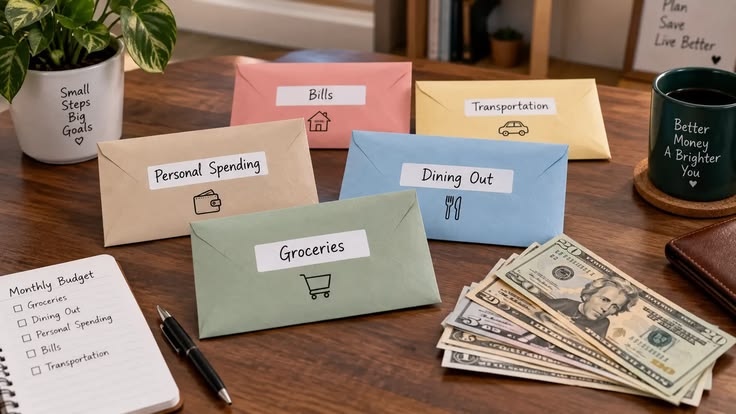
Build It While You Have Other Bills
Life does not pause so you can save, and you probably have other money duties too. Student loans, family support, and credit card payments all want a piece of your income.
Pay the minimum on your debts and still send a small amount to your fund. Without that cushion, the next emergency will land on your credit card and make things worse.
High interest debt deserves attention, but a tiny fund protects you from borrowing again.
Once your starter fund is ready, you can push harder on paying off debt. Balance is the goal here, so do not aim for perfection or speed. Many people feel guilty saving while owing money, but that guilt is not helpful.
A small cushion keeps you from falling deeper into the hole when trouble comes. Treat your debts and your fund as teammates instead of enemies. Check your plan every month and shift the balance as your debts shrink.
Read this next: How to Build Credit Responsibly as a Beginner

Keep Your Fund Separate and Safe
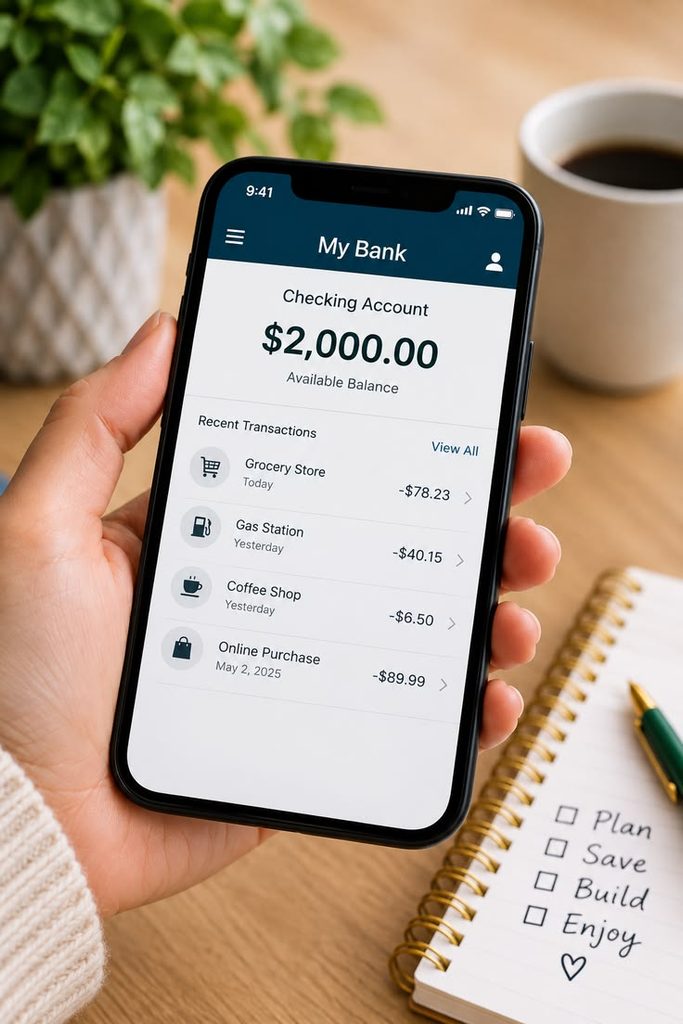
Your fund works best when it is kept apart from your everyday spending money. Do not attach a debit card to it, or at least keep the card out of your wallet.
Remove the account from your banking app home screen if you can. Every tiny barrier you add makes casual spending a little bit harder. Tell one trusted person about your fund so you have someone to hold you accountable.
Make sure your account has two step security and a strong password. Scammers love targeting savings, so be careful with links, calls, and strange messages.
Never share your bank codes with anyone, even people who say they are from the bank. Check your balance once a month to confirm everything looks normal.
Safety is not only about where the money sits but also about how you protect it. A fund that is safe from you and from strangers is a fund that lasts.
Resist the Temptation to Dip In
Every saver faces the moment when the fund looks like an easy answer to something fun. Your friends plan a trip, a sale starts, or your favourite singer announces a concert.
The money is right there, and it feels like nobody would mind. But you would mind, because the fund only helps when it is full on the day you need it. Try keeping a separate fun fund so wants have their own place to live.
Write your reason for saving on a note and stick it where you can see it. Maybe it says peace of mind, or freedom from debt, or never asking for loans again. Look at that note whenever the urge to spend appears.
Remind yourself that you are buying future calm instead of present excitement. The urge passes faster than you expect when you give it a few quiet minutes. Each time you say no, you are training yourself to protect what matters.

Know When to Use It
Having a fund is useless if you are too scared to use it when needed. Some people save for months and then panic about spending a single coin. Remember that the money is there to be used, and using it for a real emergency is a win.
When trouble arrives, run your three question test, and if it passes, pay the bill without guilt. In my second year, my laptop died a week before an important deadline.
I used my fund to replace it, and I did not lose a single day of work. That relief taught me exactly why I had been saving all along. Write down what you spent and why, so you can learn from every emergency.
Resist the urge to use more than you need, even if the account looks healthy. Take what the problem requires and leave the rest untouched for another day. Using the fund well is a sign that your planning worked.

Refill It After You Spend It
Spending from your fund is not the end, because rebuilding it is part of the process. Make a plan right away to bring the balance back to where it was. Treat the refill like a temporary bill that sits at the top of your list.
Pause extra spending for a month or two if you need to catch up quicker. Aim to restore the starter amount first, then climb back toward your full target.
Overspent along the way? How to Recover After Overspending Without Giving Up can help you reset. Do not feel ashamed, because dipping into the fund simply means it did its job.
The shame spiral is what makes people quit, so skip it and start refilling. Small weekly top ups often work better than one big push.
Within a few months, your cushion will be back and likely stronger than before. Celebrate when it is full again, because rebuilding takes real discipline.

Keep Growing It as Life Changes
Your fund is not a one time project, because your life will keep changing. A new job, a move, a baby, or a bigger rent can all raise your monthly basics. Each time your costs go up, recalculate your target and adjust your savings plan.
Set a reminder once or twice a year to review the amount. When your income grows, increase your contributions by even a small percentage.
Over time, these tiny increases build a fund that matches the life you are really living. It also helps to review where the money sits, in case a better account appears.
Keep reading, learning, and asking questions, since good money habits improve with practice. Your future self will be grateful for every small step you take now.
Nobody builds financial peace overnight, but everyone can start building it today. Check in on your fund the same way you would check on a good friend. A little attention goes a long way over several years.
Final Thought
Building an emergency fund from scratch is not about being rich or perfect. It is about giving yourself a soft place to land when life gets bumpy. You now know what the fund is, how big it should be, and where it should live.
You also know how to protect it, use it wisely, and rebuild it afterwards. Start small, stay steady, and let time and habit do the heavy lifting. Think of every deposit as a quiet promise to your future self.
If you take only one action today, open a separate account and move a small amount in. Even the price of a lunch is enough to begin, because beginning is the hardest part.
Tomorrow, set up an automatic transfer, and next week, write your monthly basics on paper. You will feel lighter the moment your first deposit lands.
Every deposit after that adds a little more calm to your life. Do not wait for payday to feel perfect, because it never will.
Please remember that emergencies are not a sign that you failed at money. They are simply part of life, and your fund is how you meet them with confidence. Next time your phone cracks or a bill surprises you, you will breathe instead of panic.
That is the real prize, and it is worth every small sacrifice along the way. If this post helped you, share it with a friend who is also starting from zero.
Keep going, stay patient, and trust that small deposits can build a very strong safety net. You are already ahead of many people simply by caring enough to read this.
Leave a Reply