Your first paycheck arrives, you open the slip, and your eyes go straight to one number. Then you notice another number, much smaller, and your heart does a tiny flip.
Where did the rest of the money go, and who gave it away without asking you? If you have felt that confusion, you are in very good company.
Almost every first time worker stares at a payslip like it is written in another language. That mix of excitement and confusion is completely normal, and it passes quickly.
The truth is that a paycheck is not complicated, but nobody explains it to us. It has a few parts, a few rules, and a handful of strange words. Once you learn them, the whole page starts to make sense, and you feel much calmer.
Knowing your payslip also protects you from errors, because you can spot mistakes quickly. Think of your payslip as a receipt for your hard work, and you deserve to understand it.
In this post, we will go through every line slowly, in plain and friendly words. You will learn what each part means, how to check your pay, and what to do next.
When you are ready to plan your money, How to Create Your First Monthly Budget is a great follow up. Do not worry about getting everything on the first read, because you can always come back.
Grab your payslip, or imagine one, and let us decode it together. By the end, those mysterious numbers will feel like old friends.

How to Read Your First Paycheck Without Feeling Confused
Why Your Paycheck Feels Confusing at First
Your first paycheck feels confusing because nobody teaches payslips in school. We learn about history and maths, but not about taxes, pensions, or deductions. During my first job, I expected one amount and received a much smaller one.
I honestly thought the company had made a mistake and almost sent an angry email. It turned out that taxes and deductions explained every missing coin.
That moment taught me that confusion usually comes from missing information, not bad luck. Payslips also use technical words, which makes simple things look scary. Terms like gross, net, and statutory can make anyone feel lost.
Luckily, each word has a plain meaning, and we will unpack them one by one. Take your time, and remember that questions are always welcome. Even experienced workers sometimes struggle with their slips, so you are not behind.
You might also love this: 35 Things to Know Before Getting Your First Credit Card

Gross Pay Versus Net Pay
Gross pay is the total amount your employer agrees to pay you before anything is taken out. Net pay is what remains after taxes and other deductions leave the building.
Net pay is also called take-home pay, because it is what you actually take home. Your job offer usually mentions the gross figure, which is why the bank alert feels smaller.
Both numbers are correct, but they answer two very different questions about your income.
Gross tells you how much your work is valued by the company. Net tells you how much you can really spend, save, and plan with. Always build your life around the net number and never the gross one.
Make sure you know both figures, so you can spot any big gaps. A large gap is normal, but it should match the deductions listed.

Understanding Your Pay Period
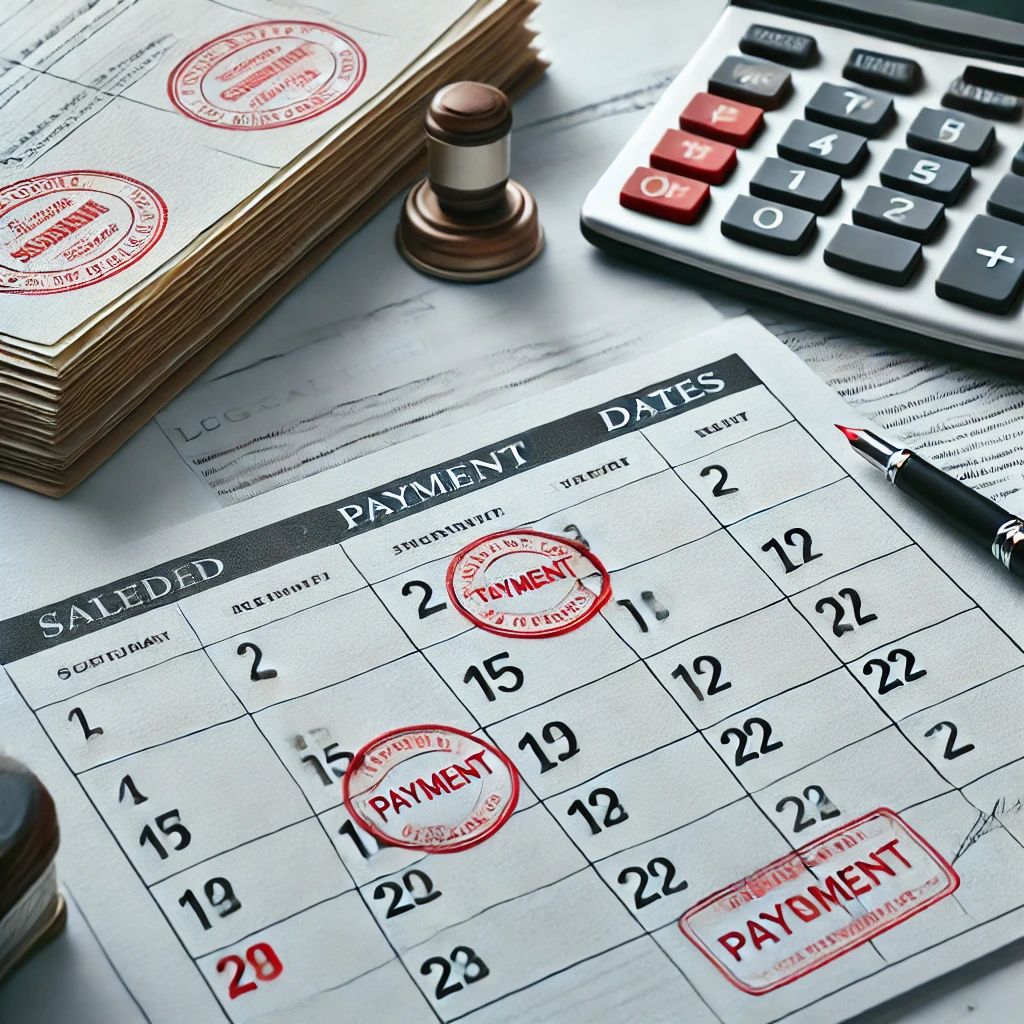
A pay period is the stretch of time your payment covers. Some companies pay monthly, some pay every two weeks, and some pay every week. Your slip should show the exact dates, so check them against your calendar.
Knowing your pay period helps you plan when rent, food, and transport money will arrive. If you get paid monthly, your money must stretch across about thirty days.
If you get paid every two weeks, you may have two small paydays in a month. Some months even bring a third payday, which can feel like a lovely surprise. Do not treat that bonus payday as extra spending money, though.
Use it to build savings or pay down something that has been bothering you. Also note the date money lands, since banks sometimes delay payments over weekends.
Pin this for later: How to Open the Right Bank Account for Your Lifestyle
Basic Salary and How It Is Set
Basic salary is the core amount your employer pays you for your regular work. It excludes extras like allowances, overtime, or bonuses, which are listed separately. Your contract or offer letter should state this figure, so keep a copy somewhere safe.
Many deductions are calculated from this basic amount, so it matters more than it looks. For example, some pension contributions use basic salary as the starting point.
Compare the basic salary on your slip with your contract, and make sure they match. If your role changes or you get a raise, the basic salary should change too. Do not be shy about asking questions, because this is your income.
Employers usually respect staff who pay attention to their own pay. A small difference now can grow into a big problem later. Write the number in your notes, so you always have a quick reference.
Read this next: 25 Money Mistakes to Avoid When You First Start Living Alone

Allowances and Extra Pay
Allowances are extra payments that cover specific needs, like transport, housing, or meals. They usually appear as separate lines, so you can see exactly what they are for. Some allowances are taxed and others are not, depending on local rules.
Check your contract to see which allowances you are promised and how often. If an allowance is missing, ask your payroll team politely and keep your tone friendly.
Do not assume that every allowance continues forever, because companies sometimes change them. Treat allowances as part of your income plan, but be ready if they shrink.
If part of your allowance is meant for housing, use it for housing and nothing else. Clear categories help you avoid confusion when the month gets busy.
Understanding these lines will make your total income picture much clearer. Add all allowances together once, and you will see your true package.
Keep this handy: How to Save Money While Living Alone

Overtime, Bonuses, and Commissions
Overtime is extra pay for hours you work beyond your normal schedule. Bonuses are rewards for good results, and commissions come from sales you make. These lines can change every month, so they are less predictable than basic salary.
Do not build your whole lifestyle on them, because they can disappear without warning. A smarter plan is to live on your basic pay and save most of the extras.
If your income swings a lot, How to Budget When Your Income Changes Every Month will help you plan. Check that your overtime hours match what you actually worked.
Keep a small note of your extra hours, since memory can fade. Bonuses are often taxed heavily, so the amount you receive may look smaller than expected. That is normal, and it does not mean you were cheated.
Continue reading here: 35 Ways to Save Money on an Entry-Level Salary

Income Tax in Plain Words
Income tax is money the government collects from your earnings to fund public services. Your employer usually takes it out of your pay and sends it on your behalf.
That is why you may never see this money, even though it was part of your gross pay. Tax rules differ by country, and rates often rise as your income rises. Your payslip should show how much tax was taken and the rate or band it fell under.
Do not panic when the number looks big, because it pays for roads, schools, and hospitals. Still, you should make sure the amount is correct for your situation. Some people qualify for reliefs or reduced rates, so ask your payroll team about them.
Keep your tax identification details safe, and share them only with your employer or trusted offices. Understanding tax makes you less afraid of it, and less likely to be cheated.

Pension and Retirement Deductions
A pension deduction is money set aside from your pay to support you in old age. Retirement may feel far away, but this money quietly grows while you get on with life. In many places, your employer adds their own contribution on top of yours.
That extra contribution is basically free money, so never ignore it. Your slip should show how much you paid and how much the company paid.
Check that the percentage matches what your contract says before you move on. Some workers can add extra voluntary contributions if they want to save more.
Do not touch pension money early unless it is truly unavoidable, because penalties can be heavy. Small contributions in your twenties can become surprisingly large by the time you retire.
Think of this deduction as a gift from today’s you to tomorrow’s you.
You’ll love this too: 45 Expenses to Budget for When You Live on Your Own

Health Insurance and Other Benefits
Some employers deduct money for health insurance or a medical plan. This protects you from huge hospital bills, which can hurt your finances badly. Your slip may show your share and the company’s share separately.
Find out what your plan covers, such as clinic visits, emergencies, or prescriptions. Many young adults ignore this benefit until they get sick, and then they feel lost.
Keep your insurance card or number somewhere you can find quickly. Some jobs also offer life insurance, transport support, or meal vouchers. These benefits are valuable even if they are not paid in cash.
Ask your human resources team for a simple summary of every benefit you have. Knowing what you already have stops you from paying for the same thing twice.

Other Deductions You May Spot
Besides tax and pension, you may see smaller deductions that raise eyebrows. A loan repayment, a union fee, or a staff savings plan can all appear here. Some companies also deduct for uniforms, equipment, or cooperative contributions.
I once spotted a deduction I did not recognise and spent days wondering what it was. It turned out to be a savings scheme I had signed up for during onboarding.
Read every form you sign, because your future payslip will reflect those choices. Ask your payroll team to explain any line you do not understand. Polite questions get quick answers, and you lose nothing by asking.
Never accept a vague label like miscellaneous without asking for a proper explanation. Every deduction should have a clear reason and a clear source. Keep a short list of what is deducted and why, so you can spot changes.

Year-to-Date Numbers
Many payslips show year to date totals, which add up everything since the start of the year. These figures include your gross pay, tax paid, and other deductions so far. They help you see the bigger picture instead of staring at one month alone.
Year to date numbers are also useful when you need to fill forms or apply for loans. Banks and landlords sometimes ask for proof of how much you have earned over time.
Check that the totals grow in a steady and logical way each month. If a total suddenly drops or jumps, ask payroll to explain the change. These numbers also help you plan taxes if you need to file a return.
Take a quick photo or save a copy of each slip for your records. Over time, you will see your earning history grow, and that feels quietly rewarding.
Hours and Leave Balances
Some slips show how many hours you worked or how many days of leave you have left. This section is easy to ignore, but it protects your time off. Check that your annual leave balance matches what your company policy promises.
If you took leave, make sure it was recorded correctly and deducted only once. Sick leave, maternity leave, and unpaid leave are usually tracked in separate lines.
Knowing your balance helps you plan holidays without last minute stress. It also helps you avoid losing leave days that expire at the end of the year. If your hours look wrong, compare them with your own notes or work schedule.
Small errors in hours can turn into big errors in pay over time. Rest is part of your compensation, so keep an eye on it.

How to Check If Your Pay Is Correct
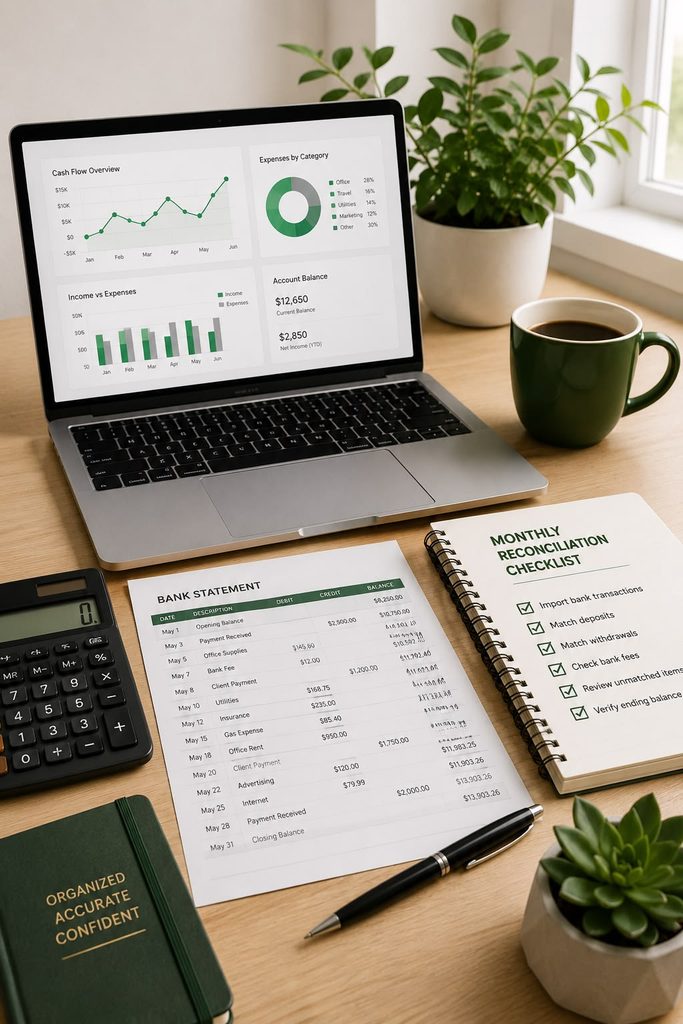
Checking your pay takes about ten minutes, and it can save you a lot of trouble. Start with your contract, and compare the basic salary and allowances with your slip. Next, add all the earnings lines to find your gross total.
Then add all the deductions and subtract them from gross pay. The result should match the net pay on your slip and in your bank account.
If the numbers do not match, circle the lines that look off. Use a calculator or your phone, and write each step in your notes. Do this every month for the first six months, and then every few months after that.
The habit builds confidence, and it also builds respect from your payroll team. A quick check is a small price for peace of mind.

What to Do When Something Looks Wrong
Errors happen, and I once found that my overtime had been left out completely. I stayed calm, gathered my records, and sent a polite message to payroll. They fixed it in the next cycle and even apologised for the delay.
Start by double checking your own numbers, so you know exactly what looks wrong. Then write to your payroll or human resources team with clear details.
Include the pay period, the line in question, and what you expected to see. Attach a photo of your slip and any proof, like your hours or contract. Keep your tone calm and respectful, because kindness gets faster results than anger.
If you do not hear back in a few days, follow up politely. Keep a record of every message in case you need it later.

Turning Your Paycheck Into a Plan
Understanding your slip is only half the job, because the real magic is in using it. Take your net pay and decide where it goes before you spend a single coin. Set aside money for rent, food, and transport first, since those keep life running.
Then give yourself a clear amount for fun, so you do not feel trapped. Send a little to savings before anything else tempts you.
Many people spend wildly in the first week and then struggle for three more. If that sounds familiar, How to Recover After Overspending Without Giving Up can help you reset.
A simple plan written on payday takes five minutes and prevents weeks of stress. Use the same layout each month, so the habit becomes automatic. Your paycheck is a tool, and a plan turns the tool into progress.

Saving From Day One
The best time to start saving is the very first paycheck you receive. Even a tiny amount builds a habit, and habits are stronger than good intentions. Move a little money to a separate place right after you get paid.
Treat it like a bill that has to be paid before anything else. Your first target should be a small cushion for surprises and sudden costs.
To build it properly, read How to Build an Emergency Fund From Scratch when you can. Do not wait until you feel rich, because that feeling rarely arrives on its own. Saving a little each month beats saving a lot once and then stopping.
Automate the transfer if your bank allows it, so you do not rely on willpower. Future you will be very grateful for the choices present you makes now.

Why Paying Bills Early Helps
Your paycheck often arrives close to when bills are due, so timing is everything. Pay rent, electricity, internet, and transport costs soon after your money lands. That way, the money cannot be spent on something else by accident.
Late fees and penalties quietly eat into your hard earned pay. A simple routine makes this easier, and How to Create a Monthly Bill Payment System can guide you.
Set reminders on your phone for every due date, and tick each bill when it is done. If a bill feels too large, call the provider and ask about payment plans. Many companies would rather agree to a plan than lose a customer.
Paid bills create a calm feeling that no shopping trip can match. That calm helps you think clearly about the rest of your money. Treat bill day like a small celebration of staying responsible.

Paycheck Habits That Keep You Out of Trouble
Some habits quietly protect your money, and others quietly drain it. Check your balance a few times a week so nothing surprises you. Avoid spending money you have not received yet, like a bonus you only expect.
Say no to impulse purchases on payday, because that is when temptation is loudest. Keep a small list of things you want, and wait a few days before buying.
If the paycheck keeps running out too early, How to Stop Living Paycheck to Paycheck can help. Talk about money with a trusted friend who also wants to grow. Honest conversations remove shame and give you fresh ideas you had not thought of.
Celebrate small wins, like staying under budget or saving an extra amount. Good habits can feel boring, but boring habits are exactly what build wealth.

Keep Your Payslips Safe
Your payslips are important documents, so treat them with care. Save a digital copy of every slip in a folder that you can find easily. Back it up in another place, like cloud storage, in case your phone gets lost.
Paper copies are fine too, as long as you store them in a safe spot. Payslips are useful when you apply for loans, rent a home, or request a visa.
They prove your income, and many offices ask for the last three months. Do not share them on public groups or with strangers, because they contain private details. Black out sensitive numbers if you ever need to show a slip online.
Delete old copies safely when you no longer need them. A tidy record makes future paperwork far less stressful for everyone involved.

Your First Paycheck and Your Credit Future
Your payslip is more than a receipt, because it helps prove that you can pay back money. Lenders look at your income and job stability before they offer credit. Steady pay and clean records make you look like a safe and responsible borrower.
That does not mean you should rush to borrow, because credit can hurt when used badly. Take small steps and learn how credit works before you sign anything.
A great place to begin is How to Build Credit Responsibly as a Beginner, which keeps things simple. Pay every installment on time, and never borrow more than you can repay. Good habits with your first paycheck shape your credit habits later.
Your income today is the foundation of your financial reputation tomorrow. Protect that foundation with patience, and it will serve you for decades.

Final Thought
Reading your first paycheck does not have to feel like decoding a secret message. You now know the difference between gross and net, and you know what taxes and pensions do.
You can spot allowances, extras, and strange deductions, and you know how to ask good questions. That knowledge turns confusion into confidence, and confidence is the start of financial calm.
Most importantly, you now see that nothing on that page is magic.
Open your next payslip with a pen in your hand and a curious mind. Check each line against your contract, and note anything you do not understand. Send one polite question if something looks odd, and you will learn quickly.
Do not feel silly about asking, because every confident worker once asked the same things. Your paycheck is the result of your time, effort, and skills, so it deserves your attention.
Make this check part of your payday routine, and it will soon take minutes.
From today, let your payslip be a tool and not a source of stress. Use it to plan, to save, to pay bills, and to build a bright future. The more you understand your pay, the more control you have over your life.
If this post helped you, share it with a friend who just got hired. Keep learning, stay curious, and enjoy the feeling of finally understanding your own money.
Be proud of yourself for caring about the details that most people skip. You have taken a big step today, and it will keep paying you back for years.
Leave a Reply