Nobody gets excited about opening a bank account, and that is exactly the problem. Most of us walk into the first bank we see, sign a few forms, and hope for the best.
Months later, strange fees start eating small bites from our money, and we never quite know why. A friend tells you her account costs nothing, while yours seems to charge you for breathing.
That gap usually comes from one thing, which is choosing without a plan. It is a small decision that quietly shapes your whole financial life.
The truth is that a bank account is a tool, and tools should fit the person using them. A student, a freelancer, a nurse, and a business owner all need different things.
The right account saves you money, protects your savings, and makes daily life smoother. The wrong one drains you slowly, and it rarely sends a warning. Think of it as choosing a home for your money, so make it a comfortable one.
In this post, we will walk through every step of choosing and opening the right account. You will learn what to compare, what to avoid, and how to match an account to your life.
Before you choose anything, make sure you have a plan with How to Create Your First Monthly Budget. Take your time, because this is a decision you will live with for years.
Let us find an account that works as hard as you do. By the end, you will feel ready to walk into any bank with confidence.

How to Open the Right Bank Account for Your Lifestyle
Why Your Bank Account Matters More Than You Think
Your bank account is where your income lands, your bills leave, and your savings grow. It touches almost every part of your financial life, from paying rent to building credit. Despite that, most people pick one without comparing anything at all.
When I opened my first account, I chose the nearest bank and never read the fee list. Three months later, I noticed monthly charges that I had never heard of.
Those small fees quietly took money I could have saved for something useful. A good account keeps more of your money in your pocket and less in the bank’s.
It also gives you tools, like alerts, transfers, and spending summaries, that make life easier. Choosing carefully now saves you stress, time, and cash for years to come. Let us start by understanding what is actually on offer.
Understand the Main Types of Accounts
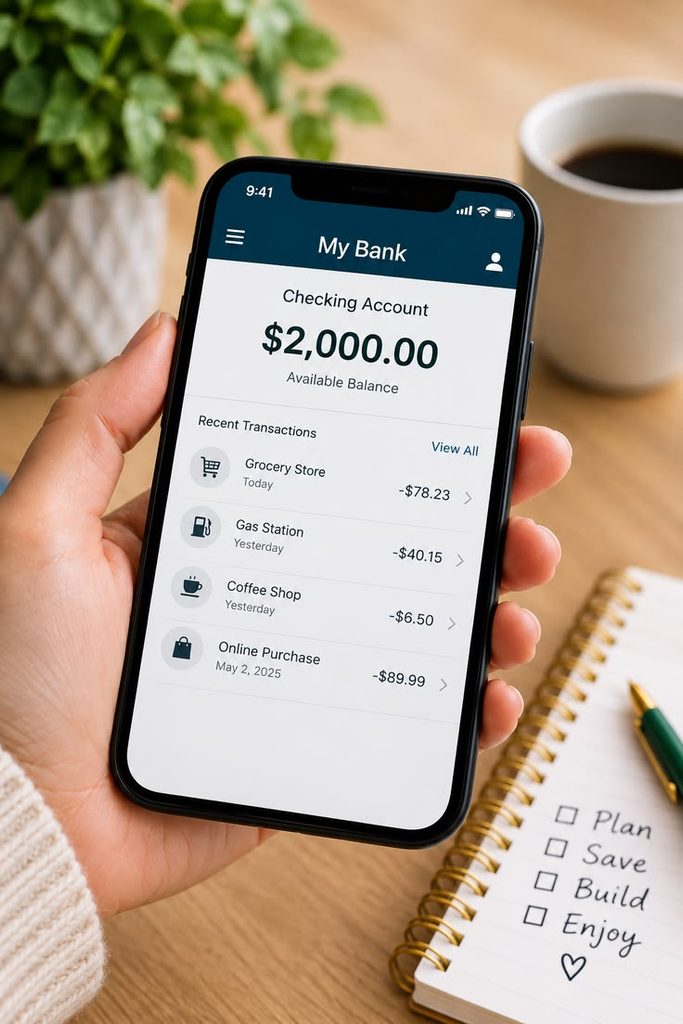
Banks offer several types of accounts, and each one has its own job. A checking or current account handles daily spending, bill payments, and your salary. A savings account is designed to hold money you do not need right away.
A fixed deposit or term account locks your money for a set period in return for higher interest. Student and youth accounts often come with lower fees and simpler rules.
Business accounts keep your work income separate from your personal money. Joint accounts let two people share money, like partners or family members. Some banks also offer packages that bundle several accounts with extra perks.
Knowing these types helps you ask better questions when you talk to a bank. You do not need all of them, only the ones that match your life. Write down the names in your notes, so the jargon stops feeling strange.
Know Your Own Lifestyle First
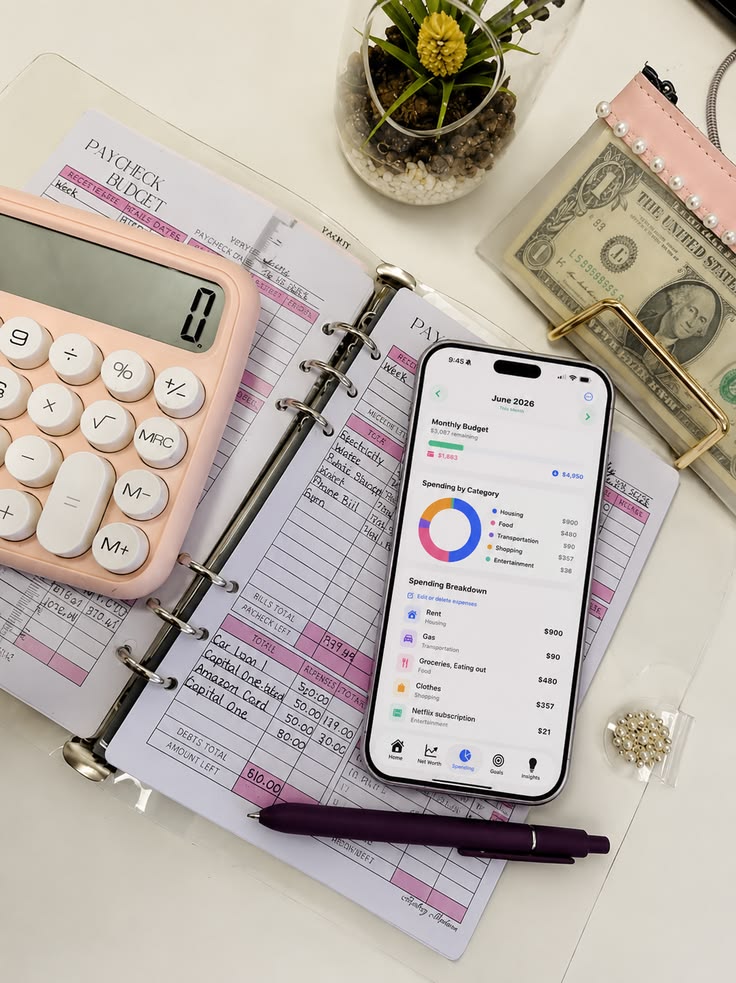
Before you compare banks, take a hard look at how you actually live. Ask yourself how often you spend money, how often you travel, and how you get paid. Think about which you use most often, cash, cards, or mobile apps.
Notice if your money tends to disappear before the month ends. If that sounds like you, How to Stop Living Paycheck to Paycheck is a helpful read.
People who live from payday to payday usually need low fees and simple rules. People who save a lot may want accounts with better interest and easy transfers. Frequent travellers need cards that work abroad without huge charges.
Freelancers need accounts that handle many small payments from different clients. Write a short list of your habits, because it will guide every choice that follows.
Decide What You Need the Account to Do
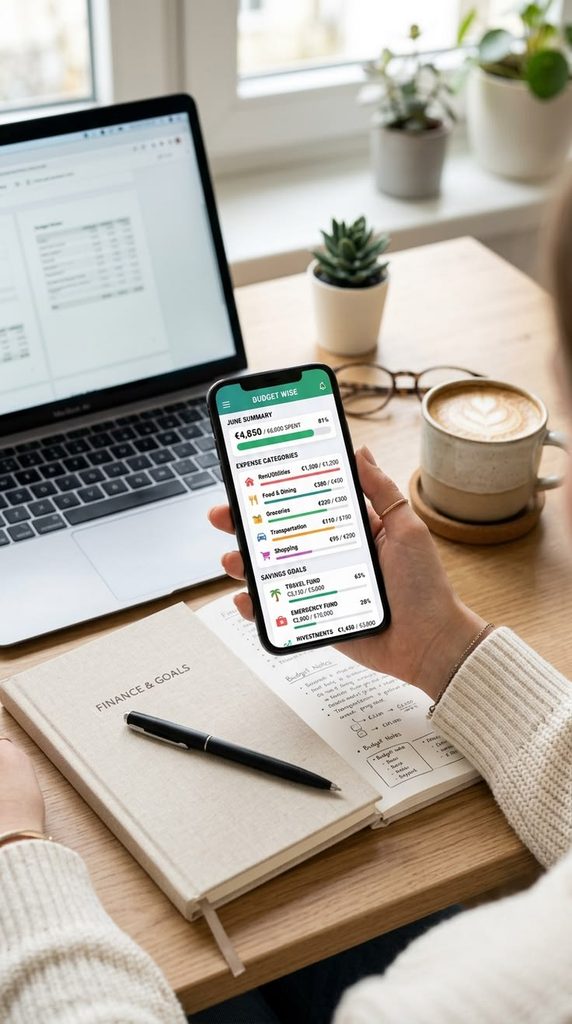
Now turn your lifestyle into a clear list of needs. Do you need a debit card, a mobile app, or a chequebook? Will you send money to family often, or mostly pay local shops and bills?
Do you want an account that pays interest, or one that simply keeps cash safe? Think about how much money you will keep in the account most months.
If you hold very little, avoid accounts with high minimum balance rules. Decide which features you cannot live without, and which ones are only nice extras. Rank your needs from most important to least important, and keep the list handy.
This list becomes your filter when you compare banks later. It stops you from being charmed by shiny offers you will never use. A clear list also keeps salespeople from steering you in the wrong direction.
Checking Accounts and Everyday Spending
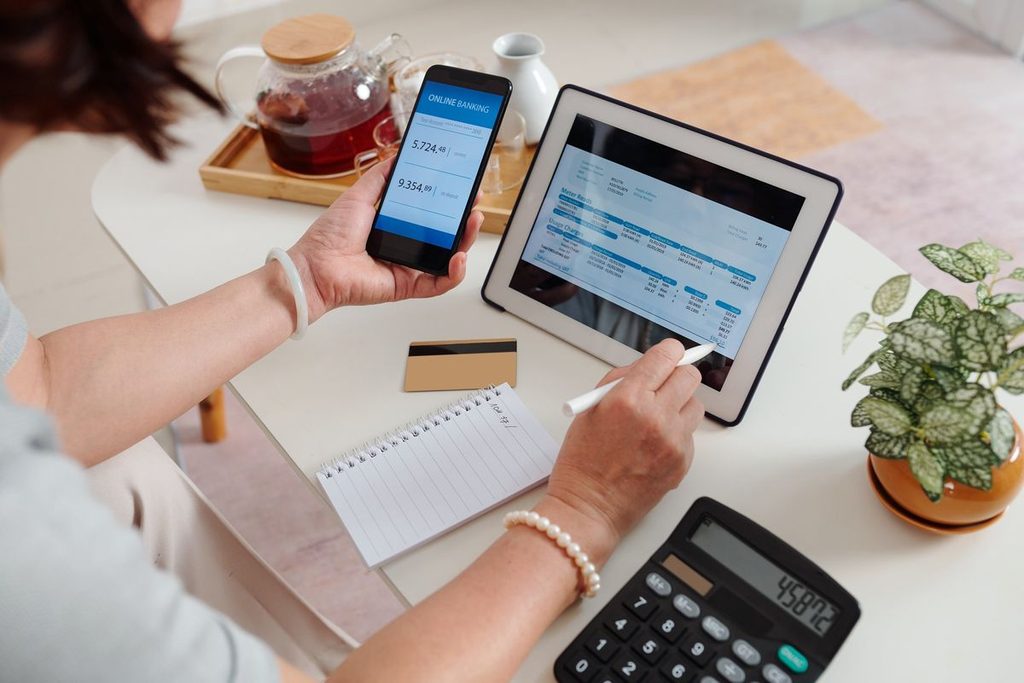
A checking account is the workhorse of your financial life. It receives your salary, pays your bills, and gives you a debit card for daily use. Look for an account with low monthly fees, or none at all.
Check how many free transactions you get each month before charges begin. Free transfers between accounts and to other banks are a big plus.
A good mobile app with instant alerts helps you watch your spending closely. Look for easy ways to freeze your card if it gets lost or stolen. Overdraft features can help in emergencies, but they usually cost a lot.
Ask exactly how overdraft works, and decide if you want it switched on. Keep this account for spending and bills, and keep savings somewhere separate.
You might also love this: 25 Ways to Build an Emergency Fund From Scratch
Savings Accounts and Growing Your Money
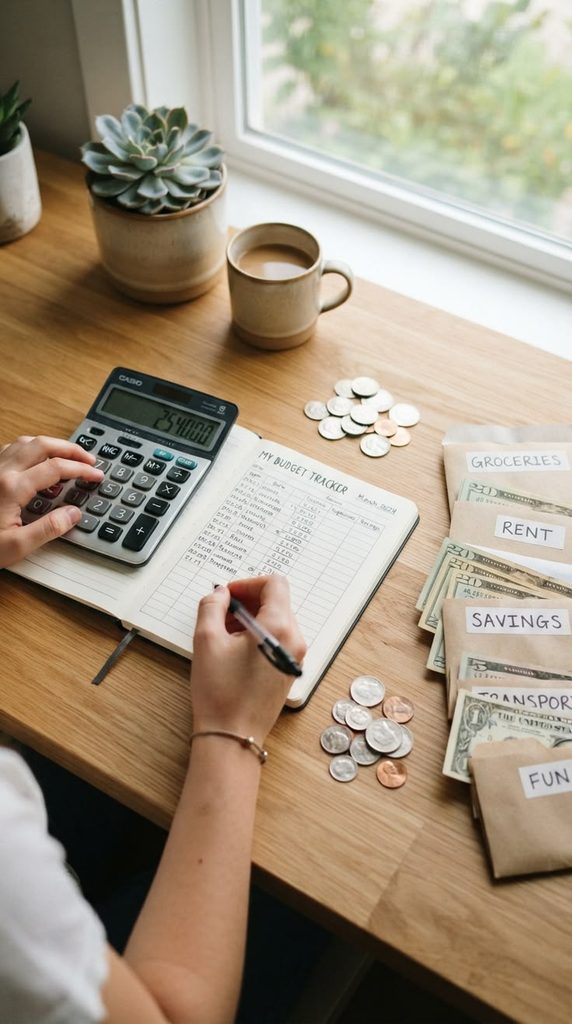
A savings account keeps money safe while paying you a little interest. It should feel slightly out of reach, so you do not spend it by accident. Look for accounts with competitive interest rates and no hidden monthly charges.
Check how many free withdrawals you get, because too many can trigger fees. Some accounts pay better interest when you keep a minimum balance.
Make sure you can meet that balance without stressing your daily budget. If you live alone, saving gets harder, so How to Save Money While Living Alone has good ideas. Name your savings account after a goal, like Travel or Rainy Day.
A clear name makes you less likely to dip into it for casual spending. Automate monthly transfers, and let the account grow quietly in the background. Interest may look small, but it adds up when you stay consistent.

Student and Youth Accounts
If you are a student or young adult, special accounts may suit you well. These often have lower fees, smaller minimum balances, and friendlier rules. Some come with free cards, bonus tools, or discounts at partner shops.
Check the age limit, because many convert to regular accounts after a certain point. Ask what happens to the fees and rules when the account changes.
Youth accounts are also a great place to learn money habits safely. You can practise saving, budgeting, and tracking spending without big risks. Starting early also helps if you want to build a good record for future loans.
For more on that journey, read How to Build Credit Responsibly as a Beginner next. Do not assume the free option is automatically the best, so compare carefully. Parents can often help you open one, which makes the process smoother.
Digital Banks and Mobile Money Wallets
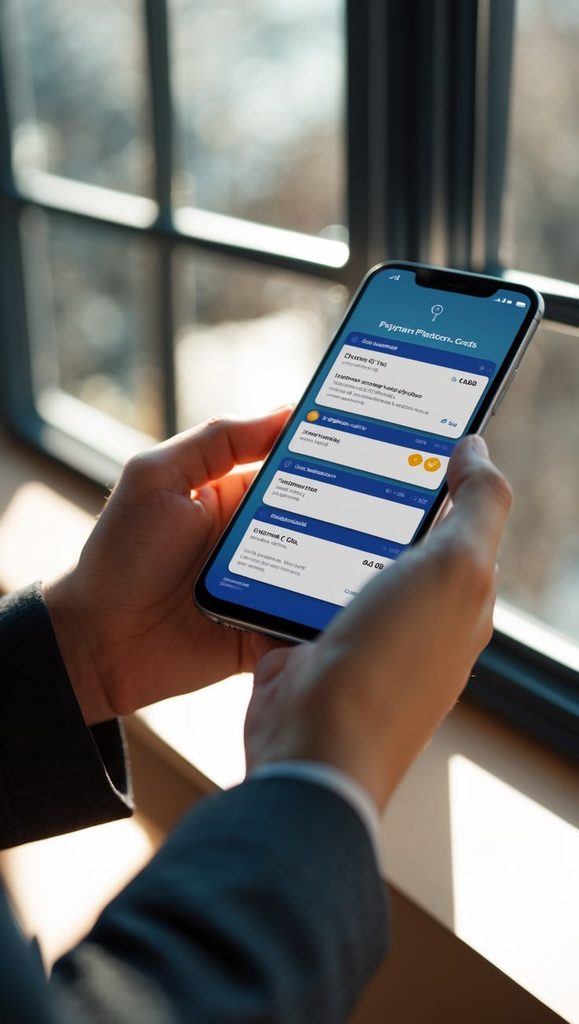
Digital banks run mostly through apps, and they often have fewer fees. They can open accounts quickly, sometimes in minutes, using only your phone. Mobile money wallets are popular for sending, receiving, and paying small amounts.
They are handy for quick transfers, bills, airtime, and shopping. Check that the provider is properly licensed and regulated in your country.
Read reviews, and look for stories about slow customer support or frozen accounts. Find out how to reach a real person when something goes wrong. Some digital accounts are not covered by deposit insurance, so ask clearly.
Do not keep your entire savings in a wallet that is built for quick spending. Use digital tools for convenience, and keep serious savings in a trusted regulated bank.
Read this next: 25 Ways to Build an Emergency Fund From Scratch

Traditional Banks Versus Online Banks
Traditional banks have branches, tellers, and in person help when something goes wrong. They suit people who like face to face service or handle larger cash amounts.
Online banks usually charge lower fees and offer better rates because they save on buildings. They work well for people who are comfortable with apps and support by chat. Consider how you would handle a lost card or a payment dispute.
Think about how often you need to deposit cash and where you can do it. Some people choose one of each, using the online bank for savings. Their regular bank then handles cash, loans, and in person needs.
Neither choice is perfect, so pick the one that fits your habits. Remember that the best bank is the one you will actually use well.
Keep this guide nearby: How to Read Your First Paycheck Without Feeling Confused
Watch Out for Fees
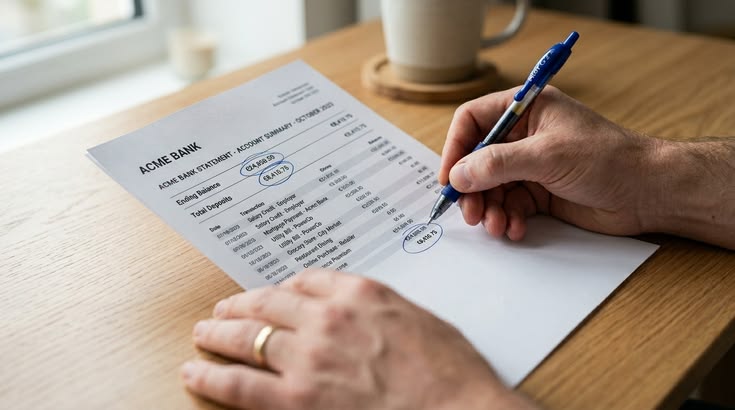
Fees are where banks quietly make most of their money from everyday people. Look for monthly maintenance fees, card fees, transfer fees, and withdrawal charges. Ask about SMS alert fees, statement fees, and charges for closing an account.
Check the cost of using other banks’ ATMs, especially when you travel. Overdraft fees are among the nastiest, so read that part twice.
If you ever overspend and get hit with one, How to Recover After Overspending Without Giving Up can help. Ask for a full fee schedule in writing, and compare it between banks. Do not be shy, because reading the fee list is a smart money move.
A small monthly fee seems harmless, but twelve months of it adds up fast. The cheapest account is not always the best, but hidden fees are always bad.
Continue reading here: 45 Things You Should Know About Your First Paycheck
Check Minimum Balance Rules
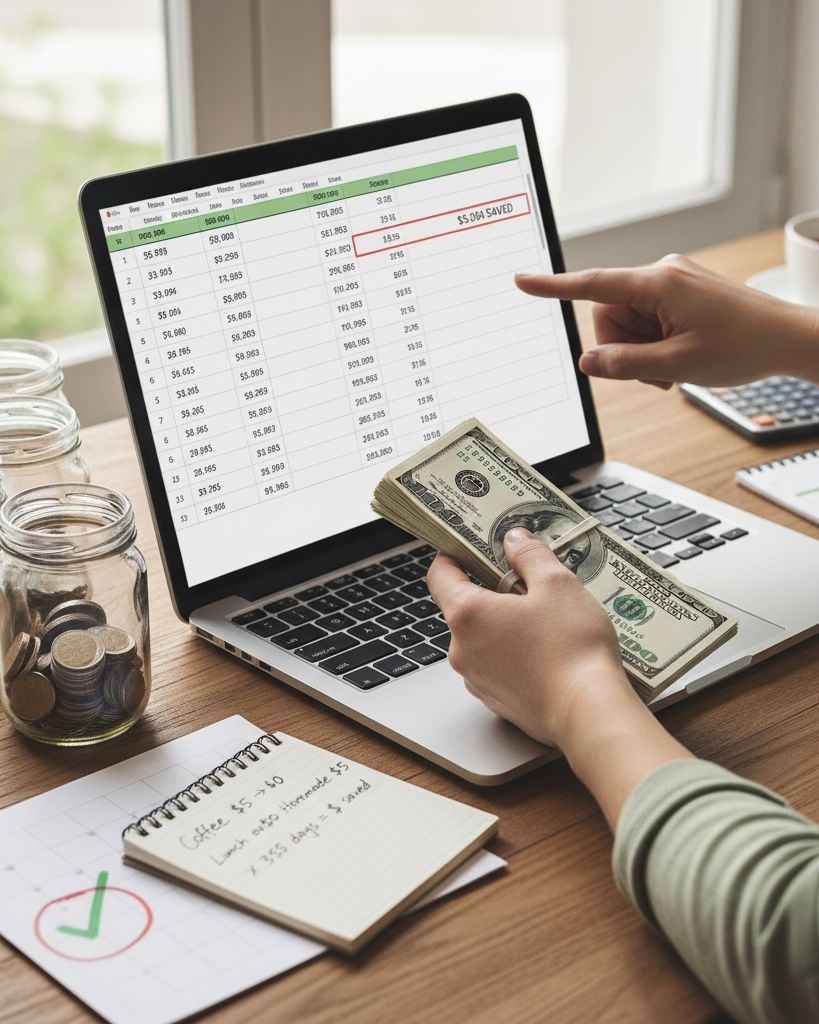
Many accounts require you to keep a minimum amount to avoid extra charges. If your balance drops below it, you may pay a penalty or lose benefits. This rule hurts people with irregular income, small salaries, or tight months.
Ask exactly how the minimum is calculated, like daily, monthly, or average. Some banks only require it for premium accounts, while basic accounts have none.
Choose a level you can maintain easily, even on your leanest month. Do not tie up money you might need for bills or emergencies. If your account has no minimum, you gain flexibility and peace of mind.
Set an alert for low balance, so you can top up before a penalty appears. A small rule in the fine print can become a big headache later. Always ask what counts toward the minimum, because some banks exclude certain funds.
Compare Interest Rates and Rewards
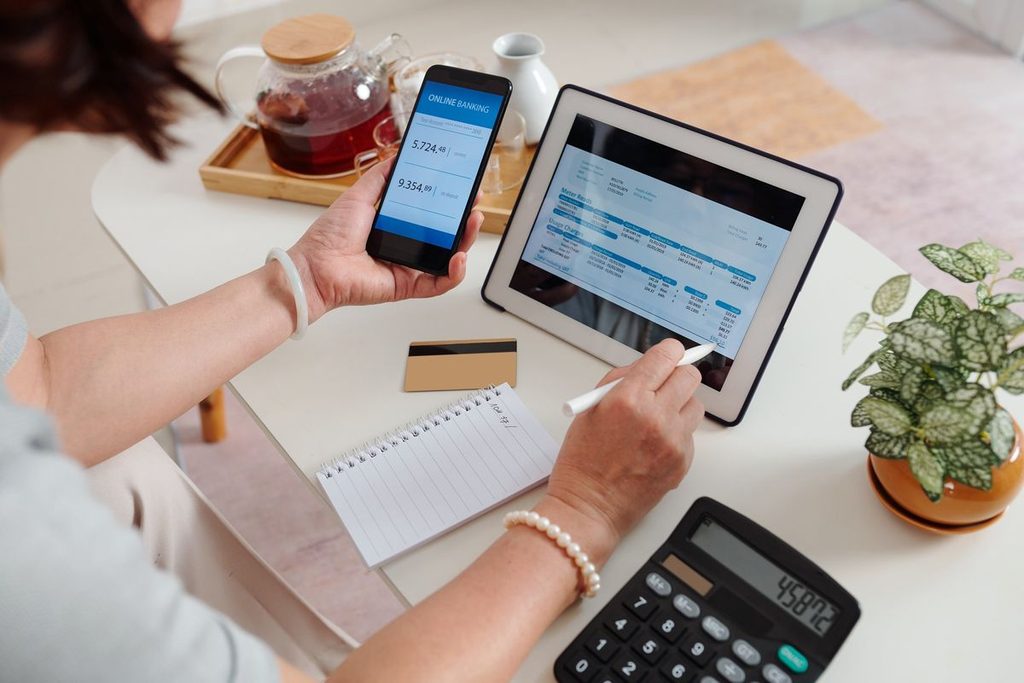
Interest is the reward you earn for keeping money in the bank. Rates vary a lot, and a small difference can add up over years. Compare the annual percentage yield or the equivalent in your country.
Check if the rate is fixed or can change, and how often. Read the conditions, because some top rates only apply to small balances or short periods.
Some banks offer cash back, bonuses, or discounts when you open an account. Read the rules for those bonuses carefully, because they often require minimum deposits. A bonus is not worth it if the account has high fees afterwards.
Focus on long term value, not just flashy welcome gifts. Choose the account that serves you well in the second year, not only the first month.
You’ll love this too: 35 Simple Ways to Save Money on an Entry-Level Salary

Think About Access
Access means how easily you can reach your money when you need it. Check where the bank has branches and ATMs near your home and workplace. On a trip last year, I could not find my bank’s ATM in a new city.
I paid high fees to use another bank’s machine because I had no choice. Since then, I always check ATM networks and partner banks before choosing an account.
Look at the quality of the mobile app, because you will use it often. A clunky app can waste your time and make simple tasks painful. Find out about customer support hours and how you can contact them.
Good access means fewer panics when you are in a hurry or abroad. Choose an account that fits the places you really go. Easy access is a quiet luxury that you only notice when it is missing.
Look at Security and Insurance
Your bank should protect your money as seriously as you do. Check that the bank is licensed and supervised by your country’s financial authority. Find out if your deposits are insured, and up to what amount.
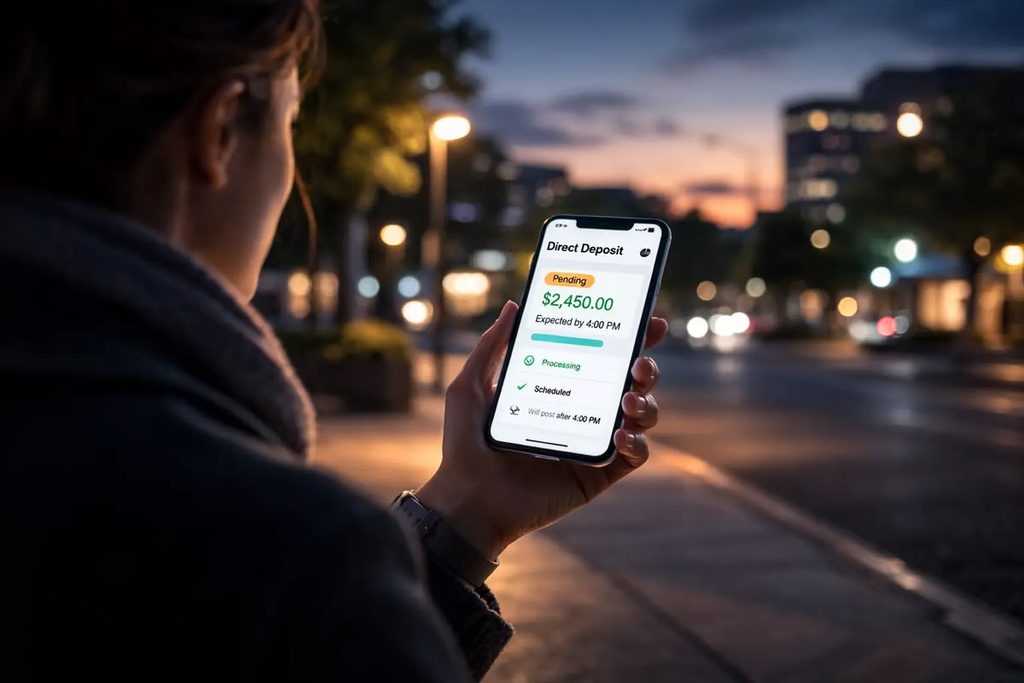
Deposit insurance protects you if the bank fails, which is rare but possible. Look for features like two step login, card freezing, and instant fraud alerts.
Set strong passwords, and never share your codes or pins with anyone. Be careful with links, calls, and messages that claim to come from your bank. Banks will not ask for your full pin, so hang up on anyone who does.
Check your account weekly for charges you do not recognise. Report problems quickly, because speed makes recovery much more likely.

Gather the Documents You Need
Most banks ask for proof of identity, proof of address, and sometimes proof of income. A national identity card, passport, or driver’s licence usually covers identity. A utility bill, tenancy agreement, or official letter can prove where you live.
Some accounts need a recent photo, a tax number, or a reference from an existing customer. Call or check the bank’s website to see the exact list before you go.
Bring original documents and copies, in case they ask for both. Keep your documents neat in a folder, so the process feels smooth. Double check spelling on forms, because tiny errors can cause big delays.
Ask what the bank does with your data, and how they protect it. A little preparation saves you from long queues and wasted trips. Take a pen and a notebook, in case you need to write down details.

Open the Account Step by Step
Start by choosing two or three banks that match your needs and budget. Visit their websites or branches, and ask for the full fee list and terms. Compare them side by side using your checklist from earlier.
Choose the one that meets most of your needs at the lowest total cost. Fill in the application carefully, and do it online or in person as you prefer.
Submit your documents, and ask how long approval usually takes. Make a small first deposit if required, and keep the receipt. Set up your online banking and mobile app as soon as you can.
Activate your card, choose a safe pin, and keep it secret. Take a screenshot of your account details, and store it safely. Ask any final questions before leaving, because answers are easier to get face to face.

Set Up Your Account the Smart Way
Opening the account is only the beginning, because setup decides how well it works for you. Turn on alerts for deposits, withdrawals, and low balances right away.
Set up automatic bill payments, and use How to Create a Monthly Bill Payment System to keep everything tidy. Schedule a transfer to savings for the day after your payday. Link your accounts if the bank allows easy transfers between them.
Check your daily limits, and raise or lower them to suit your needs. Download the app on your phone, and secure it with a fingerprint or pin. Turn off any features you do not want, like overdraft or marketing messages.
Save the bank’s official contact details in your phone for emergencies. A fifteen minute setup now saves you hours of trouble later. Test a small transfer, so you know everything works before it really matters.
Use Multiple Accounts for Different Goals
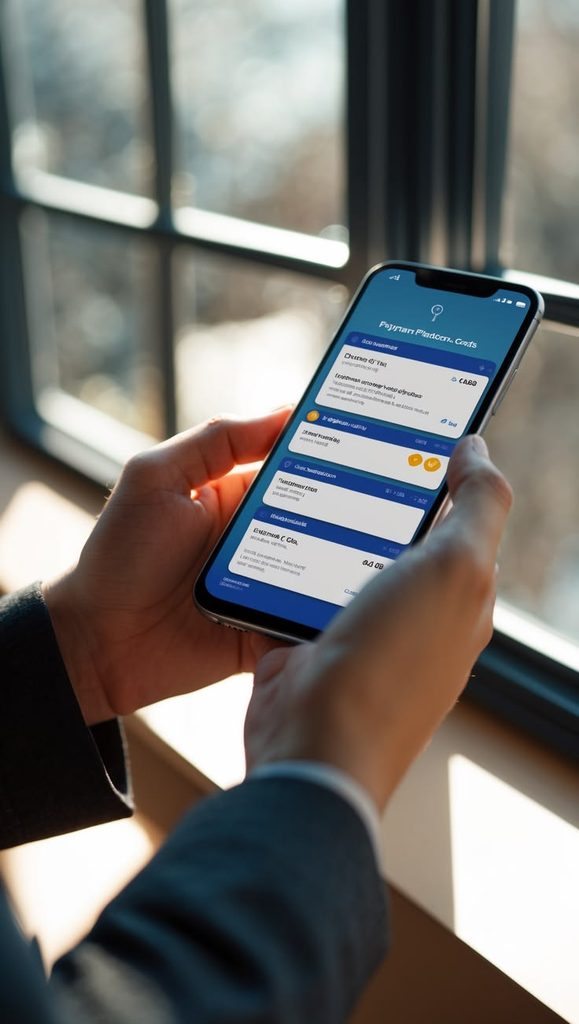
One account for everything makes it hard to see where your money should go. Splitting your money across a few accounts gives each pile a clear purpose. You might have one for spending, one for bills, and one for savings.
Add another for goals like travel, a new phone, or a deposit. A separate emergency account is especially important, and How to Build an Emergency Fund From Scratch shows how.
Do not open too many, because managing a dozen accounts becomes a chore. Three or four accounts are usually enough for most people. Label each one clearly, and move money in on payday.
Check that your extra accounts do not charge any extra monthly fees. This simple structure makes budgeting easier and spending more honest. Seeing your balances separated gives you a real picture of your progress.
Match Your Account to Your Income Pattern
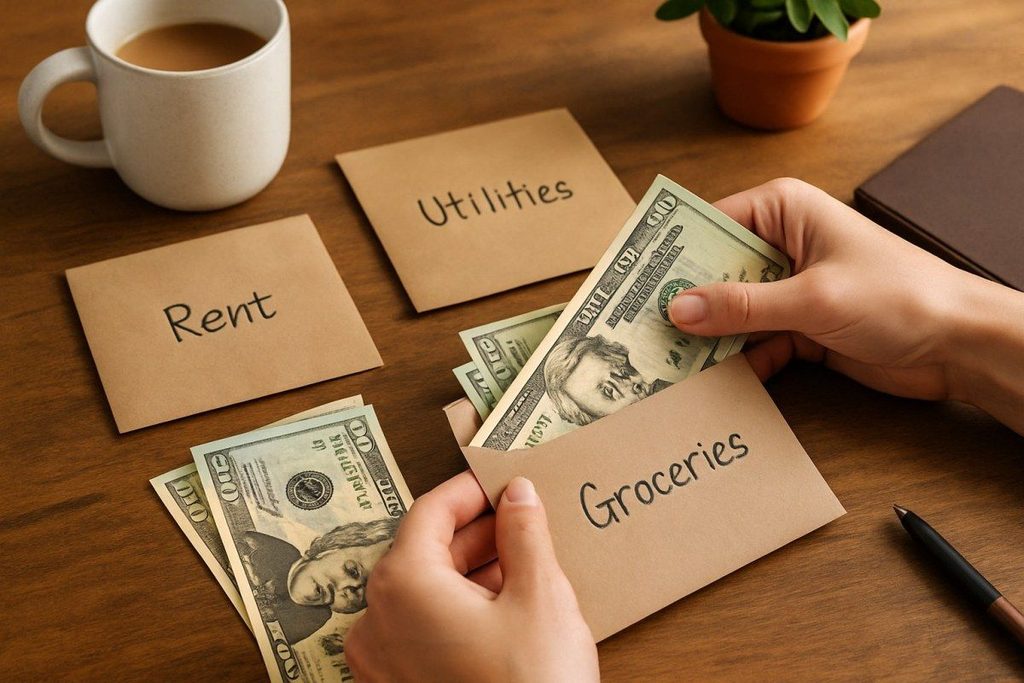
The way you earn money should shape the account you choose. Steady salary earners can benefit from accounts with direct deposit perks. Freelancers and gig workers need accounts that accept many types of payments.
If your income changes every month, How to Budget When Your Income Changes Every Month is a must read. Irregular earners should avoid accounts with high minimum balance rules.
A separate savings pot to smooth out slow months is very helpful. Business owners should keep work and personal money in separate accounts. This makes tax time simpler and helps you see real profit.
Check that your account allows easy incoming transfers from many sources. Match the account to the money, and the stress goes down. Flexibility is worth more than a pretty interest rate when your income moves.

Review and Switch When Needed
Your needs will change, so check your account at least once a year. Read your statements, and look for new fees or rule changes. Compare your bank with a few others every so often.
Switching feels scary, but it is easier than most people think. After two years, I realised my first bank no longer suited me, so I moved.
I opened the new account first, moved my salary, and then closed the old one. Update every direct debit, subscription, and salary instruction before closing anything. Keep the old account open for a month or two, just in case.
Make sure no payments are left stuck in the old account. Loyalty is nice, but your money should go where it is treated best.
Set a yearly reminder to review your bank, and keep your options open. A short check each year can save you far more than it costs.
Final Thought
Choosing the right bank account is not glamorous, but it is powerful. You now know the main types of accounts, the fees to watch, and the features that matter. You also know how to match an account to your income, your habits, and your goals.
That knowledge turns a boring decision into a smart one that serves you for years. Nothing here needs special skills, only a bit of curiosity and patience. Think of the right account as quiet support that never asks for applause.
This week, write down your top five needs from a bank. Then compare two or three options using the fee list and your checklist. Ask questions without shame, because every bank expects them from careful customers.
If your current account is costing you too much, start planning a switch. Small moves like this can protect a surprising amount of money over the years. Share what you learn with others, because most people never get this advice.
Remember that your bank account is a servant and not a master. It should make your life simpler, safer, and a little bit richer. If this post helped you, share it with a friend who is about to open an account.
Keep learning, keep comparing, and never settle for an account that works against you. Your money has a lot to say about your future, so give it a good home.
Stay curious, stay careful, and enjoy the calm that comes from smart choices. You have already done the hard part by learning how to choose well.
Leave a Reply