One month, your account looks like a celebration, and the next month it looks like a ghost town. You land a big payment on Tuesday and feel unstoppable until the rent reminder shows up.
Then a quiet month arrives, and every bill suddenly feels like a loud knock at the door. If your income jumps up and down like that, you know the stress I am talking about.
Regular budgeting advice never seems to fit, because it assumes the same pay every month. It feels unfair sometimes, but it is also very fixable with the right plan.
The good news is that irregular income can be managed, and many people do it beautifully. They do not earn more than you, they simply use a smarter system.
Instead of living on whatever arrives, they create their own steady paycheck from uneven money. That one shift turns chaos into calm, and it does not require a miracle. Think of it as turning a bumpy road into a smooth one.
In this post, we will build that system together, one simple step at a time. You will learn how to measure your income, protect slow months, and spend with confidence.
If you often feel stuck between payments, How to Stop Living Paycheck to Paycheck is a perfect companion read. Do not worry if your numbers look messy right now, because we will tidy them together.
Grab a notebook, take a deep breath, and let us make your money feel steady again. By the end, you will have a clear plan for good months and slow months alike.

How to Budget When Your Income Changes Every Month
Why Irregular Income Feels So Stressful
Irregular income is stressful because you never know what next month will bring. Bills stay the same, but the money that pays them moves around like a shadow. During my first month of freelancing, I earned a lot and spent like a king.
The next month brought almost nothing, and I had to borrow from a friend. That swing taught me that planning for irregular income is a different skill.
Your brain loves certainty, so unpredictable pay keeps it in constant alert mode. That constant alert can lead to rushed choices, like taking bad deals or overspending after wins.
A good system calms your brain by giving you something steady to hold onto. The goal is not to predict the future, only to prepare for it. Once you understand the problem, the solution starts to feel much closer.
See why this is so popular: 25 Ways to Build an Emergency Fund From Scratch

Who Deals With Uneven Income
More people deal with uneven income than you might think. Freelancers, creatives, drivers, and online sellers see their earnings rise and fall. Commission workers, seasonal staff, and small business owners face the same ups and downs.
Students with part time gigs, and people with side hustles, experience it too. Even salaried workers sometimes get irregular bonuses, overtime, or allowances.
If that is you, you are not alone, and you are not doing anything wrong. Variable income is simply a different kind of financial life with its own rules. Many successful people started this way and learned to manage it well.
The tools in this post work for all of these situations. Take what fits your life, and leave what does not.
Don’t miss this: 45 Things You Should Know About Your First Paycheck

Track Your Income for Six Months
The first step is to learn your real income pattern. Look back at the last six months, or twelve if you can find the records. Write down every payment you received, including small ones and cash.
Include the date, the amount, and the source of each payment. Use bank statements, invoices, or mobile money history to fill in the gaps.
Do not guess, because honest numbers are the base of everything that follows. Add up each month’s total, and place the numbers side by side. You will begin to see patterns, like busy seasons or slow periods.
Some people notice that certain clients always pay late, and that helps with planning. This simple record is your income map, and it makes every decision clearer.

Find Your Lowest Month
Once you have your numbers, look for your lowest earning month. That month shows you the worst case, and it becomes very useful. If you were able to survive it, you can design a plan around it.
Also look at your highest month and your average, so you see the full range. Do not focus on the extremes alone, because one unusual month can mislead you.
Look for the typical low, which is the amount you rarely fall below. This number will guide your budget, so be honest and a little careful with it. If you are new to this work, use a conservative guess until you have more data.
It is always nicer to be pleasantly surprised than unpleasantly shocked. Write the number somewhere visible, because you will use it again soon.
You need to see this: 35 Simple Ways to Save Money on an Entry-Level Salary
Calculate Your Baseline Income
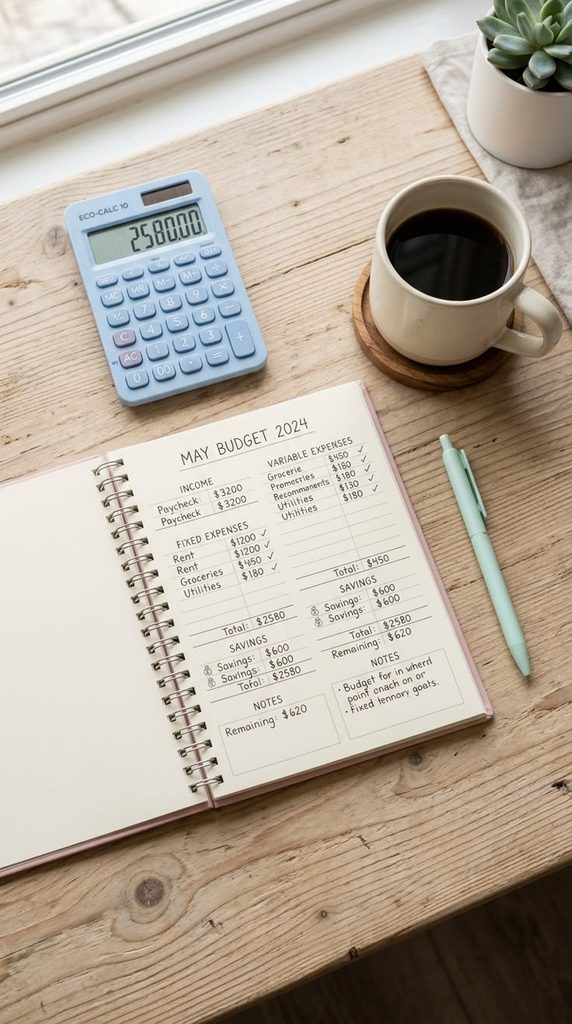
Your baseline income is the amount you can safely count on each month. Start with your lowest typical month, and compare it with your six month average. Choose a baseline that is a little below the average, so you have breathing room.
Treat any money above that baseline as a bonus for savings and goals. This single idea is the secret behind most good irregular income budgets.
It protects you from building a lifestyle on money that may not return. If your baseline feels too small, do not panic, because you can raise it over time. As your income stabilises, you can adjust the baseline upward step by step.
Review it every three months, since your work and clients will change. A modest baseline is a gift to your future self.
List Your Essential Costs First
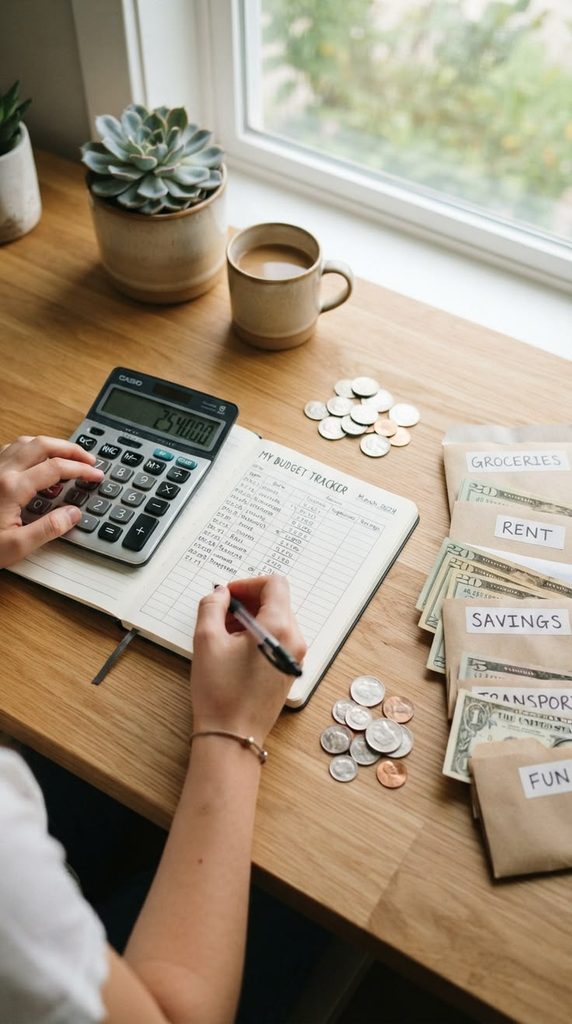
Now look at the other side, which is what you must pay every month. Essentials include rent, food, transport, utilities, phone, insurance, and debt payments.
Add work costs, like software, equipment, and internet, if they are necessary for your job. Use real numbers from your statements, not your best guesses.
If you need help structuring this, How to Create Your First Monthly Budget is a perfect place to start.
Add up the total, and compare it with your baseline income. If essentials are higher than your baseline, you need to cut costs or raise income. That is a tough truth, but facing it early saves you from nasty surprises.
Essentials come first in every month, no matter how much money arrives. Everything else, like fun and shopping, has to wait until essentials are safe.
This one surprised me: 25 Financial Goals to Set Before Living on Your Own

Separate Needs From Flexible Spending
Not every cost deserves the same priority, so sort them carefully. Needs are the costs that keep you safe, housed, fed, and able to work. Flexible spending covers extras, like eating out, new clothes, and entertainment.
In lean months, flexible spending is the first thing you reduce. In strong months, it is the place where you can enjoy some reward.
Give each flexible category a range, like a minimum and a maximum amount. This keeps you from feeling punished when money is tight and from going wild when it is not.
A clear range gives you freedom without chaos, and that feels very comforting. Review your categories regularly, because your life and needs will keep changing.
The more you know about your spending, the less scary it feels. Keep your lists short and simple, so they stay easy to use.
Build a Buffer Account
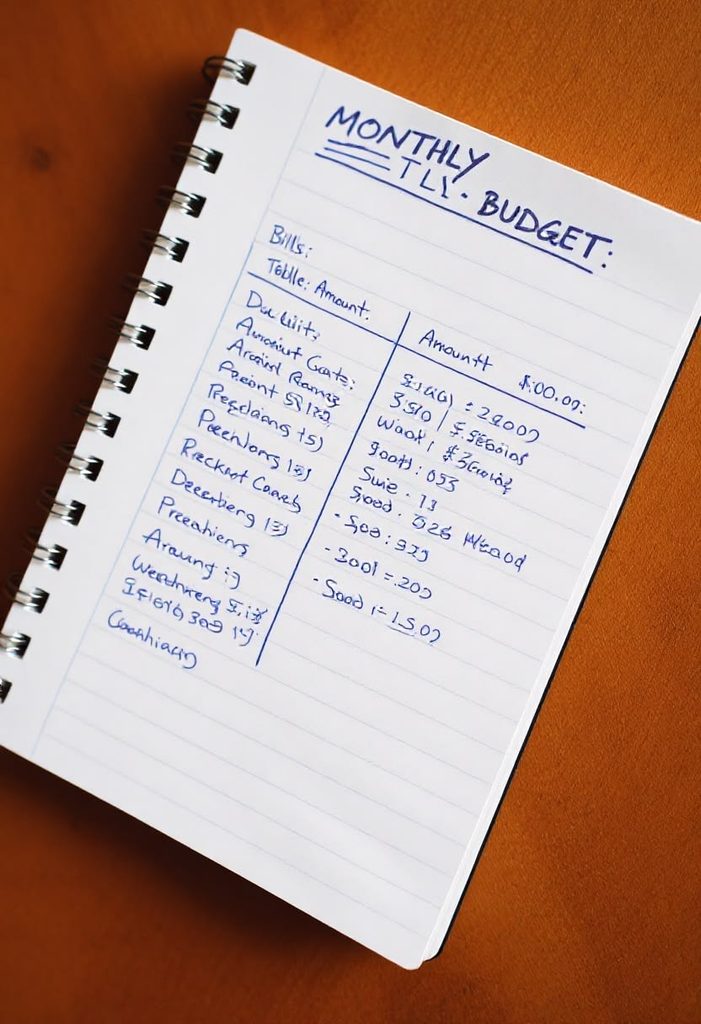
A buffer account is the heart of any budget for irregular income. It is a separate account that holds extra money from good months. When a slow month arrives, you draw from it to cover your basics.
Aim to build at least one month of essential costs to begin with. Over time, grow it toward three months, and even more if your income swings wildly.
This is different from a normal emergency fund, although the two can work together. For a deeper guide, read How to Build an Emergency Fund From Scratch alongside this post.
Keep the buffer where you can reach it, but not so easily that you spend it casually. Name it something clear, like Smoothing Fund, so you remember its purpose. A strong buffer turns slow months from scary to simply inconvenient.

Pay Yourself a Steady Salary
Here is where the magic happens, because you create your own paycheck. Move all your income into one main account when it arrives. Then pay yourself a fixed amount from that account on the same date each month.
Base that amount on your baseline income, not on your best month. This turns uneven earnings into something that feels steady and predictable.
Your bills, rent, and spending all come from this steady salary. Anything left in the main account stays there as a cushion for later. Set an automatic transfer, so the system works even when you are busy.
Adjust your salary only a few times a year, so your life stays calm. Treat it like a real job, where your employer is your own future self. It may feel odd at first, but it becomes natural within a few months.
Check this out: How to Read Your First Paycheck Without Feeling Confused

Use the Good Months to Fill Your Cushion
Good months feel like winning, but they are also your best chance to prepare. When a big payment lands, resist the urge to spend it all at once. After my first great month, I bought gadgets I did not need and regretted it by week three.
Now I follow a simple rule, where extra money goes to a plan before it goes to fun. Send a fixed share of every extra payment to your buffer account first.
Set aside money for taxes, if that applies to you, before touching the rest. Use a smaller share for goals and a small share for guilt free spending. This way, you still enjoy the good times, but your future is protected.
Be consistent, because a steady rule beats a perfect rule that you ignore. Over time, your buffer becomes a cushion that lets you sleep peacefully.
Plan for Slow Months
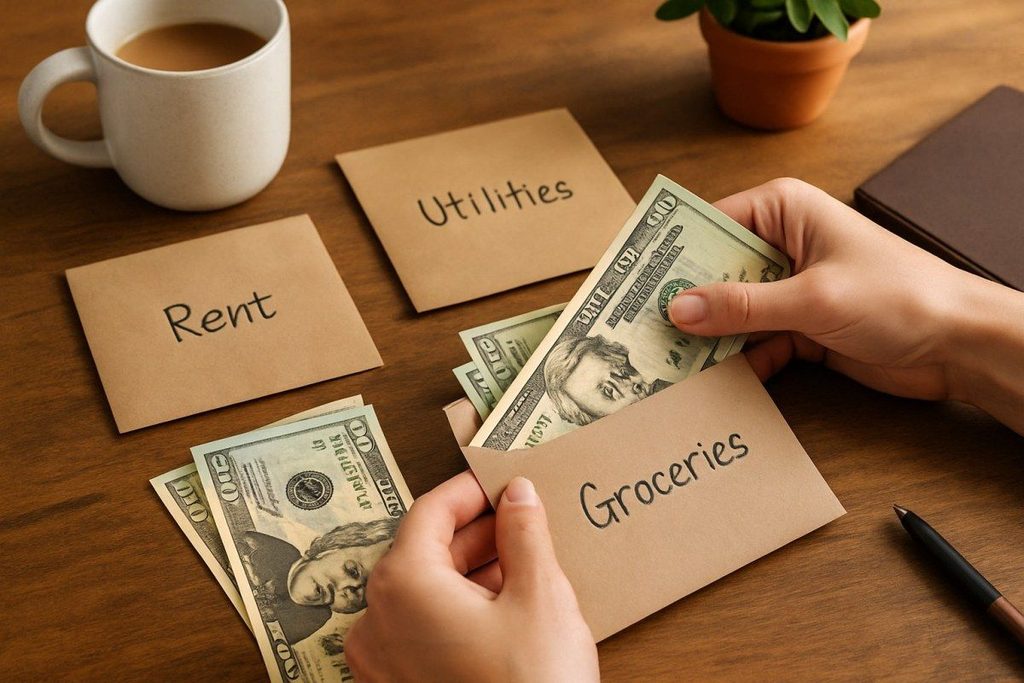
Slow months will come, so it is wise to plan for them calmly. Look at your buffer, and decide how many months of slowness you can cover. Write a simple lean month plan that you can follow without thinking.
Reduce flexible spending first, and protect your essentials at all costs. Pause new subscriptions, big purchases, and optional upgrades until things improve.
Use your buffer to fill the gap, and pay yourself the same steady salary if possible. If the buffer is low, lower your salary temporarily rather than going into debt. Spend extra time on finding new clients, projects, or side work.
Remind yourself that slow months are normal in this kind of income. They are not a sign of failure, only part of the pattern.

Set Up a Bill System
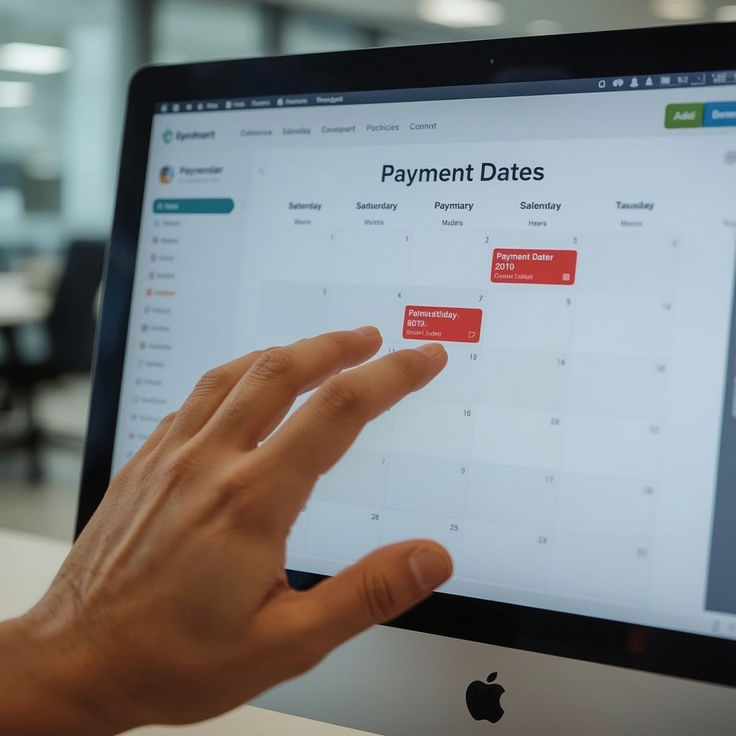
Bills do not care that your income is uneven, so you need a firm routine. List every bill, with its date and amount, and keep it somewhere easy to reach. Pay them from your steady salary account, so your system stays predictable.
If you want a full routine, follow How to Create a Monthly Bill Payment System step by step. Set reminders a few days before each due date, and add a second one on the day.
Move due dates close to the days when your income usually arrives, if possible. Ask providers for flexible dates when you know a slow month is coming. Many companies agree to small changes when you ask politely and early.
Automate fixed bills only when your account balance is safely healthy. A calm bill routine keeps small problems from turning into expensive ones.
Choose Accounts That Fit
Your bank accounts can either help or hurt your system. Look for accounts with low fees, no strict minimum balance, and easy transfers. Having a main account, a bills account, and a buffer account keeps things neat.
Each account has a clear job, so you always know where money belongs. Comparing banks? How to Open the Right Bank Account for Your Lifestyle is a good guide.
Make sure the account can receive payments from many different sources. Check that you can transfer money between your accounts quickly and for free. Turn on alerts, so you always know when payments land or bills leave.
Keep personal and business money separate if you run a small business. Good structure lowers stress, and it makes tax time much easier. Review your setup every year, since your needs will keep growing.
Handle Taxes and Savings on Irregular Income
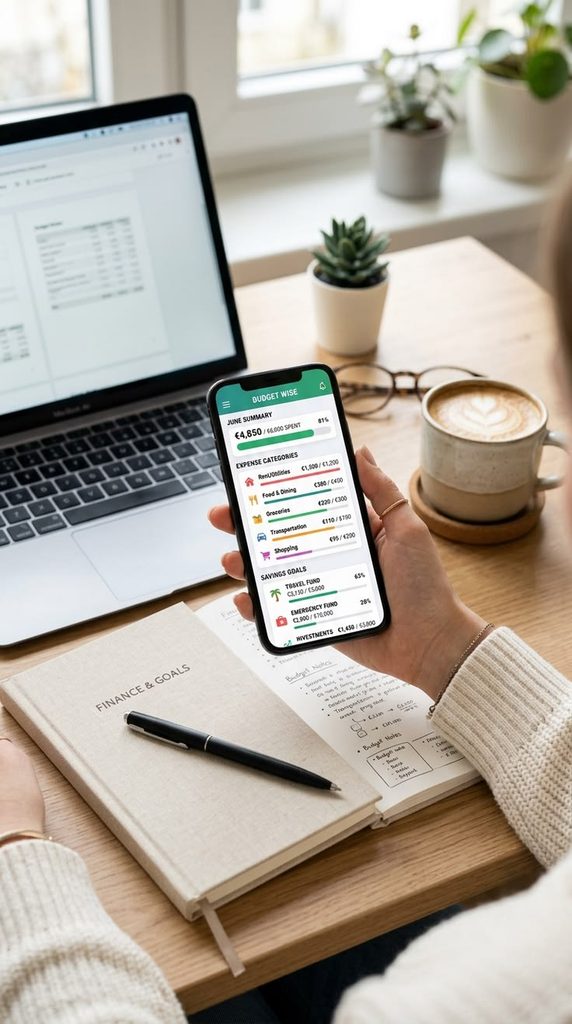
Irregular earners often forget that taxes are their own responsibility. If no employer takes tax from your pay, you must set money aside yourself. Check the rules in your country, and learn when payments are due.
A common habit is to move a fixed percentage of every payment into a tax pot. That money is not yours to spend, even though it sits in your account.
Do the same for retirement savings, since no employer is adding to it for you. Even a small percentage builds a nice future cushion over time. Keep records of income and expenses, so filing is easy and stress free.
If the rules confuse you, ask a trusted accountant or a reliable local guide. Paying taxes on time is part of building a safe and respected business life.

Budget With Percentages
When your income changes, fixed amounts can feel awkward, so try percentages instead. Decide what share of each payment goes to each purpose before you spend anything.
For example, you might give fifty percent to essentials, twenty percent to savings, and the rest to flexible spending. Adjust those shares to match your life and your goals.
A percentage plan grows and shrinks with your income, which feels fair and flexible.
When a big payment lands, the same rules apply, so you never have to decide in the moment. When a small payment arrives, you still follow the same steps, just with smaller numbers.
This keeps your habits steady even when your income is not. Use a simple spreadsheet or app to split each payment automatically. The method works best when combined with your baseline salary system.
Cut Costs in Lean Months
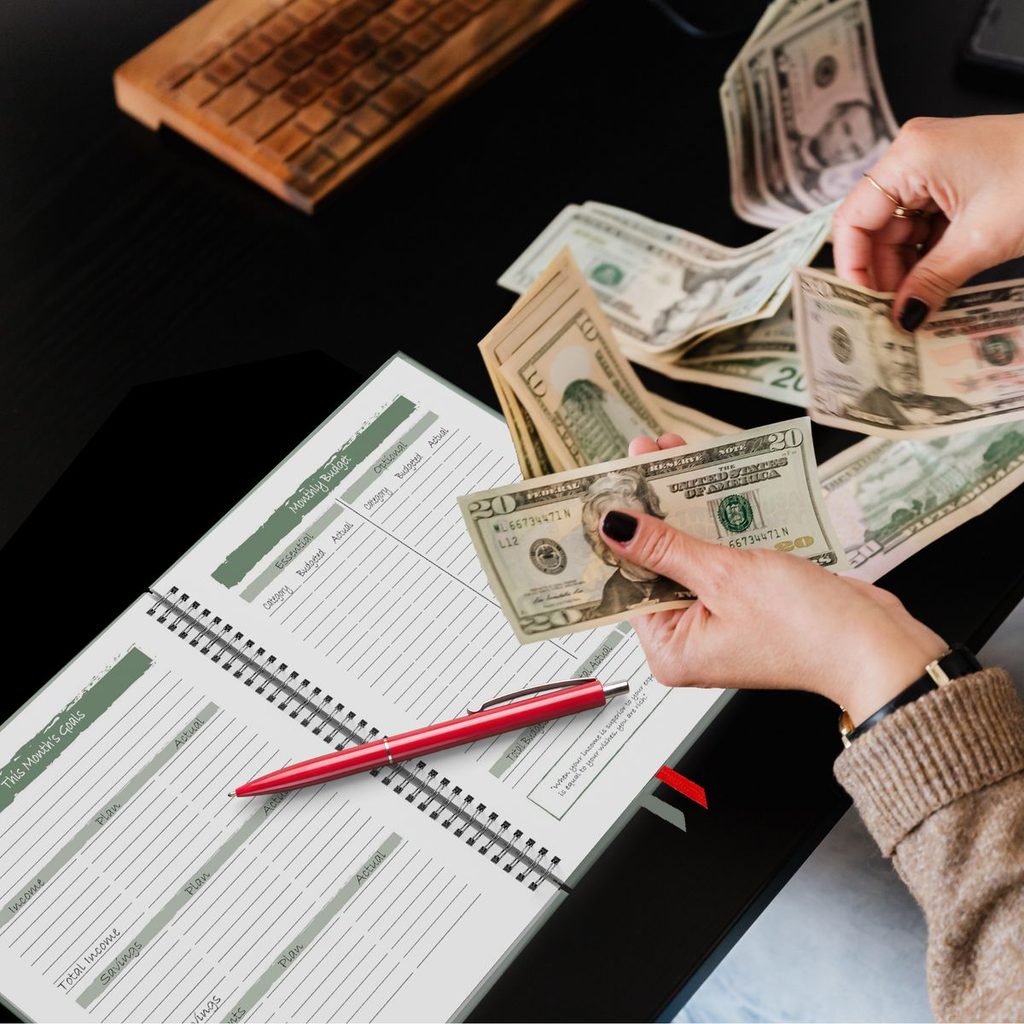
Lean months call for smart trimming, not for panic or shame. I once had a month where almost no payments arrived, so I switched to cooking at home every day.
I cancelled two subscriptions and walked instead of taking transport, and I survived comfortably. Look at your costs, and find the ones that can pause without much pain.
Cancel unused subscriptions, reduce eating out, and delay big purchases until money returns.
For more ideas, How to Save Money While Living Alone has lots of practical tips. Ask providers for temporary discounts or payment plans if you are really struggling.
Choose free fun, like walks, home movies, and meeting friends at home. Keep your essentials stable, because they are the foundation of everything else. Lean months pass, and the habits you learn in them stay with you.

Boost Income Without Burning Out
A stronger income makes budgeting easier, but burnout can cost more than it earns. Look for steady clients or retainer deals that bring predictable payments. Ask regular clients about monthly agreements instead of one off jobs.
Diversify your income by adding a second skill or product over time. Set clear prices, and do not be afraid to raise them as your skills grow.
Invoice quickly, and follow up politely on late payments to keep cash flowing. Ask for deposits upfront for bigger projects, so you are never working for free. Protect your rest, because tired people make poor money decisions.
Take real days off, and plan your workload so busy months do not drain you. Sustainable income grows steadily and keeps you healthy at the same time. Small improvements in pricing and payment terms can change your whole year.

Avoid Overspending After a Big Payment
A big payment can make you feel rich for about forty eight hours. That feeling pushes people to splurge on things they would normally avoid. Wait at least a day before spending any large sum that lands.
Run it through your system first, sending money to taxes, buffer, and savings. Only then decide what to enjoy, and keep that amount small and clear.
If you do overspend, How to Recover After Overspending Without Giving Up can help you reset. Do not beat yourself up, because shame makes people repeat the pattern. Look at what triggered the splurge, and put a rule in place for next time.
Delete saved cards from shopping apps if the temptation is strong. Celebrate wins in cheap or free ways, so your plan stays strong. Remember that a plan makes success last longer than a lucky month.

Stay Out of Debt When Cash Runs Low
Slow months tempt people to lean on credit cards or loans. Borrowing can feel like a rescue, but it often makes next month harder. Try your buffer first, then cut costs, and only then think about borrowing.
If you must borrow, choose the cheapest and safest option available. Understanding how credit works will protect you, so read How to Build Credit Responsibly as a Beginner too.
Avoid payday loans and very high interest offers that trap people in cycles. Pay back what you borrow as soon as money returns, before spending on extras. Do not use debt to fund lifestyle upgrades during uncertain months.
Talk to lenders early if you cannot pay, because many will work with you. Staying debt free in lean times is one of the biggest wins you can have.

Review Monthly and Adjust
Your plan will not be perfect at first, so a monthly review is essential. Sit down at the end of each month, and compare your plan with reality. Check your income, your spending, and the size of your buffer.
Ask what worked, what failed, and what you can improve next month. Update your baseline income if your earnings have changed a lot.
Adjust your steady salary slowly, never after one great or terrible month. Celebrate progress, like a bigger buffer or a smoother month. Keep notes of lessons learned, so your future self can benefit from them.
Over time, you will understand your income rhythm like an old friend. Reviews turn mistakes into wisdom, and they turn small wins into lasting habits. Set a calendar reminder so your review never gets skipped.

Final Thought
Budgeting with irregular income is not about perfect numbers or rigid rules. It is about building a steady system that can handle whatever each month brings. You now know how to track your income, find your baseline, and pay yourself a salary.
You also know how to protect slow months, fill your buffer, and avoid debt. Best of all, you know that uneven income does not mean an uneven life. Think of your baseline as solid ground beneath a changing river.
This week, start by writing down your income for the last six months. Then find your lowest month, and calculate a baseline you can trust. Open a separate buffer account, and add even a small amount to it.
Small actions now create big calm later, so do not wait for a perfect moment. Every step you take makes the next one feel easier. Write your first step in your notes, so it feels like a promise.
Remember that your worth is not measured by one slow month or one great month. You are building a system that supports you through all seasons of work and life. If this post helped you, share it with a friend who also earns unevenly.
Keep learning, stay patient, and trust that your system will grow stronger with you. Your income may move up and down, but your plan can stay steady.
You have what it takes to turn uncertainty into confidence, starting today. Enjoy the good months fully, and meet the slow ones without fear.
Leave a Reply