I used to think living alone was mostly about finding a nice apartment and buying beautiful things. Then reality started making more sense when I realized how many bills come with independence.
Your own place sounds exciting until you remember that every light, meal, and repair costs money. There is rent to pay, food to buy, and transportation to plan for.
Then something breaks, your phone needs attention, or an unexpected bill suddenly appears. That is when you realize that independence is not only about having your own space.
It is also about being financially prepared enough to handle life without constant panic. You do not need to have everything figured out before moving out.
But having clear financial goals can make the transition much easier. Instead of simply hoping your salary will cover everything, you can prepare before the big move.
You can save money, reduce debt, build better habits, and understand your expected expenses. That preparation can help you enjoy your independence without feeling overwhelmed every time money leaves your account.
If you are already preparing for your first place, 45 Expenses to Budget for When You Live on Your Own can help you plan realistically.
Your goals do not need to be complicated or impressive to be useful. They simply need to match your income, your responsibilities, and the kind of life you want.
Here are 25 financial goals to set before living on your own.

25 Financial Goals to Set Before Living on Your Own
1. Save Enough for Your First Rent Payment
Your first rent payment should already have a place in your savings plan. Moving without enough money for rent can create stress before you even settle in.
Start by finding out how much rent you can realistically afford each month. Then calculate how much you need before moving into the apartment.
Do not assume your first paycheck will solve everything after you move. You may have several other expenses competing for that same paycheck.
Saving your first rent payment ahead of time gives you breathing room. It also helps you understand the real cost of becoming financially independent.
Try to keep this money separate from your everyday spending account. That makes it harder to accidentally spend money meant for your new home.

2. Build Money for Your Security Deposit
A security deposit can make moving more expensive than you initially expect. Some landlords require a large payment before you can move into the property.
You may also have other upfront housing costs depending on your rental agreement. Start saving for these costs before you begin apartment hunting seriously.
Ask potential landlords about required payments so you can plan properly. Do not choose an apartment simply because the monthly rent looks affordable.
Look at the total amount needed before moving into the property. Having the deposit ready can make your apartment search much less stressful.
It also prevents you from depending heavily on borrowed money for your move.

3. Create a Moving Fund
Moving itself can cost money, even after your rent and deposit are covered. You may need transportation, boxes, household items, cleaning supplies, and other moving necessities.
Some people also need help paying movers or transporting larger pieces of furniture. Create a separate moving fund before your moving date gets close.
Make a list of everything you expect to spend during the process. Then add a little extra for expenses you may have forgotten. This gives you a more realistic picture of what moving will actually cost.
If you are trying to avoid common financial problems during your first move, 25 Money Mistakes to Avoid When You First Start Living Alone is worth reading.

4. Build an Emergency Fund
An emergency fund should be one of your biggest financial goals. Living alone means you may need to handle unexpected expenses without immediate help.
Your car could need repairs, an appliance could stop working, or income could suddenly change. Having emergency savings gives you something to fall back on during difficult moments.
Start with a small target if a large amount feels impossible right now. Even a few hundred dollars can provide some breathing room during an emergency.
Then gradually work toward saving several months of essential expenses. The important thing is starting before you move rather than waiting for trouble.
For practical saving ideas, 25 Ways to Build an Emergency Fund From Scratch can help you begin.

5. Know Your Monthly Income
Before living alone, you should know exactly how much money comes into your account. Your salary on paper may not match the amount you actually receive.
Taxes, deductions, insurance, and other payments can reduce your take-home income. Use your actual take-home pay when planning your independent lifestyle.
Then compare that amount with your expected monthly expenses. This can quickly show you if your planned lifestyle is affordable.
It may also help you recognize areas that need adjusting before you move. Knowing your income gives every other financial goal a realistic starting point.

6. Create Your First Realistic Monthly Budget
A budget should show you how your income will cover your new responsibilities. Start with rent, utilities, groceries, transportation, debt payments, and other essential expenses.
Then include savings, personal spending, entertainment, and other regular costs. Do not create a budget that looks perfect but cannot survive real life.
Give yourself some room for unexpected expenses and occasional enjoyment. Your budget should guide you instead of making you feel trapped.
Review it regularly because your expenses may change after moving.
If you are still learning how to create one, 25 Things to Include in Your First Monthly Budget can help you organize everything.

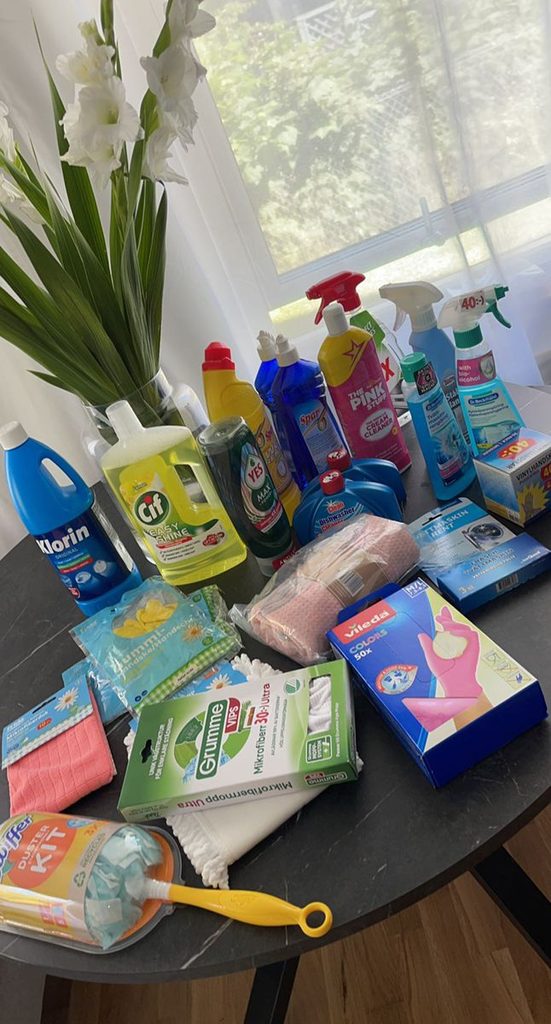
7. Save Enough for Basic Household Supplies
Your first apartment will need more than furniture and decorations. You may need cleaning products, toiletries, kitchen supplies, laundry products, and other basics.
These items can become expensive when you try buying everything at once. Set a goal for your basic household supply fund before moving.
Make a simple list of things you will genuinely need during your first month. Buy the essentials first and leave decorative items for later.
Your apartment does not need to look complete on your first day. Building your home slowly can protect your savings and reduce unnecessary financial pressure.
8. Pay Down High-Interest Debt
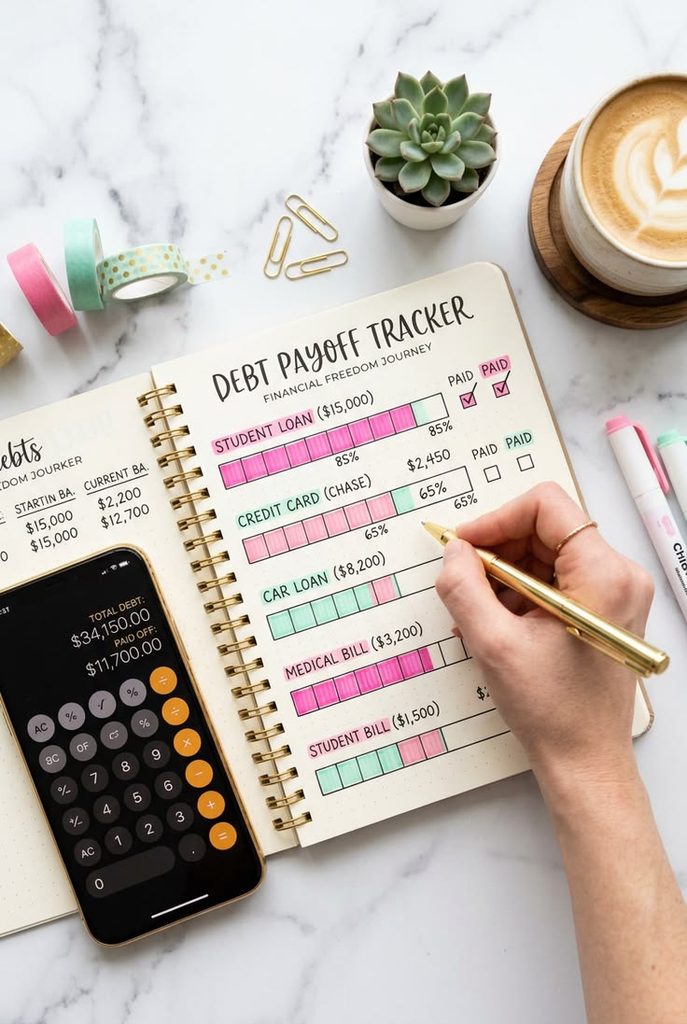
High-interest debt can make living alone much harder than expected. Large monthly payments can reduce the money available for rent, savings, and everyday expenses.
Look at your debts and identify which ones are costing you the most. Create a realistic payment plan that fits your current income.
You do not need to clear every debt before moving. But reducing expensive debt can give your future budget more breathing room.
Avoid taking on new debt simply to create the appearance of financial comfort. Your goal should be creating a life that your income can actually support.
Save this for later: 35 Simple Ways to Save Money on an Entry-Level Salary
9. Build a Transportation Fund
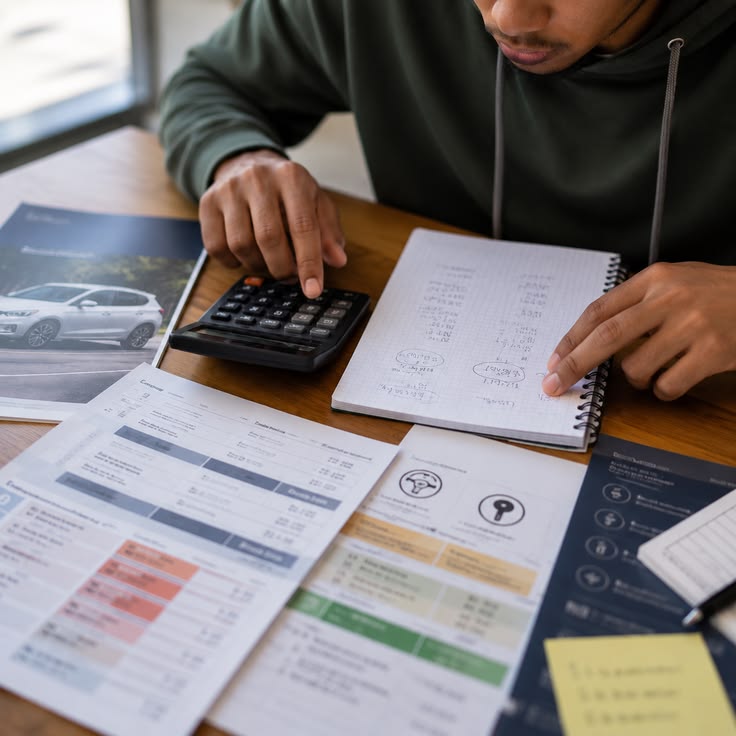
Transportation can become one of your regular monthly expenses after moving out. You may need money for fuel, public transportation, parking, repairs, or ride-hailing.
Think about how you will travel to work and handle everyday errands. Estimate your monthly transportation costs before choosing where to live.
A cheaper apartment may become expensive if transportation costs are much higher. Create a transportation fund that covers your normal travel needs.
Also keep some money available for occasional unexpected transportation expenses. Planning this early can prevent transportation costs from destroying your monthly budget.
10. Create a Utility Cushion
Utility bills can change from one month to another. Electricity, water, gas, internet, and other services may not always cost the same amount.
Instead of budgeting around your cheapest bill, use a realistic average. Then leave a little extra money for months with higher usage.
This cushion can help you avoid borrowing money when a utility bill increases. You can also work on reducing your energy usage after moving.
Small habits like switching off unused appliances can help control household costs. The goal is making your utility bills predictable enough for your budget.

11. Save for Health and Medical Expenses
Medical expenses can appear at inconvenient times. You might need medication, an appointment, dental care, or another unexpected health expense.
Even with insurance, some costs may still come from your own pocket. Create a small health-related savings category before moving out.
The amount can start small and increase as your income improves. This goal does not mean expecting something bad to happen.
It simply means preparing for expenses that can happen during normal life. Having money available can make an unexpected medical bill easier to handle.
12. Build a First-Paycheck Survival Plan
Your first paycheck after moving out may feel exciting. But it still needs to cover your responsibilities until your next payment arrives.
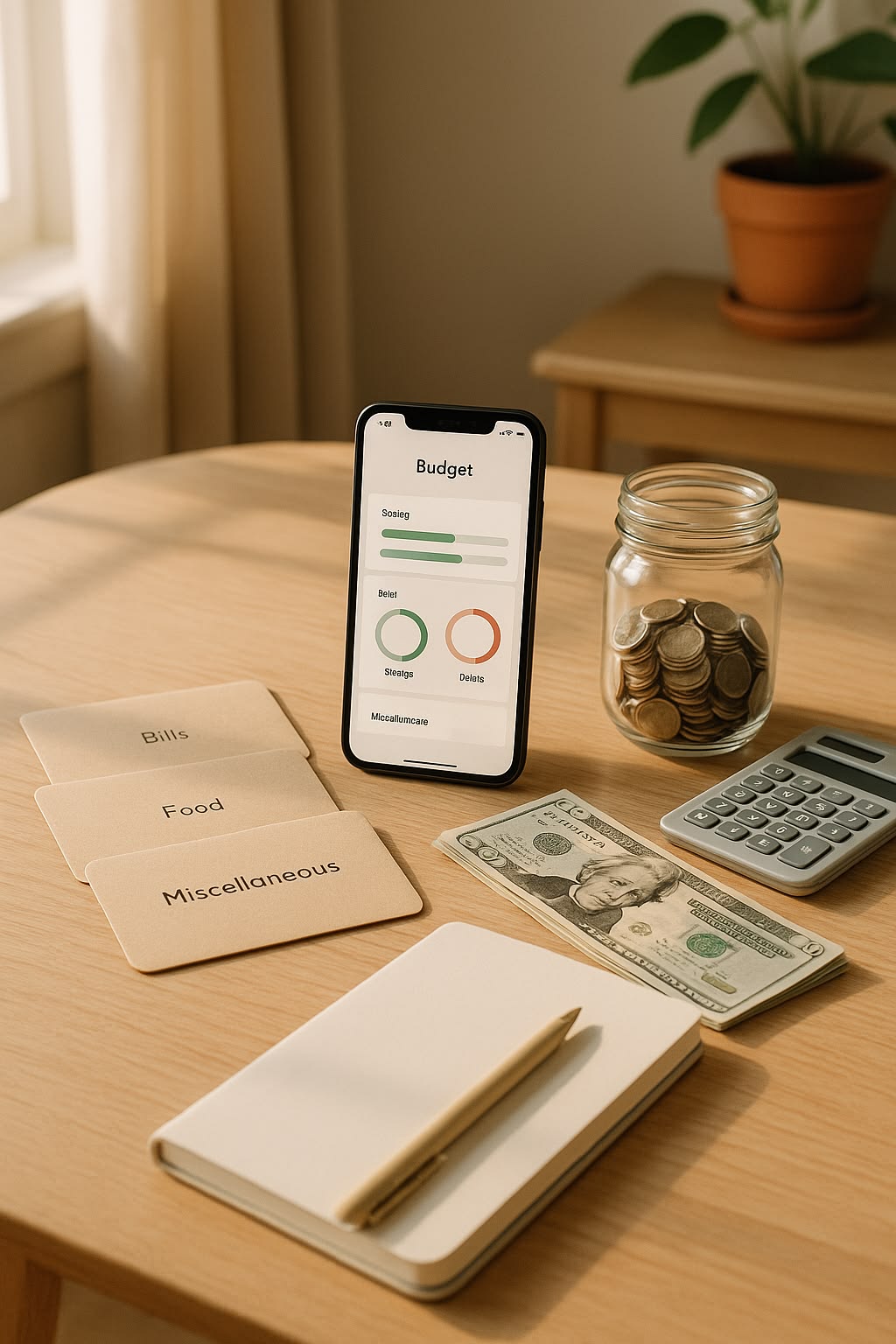
Create a plan for your paycheck before the money reaches your account. Decide how much goes toward bills, savings, groceries, transportation, and personal spending.
Avoid spending heavily simply because you have just been paid. Your money needs to last throughout the entire pay period.
If you are learning how paychecks work, 45 Things You Should Know About Your First Paycheck can help you prepare.
A simple paycheck plan can prevent many early financial mistakes.
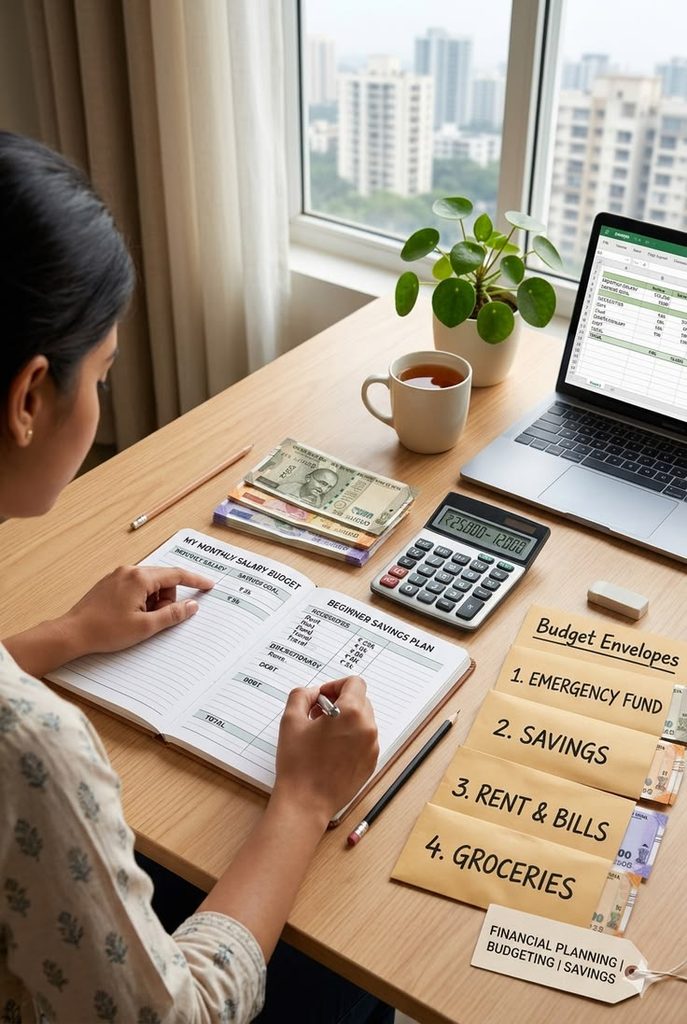
13. Set a Goal for Your Grocery Budget
Food can become surprisingly expensive when you start buying everything yourself. Before moving, estimate how much you normally spend on groceries.
Think about the meals you enjoy and the ingredients you regularly use. Then create a realistic grocery target for each month.
You can save more by planning meals, comparing prices, and avoiding unnecessary food waste. Do not make your grocery budget so small that it becomes impossible to follow.
A realistic amount is more useful than an impressive number you constantly exceed.
If you are working with a smaller income, 35 Ways to Save Money on an Entry-Level Salary offers practical ways to stretch your paycheck.

14. Save for Future Furniture Purchases
You do not need to furnish your entire apartment immediately. Trying to buy everything at once can put unnecessary pressure on your finances.
Instead, create a furniture fund for important items you still need. Start with things that improve your comfort or support your daily routine.
You can then save gradually for other pieces as your budget allows. Look for quality secondhand options when they make sense for your situation.
Take your time instead of buying something simply because your apartment looks empty. A comfortable home can develop slowly without forcing you into unnecessary debt.

15. Build a Basic Savings Habit
Saving should become part of your routine before you live alone. Do not wait until your income increases before developing this habit.
Choose an amount that feels manageable with your current financial situation. Then save that amount consistently after receiving your income.
The goal is to make saving feel normal rather than something you only do occasionally. You can increase your savings amount as your income improves.
This habit can also help you become more comfortable with delayed gratification.
For more practical habits, 35 Money Habits to Start in Your 20s is a useful guide to keep nearby.

16. Create a Goal for Reducing Unnecessary Expenses
Before moving out, look closely at the expenses that do not add much value. You may discover subscriptions, frequent takeout, impulse shopping, or other repeated purchases.
Choose a few expenses you can reduce without making your life miserable. You do not need to remove every enjoyable expense from your budget.
The goal is simply creating more room for important financial priorities. Money saved from these changes can support your emergency fund or moving costs.
Small reductions can become meaningful when they continue for several months. This can make your income feel more useful without requiring an immediate salary increase.
17. Set a Credit Card Balance Goal
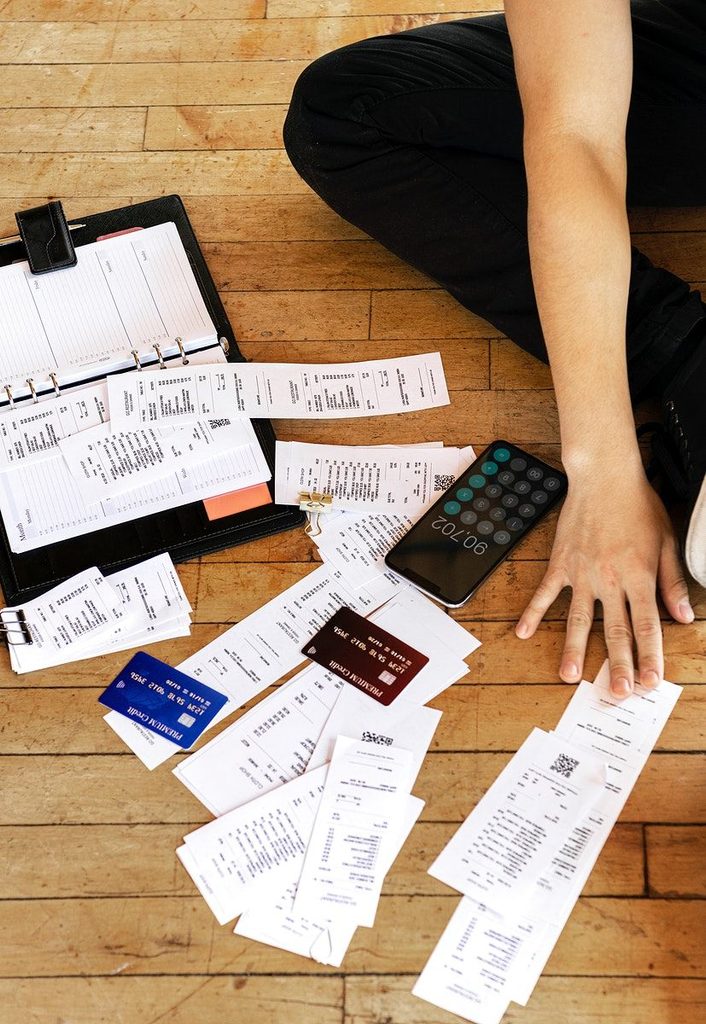
If you use credit cards, create a clear goal for managing your balance. Try not to let your credit card become a way to cover regular expenses.
Remember that every purchase eventually needs to be paid for. Set a spending limit that fits comfortably within your income.
Pay attention to payment dates, interest charges, fees, and your outstanding balance. Good credit management can become useful as you build your financial life.
But poor credit card habits can create stress that follows you for years.
If you are preparing for your first card, 35 Things to Know Before Getting Your First Credit Card can help you understand what you are getting into.

18. Create a Goal for Your Monthly Housing Cost
Choosing affordable housing is one of the biggest financial decisions you will make. Do not decide what you can afford based only on the advertised rent.
Think about utilities, transportation, groceries, insurance, and other monthly expenses. Then choose a housing cost that leaves room for saving and unexpected expenses.
A beautiful apartment can become stressful when the monthly payment takes most of your income. Your home should give you stability rather than constant financial anxiety.
Take your time and compare different housing options before making a final decision.
Don’t lose this list: 25 Money Mistakes to Avoid When You First Start Living Alone

19. Save Money for Annual Expenses
Some expenses only appear once or a few times each year. These may include insurance payments, memberships, gifts, travel, maintenance, or other yearly costs.
They can still create serious problems when you have no money prepared for them. Make a list of annual expenses you already know about.
Estimate how much you will need for each one. Then divide those amounts into smaller monthly savings targets.
This turns large future payments into manageable pieces. It also prevents you from treating predictable expenses like unexpected emergencies.

20. Create a Goal for Lowering Your Monthly Bills
Before moving out, identify bills that you may be able to control. Look at phone plans, internet services, subscriptions, insurance, and other recurring expenses.
Some expenses may seem small individually, but several recurring charges can take a noticeable amount of money from your monthly income. Reviewing them regularly can help you understand where your money is going.
Compare available options and remove services you rarely use. You may also be able to switch to a more suitable plan or negotiate certain costs when possible.
You can also learn simple ways to reduce energy and household costs. Turning off lights when they are not needed, using appliances carefully, and avoiding unnecessary waste can help lower some household expenses.
The goal is not to remove everything that makes your life comfortable. Instead, focus on expenses that no longer provide enough value for the money you spend.
Lower monthly bills create more space for savings and personal goals. That extra money can become especially useful when your income is still growing.
Even reducing a few recurring expenses can give you more flexibility each month. You can put the difference toward an emergency fund, debt payments, household needs, or another important goal.

21. Build a Small Fun Money Fund
Living alone should not mean removing every enjoyable thing from your life. If your budget has no room for fun, you may eventually become tired of following it.
Create a small amount specifically for entertainment and personal enjoyment. You can use it for outings, hobbies, snacks, dates, or occasional treats.
The amount should fit comfortably within your overall budget. You do not need to spend a large amount to enjoy yourself or feel like you are making progress.
For example, you could set aside a small amount from each paycheck for activities you enjoy. Having this money already included in your budget can make spending on something fun feel more intentional.
This can also help you avoid feeling guilty whenever you buy something that is not a basic necessity. You have already planned for it, so you can enjoy it without worrying that you are completely ignoring your financial goals.
Try to keep your fun money separate from money meant for rent, bills, savings, or other important expenses. If the fund runs out, wait until the next planned amount rather than taking money from essential categories.
A realistic plan is easier to follow when it includes some room for enjoyment. You can still save, pay your bills, and work toward bigger goals while allowing yourself small moments of enjoyment along the way.
You’ll want to come back to this: 45 Expenses to Budget for When You Live on Your Own

22. Set a Goal for Extra Income
Sometimes your regular salary may not cover every financial goal comfortably. When this happens, you could consider suitable side work, freelance projects, weekend work, or other income opportunities.
Extra income does not have to become another full-time job. You can choose something that fits your schedule, skills, energy, and current responsibilities.
Even occasional additional income can support specific goals and give you more flexibility with your money. For example, you could send extra earnings toward your emergency fund or debt payments.
You might also use additional income for moving costs, future household purchases, or other expenses that may be difficult to cover from your regular paycheck.
Before taking on extra work, consider whether the time and effort required will fit comfortably into your routine. Your goal should be to improve your finances without creating unnecessary stress or making your everyday responsibilities harder to manage.
The important thing is giving extra income a purpose before spending it. Decide what you want the money to accomplish and try to stay consistent with that plan.
Having a clear purpose can make it easier to avoid spending extra earnings on things you did not originally need.
Even small amounts can become useful when they are directed toward meaningful financial goals. Over time, this approach can help you make faster progress without depending entirely on your regular paycheck.
Keep this guide nearby: 25 Things to Include in Your First Monthly Budget

23. Create a Goal for Financial Independence
Financial independence does not happen simply because you move into your own apartment.
It means learning to handle your money without constantly depending on someone else. When you live independently, your financial choices can affect your daily comfort, stability, and peace of mind.
Set a goal for paying your own regular expenses consistently. Work toward handling rent, food, transportation, bills, savings, and personal spending responsibly.
This goal may take time, especially when your income is still developing. You may not be able to manage every expense perfectly at first, and that is okay.
Start by understanding what you earn and where your money goes each month. Then look for small ways to improve how you manage your income.
You might begin by reducing unnecessary spending, building a small emergency fund, or setting aside money before spending on nonessential things.
Do not compare your progress with people who started from completely different situations. Your financial responsibilities, income, and circumstances may look very different from theirs.
Focus on becoming more capable with money each month. Every bill you handle, saving habit you build, and financial decision you make can increase your confidence.
That steady progress can make living alone feel more manageable and help you build a stronger foundation for the future.
Read this next: 45 Things You Should Know About Your First Paycheck

24. Create a Backup Plan for Income Loss
One of the biggest risks of living alone is losing your main source of income. Even a short break between jobs can create serious pressure when bills continue arriving.
Think about what you would do if your income suddenly stopped without warning. Start by building emergency savings that can cover essential expenses during difficult periods.
Even small amounts saved consistently can become useful when unexpected financial problems appear. Keep important financial information organized so you can quickly understand your available options.
You can also keep your resume updated and continue developing useful work skills. Knowing your skills and experience can make it easier to respond when opportunities become available.
It may also help to maintain professional connections instead of only reaching out when desperate. Having more than one possible income option can give you additional flexibility during uncertain periods.
This might include freelance work, temporary work, selling useful skills, or other realistic opportunities. You do not need to start everything immediately or create another stressful responsibility.
The goal is simply knowing where you could turn if your main income changed. Having a backup plan does not mean expecting to lose your job.
It simply means preparing yourself to respond if life changes unexpectedly. You can review your plan every few months as your income and responsibilities change.
Your emergency savings goal may also need adjusting as your monthly expenses become clearer. A stronger backup plan can give you greater confidence about living independently.
It can also reduce panic because you have already considered what your next steps could be.

25. Set a Goal for Your First Year of Independent Living
Your first year alone can teach you many things about money, responsibility, and managing everyday life. Instead of focusing only on moving day, think about where you want to be after twelve months.
Maybe you want to build savings, reduce debt, improve your budget, or increase your income. You might also want to become more consistent with tracking expenses and controlling unnecessary spending.
Write down a few realistic targets and review them throughout the year. Having your goals somewhere visible can remind you what you are working toward during stressful months.
You do not need to achieve everything immediately or make major financial changes overnight. Some goals may take several months before you notice meaningful progress.
For example, you may realize that transportation costs are higher than expected. You might then adjust your savings goal while finding ways to reduce those costs. That does not mean your original plan failed; it means you are learning.
The important thing is having direction instead of simply reacting to every financial problem. You can adjust your goals as your income, responsibilities, and priorities change throughout the year.
The goal is not creating a perfect financial plan that never changes after moving. It is building a clearer direction while learning how to manage your independent life.
By the end of your first year, you may understand your money much better and feel more confident about your progress.

Final Thoughts
Living on your own can be one of the most exciting steps into adulthood. But the excitement becomes easier to enjoy when your money is prepared for the responsibility.
You do not need a perfect salary, expensive furniture, or thousands sitting in your account. You need a realistic plan that matches your current financial situation.
Start by understanding your income and estimating the real cost of independent living. Then create goals for rent, moving costs, emergency savings, debt, food, transportation, and future needs.
Do not forget to leave room for enjoyment because your financial plan should still allow you to live. Your goals may look different from someone else’s, and that is completely fine.
What matters is building a financial life that works for you. Some months will go smoothly, while other months may bring expenses you never expected.
When that happens, adjust your plan instead of giving up completely. You are learning how to manage money while also learning how to manage life independently.
That takes time, patience, and plenty of small decisions. The habits you build now can make your future responsibilities much easier to handle.
So, start with one goal today instead of waiting until everything feels perfect. Save your first small amount, review your budget, reduce one unnecessary expense, or start your emergency fund.
Your first apartment does not need to mark the beginning of financial stress. With the right preparation, it can become the beginning of greater confidence and independence.
Leave a Reply