You check your bank app, and the number staring back at you is not the one you expected. A weekend trip, a sale, a few lazy takeouts, and suddenly the month looks completely different.
Your stomach drops, your face gets warm, and a small voice says you ruined everything. If you have felt that wave of regret, I want you to know you are in very good company.
Almost every person who ever managed money has overspent at least once. Money mistakes feel huge in the moment, but most of them are smaller than they look.
The real danger is not the overspending itself, but the story you tell yourself afterwards. Stories like I am hopeless with money push people to give up on their plans completely.
Giving up costs far more than the original mistake, because it turns one bad week into a bad year. Recovery is about calming down, looking at the facts, and taking small and steady steps forward.
Think of this as a repair job and not as a funeral for your finances.
In this post, we will walk through those steps in simple and friendly words. You will learn how to face the numbers, rebuild your budget, and protect yourself from a repeat.
If you often run dry before payday, How to Stop Living Paycheck to Paycheck is a helpful read too. Take a deep breath, because this is fixable, and you are allowed to start fresh today.
Let us turn this moment into a turning point instead of a breaking point. By the end, you will have a clear and kind plan to follow.

How to Recover After Overspending Without Giving Up
Why Overspending Happens to Almost Everyone
Overspending happens because we are human beings living in a world built to make us buy. Adverts, discounts, social media, and friends all push us to spend a little more.
After my first paycheck, I took a weekend trip I could not really afford. I came back happy, but by Wednesday my account was nearly empty. That moment taught me that spending mistakes are normal and not a sign of weakness.
Emotions also play a big part, because stress, boredom, and joy all love to shop. Many people overspend after a hard day, a good day, or a lonely evening. Knowing this removes some of the shame, and shame is the real enemy of recovery.
You are not broken, you are simply learning, and learning includes errors. Once you accept that, you can start fixing things with a clearer mind.

Overspending Is Not a Character Flaw
A single bad week does not define who you are with money. People who overspend are not lazy, careless, or stupid, no matter what their inner critic says. They are often tired, stressed, or lacking a clear system, and that can happen to anyone.
Calling yourself names only makes the problem heavier and harder to solve. Speak to yourself the way you would speak to a close friend in the same spot.
Kindness is not an excuse, but it gives you the energy to change. Harsh self criticism leads to hiding, avoiding, and giving up on your goals. Gentle honesty leads to action, learning, and improvement over time.
You can take full responsibility without beating yourself up or hiding from the facts. That balance is the foundation of every successful money recovery you will ever make.

Pause Before You Panic
The first thing to do after overspending is nothing dramatic at all. Stop, breathe, and give your body a few minutes to calm down. Panic makes people do silly things, like taking a risky loan or skipping bills.
Put your phone down, drink some water, and take a short walk if you can. Remind yourself that this problem is real, but it is also very solvable.
Avoid making any big money decisions while your heart is racing and your mind is foggy. Wait until you feel steady before you open your accounts and start counting. A calm mind sees options, while a panicked mind sees only walls.
Even ten minutes of quiet can change how the situation looks. You are about to do something brave, which is looking at the truth.
Save this for later: How to Read Your First Paycheck Without Feeling Confused

Face the Real Number
Once you are calm, find out exactly how much you overspent. Compare your planned budget with what you actually spent in each category. Add up the extra amount, and write it down in one clear place.
Seeing the true number is scary for a moment, but it stops the guessing. Your imagination is usually worse than reality, so facts will actually comfort you.
Do not round down to feel better, and do not round up to feel worse. Use your bank statements, receipts, and card history to be precise. Include any new debts, like credit card balances or money borrowed from friends.
Once the number is on paper, it becomes a problem you can solve step by step. Problems with numbers attached are always smaller than problems that stay foggy.

Check Your Accounts Calmly
Now look at your accounts to see what money you actually have left. List your current balances, your upcoming bills, and any money you are still waiting for. Check when your next payday will arrive and how much it will be.
If your pay details confuse you, ask your payroll team to explain your slip. Mark which bills are essential and which ones can wait a little.
This gives you a realistic picture of the time between now and your next payday. Do not forget small charges that may still be pending on your accounts. Write all of this in one place, so you can see the full picture.
It is much easier to plan when everything is in front of you. Clarity is the first gift you can give yourself in a messy moment.
This is trending right now: 45 Expenses to Budget for When You Live on Your Own
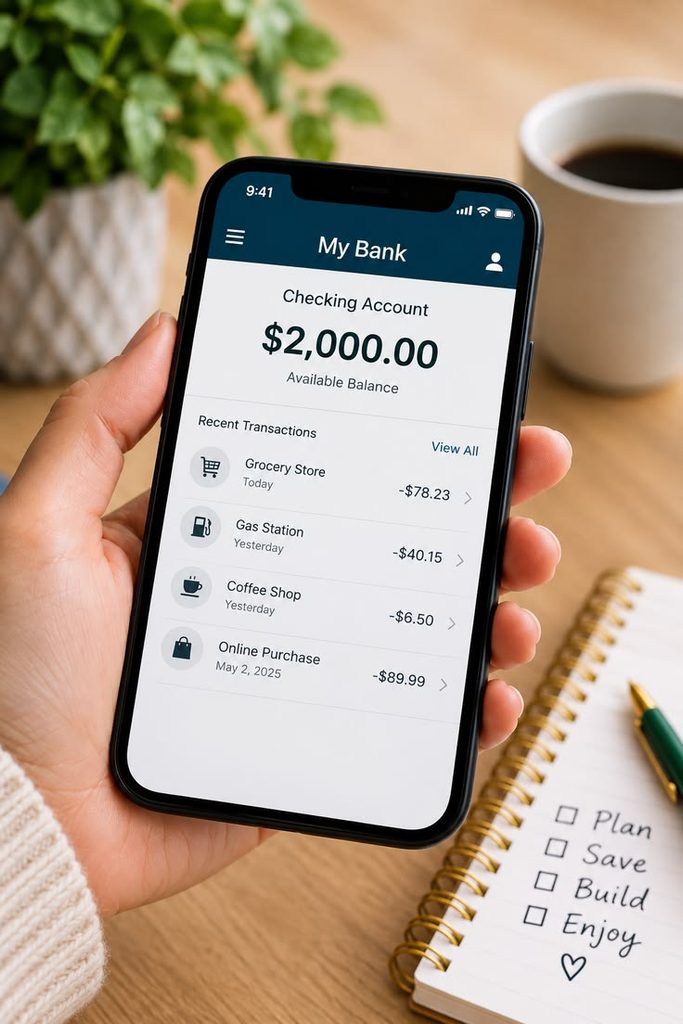
Find What Triggered the Spending
Every overspend has a story, and understanding it helps prevent the next one. Ask yourself what was happening in your life when you spent the money. Maybe you were stressed, celebrating, bored, lonely, or trying to impress someone.
I once went on a shopping spree after a terrible week at work. I bought things I did not need, and the guilt lasted much longer than the joy.
Looking back, I saw that I was rewarding myself for stress instead of fixing the stress. Check your bank history for patterns, like weekends, paydays, or certain apps. Notice which places, people, or moods push you to spend more than planned.
Write down your top two or three triggers in your notes. Once you know them, you can create simple rules to handle them.

Protect Your Essentials First
Before you fix anything else, make sure your essentials are safe. Rent, food, transport, electricity, and basic health needs come before everything else. Pay these first, even if it means pausing other plans for a while.
Missing essential bills creates a second problem on top of the first one. Organise your due dates, and use How to Create a Monthly Bill Payment System to keep them under control.
If you cannot pay a bill in full, pay what you can and contact the provider. Many companies offer extra time or small payment plans when you ask early. Silence makes things worse, while honest messages often get better results.
Keep proof of your messages, in case you need to show them later. Once essentials are safe, your mind will feel much lighter. A roof, food, and light are worth protecting above almost everything else.
Everyone’s clicking on this: 35 Ways to Save Money on an Entry-Level Salary

Pause Non Essential Spending for a While
Now it is time to hit the brakes on everything that is not essential. Pause shopping, takeout, new subscriptions, and extra outings for a short period. This is not a punishment, but a temporary reset that gives your money time to recover.
Pick a clear time frame, like two weeks or one month, so it feels manageable. Tell yourself that this pause has an end, because endless restrictions rarely work.
Remove shopping apps from your home screen, and unsubscribe from sale emails. Use free options for fun, like walks, home movies, and meeting friends at home.
Keep a small amount for treats, because total deprivation often causes a rebound. Track how much you save during the pause, and enjoy watching it grow. Short breaks from spending can reset your habits in a surprisingly strong way.

Make a Short Recovery Plan
A recovery plan is a short list of steps that moves you from today to a steadier place. Decide how much you need to recover, and by what date. Divide that amount by the weeks or months you have, and see what it requires.
If the number feels heavy, give yourself more time and make the steps smaller. Write the plan on one page, and keep it somewhere you can see it.
If you have never built a budget, How to Create Your First Monthly Budget will guide you. Use your plan to decide where money goes each week until you are back on track.
Keep the plan flexible, because life may still throw small surprises your way. Review it every Sunday, and adjust a little if needed. A short plan you follow beats a perfect plan you ignore.
Most popular this week: 25 Money Mistakes to Avoid When You First Start Living Alone

Use Your Savings Wisely
If you have savings, you may be tempted to use them to cover the gap. Sometimes that is the right choice, especially if it avoids high interest debt or missed bills.
Just be careful, because an emergency fund is meant for emergencies and not for splurges. If you do dip into it, use only what you need and no more. Make a plan to refill it as soon as your finances allow.
If you do not have savings yet, How to Build an Emergency Fund From Scratch is a great next step. Even a tiny cushion can protect you from future slips turning into crises. Treat your savings like a friend who helped you, and repay the favour.
Do not feel guilty for using your safety net, because that is its purpose. Just remember to rebuild it, so it can help you again.

Cut Costs Without Feeling Punished
Cutting costs is easier when you focus on smart trimming and not on suffering. Look at your biggest categories first, like housing, food, and transport. Small changes in big categories often save more than big changes in tiny ones.
Cook more meals at home, share rides, and compare prices before buying. Cancel unused subscriptions, and ask your providers for cheaper plans.
For more ideas, especially if you live alone, read How to Save Money While Living Alone. Keep one or two small pleasures, so your plan feels human and not harsh. The goal is to feel in control, not to feel miserable.
Track what you save each week, and celebrate even small amounts. Every coin saved now is a coin that speeds up your recovery. Choose cuts you can keep for a few weeks without resentment.

Earn a Little Extra
Recovery is faster when you reduce spending and raise income at the same time. You do not need a second career, only a few small ways to bring in extra money. Sell things you no longer use, like clothes, gadgets, books, or furniture.
Offer a skill you already have, like tutoring, writing, design, or repairs. Pick up extra shifts or weekend gigs if your schedule allows it.
Ask yourself what people around you need, and see how you can help. Send all extra income straight to your recovery plan before you can spend it. Keep this temporary, because you do not want to burn out while you recover.
Even a small amount of extra money can make the plan feel much lighter. Remember that this is a short sprint and not a lifelong marathon.
Fan favorite: 35 Things to Know Before Getting Your First Credit Card

Handle Credit Card Balances
If you used a credit card, the balance needs your attention soon. Interest grows quietly every month, and it can make a small mistake much bigger. Pay more than the minimum whenever you can, even if it is only a little more.
Focus extra money on the card with the highest interest rate first. Avoid adding new charges until the balance is under control.
Understanding credit better will help you avoid this in future, so read How to Build Credit Responsibly as a Beginner. Call your card provider if you feel stuck, and ask about lower rates or payment plans.
Some providers are kind to customers who ask for help before missing payments. Set up reminders and automatic payments, so you never miss a due date. Each payment you make is a vote for your future freedom.

Talk to People You Owe
If you borrowed money from friends or family, speak to them early. Be honest about what happened, and explain how you plan to repay them. Offer a simple schedule, even if the amounts are small at first.
Most people respect honesty far more than they dislike delay. Do not avoid them out of embarrassment, because silence damages trust.
If you owe a company, call or write to them before the due date. Ask politely for more time, a lower payment, or a break in fees. Keep a record of what you agree, including dates and amounts.
Stick to the plan you promise, because reliability rebuilds trust quickly. Clear and honest conversations lift a heavy weight from your shoulders. Thank people for their patience, because gratitude goes a long way.
One of our most-read posts: 25 Ways to Build an Emergency Fund From Scratch

Rebuild Your Budget Gently
After the first few weeks, you can start building your regular budget again. Use what you learned from the mistake to make smarter categories and limits. If you overspent on food, set a more realistic food amount and plan meals.
If you overspent on fun, give fun its own small and guilt free limit. Include a small buffer for surprises, so one bad day does not break the plan.
Keep your budget simple enough that you can follow it when tired. Review it weekly at first, and then monthly once things feel stable. Do not copy someone else’s budget exactly, because their life is different from yours.
Adjust as you go, and give the plan time to settle into your routine. A budget that fits you is a budget you will actually use.
Don’t miss this: How to Open the Right Bank Account for Your Lifestyle

Adjust for Uneven Income
If your income changes every month, overspending can sneak up on you easily. A big month can tempt you to spend, and a slow month can tempt you to borrow. Base your spending on your lowest normal month, and save the rest.
Move extra money into a buffer, so slow months feel less scary. For a full guide, read How to Budget When Your Income Changes Every Month next.
Pay yourself a steady allowance from that buffer, almost like a regular salary. This keeps your spending calm, even when your income is not. Review your numbers monthly, and adjust your allowance a little if needed.
Steady habits matter more than steady income when you manage money well. With the right system, uneven pay becomes much less dangerous. Do not let one great month trick you into a lifestyle you cannot keep.
Set Up Systems to Stop a Repeat
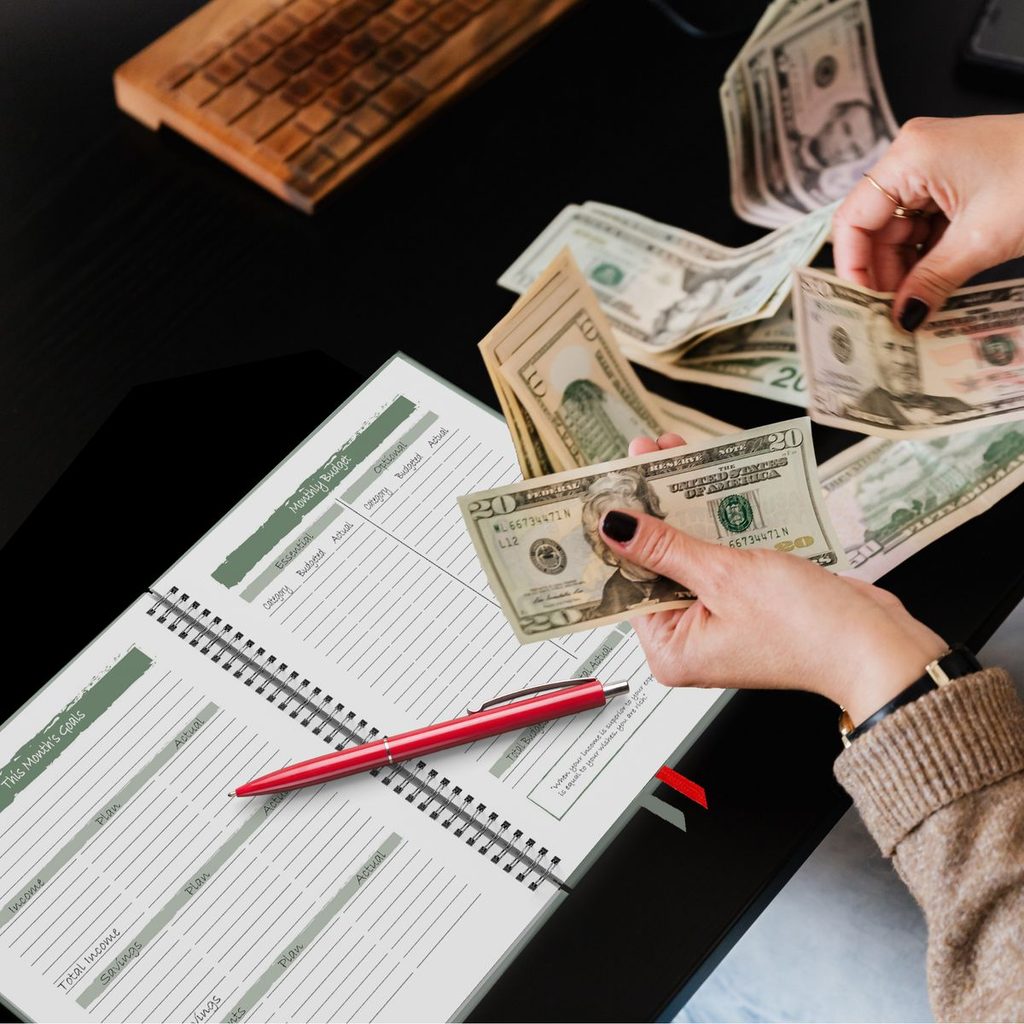
Willpower is unreliable, so build simple systems that protect you. Turn on spending alerts in your bank app, so you notice big purchases quickly. Move savings out of your main account the day you get paid.
Use a separate account for bills, so spending money and bill money stay apart. Set a weekly money check, where you spend ten minutes looking at your balance.
Delete saved card details from shopping apps and websites, so buying takes more effort. Add a waiting rule, like twenty four hours before any non essential purchase. Tell a trusted friend about your goal, so you have someone who cheers you on.
Create a simple list of your triggers and the plan for each one. Systems work quietly in the background, and they save you again and again.

Handle the Emotions Along the Way
Recovery is not only about money, because feelings play a big part. You may feel guilt, shame, worry, or even anger at yourself. Those feelings are normal, but they do not need to run the show.
Name what you feel, and then take one small action anyway. Talk to someone you trust, because sharing a worry often shrinks it.
Write down your thoughts in a notebook, and read them again after a few days. You may notice that the story in your head is harsher than reality. Look after your body too, with sleep, food, and gentle movement.
Tired and hungry people make poor money choices and feel worse about them. Be patient with yourself, because emotional healing takes the same time as financial healing.

Celebrate Small Wins
Recovery feels slow, so you need to notice progress along the way. After my slip, I started marking every day I stayed within my plan. Those small ticks on a calendar made me feel proud and motivated.
Celebrate paying a bill early, saving a small amount, or skipping a tempting purchase. Reward yourself with free things, like a walk, a call with a friend, or a movie night.
Share your progress with someone who cares, because shared joy grows stronger. Look back each week and write down one thing you did well. Positive feelings make you want to repeat good habits, and that is how change sticks.
Do not wait for the final goal to feel proud of yourself. Every small step is proof that you are not giving up. Keep a simple record of wins, and read it when motivation drops.

Keep Going for the Long Game
Real financial health is built over months and years, not in one perfect week. You will probably slip again at some point, and that is completely fine. What matters is how fast you return to your plan after a slip.
If the cycle keeps repeating, review your plan and ask for help from someone you trust. Keep learning about money through books, videos, and honest conversations.
Small improvements every month will beat dramatic changes that fade quickly. Review your goals, and remind yourself why you want financial peace. Be proud that you chose to recover instead of giving up.
The person who keeps trying will always beat the person who waits for perfect. Your future self is already thankful for the effort you are making today. Patience, honesty, and steady steps are all you really need.

Final Thought
Overspending can feel like the end of the world, but it is really just a bump. You now know how to calm down, face the numbers, and protect your essentials. You also know how to cut costs, earn extra, and rebuild your budget gently.
Most of all, you know that giving up is the only mistake that cannot be repaired. Everything else can be fixed with time, honesty, and small steady steps. Think of this recovery as a repair and not as a verdict on you.
Tonight, take one small action, like writing down your real number. Tomorrow, list your essential bills, and pause one non essential cost. By the weekend, you will have a simple plan and a calmer heart.
Do not wait until you feel perfect, because that day never arrives. Progress begins the moment you decide to start again, even if you feel shaky. Write your first step in your notes, so it becomes a real promise.
Remember that your worth is not measured by your bank balance. You are learning, and every person who is good with money once felt lost. If this post helped you, share it with a friend who needs a gentle push.
Keep going, stay kind to yourself, and let each small win build your confidence. Your money story is still being written, and you are holding the pen.
Start fresh today, and know that I am cheering for you all the way. A strong comeback is far more impressive than a perfect record.
Leave a Reply